Alexander Pantsov
Acting
Known For
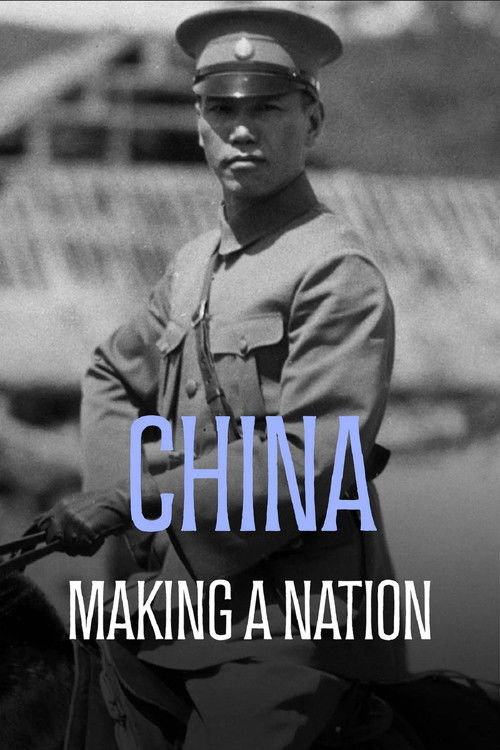
China: The Making of a Nation is the story of the painful transformation of the vast Qing Empire into the Chinese nation after the 1911 revolution. Spanning more than a century up to the Xi Jinping era, the story pits the two pivotal leaders of this transformation against each other: Chiang Kai-shek, leader of the Republic of China for 47 years, and Mao Zedong, who rose from ‘red bandit’ to master of the mainland in 1949. Sworn enemies, they fought a merciless battle: first military, then diplomatic, and finally, beyond their deaths, in the conflicting memories of the Taiwanese and the Chinese of the People's Republic. Beyond their fierce hatred, the two tyrants also had much in common: a certain vision of Chinese territory and the greatness of China, the desire to regain the country's sovereignty and the quest for a Chinese identity in a nation that also includes Tibetans, Uighurs, Mongols... and a certain ability to rewrite history.
China: The Making of a Nation

A three-part portrait of Mao Zedong, a peasant's son who became a revolutionary and then a totalitarian leader. The story of a destiny that tells the collective history of modern China. Mao Zedong was born in 1893 in a rural China beset by political instability and social upheaval. After the revolution of 1911, which precipitated the fall of the Empire, the country was dominated by imperialist powers. The young Mao, whose political conscience was awakening, dreamed of seeing China return to its former greatness. Influenced by the Russian Revolution of October 1917 and embracing Marxist ideology, the activist co-founded the Chinese Communist Party, soon establishing himself as its supreme leader, notably during the Long March that ended in 1935. In 1949, after the war between the Kuomintang nationalists and the Communists, he seized power and proclaimed the People's Republic of China.