Directing
Aucune description disponible.
Une jeune bonne sénégalaise suit ses patrons français retournant dans leur pays, à Antibes. Le plaisir de la découverte de ce nouveau monde se transforme vite en déconvenue profonde. Isolement, mépris des patrons, racisme ambiant, tâches ménagères incessantes…
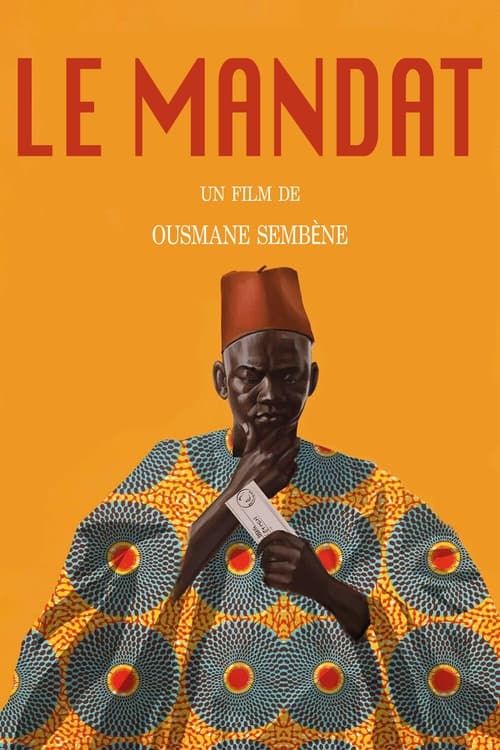
A Dakar, Ibrahim Dieng, un bon musulman sénégalais, vit avec ses deux femmes et leurs sept enfants tranquillement sans travail. Alors qu'il est chez le coiffeur, ses femmes reçoivent un mandat d'Abdou, un neveu parti en France. Tout le quartier est au courant de l'aubaine. C'est le désordre total. Ses femmes achètent des provisions à crédit, certains essaient de lui extorquer l'argent, d'autres profitent de son ignorance pour le voler et l'endetter. Ce morceau de papier, au lieu d'apporter richesse et reconnaissance, devient le symbole de la honte et de la déchéance : une peinture drôle et sans concession de la société au temps de l'Indépendance.
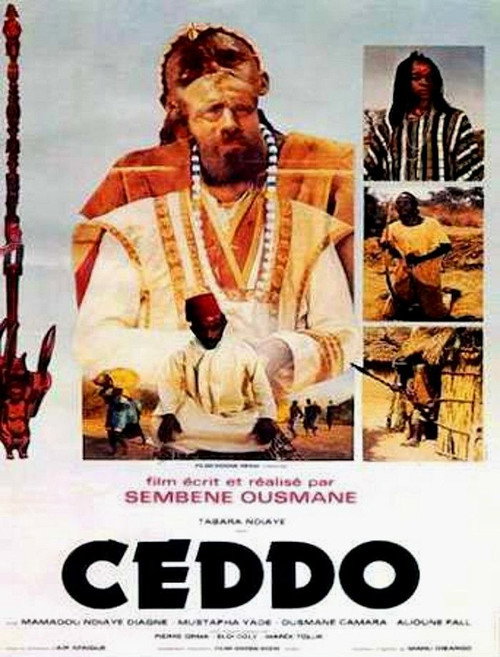
Au XVIIème siècle en Afrique de l'Ouest, les "Ceddos", les hommes du peuple, tentent de préserver leurs traditions face à ceux qui veulent les convertir à l'Islam et au Christianisme. Lorsque le roi se laisse persuader de se convertir par un imam, les "Ceddos" décident de kidnapper sa fille en représailles.
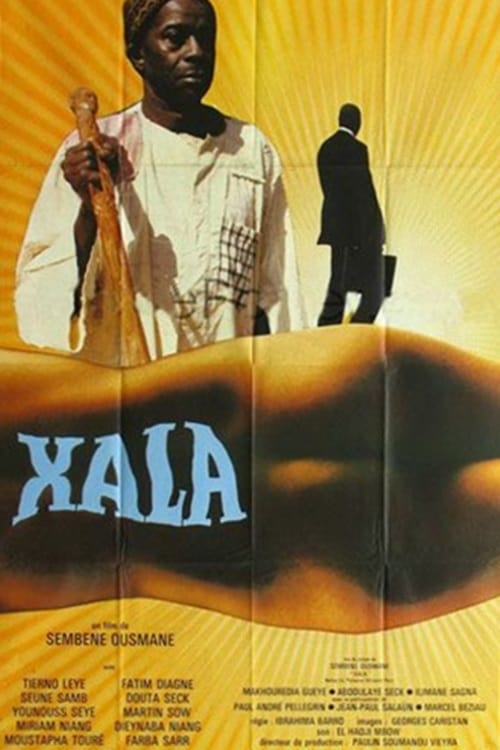
El Hadji Abdou Kader Beye, homme d'affaires sénégalais quinquagénaire, prend une troisième épouse, signe de réussite sociale et économique surtout. Selon la tradition musulmane, il a les moyens financiers pour assurer un train de vie luxueux à ses trois femmes, chacune a sa villa. Le soir, impossible de consommer son union, il est frappé d'impuissance. Il se croit victime d'une malédiction, le xala, lancée par un paysan qu'il avait autrefois ruiné. El Hadji, humilié, consulte les marabouts.
En 1942 en Casamance, dans le Sud du Sénégal, l'administration pétainiste cède le pouvoir aux hommes du Général de Gaulle. L'armée décide de réquisitionner des vivres dans le petit village de Efock. Les villageois refusent de donner le riz, leur unique moyen de subsistance. Les femmes décident de le cacher. La plupart des hommes sont partis combattre en France, les anciens espèrent l'intervention du dieu du Tonnerre, Emitaï. La répression et le massacre des innocents commencent.
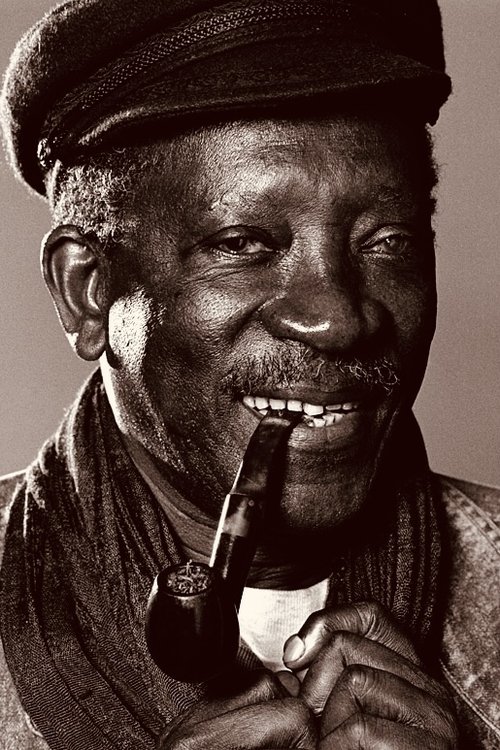
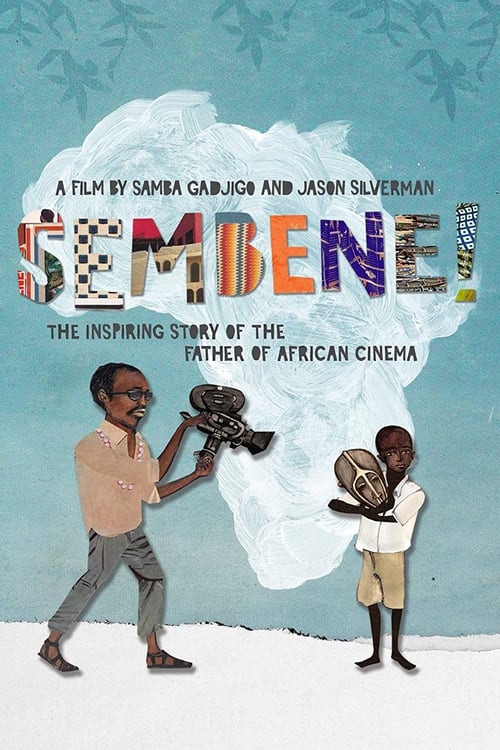
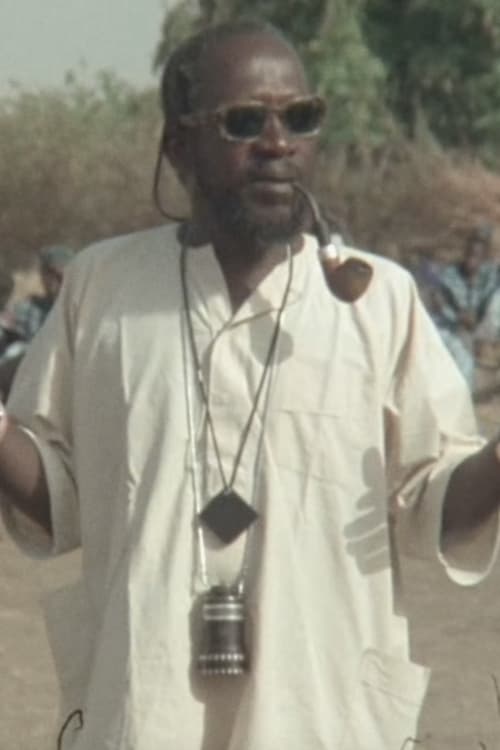
Un défenseur de la liberté qui se servit des histoires comme une arme : voici Ousmane Sembène, le père du cinéma africain.
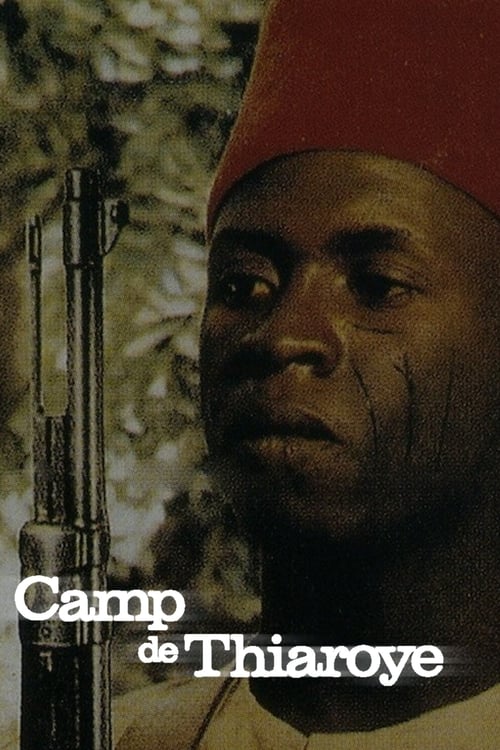
Un peloton sénégalais de soldats de l'Armée libre française est revenu du combat en France et détenu temporairement dans un campement militaire avec des clôtures de barbelés et des tours de garde dans le désert. Parmi eux, le sergent Diatta, charismatique chef de la troupe qui a fait ses études à Paris et qui a une femme et un enfant français, et Pays, un soldat sénégalais laissé en état de choc par la guerre et les camps de concentration et qui ne peut parler qu'en cris et grognements gutturaux.
Lors des obsèques de Guelwaar, leader catholique de l’opposition, l’assemblée se rend compte que son corps ne se trouve pas dans le cercueil. A cause d’une erreur à la morgue, la dépouille de Guelwaar a été enterrée par une puissante famille musulmane...
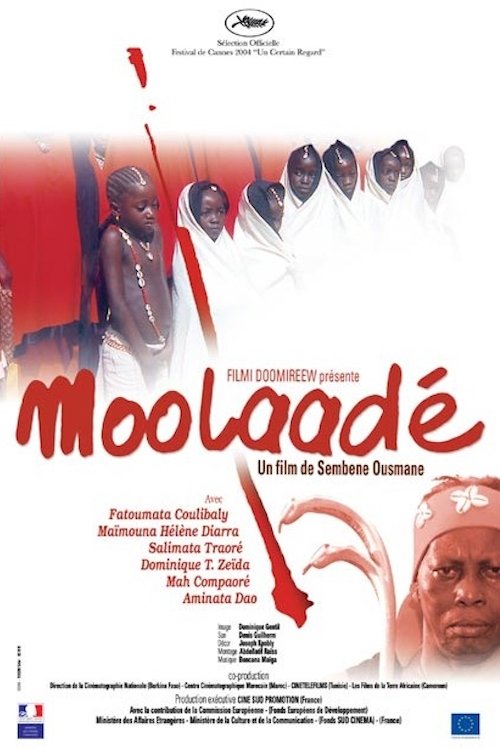
Collé Ardo refuse de se plier à la tradition voulant que sa fille soit purifiée en étant excisée. Pour elle, cette pratique est barbare. Apprenant cela, quatre fillettes lui demandent le Moolaadé, le droit d'asile, afin de pouvoir, elles aussi, éviter le rituel. Mais ce refus est vu comme subversif et les partisans de la tradition s'opposent à ceux de la modernité...
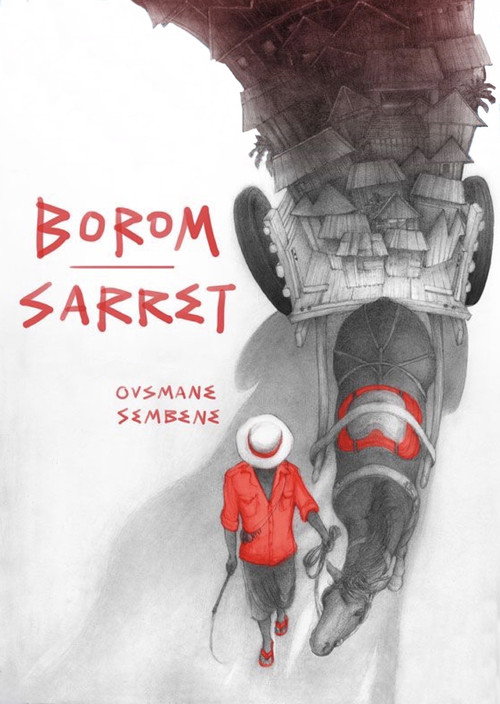
Au milieu des bidonvilles de Dakar déambule un homme conduisant une charrette. En échange d’un peu d’argent, il transporte hommes et marchandises, mais les clients se dérobent souvent avant d’avoir payé.
Le cinéaste sénégalais Ousmane Sembène revient sur sa carrière et évoque la manière dont il a écrit ses films et ses romans. Parmi les sujets abordés figurent également le rôle de l'artiste dans la société et les politiques de décolonisation.
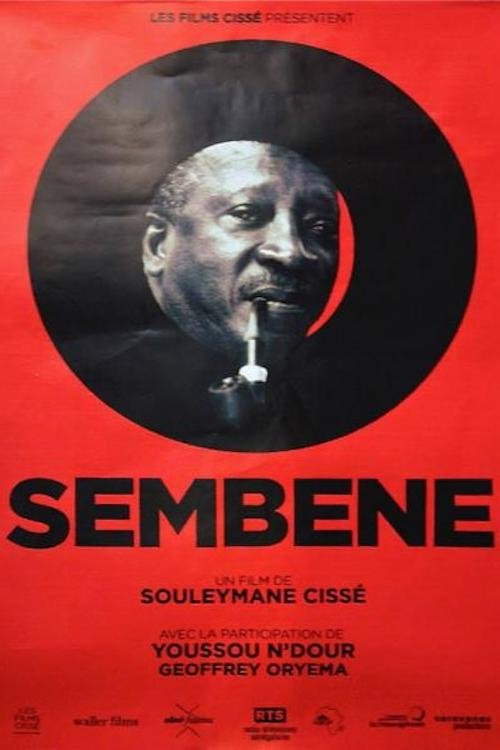
Ce film documentaire propose de faire le portrait de l'homme à travers une œuvre qui se déploie sur quarante ans, une œuvre universelle et pourtant profondément enracinée dans l'histoire de son pays, le Sénégal.