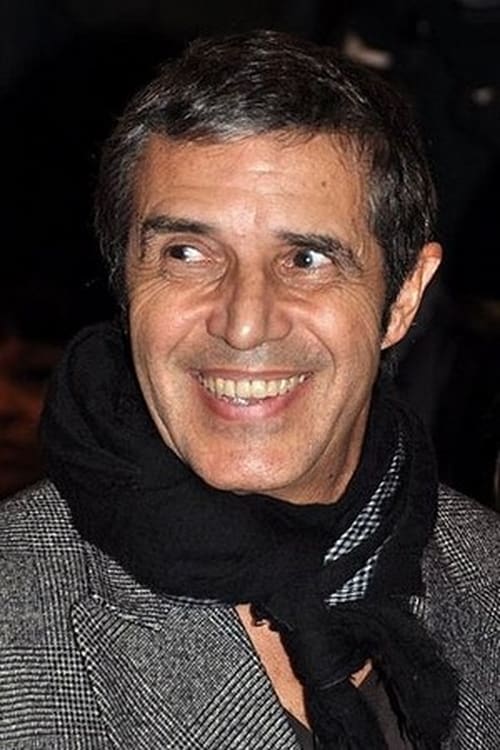
Julien Clerc
Acting
Biography
Paul-Alain Auguste Leclerc (born 4 October 1947), better known by his stage name Julien Clerc, is a French singer-songwriter. He rose to fame with his song "La cavalerie" (1968), that captured the "rebellious essence" of those times and became an anthem of the French youth. Among Clerc's most known songs are "Ce n'est rien" (1971), "Si on chantait" (1972), "Ma préférence" (1978), "Femmes... Je vous aime" (1982), "Mélissa" (1984), "Hélène" (1987), "Fais-moi une place" (1990). Born in the 19th arrondissement of Paris, Clerc grew up listening to classical music in his father Paul Leclerc's home, while his mother Évelyne Merlot introduced him to the music of such singers as Georges Brassens and Edith Piaf. He began to learn the piano at six, and by 13, started to play by ear everything he heard on the radio. During his secondary school and university days, he met Maurice Vallet and Etienne Roda-Gil, two of his main songwriters, and began to compose his first songs. He changed his name to Julien Clerc upon signing a contract with Pathé Marconi, releasing his first album in May 1968. The album went on to win the Académie Charles Cros Record Award. In 1969, Clerc went on the Olympia stage for the first time to open for Gilbert Becaud's concert. Despite having been in show business for only one year, his performance was a great success. He would later return repeatedly to the Olympia for a series of concerts. From May 1969 to February 1970, he starred in the highly successful Paris run of the musical Hair, which increased his profile. By the age of 24, Clerc was a major star and had recorded numerous hits, many of which were sold abroad, translated and distributed in other languages. In 1979, he took part in two new collaborative ventures, singing the title song of the children's musical, "Emilie Jolie" and participating in "36 Front Populaire", a double album musical about a turbulent historical period. Over the years, Clerc's repertoire has ranged from his own compositions to classic French songs like "Comme Hier" by Brassens and "L'hymne à l'amour" by Edith Piaf. He has performed in Africa, the Americas and Europe. In January 1999, Clerc went on stage at the Théâtre des Champs-Elysées and delivered an unplugged acoustic set that was a long way from the rock/pop-based shows that he had been giving his audience for some years. In 2000, he appeared, along with many other artists, in a number of benefit concerts for Restaurants du Coeur, a winter food bank charity. In 2003, Clerc recorded a new album of classic American "standards", in French. On another front, Clerc was named UNHCR Goodwill Ambassador at a ceremony in Paris in November 2003 after working for nearly two years with the agency on various benevolent projects for refugees. In March 2004, he undertook his first field mission to meet with refugees and aid workers in Chad. His mission was documented by Envoyé spécial and was broadcast on a national French TV channel in April 2004. Clerc has five children: daughters Angèle (adopted) and Jeanne Herry with French actress Miou-Miou; daughter Vanille and son Barnabé with then-wife Virginie Coupérie; and son Léonard with Hélène Grémillon, whom he married in 2012. Source: Article "Julien Clerc" from Wikipedia in English, licensed under CC-BY-SA.
Known For
No description available.
Champs-Elysées
No description available.
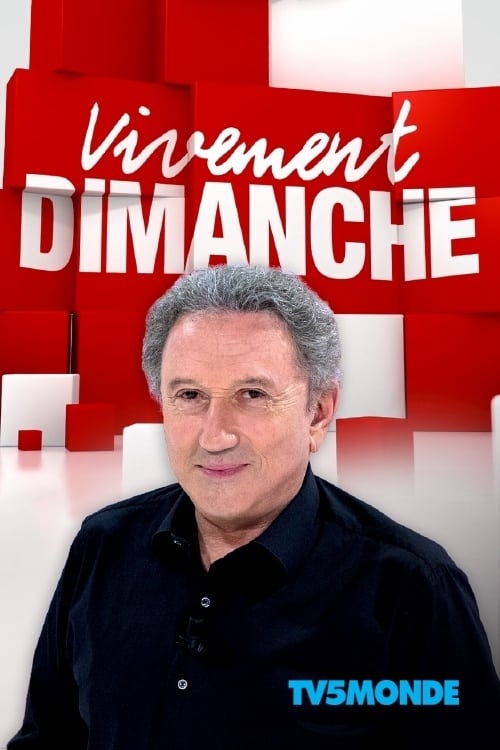
Vivement dimanche

Midi Première is a French variety show presented by Danièle Gilbert, directed by Jacques Pierre and broadcast from January 6, 1975 until January 1, 1982 on TF1. The program was generally broadcast between 12:15 p.m. and 12:55 p.m., then giving way to the 1:00 p.m. TV news. However, the broadcast schedule could change, depending on the guests, and the setting where the recording of the program was shot. Certain performances by artists who have become cult like the one where Ringo jostles with a demonstrator in interpretation (1977), that of Dalida with the title There is always a song with the soundtrack that does not start, twice, at the right speed (1978), Claude François and his Clodettes, who, in the provinces, are unable to join "the set" in order to interpret his song, the latter being taken by the crowd of delirious fans (summer 1977) . The group Supertramp performed there with the title "Dreamer" on March 8, 1975.
Midi Première

No description available.
Sacrée soirée
The show features an interview with a famous personality from the world of politics, economics or culture.
L'Invité

A talk show presented by Michel Drucker
Les Rendez-vous du dimanche

No description available.
Le monde est à vous
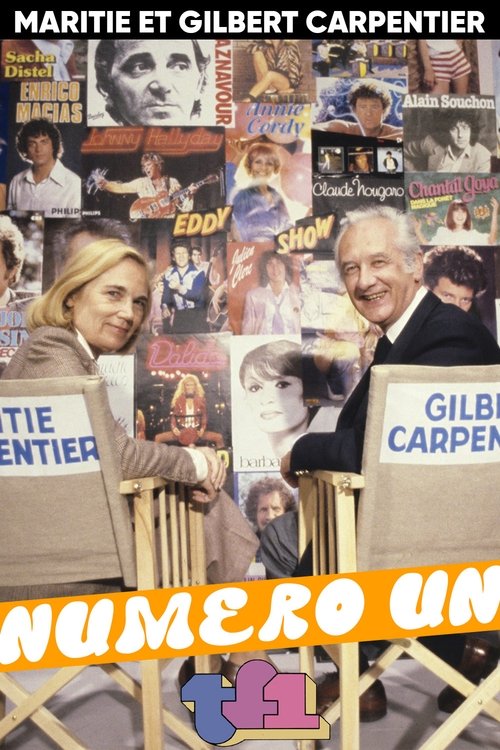
A French variety show.
Numéro un
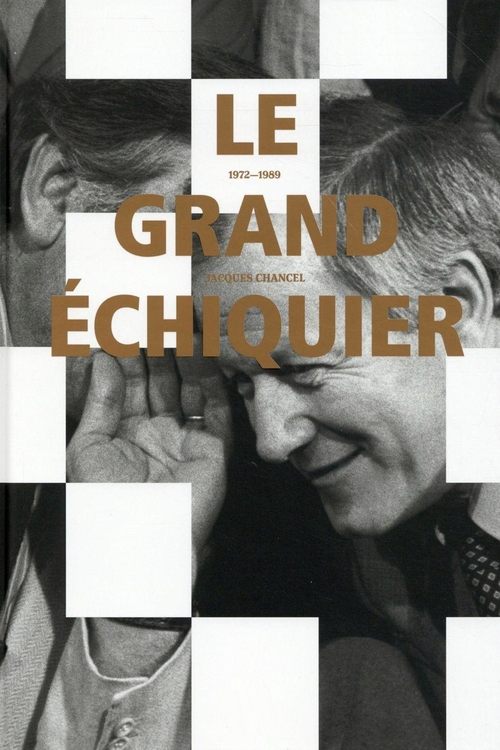
Le Grand Échiquier is a French variety television program created and presented by Jacques Chancel. It aired at 8:30 pm on the first channel of the ORTF from January 12, 1972 to July 12, 1972, then on the second color channel of the ORTF from September 1972 to December 1974, and finally on Antenne 2 from January 1975 to December 21, 1989. The program returned to France 2 on December 20, 2018 and is hosted by Anne-Sophie Lapix.
Le Grand Échiquier
No description available.
La semaine des 4 Julie
No description available.
Midi trente

Every day live on FRANCE 5, Anne-Élisabeth Lemoine and her team receive those who make the news. In the second part, the program welcomes, around a meal prepared by a qualified chef, artists in promotion.
C à vous
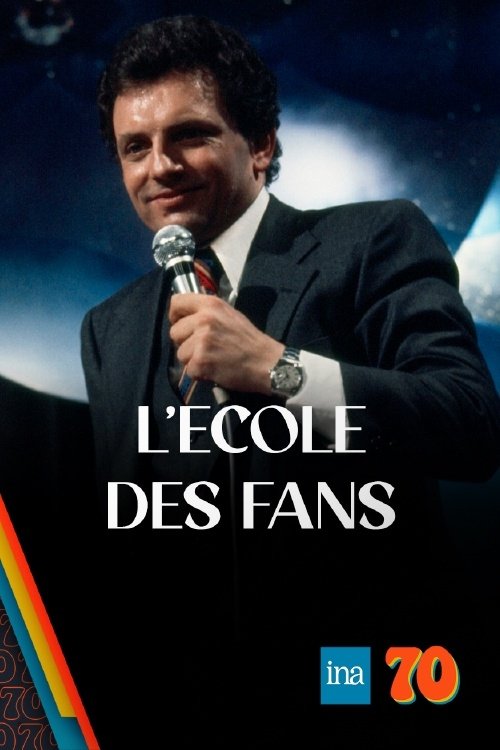
Host Jacques Martin invites different talented children from various backgrounds to showcase their beautiful voices. The participants entertain and wow the audience with their lovely performances.
Fan School

No description available.
Discorama
Taratata was a French TV show showcasing live and pre-recorded footage of current rock acts. Presented by Nagui since its début in 1993, the show was initially shown on France 2. The show often involved surprise and unlikely duets, as well as brief interviews with the artists. Taratata was cancelled in 2000, but returned in April 2005 on the public French network France 4 once a week on prime time, France 3, and late night once a month France 2 and Virgin Radio. Artists including Devendra Banhart, Katie Melua, and Ayo made their French TV debut on the show. The show's chief lighting technician, Jean-Philippe Bourdon, was awarded two Sept d'or in 1994 and 1995. The show featured unique duets and highlights new artists and uses different presenters for each episode. These aspects, and the general emphasis on original music, led the Conseil supérieur de l'audiovisuel to identify Taratata as a uniquely creative show on French TV in April 2009. The show aired throughout Europe on TV5MONDE Europe on Saturday nights. The show is also franchised to Dubai Television in Arabic with an almost identical format to its French counterpart. On 31 May 2013, France Télévisions announced that the show was cancelled. Despite the announcement, the show will continue in a web only format and that a concert will be oragnized at Zénith de Paris on 10 October 2013. The last show was recorded on 13 June 2013 and was broadcast on 12 July 2013.
Taratata
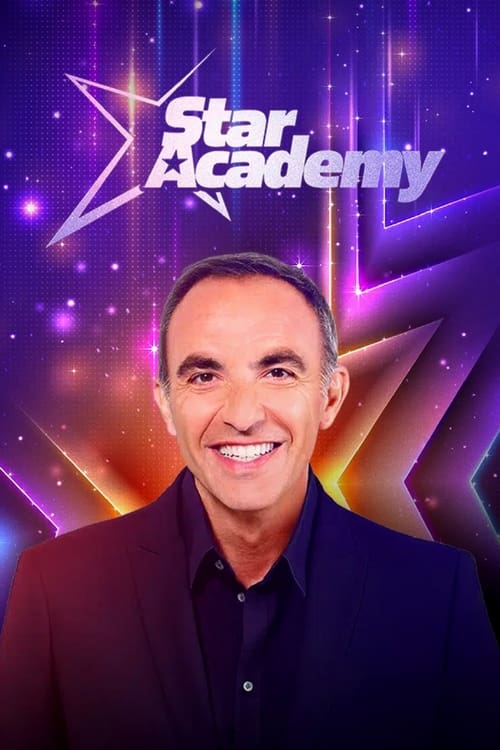
Star Academy is a French reality television show produced by the Dutch company Endemol. It consists of a contest of young singers. It spawned an equally successful show in Quebec called Star Académie. It is broadcast on TF1. At the end of each season, selected contestants would go on tour around France, Morocco, Switzerland, Belgium, Tunisia, and other French-speaking countries.
Star Academy

No description available.
Victoires de la musique
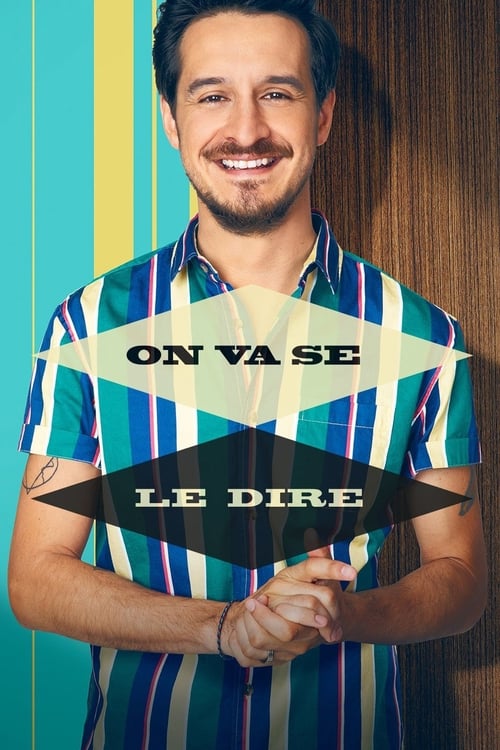
Host Sébastien Diaz, known for his curiosity, is interested in absolutely everything that's going on in the world. At the rate things are changing, every day brings surprising new trends, unusual developments and contradictory social movements. Sébastien is joined by regular contributors and invites various celebrities to talk about the hottest topics in this modern round table.
On va se le dire

No description available.
En direct de l'univers
No description available.