Acting
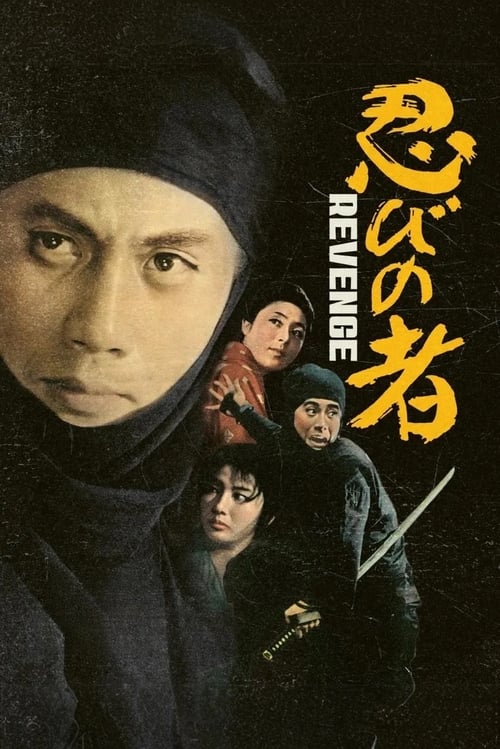
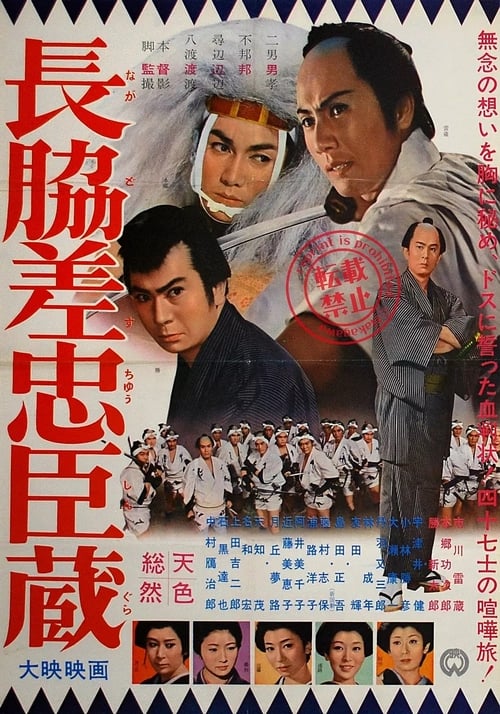
[Period covered: 1582-1594]. As the film opens, the warlod Nobunaga Oda rides to Iga Ayanokuni shrine. He is asked if he thinks he has destroyed all the ninja who opposed him and answers that he suspects that there may be more. A servant brings water and tests it first. The paige dies and we hear gunshots as two ninja flee the scene. His suspicions confirmed, Nobunaga oversees the execution of captured ninja and decides that, in the future, he needs a much crueler method of execution. The daimyo Hideyoshi comes to visit.
A story loosely based on the affair between Empress Kōken-Shōtoku and the monk Dōkyō, set during the Nara period (710–794 A.D.).
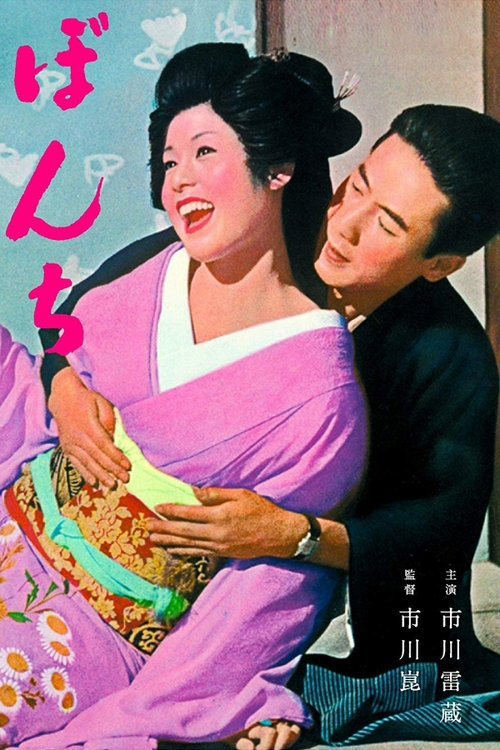
Kikuji is the scion of an Osaka merchant family whose traditional power is matrilineal. Instructed by his overbearing mother and grandmother to give them an heiress for the family business, he stands by helplessly as his wife is thrown out of the house for producing a son. Driven to a life of dissipation - his mistresses also fail to produce daughters - in the end he is just too tired to care.
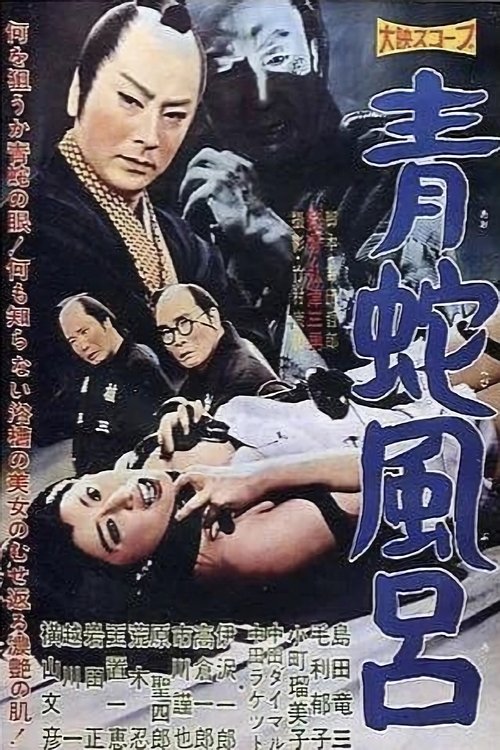
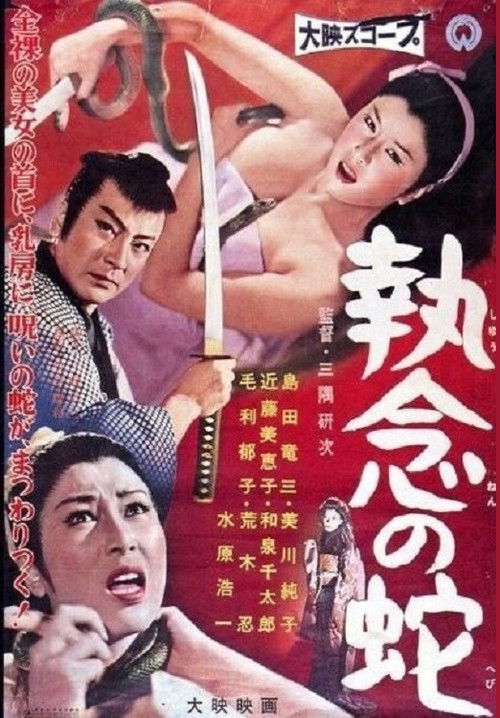
Last part of the Snake Woman trilogy.
Follows the murder of a money-lending masseur by an impoverished samurai. The slain masseur's daughter will also fall victim to his curse, so that she can become empowered as an agent of her father's vengeance.
During the reign of Shogun Hidetada, both Hirate Musashi and Okamoto Musashi strive to become the finest swordsman in the land by defeating the Yagyu clan's top instructors and then taking on Sasaki Kojiro!
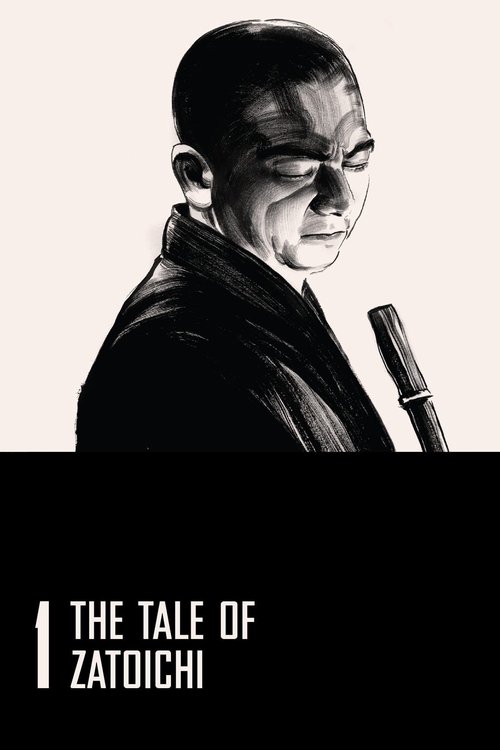
The adventures of a blind, gambling masseur and master swordsman. Zatoichi targets a yakuza-controlled village, because war with a neighbouring town's smaller gang is brewing.
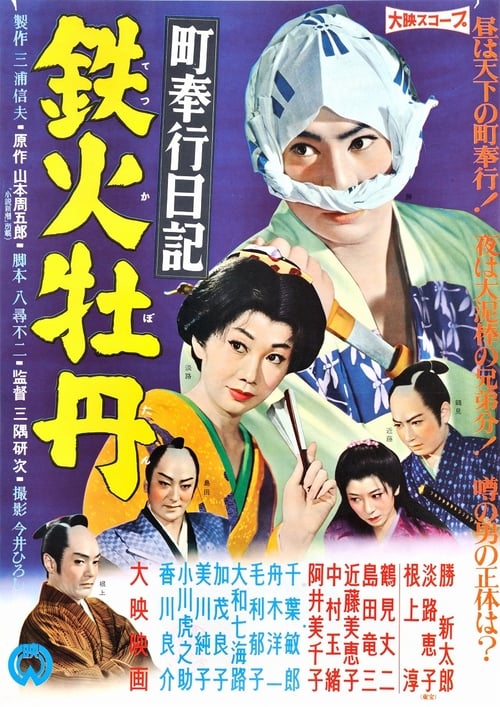
No description available.
Utaji heard that her ex-lover Seijirou would get married to Ochiyo a daughter of Ise-ya. She murdered Ochiyo and took over the Ise-ya's shop with Hikoroku a head clerk of Ise-ya. Moreover Utaji killed Hikoroku. But...
1962 Japanese movie
Legendary yakuza Shimizu Jirocho and his 28 henchmen travel the unruly path from a 'Fire Festival' in Akiba to a decisive battle by the Fujigawa.
1961 Japanese movie
An Indian prince leaves his world of comfort and riches behind to wander and meditate for six years in search of spiritual enlightenment. Siddartha (Cojoin Hong) turns his back on the old religion when people are starving needlessly and holy rituals include human sacrifices. During his meditations, he is tempted by erotic dancing women, demons, and the evil machinations of his criminal cousin. Devastate to attain the spiritual perfection and become the Buddha. He travels to convert followers by his kindness and wisdom, gaining a multitude of believers when he stops an elephant from crushing a local priest. Buddha of course goes on to become one of the great religious leaders of the world.
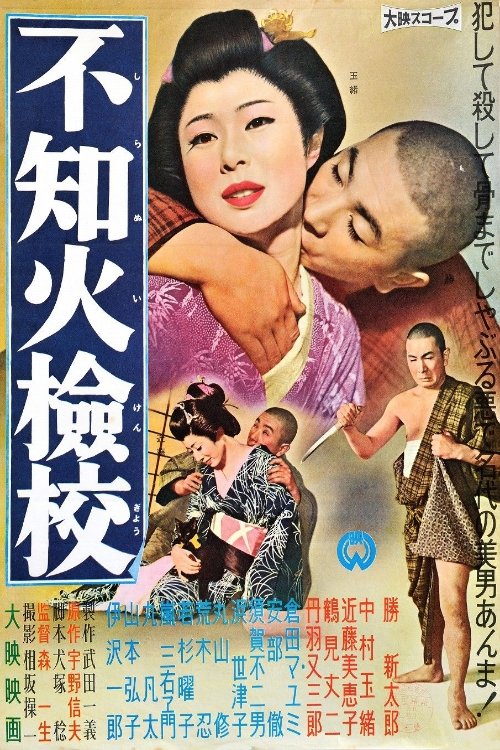
This is the story of a blind masseur who tricks people, steals, and kills; he is the anti-Zatoichi.
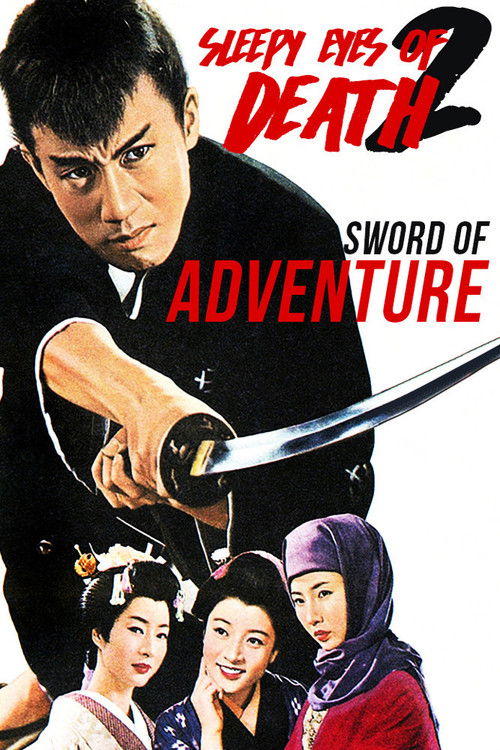
Wandering samurai Nemuri Kyoshiro (Raizô Ichikawa) finds a bulls-eye on his back after befriending the shogunate's tightfisted financial adviser, Asahina, who's earned the wrath of the shogun's self-indulgent daughter for cutting off her allowance. The enraged princess promptly hatches a scheme to have Asahina bumped off -- along with his protector, Kyoshiro. Shiho Fujimura also stars in this installment of the enormously popular film series.
The film won 1959 Blue Ribbon Awards for best actor Raizo Ichikawa and for best cinematography Kazuo Miyagawa. The film also won 1959 Kinema Junpo Award for best actor Raizo Ichikawa.
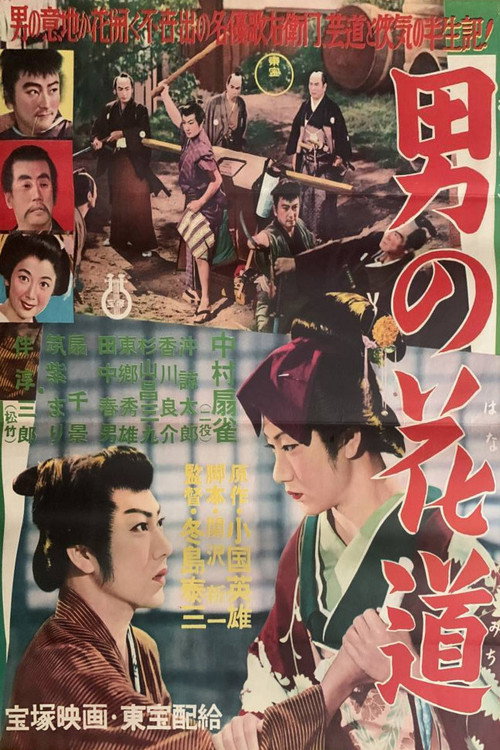
In the eleventh year of the Tenpō era, the Kawarazaki-za theater in Edo buzzed with excitement for a new production of "Kanjinchō" by Naritaya, featuring music by the master Kineya Rokusaburō. However, Naritaya's requests to change some of Rokusaburō's most painstakingly crafted parts of the composition angered his disciple, Shinjirō, leading to a conflict and Shinjirō's abandonment of the shamisen. One day, Shinjirō was captivated by the mysteriously beautiful dance of Oaki, a traveling performer's daughter, who seemed to be channeling her art into a form of revenge.