MilleFeuille
Directing
Biography
MilleFeuille confections pre-existing, found footage into metaphors about ambient cruelty and decadent melancholia. Clips of random daily life are recast as scenes imbued with mythic allusions, and familiar locations are transformed into paradoxical spaces. The intention is not to subsume the original footage and its first context into a singular narrative or message, but rather to inhabit the slippery terrain of found-footage multivalence. MilleFeuille is named after a famous 'thousand leaves' pastry whose origin is unknown because like windblown leaves drifting over lands and through time, the 'thousand leaves' pastry is an eternal remix. MilleFeuille's name illustrates both their work process and their disregard for conventional ideas of authorship.
Known For
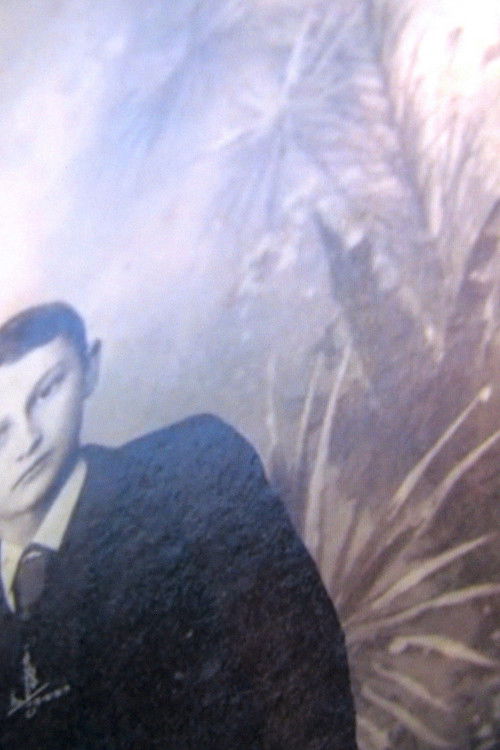
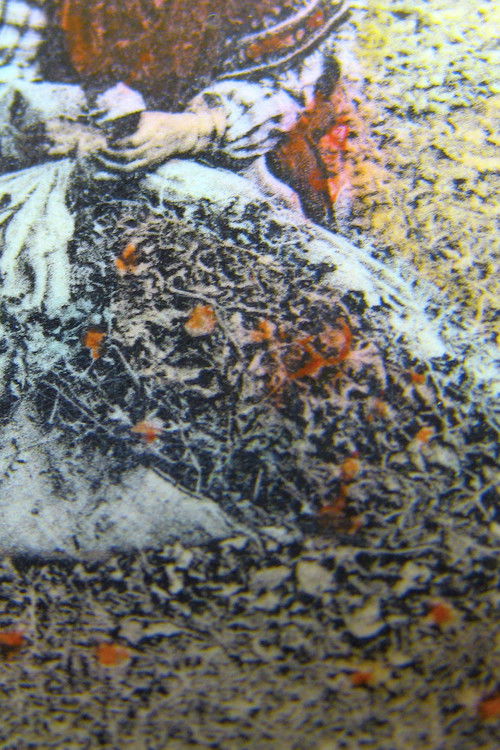
Interrogations of patricide offenders, footage of vandalised statues, and photographs of Victorian children in faux gardens are interwoven into a metaphor for the perverse legacy of privilege and wealth inherited by those who inhabit The Garden.
Papa Is in the Garden
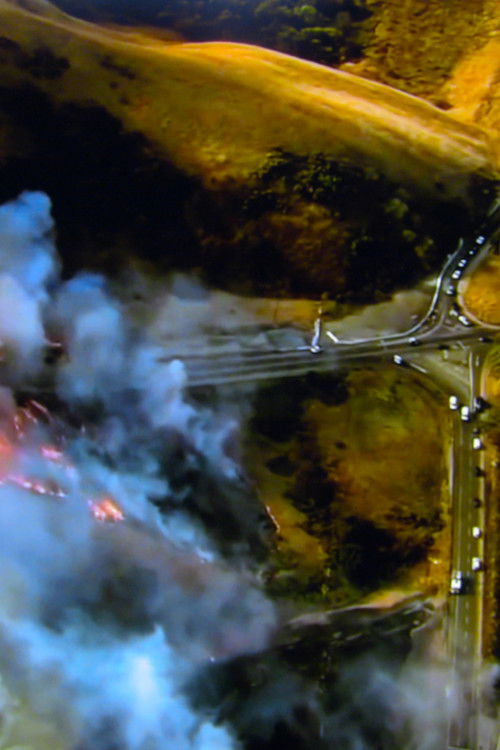
Surveillance helicopters and the police chase astral travellers. Astral Pegasus is part of the anthology ‘I Went to a Party Alone’ in which YouTube vlogs of random daily life are recast as scenes imbued with mythic allusions. When the hard cuts and juxtapositions reveal a landscape of oppressive social control, the vloggers’ mundane normal soon gives way to the surreal. Surveillance helicopters chase astral travellers; child hunters look through scope-cam rifles to aim for the heart; 'unboxing' and 'apartment tour' vlogs conjure containment and borders; a 'drive with me' transforms into sousveillance. Seemingly innocuous recordings about shopping, driving or dating are fraught with foreboding as the vloggers who yearn for freedom, love and self-expression find themselves unable to escape society’s haunting bondage.
Astral Pegasus
Empty box-like apartments and shipping containers evoke the border crossing vampire who travels in a coffin. Unboxing Nosferatu is part of the anthology ‘I Went to a Party Alone’ in which YouTube vlogs of random daily life are recast as scenes imbued with mythic allusions. When the hard cuts and juxtapositions reveal a landscape of oppressive social control, the vloggers’ mundane normal soon gives way to the surreal. Surveillance helicopters chase astral travellers; child hunters look through scope-cam rifles to aim for the heart; 'unboxing' and 'apartment tour' vlogs conjure containment and borders; a 'drive with me' transforms into sousveillance. Seemingly innocuous recordings about shopping, driving or dating are fraught with foreboding as the vloggers who yearn for freedom, love and self-expression find themselves unable to escape society’s haunting bondage.
Unboxing Nosferatu
A found-footage détournement of retail-theft surveillance, in which the criminalizing gaze of the surveillance footage is subverted by recasting capitalism as an abusive, carceral parent. Quotes transcribed from YouTube creators, who were kicked out of their homes as teens, are repurposed to ‘speak back’, buttressed by ‘poor’ low-resolution videos of stealing. Hansel and Gretel Get Kicked Out allegorizes capitalism as an abusive parent by reconfiguring dissociated internet clips into a unified chorus of forlorn rage. Music from Flowers of Romance by Michel Henritzi.
Hansel and Gretel Get Kicked Out

In a quiet residential neighbourhood, the tension between domestic, wild and work animals is caught on home security camera, recorded through windows and souvenired in old postcards. A found-footage piece made as a reaction to the internet's obsession with pets, The Kittens' Tea Party allegorizes speciesism. [ & alludes to home invasion fear, nature’s revenge, settler colonialism ]
The Kittens' Tea Party
a disruption of the bully's gaze & voice . Viral videos of drive-thru workers—recorded by surveillant, managerial consumers—are reimagined as portraits embodying the tension between the mundane and the theatrical. Named after the real-life woman in Manet's painting A Bar at the Folies-Bergère, this found-footage montage references visual elements and ideas in the painting. Aureoles of light venerate workers, renouncing the distinction between high and low art in portraiture; incongruous settings are interwoven to reflect on the shifting sensibilities from analogue film to digital media, and to frame questions about the roles of filmmaker and audience; undulating textures evoke the generative potential of the iconic drive-thru to create new meanings.
Suzon
“On the most basic of levels, Drive with Persephone recasts the ancient myth of Persephone's abduction in the language of YouTube 'drive with me' vlogs. On closer inspection, the work is so much more, perhaps above all in its compassionate register of the perils and exultations of adolescence, and the wisdom and cruelty of old age. A timely, potent rumination on the enduring, immutable cycle of life and death, MilleFeuille's video confronts—with a mixture of stoicism and defiant hope—the unmooring of social life in our apparently hyper-connected world.” description written by Greg Cohen, Festival of (In)Appropriation
Drive with Persephone
Child hunters look through scope-cam rifles to aim for the heart in a found-footage portrait of love told through YouTube vlogs of relationship breakups and psycho exes. Cupid’s Fever is part of the anthology 'I Went to a Party Alone' in which YouTube vlogs of random daily life are recast as scenes imbued with mythic allusions. When the hard cuts and juxtapositions reveal a landscape of oppressive social control, the vloggers’ mundane normal soon gives way to the surreal. Seemingly innocuous recordings are fraught with foreboding as the vloggers who yearn for freedom, love and self-expression find themselves unable to escape society’s haunting bondage. MilleFeuille's intention is not to subsume the original footage and its first context into a singular narrative or message, but rather to inhabit the slippery terrain of found-footage multivalence.