Camera
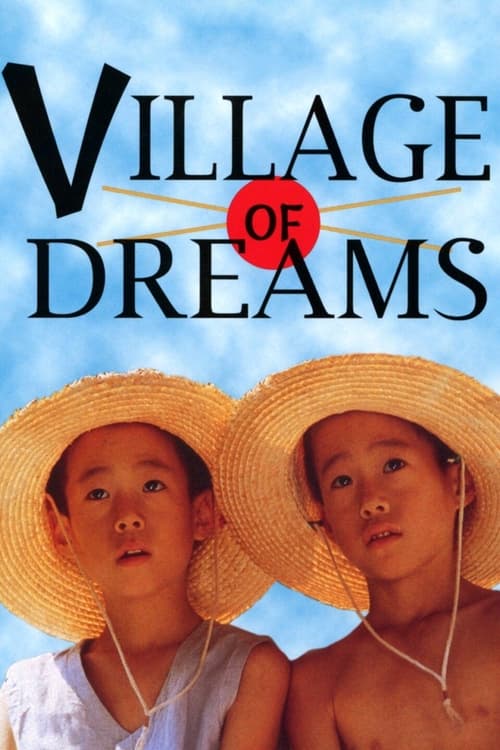
Tells of the childhood of two nine-year-old twins in a rural village in Japan after World War 2. Includes the boys relationships with their schoolteacher mother, civil servant father, elderly landlord, a rough new boy at the school, and three mysterious spirits in the form of old women.
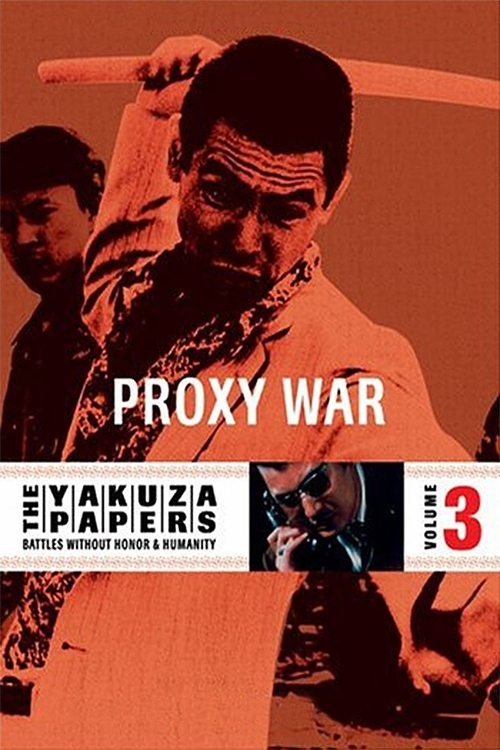
Shozo Hirono has managed to separate from the Yamamori family and create his own small family, and extend his circle of acquaintances. These new friendships include a powerful underboss of the Muraoka family, Noboru Uchimoto.
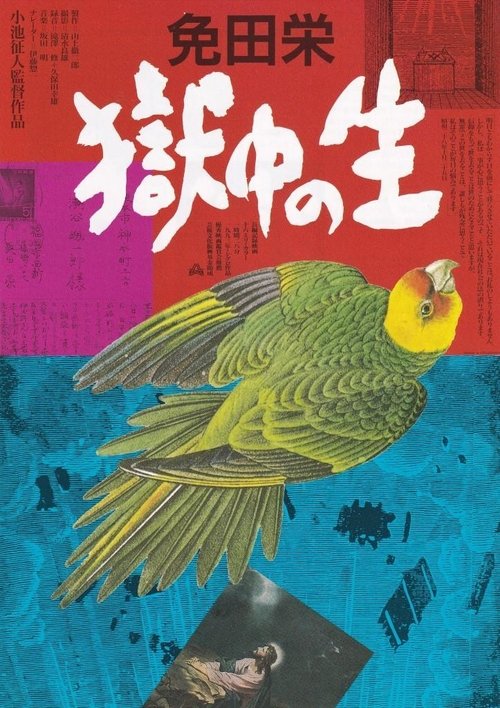
A documentary about Menda Sakae, a man who was wrongfully imprisoned for 34 years.
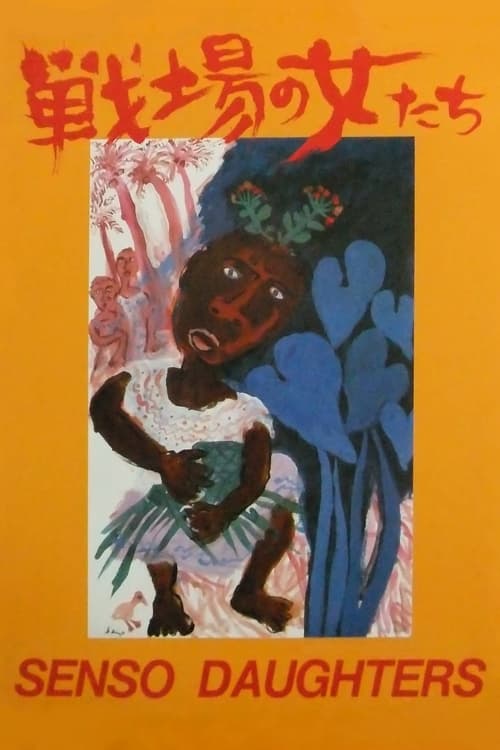
Senso Daughters focuses on the legacy of the Japanese occupation of Papua New Guinea during the Second World War. It is a legacy that arises from rape, starvation and terror. Sekiguchi's documentary lets the residents of Papua New Guinea, especially the women, tell the story of their three years under Japanese Army rule.
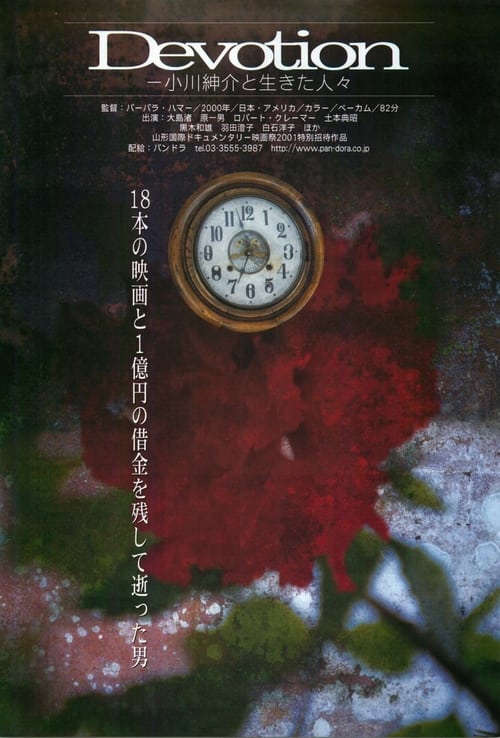
Devotion investigates the extremely complex and heirarchical relationships among a committed group of Japanese filmmakers who dedicated up to 30 years of their lives making films for one man-Ogawa Shinsuke. Members of Ogawa Pro filmed the student movement of the late 60's; the fight by farmers to save their land from government confiscaton for the Narita airport at Sanrizuka; and the village life of a small farming community, Magino Village, in northern Japan. These heartbreaking and sometimes funny stories have never been told on film before. Rare footage, stills, and diaries with interviews with Oshima Nagisa, Hara Kazuo and Robert Kramer make this historical inquiry visually exciting as well as valuable.
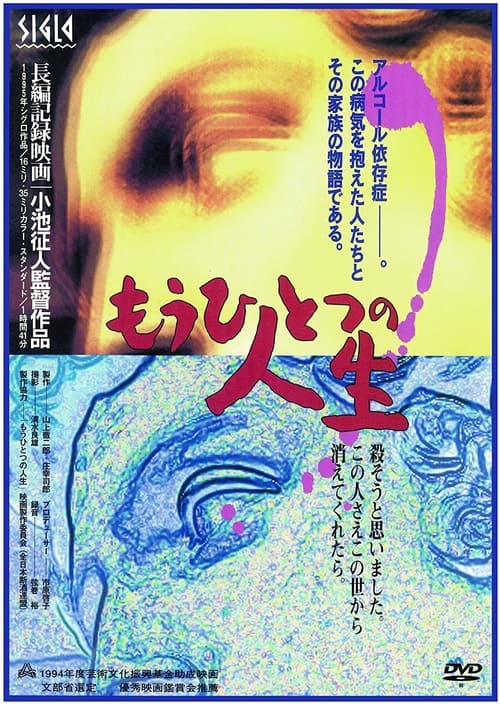
Centers on a support group for alcoholics and their families
No description available.
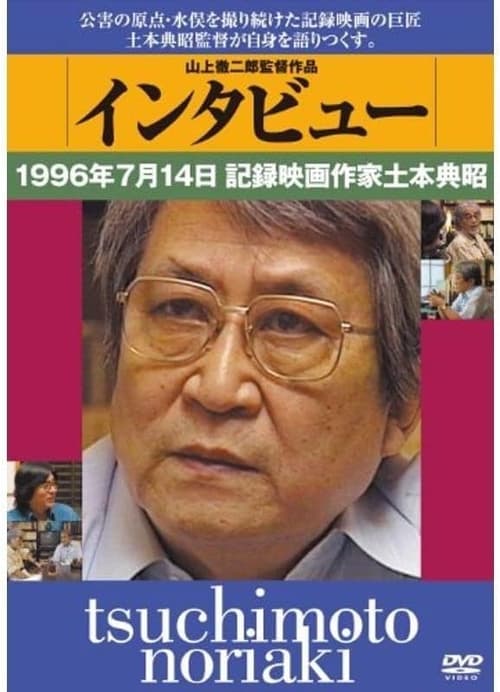
Noriaki Tsuchimoto, a documentary filmmaker known for his series films on Minamata disease, travelled to Afghanistan in 1988 for the production of the film "Afghan Spiring", during which he developed alcoholism. In 1996, after several years of hospitalization and treatment, he accepted a long interview with his close friends, cameraman Koshiro Otsu and producer Tetsujiro Yamagami.
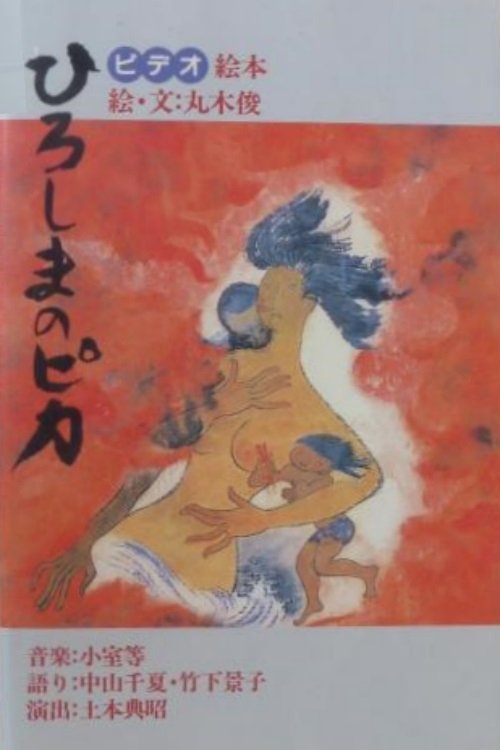
Video version of the picture book 'Hiroshima no pika', based on the art pieces known as The Hiroshima Panels by Iri and Maruki Toshi
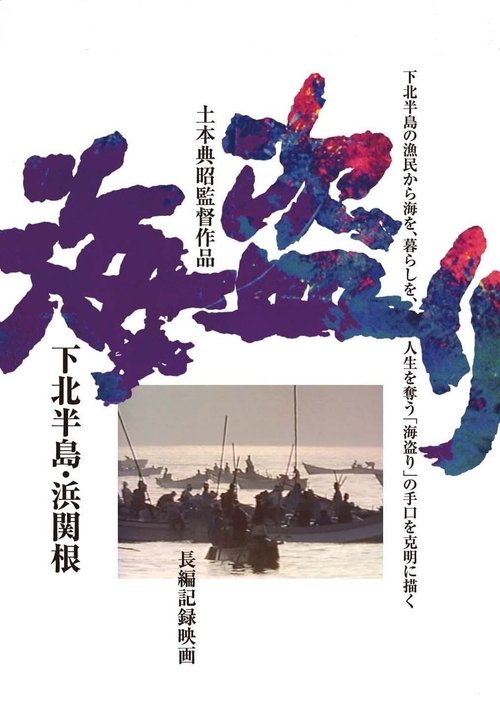
Umitori takes place in Shimokita Peninsula on the northern edge of the mainland, which was becoming a “nuclear energy peninsula”, undergoing tremendous development and serving as the home port for Mutsu, a nuclear-powered ship. Focusing on the fishermen and their stories, Tsuchimoto and his crew made their subject matter the “theft of the sea” perpetrated by giant business conglomerates. While the fishermen of Minamata were obvious victims of the mercury-poisoning tragedy, the fishermen in Shimokita were inadvertently becoming the permanent victims of another announced tragedy. Tsuchimoto interviews the fishermen, especially focusing on a stage play actor and his boat-owner family, establishing, as it became his practice, a complex reflection about the threat brought to small communities by the forces of “progress”.
Portrait of Japanese youth. Produced for the Japan Foundation.
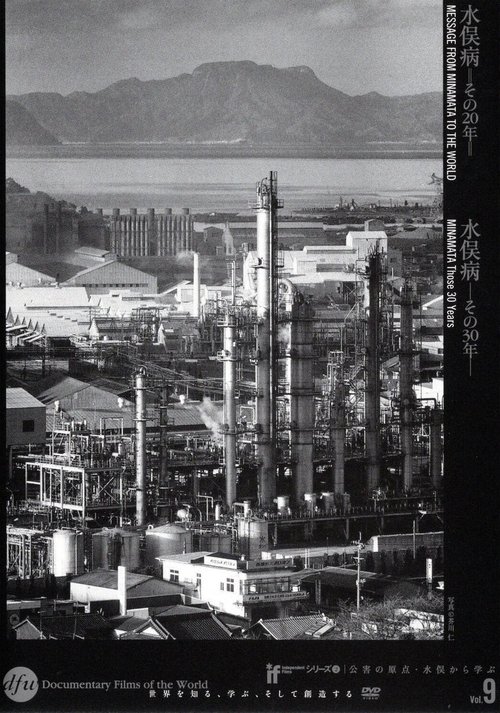
A record of the stories of patients suffering from Minamata disease, 30 years after its discovery
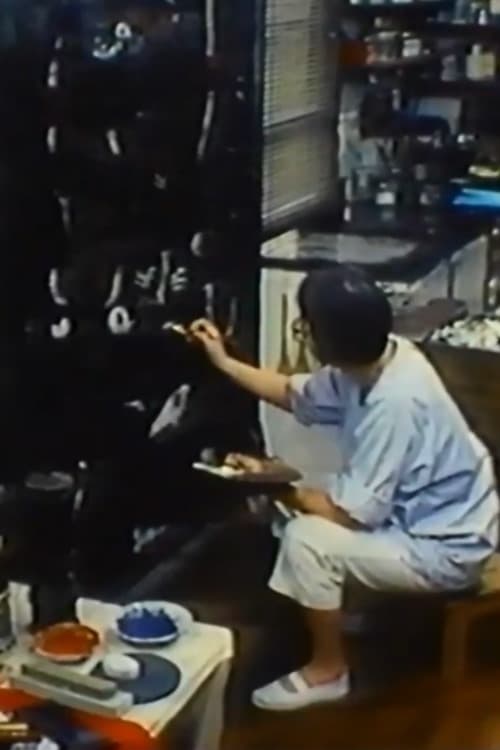
Having spent her childhood in Dalian and Harbin in the former state of Manchukuo, Taeko Tomiyama carried within her the conviction: “As an Asian, as a woman, I will begin from the margins of beauty.” Noriaki Tsuchimoto, on the other hand, directed numerous films related to Minamata disease. He confronted the suffering of pollution victims head-on, continuing to convey the harshness of life with unflinching clarity. In an interview, Tsuchimoto once remarked: “Within Tomiyama’s narrative world lies something that could be called her eros, her utopia, her aesthetics of liberation. Why does she persist in creating such dark lithographs on the themes of Chikuho and Korea? And how is it that, while doing so, she can also simultaneously depict a world of such beauty?” This film not only reveals the allure of the lithographs themselves, but also centers on the dialogue between Tsuchimoto and Tomiyama. It is a portrait of two comrades, earnestly pursuing the meaning of artistic expression.