FEEL IT.STREAM
?

Yoshio Shimizu

Camera

Known For

Bursting Balsam Flower: My Chikuho, My Korea

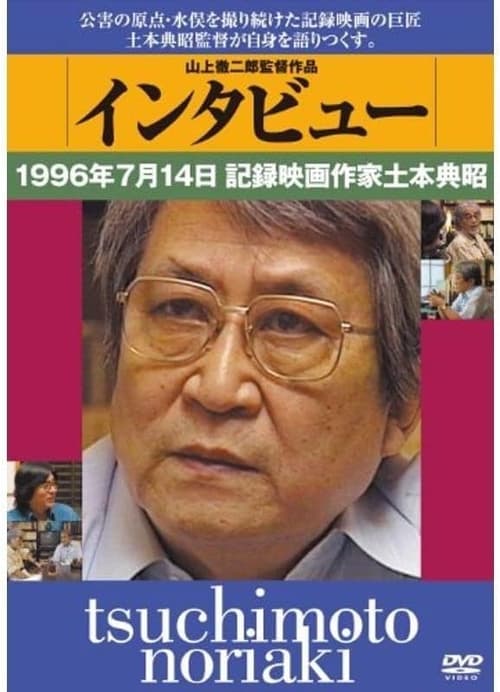
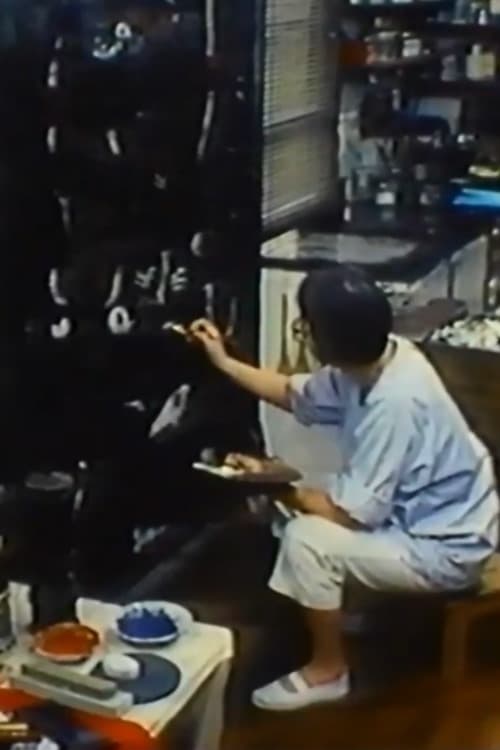
Having spent her childhood in Dalian and Harbin in the former state of Manchukuo, Taeko Tomiyama carried within her the conviction: “As an Asian, as a woman, I will begin from the margins of beauty.” Noriaki Tsuchimoto, on the other hand, directed numerous films related to Minamata disease. He confronted the suffering of pollution victims head-on, continuing to convey the harshness of life with unflinching clarity. In an interview, Tsuchimoto once remarked: “Within Tomiyama’s narrative world lies something that could be called her eros, her utopia, her aesthetics of liberation. Why does she persist in creating such dark lithographs on the themes of Chikuho and Korea? And how is it that, while doing so, she can also simultaneously depict a world of such beauty?” This film not only reveals the allure of the lithographs themselves, but also centers on the dialogue between Tsuchimoto and Tomiyama. It is a portrait of two comrades, earnestly pursuing the meaning of artistic expression.

Bursting Balsam Flower: My Chikuho, My Korea

1984Movie
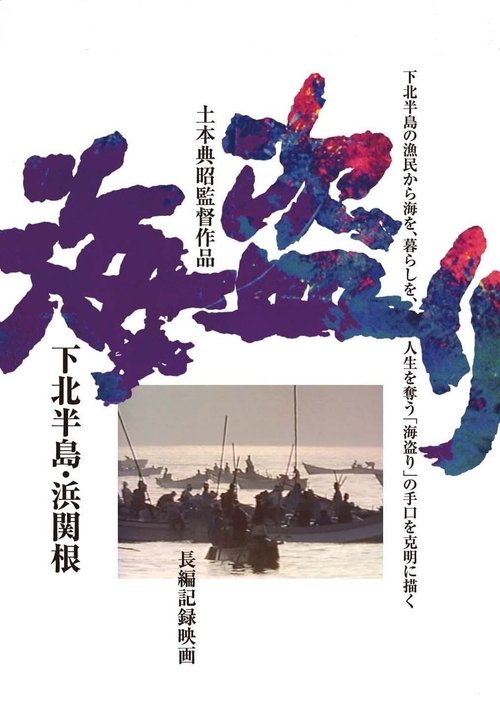
The Stolen Sea

Umitori takes place in Shimokita Peninsula on the northern edge of the mainland, which was becoming a “nuclear energy peninsula”, undergoing tremendous development and serving as the home port for Mutsu, a nuclear­-powered ship. Focusing on the fishermen and their stories, Tsuchimoto and his crew made their subject matter the “theft of the sea” perpetrated by giant business conglomerates. While the fishermen of Minamata were obvious victims of the mercury­-poisoning tragedy, the fishermen in Shimokita were inadvertently becoming the permanent victims of another announced trag­edy. Tsuchimoto interviews the fishermen, especially focusing on a stage play actor and his boat­-owner family, establishing, as it became his practice, a complex reflection about the threat brought to small communities by the forces of “progress”.

The Stolen Sea

1984Movie