Acting
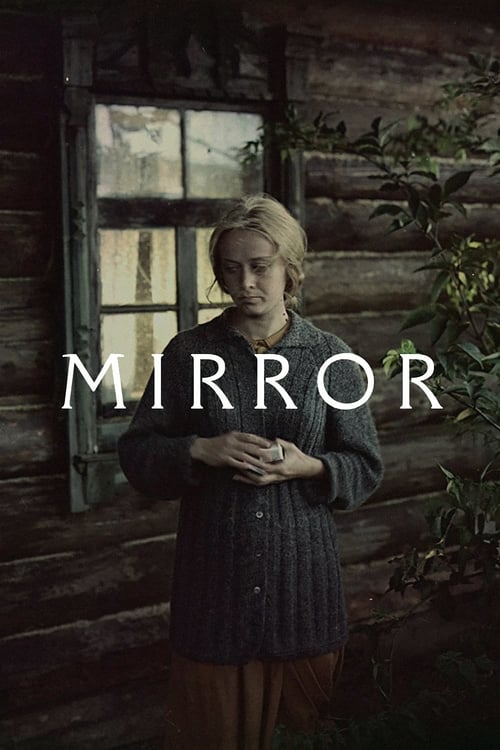
A dying man in his forties recalls his childhood, his mother, the war and personal moments that tell of and juxtapose pivotal moments in Soviet history with daily life.
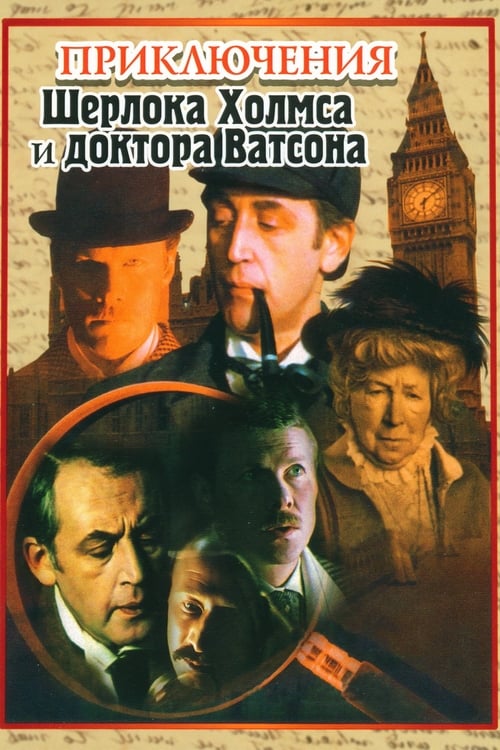
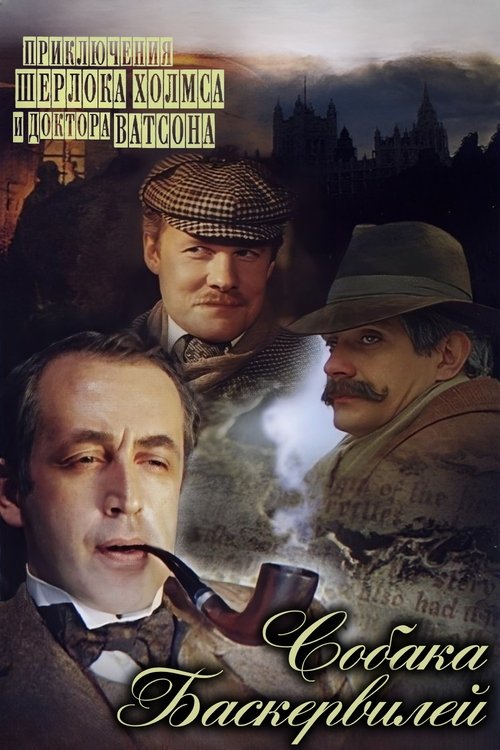
The Adventures of Sherlock Holmes and Dr. Watson is a series of five films produced by Lenfilm for the Soviet Central Television, split into eleven episodes, starring Vasily Livanov as Sherlock Holmes and Vitaly Solomin as Dr. Watson. They were directed by Igor Maslennikov and filmed in Russia (the then Soviet Union) between 1979 and 1986, and the series was one of the most successful in the history of Russian television.
Detective television series based on the works of Arthur Conan Doyle. Five films about Sherlock Holmes, shot by Igor Maslennikov earlier, were remounted in 2000, a connecting story about Conan Doyle's literary secretary, Mr. Wood, who is preparing an anniversary collection of stories about Holmes for the beginning of the coming XX century. Sir Arthur receives huge mail every day, addressed not to him, but to Sherlock Holmes. And then one day a letter arrives with a plea for help, and Doyle begins an investigation...
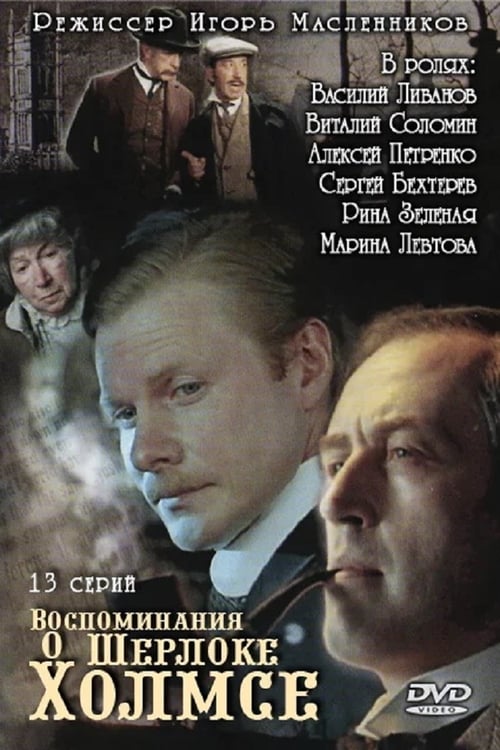
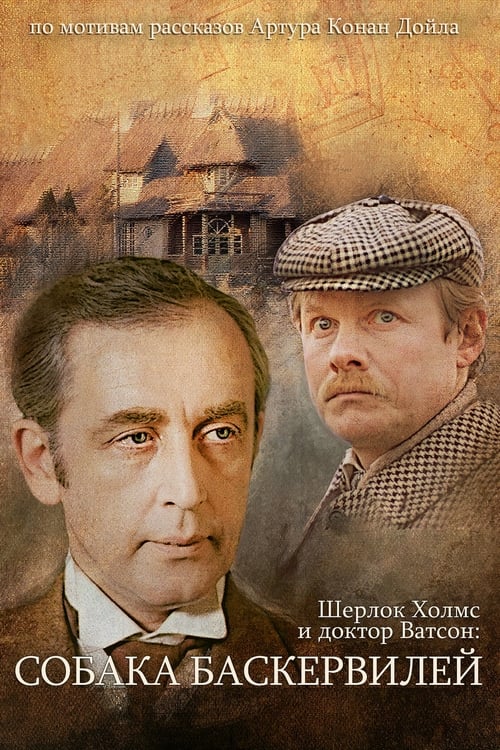
The third part of the Soviet TV series based on the works of Arthur Conan Doyle about Sherlock Holmes. The events of the film take place in 1889. The country doctor Mortimer comes to Sherlock Holmes and Dr. Watson, who visited the detective's apartment the day before in his absence and forgot his cane there. Mortimer tells the legend of the Hound of the Baskervilles, a hellish hound that has been haunting the Baskerville family from Devonshire for several centuries, and reports the mysterious death of Sir Charles Baskerville, the owner of the Baskerville Hall estate. The newspapers write that Charles Baskerville's death was caused by a heart attack, allegedly he was very unwell, but Mortimer does not believe a single word of them, since he found tracks of a huge dog not far from the body of the deceased.
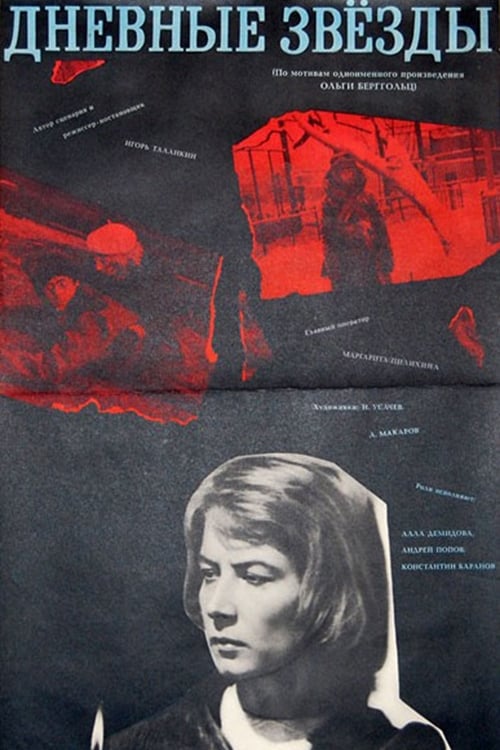
A female poet and author faces the harsh realities of a besieged Leningrad. Based on Olga Berggolts' memoir of the same name.
The Hound of the Baskervilles is a 1981 Soviet film adaptation of Arthur Conan Doyle's novel The Hound of the Baskervilles. It was the third installment in the TV series about adventures of Sherlock Holmes and Doctor Watson. A potent streak of humour ran through the film as concerns references to traditional British customs and stereotypes, ensuring the film's popularity with several generations of Russophone viewers. Other features of this best entry in the series include excellent exterior shots which closely match the novel's setting in the Dartmoor marshland, as well as an all-star cast: in addition to the famous Livanov -Solomin duo as Holmes and Watson, the film stars the internationally acclaimed actor/director Nikita Mikhalkov as Sir Henry Baskerville and the Russian movie legend Oleg Yankovsky as the villain Stapleton.
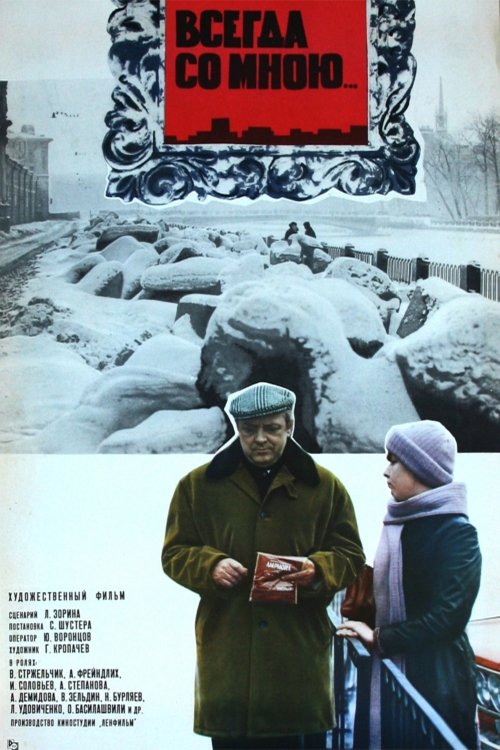
The famous scientist, academician and art critic Andrei Ilyin, who survived with the Hermitage staff the harsh trials of the Leningrad blockade, returned to his hometown after many years. The whole life of Ilyin is connected with Leningrad. A life that in the distant years of World War II would have seemed to have no future, but which, despite the unbearable horror of hunger and devastation, continued only in the name of the future ...
No description available.
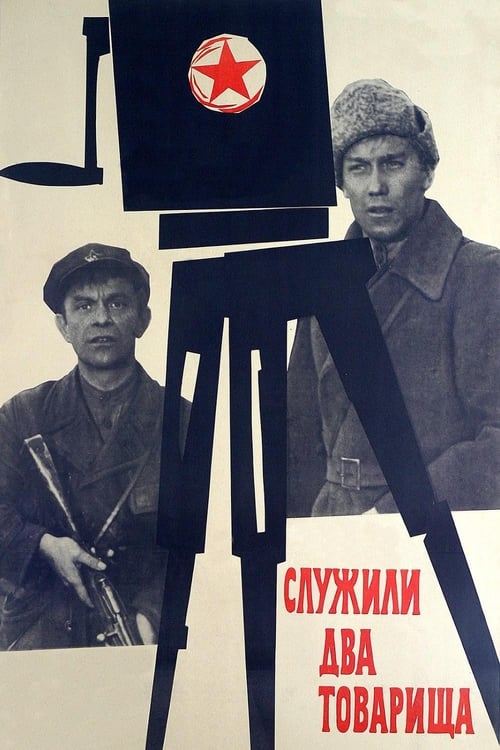
Set during the last days of the civil war that followed the Russian Revolution. The Crimea Peninsula is the last stronghold of the White Guard, and the Red Army is planning the final assault. The first story line of the movie follows two Red Army soldiers: unlikely friends Nekrasov and Karyakin. The second story line is about a White Guard officer Brusentsov who is devoted to Russia and his cause but sees it being destroyed day by day.
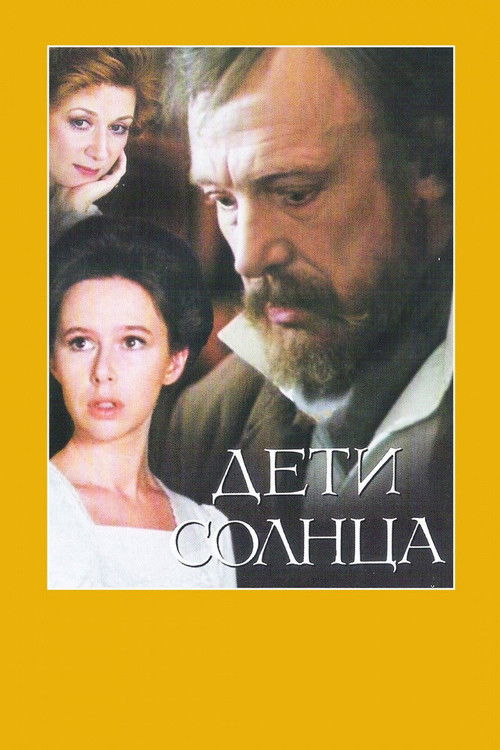
The family of Russian intellectuals during the first Russian revolution is faced with a "cholera riot". One of the characters commits suicide, another goes mad, the third suffers from unrequited love.
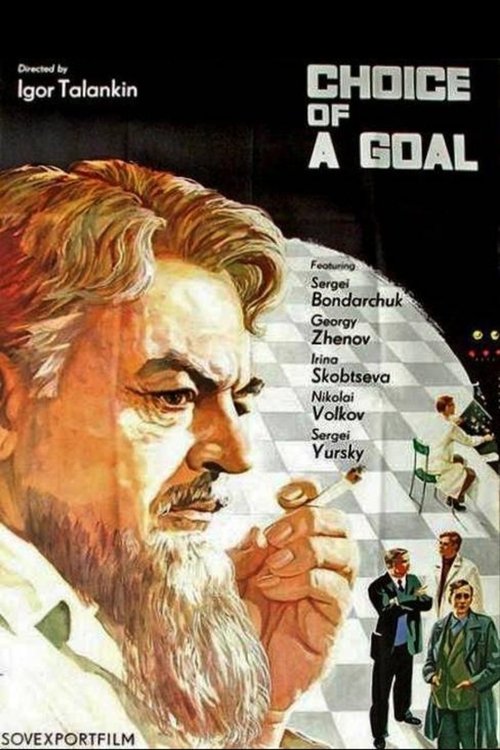
A story of Igor Kurchatov - a father of Soviet nuclear weapons.
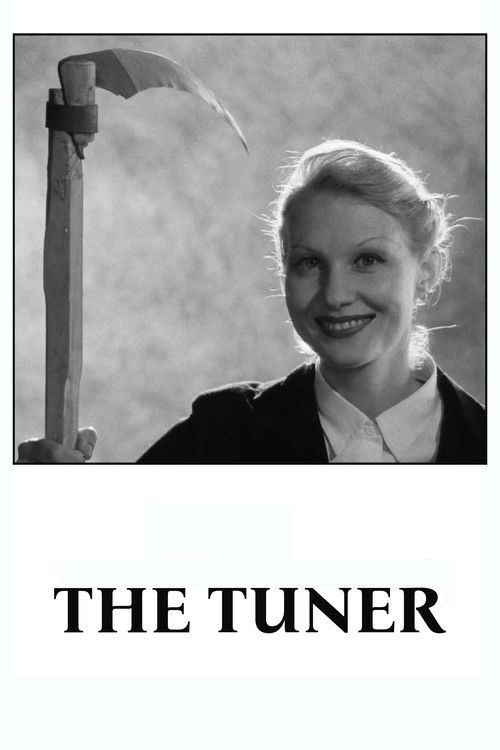
A young piano tuner befriends two rich old-ladies, and plots, with the help of his girlfriend, to betray their trust and steal from them.
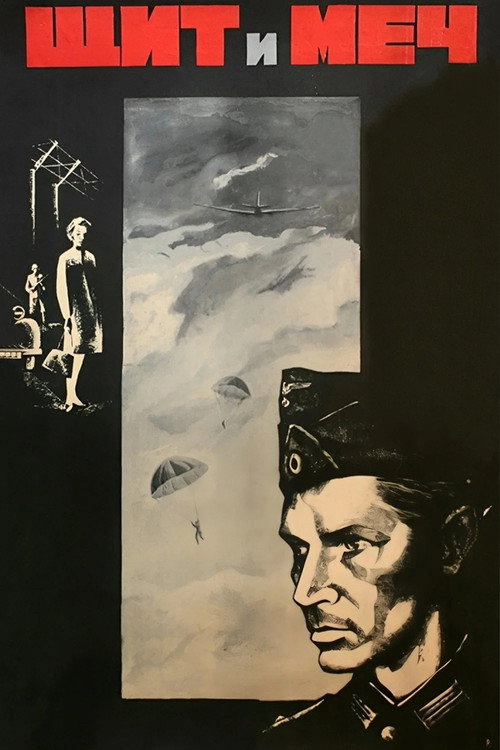
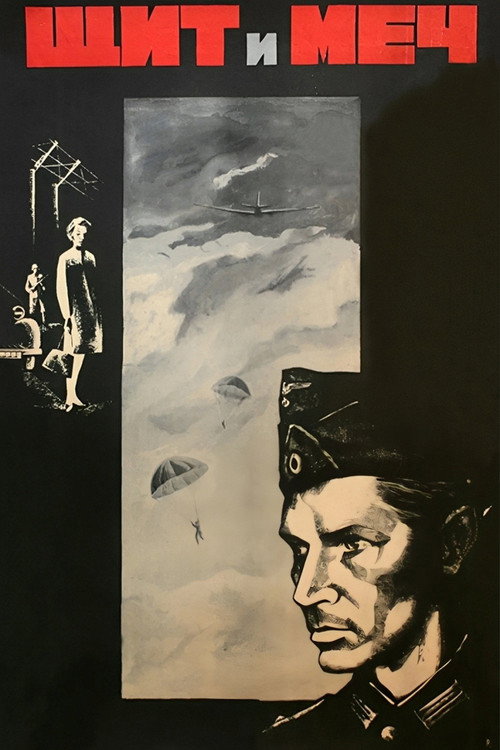
The year is 1940 and Nazi Germany is at the height of its military prowess, having captured most of Europe and eyeing the Soviet Union to the East. The Russian military command suspects hostile intent from Germany and so arranges for its spies to infiltrate ranks of the German military and the SS. Alexander Belov is a Russian spy, who travels from Soviet-held Latvia to Nazi Germany under an alias of Johann Weiss. His mastery of the German language, steel nerves and an ability to manipulate others help him to use his connections in the SS to ascend the ladder of the German intelligence. He uses his position to identify sympathetic Germans, who help him to procure vital intelligence, and to help local resistance movements in their collective fight against Nazism.
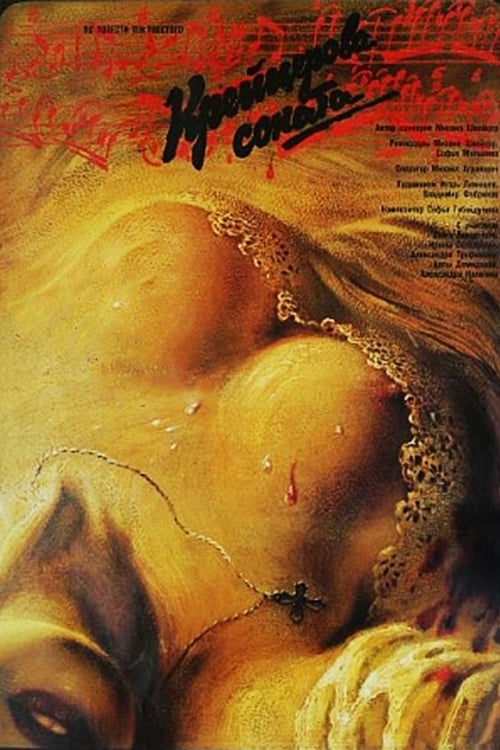
A revelatory discussion on a train. Based on Leo Tolstoy's novel of the same name.
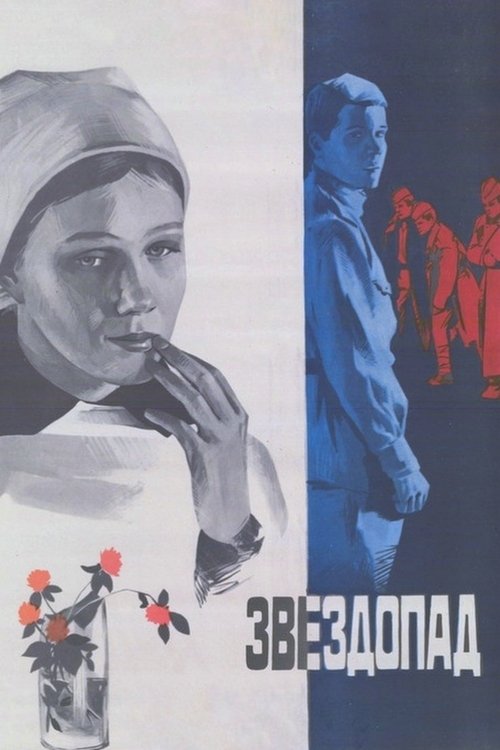
Falling Star is based on three stories by the contemporary Russian writer Viktor Astafyev and centers on a young soldier on the front lines who is wounded and taken to the hospital. Once there, he muses about his childhood and a little girl he had loved - someone who could easily have grown up to be the nurse that is attending to him now. As he recuperates, he and the nurse fall in love and he very much wants to marry her. At this point, the nurse's mother comes for a visit and advises him against such an action because if they were to marry and he were subsequently killed or maimed in action - the fighting is still close to the hospital - the nurse would suffer much more than if he just left her alone. Now it is up to the soldier to make a decision one way or the other.
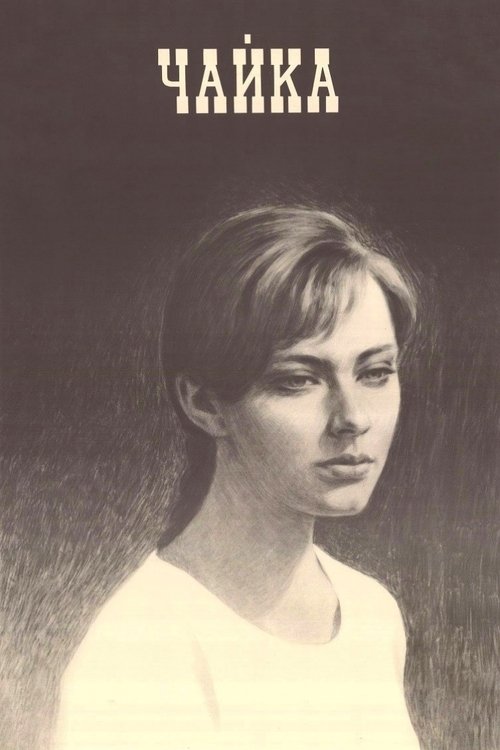
Events unfold on the estate of Pyotr Sorin, which brought together representatives of secular society - actress Irina Arkadina, the host's sister and her lover, the famous writer Trigorin. Sorin’s nephew, Konstantin Treplev, in love with a neighbor girl Nina Zarechnaya, who dreams of becoming an actress, writes for her a play that she plays in the scenery of Sorin’s garden.
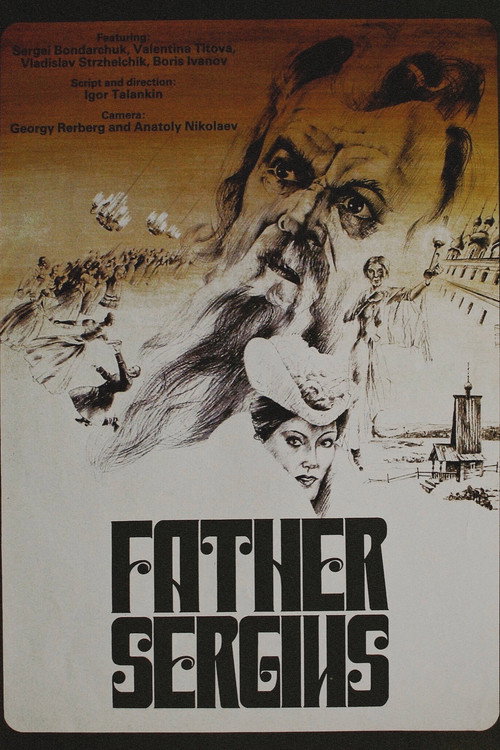
Prince Stepan Kasatsky is an officer, an ardent, proud young man, and a big fan of the tsar. Kasatsky is going to marry, but at the last moment he learns from the bride that she was the mistress of the emperor. The prince is deeply disappointed in social life, he takes a monastic vow and leaves the capital. Faith in God was to save the soul, but passions and worldly temptations don't leave Kasatsky.
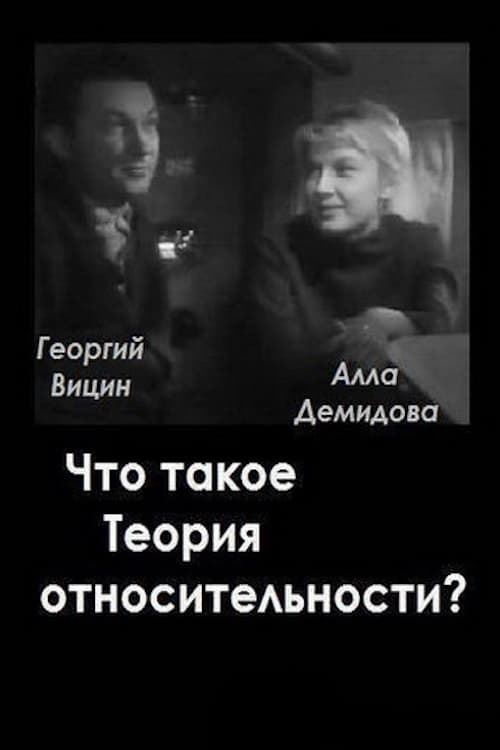
In a compartment of the Moscow-Novosibirsk train, a young physicist meets famous film actors. The conversation accidentally comes to Einstein, and the woman begins to explain to her fellow travelers what the theory of relativity is. The actors are incidentally on their way to the shooting of a film about physicists, but they do not understand the subject at all.
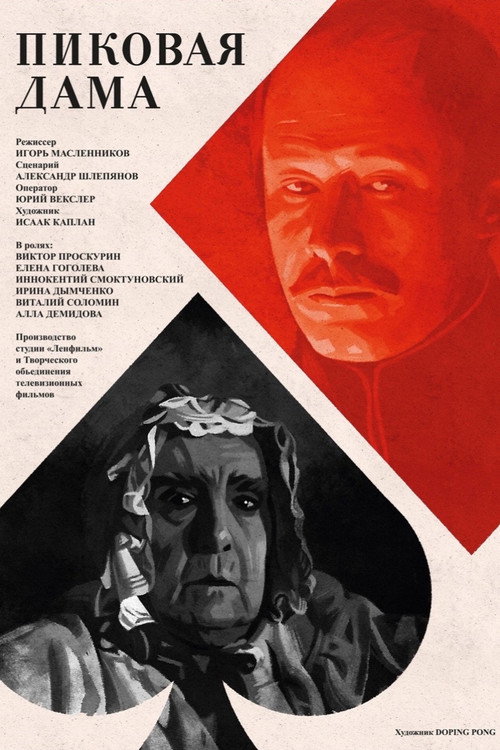
Hermann is an officer of the engineers in the Imperial Russian Army. He constantly watches the other officers gamble, but never plays himself. One night, Tomsky tells a story about his grandmother, an elderly countess. Many years ago, in France, she lost a fortune at cards, and then won it back with the secret of the three winning cards, which she learned from the notorious Count of St. Germain. Hermann becomes obsessed with obtaining the secret.
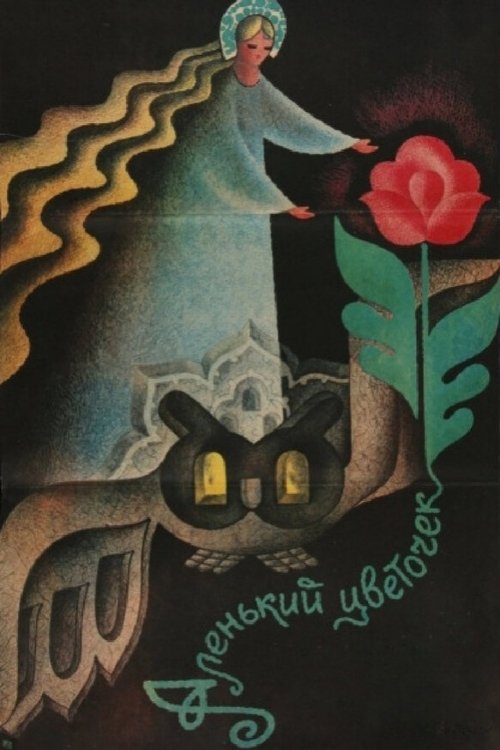
A merchant is living in a fairytale Russia of hundreds of years ago. When he is making a journey to market, his three daughters each ask for a present to be brought back...