Donald Richie
Directing
Biography
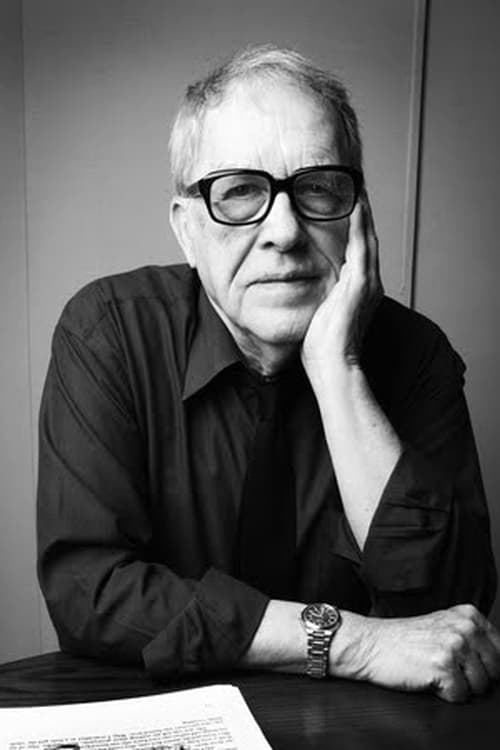
Donald Richie was an American-born author who wrote about the Japanese people, the culture of Japan, and especially Japanese cinema. Although he considered himself primarily a film historian, Richie also directed a number of experimental films. (Wikipedia)
Known For

Late in the 1500s, an aging tea master teaches the way of tea to a headstrong Shogun. Through force of will and courageous fighting, Hideyoshi becomes Japan’s most powerful warlord, unifying the country.
Rikyu

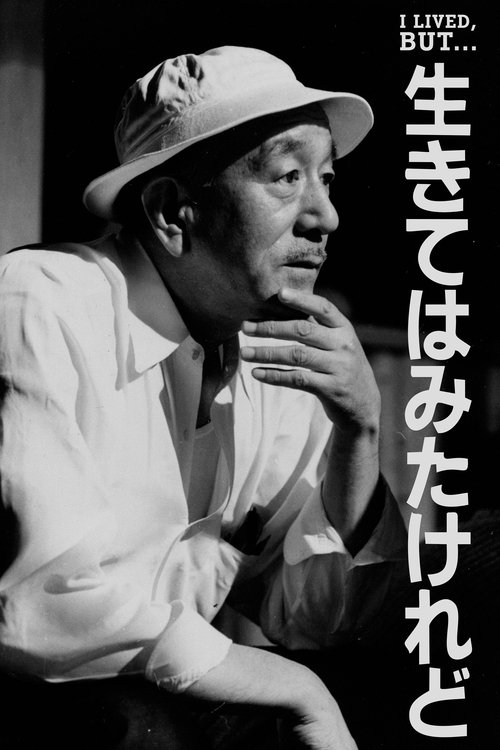
An extremely lovely tribute to Ozu, on the 20th anniversary of his death. It uses a combination of footage from vintage films and new material (both interviews and Ozu-related locations) shot by Ozu's long-time camera-man (who came out of retirement to work on this). Surprisingly (or perhaps not), it focuses less on Ozu's accomplishments as a film-maker than on his impact on the lives of the people he worked with..
I Lived, But...

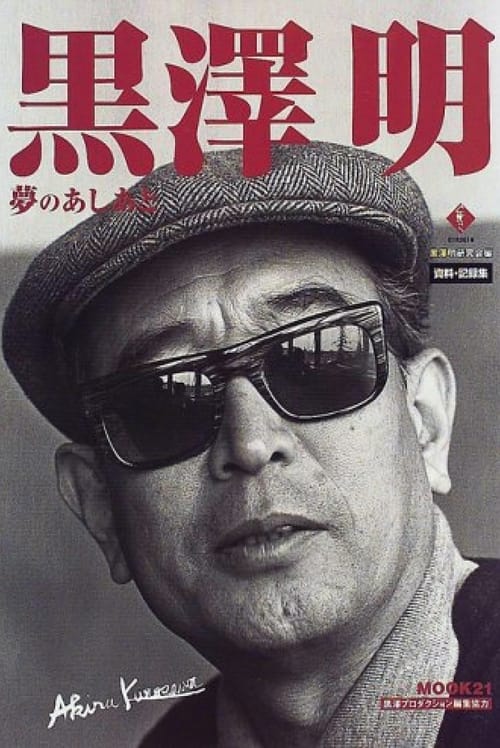
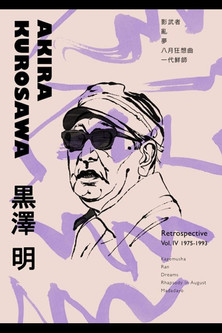
Documentary on film maker Akira Kurosawa
Kurosawa

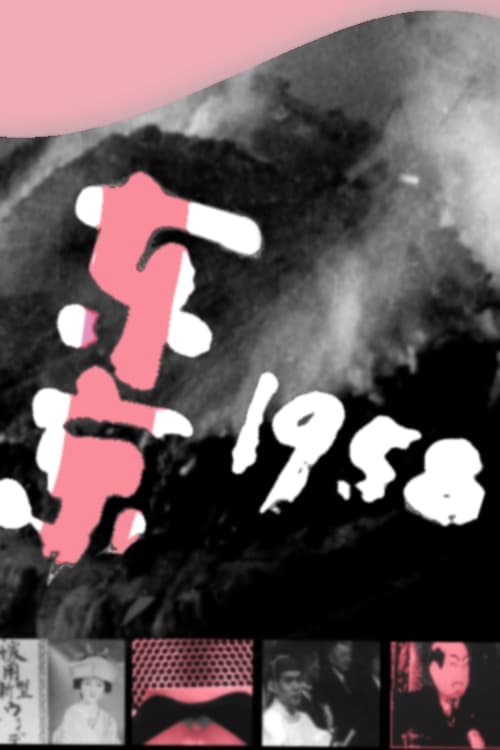
A collaborative, newsreel-style portrait of Tokyo in 1957–58, blending photography, animation, and historical imagery to capture the city’s labor, rituals, and nightlife at the moment it became the world’s largest metropolis.
Tokyo 1958
A shot-for-shot reimagining of the opening credits and climax of Yasujirō Ozu’s Tokyo Story (1953). Re-setting the scene in Los Angeles and recasting Noriko and Kyoko with two Japanese actors performing in drag, the film interrogates notions of language and cultural memory in split screen Japanese and English versions (with literal translations of the original dialogue into English subtitles and literal translations of the English subtitles from the Criterion version back into Japanese).
Lil’ Tokyo Story

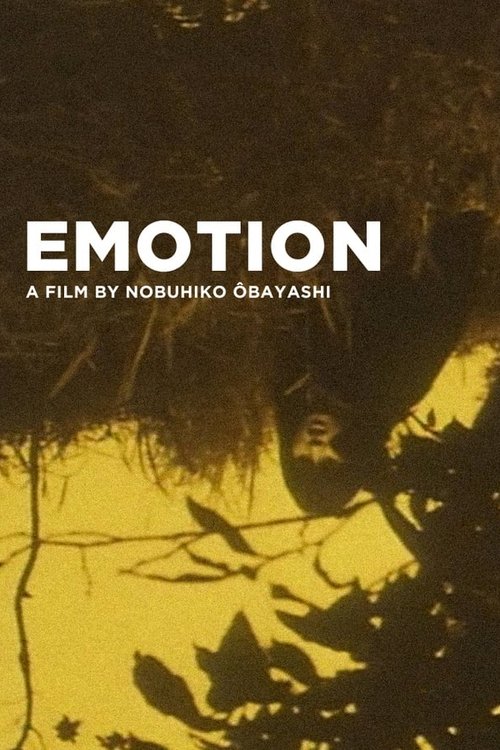
Experimental short film depicting the life, perhaps real, perhaps a dream, of a young girl named Emi. Emi travels to the city where she encounters her counterpart, Sari, and falls in love with…a vampire?
Emotion

A profile and history of film director Akira Kurosawa.
Kurosawa: The Last Emperor

A documentary on sixties counterculture in Japan featuring Donald Richie, Tadanori Yokoo, Masao Adachi, Koji Wakamatsu, Toshio Matsumoto and Akaji Maro among others.
Under the Skin

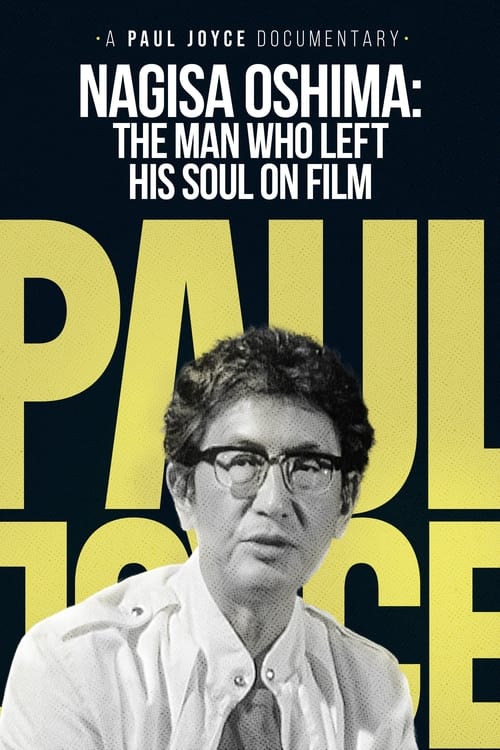
Documentary about Nagisa Oshima. It includes interviews with Oshima, Donald Richie, Roger Pulvers and Paul Mayersberg
The Man Who Left His Soul on Film

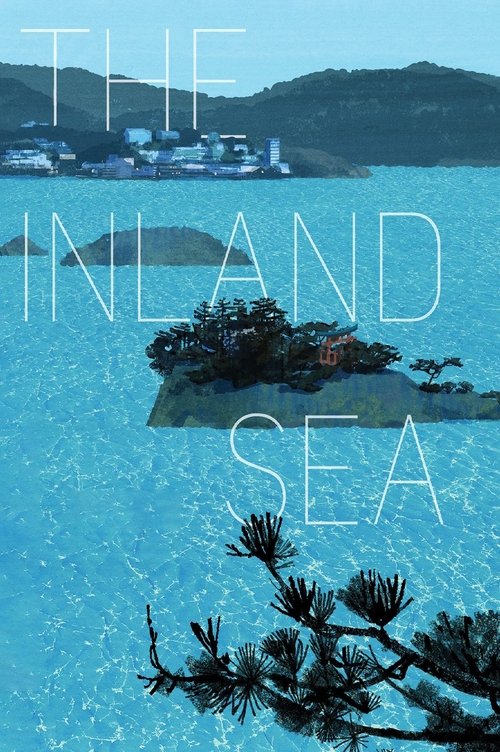
In 1971, author and film scholar Donald Richie published a poetic travelogue about his explorations of the islands of Japan’s Inland Sea, recording his search for traces of a traditional way of life as well as his own journey of self-discovery. Twenty years later, filmmaker Lucille Carra undertook a parallel trip inspired by Richie’s by-then-classic book, capturing images of hushed beauty and meeting people who still carried on the fading customs that Richie had observed. Interspersed with surprising detours—a visit to a Frank Sinatra-loving monk, a leper colony, an ersatz temple of plywood and plaster—and woven together by Richie’s narration as well as a score by celebrated composer Toru Takemitsu, The Inland Sea is an eye-opening voyage and a profound meditation on what it means to be a foreigner.
The Inland Sea

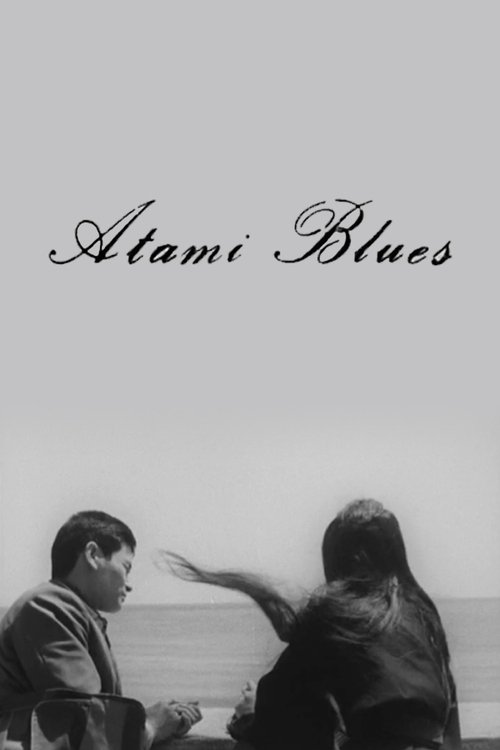
A young woman arrives at a resort and is soon pursued by a young man. Initially, he appears to be infatuated with her, but it becomes clear he simply wants to seduce her.
Atami Blues
Using rare archival footage and interviews with noted artists, philosophers, and scholars such as Huston Smith, this film examines the life and teachings of D.T. Suzuki, the celebrated Japanese religious philosopher who first brought Zen Buddhism to the West. This film explores Suzuki's travels in America, his teachings on satori (enlightenment) and other Buddhist concepts, his influence on Western art and psychology, and more.
A Zen Life: D.T. Suzuki

Filmed only a few months after Tatsumi Hijikata’s first explosive public butoh performance, “Gisei” features Hijikata and members of his Asbestos Hall Troupe in a brutal allegory of a closed society. Shot by noted Japanese film scholar Donald Richie, “Gisei” still conveys the shock that Japanese audiences in 1959 must have felt at the birth of Hijikata's ankoku butoh, or "dance of darkness". Richie met Hijikata through mutual friend Yukio Mishima. They decided to collaborate on a film about segregation. Richie memorialized the film in his diary: “It is more than ever about the death of an individual, a distinct kind of human sacrifice.”
Sacrifice

A documentary looking at the samurai traditions and films that helped shape Kurosawa's masterpiece.
Seven Samurai: Origins and Influences
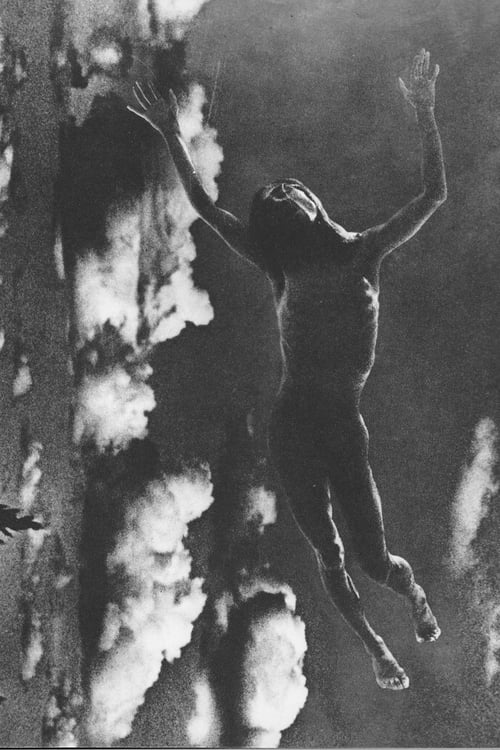
The homoerotic poetry of Mutsuo Takahashi sets the stage for these associated images based on male desire.
Dead Youth
A group of boys playing near the seashore in Tokyo find a goat, kill it in a tug of war for ownership, bury it with ceremony, and, except for one boy, run off in heedless laughter ready for more games.
Wargames

A 2007 documentary examining the collaboration between Teshigahara and novelist Kobo Abe, featuring interviews with film scholars Donald Richie and Tadao Sato, film programmer Richard Peña, set designer Arata Isozaki, producer Noriko Nomura, and screenwriter John Nathan
Teshigahara and Abe

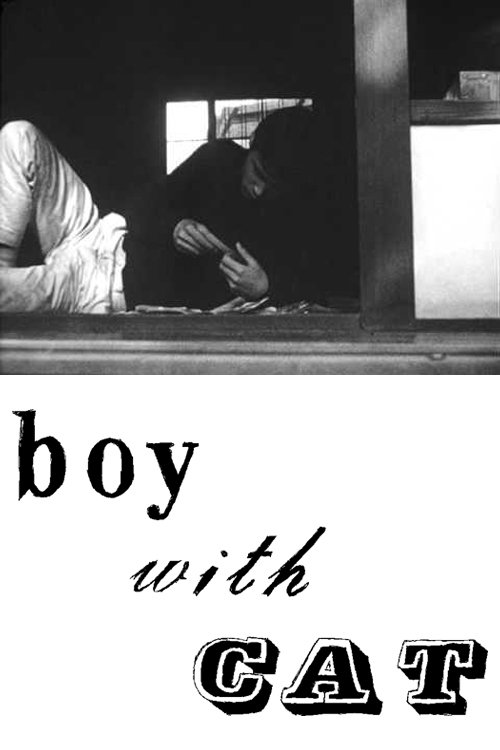
A cat's inquisitive look interferes with the pleasurable sensations of a boy while masturbating.
Boy with Cat

Short film for the "A Commercial for Myself" programme.
Life

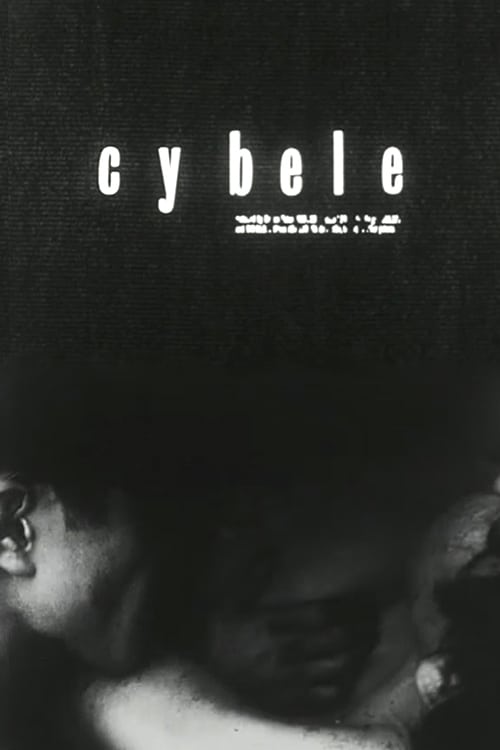
A documentary of an avant-garde theatre performance, presents an orgiastic rite of sex, degradation, and bloody sacrifice, performed by Zero-Jigen.