Writing
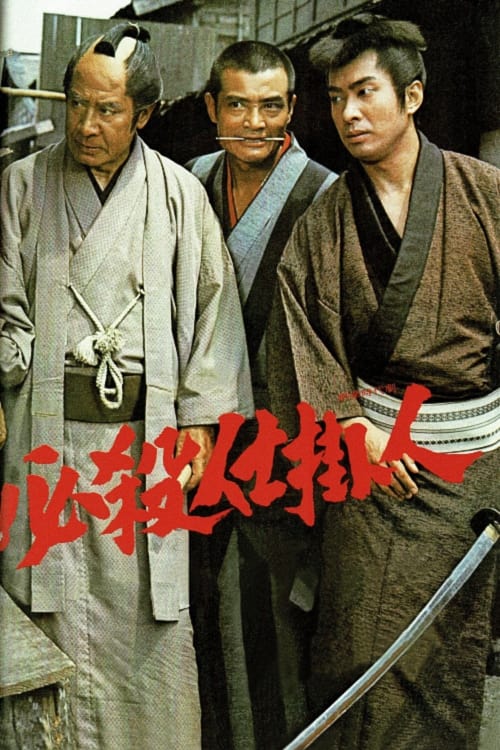
A shikakenin was an under-the-cover trade that undertook killing in Edo. Hanemon of Otowa, an agency that introduced laborers and maids, was also one of these. Katsugoro Iseya was a timber dealer who had come in as a client. His target was the constructions magistrate Hanno, and the Tatsumiya who sipped on the benefits. Hanemon who had a stong code towards killing, where he would only kill those who do no good to be in the world, accepts this request. Baian Fujieda, a needle doctor would carry out the killing. However, the professional killer Baian fails to bring down Tatsumiya. Hanemon then looks to another shikakenin, the ronin Sanai Nishimura for the role. Although Sanai's ability with the sword is good, he lives poorly in a tenement, and accepts this commission on the condition that it is kept a secret from his wife and child. Here, they close in on Hanno and Tatsumiya again...
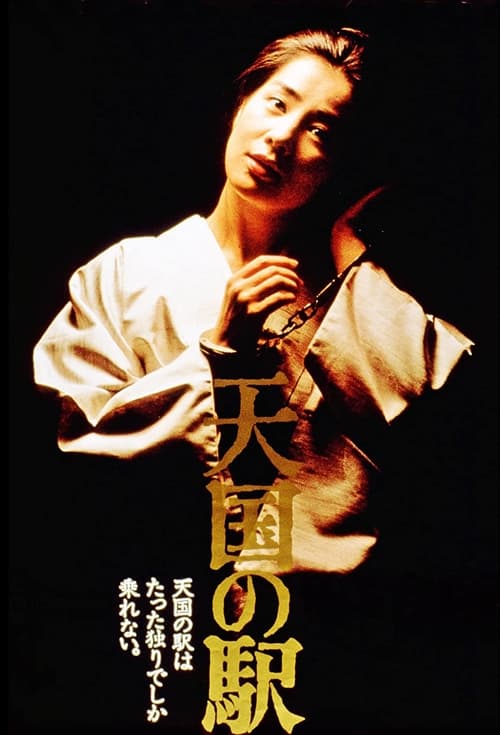
From a true incident that happened in 1960's Japan. This drama is contemporary in setting but medieval in its characters and emotions as it focuses on a tangled web of murder and deceit encountered by a beautiful woman, Kayo after her abusive husband is murdered.
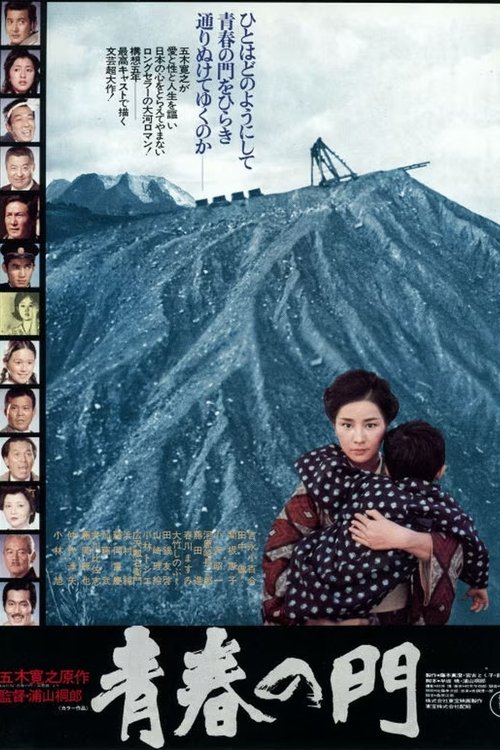
Mainly the story of Shinsuke and his stepmother, ranging from Shinsuke's infanthood to his mid-teens. Coal workers and the mines dominate nearly every aspect of the life of the characters. Shinsuke's father dies while bravely using dynamite to rescue a group of trapped Korean miners. Several older men attempt to help he and his mother cope, including a kind Korean and a Harley-riding yakuza.
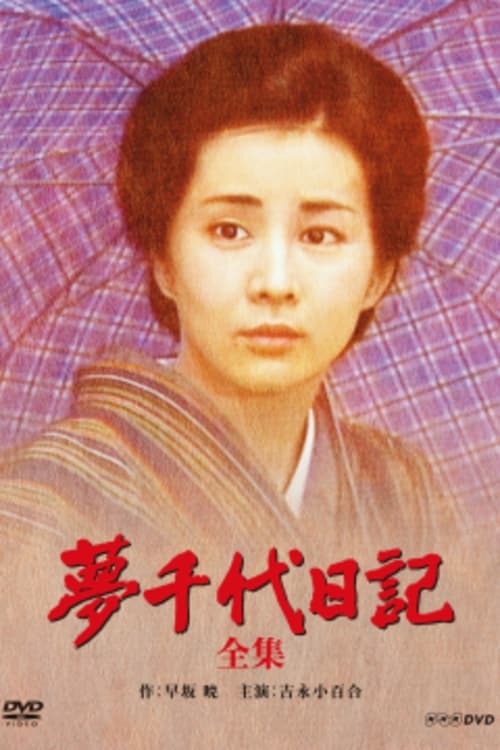
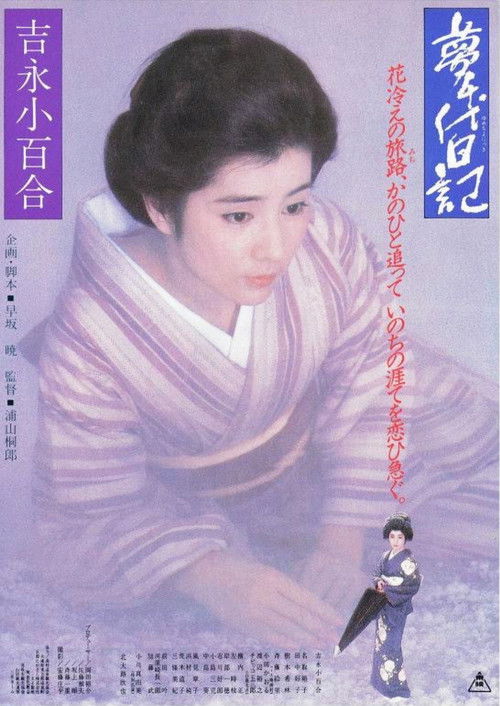
Yumechiyo is the madam of a geisha house in a remote hot spring in the San'in region. When Yumechiyo learns that she is dying of leukemia caused by the atomic bomb, she writes about her life in the form of a diary, which is a collection of human dramas and the joys and sorrows of her life.
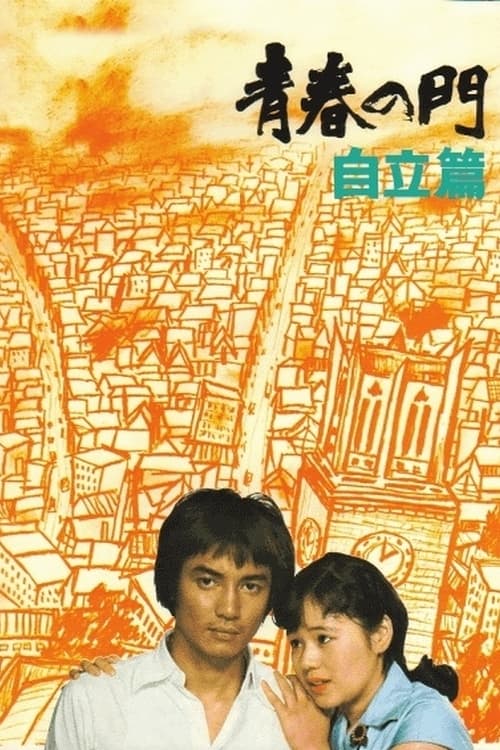
Mid 50s: the trials and tribulations of Shinsuke Ibuki, freshly arrived in Tokyo from Kyushu.
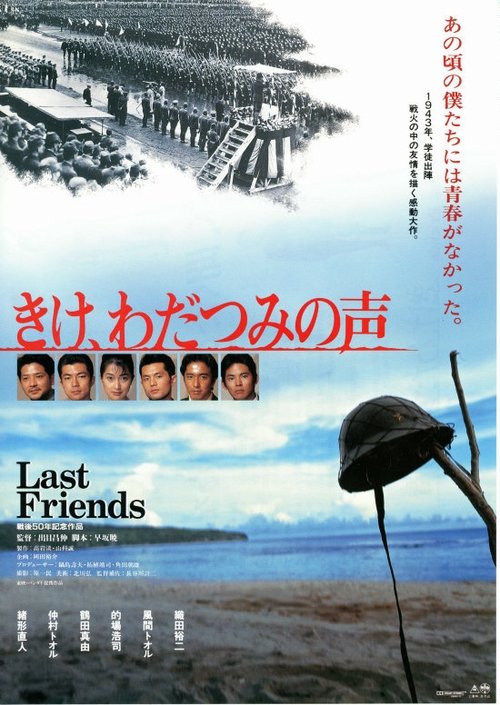
Following the lives of three college rugby players drafted to serve in the military during WWII. Though they believe their service will help to benefit their loved ones back home, they are unprepared for the hardships of war. Through their shared trials and sacrifices, they grow closer as friends, and hope to return together to better days. This movie was released in commemoration of the 50th anniversary of the end of WWII.
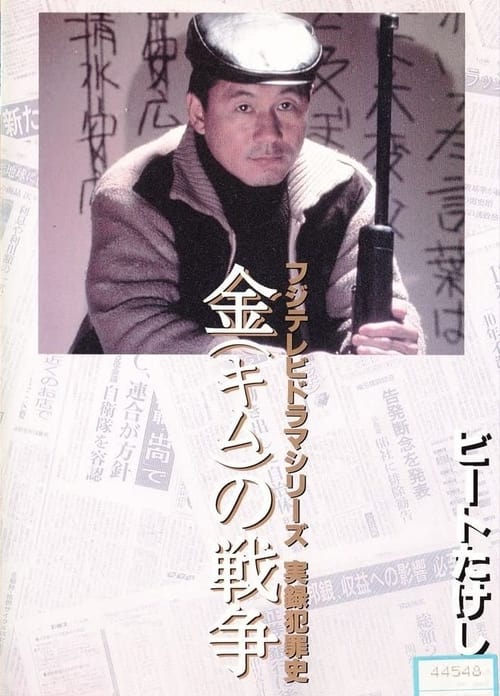
After shooting a gangster in self-defense, Kim Hui Ro takes refuge at a hotel and takes the guest hostages. Realising his position, he invites the press inside and explains why he was driven to his crime.
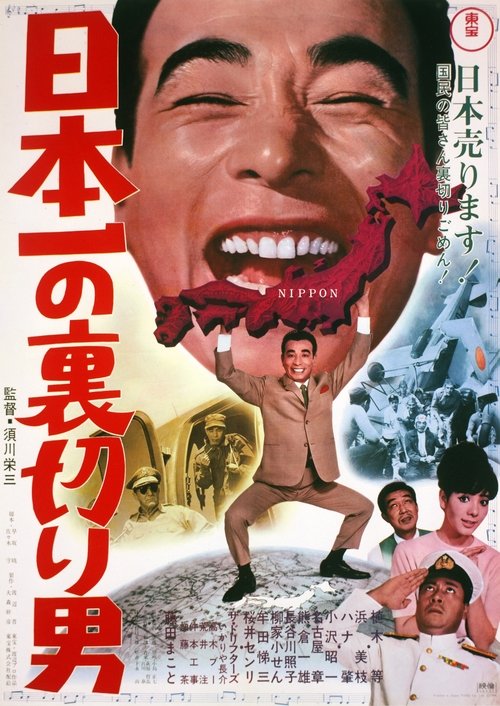
The sixth "Japan's No. 1 Man" feature. Followed by "Japan’s No. 1 Disconnected Man".
Blockbuster drama based on the novel Sekigahara by Ryotaro Shiba, a program dedicated to the 30th anniversary of TBS. A total of 120 actors, 3,500 extras and about 500 horses recreated the largest battle in history, the Battle of Sekigahara, in which 200,000 warriors clashed from east and west. The battle, which can be called a turning point in the history of Japan, depicts the conflict, love and hate between people on a grand scale and with a great cast.
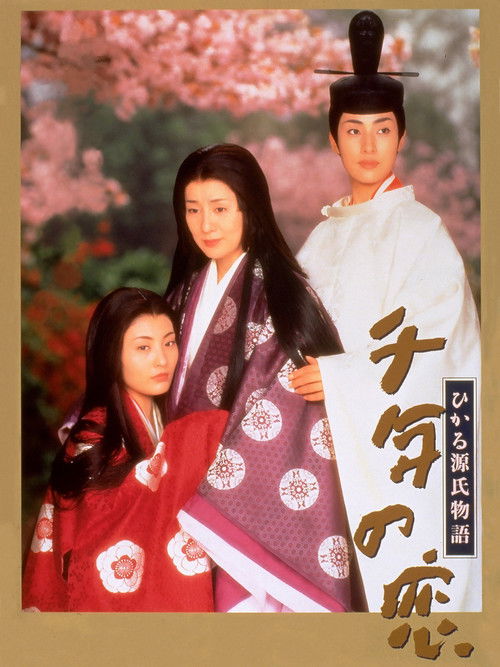
Set in 900AD and tells the story of a famous female writer of the time, Murasaki Shikibu. Her story begins from the death of her husband, a Japanese noble, then moves on to her recruitment to train the Prince's young 'wives in waiting'. It is dotted throughout and actually composed mainly of one of the fictional stories she wrote, the tale of Genji. Genji is a rich playboy who falls in love and has a son to his stepmother. He falls in love often and has many wives whom are all completely subservient to him.
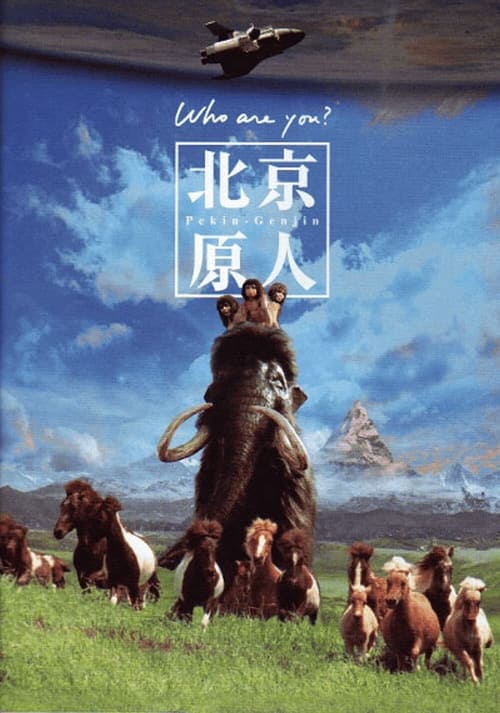
In 1929 the fossil of a 500,000 year old man is discovered in China. In 1941 the Japanese army confiscates this find, but during the war the remains disappear. Based on these factual events, this movie takes off with a science fiction story involving a space rocket which places a satellite in orbit containing a secret cargo. The satellite crashes on a remote island and footprints are found in the sand leading away from the crash site. A story of how an ancient primitive cave-dwelling family contends with the scientists who want to study them.
Ken Ota is a Japanese-American GI. He comes to Hiroshima after WW2 looking for his big sister, but finds Keiko, a bomb victim with a keloid scar on her shoulder.
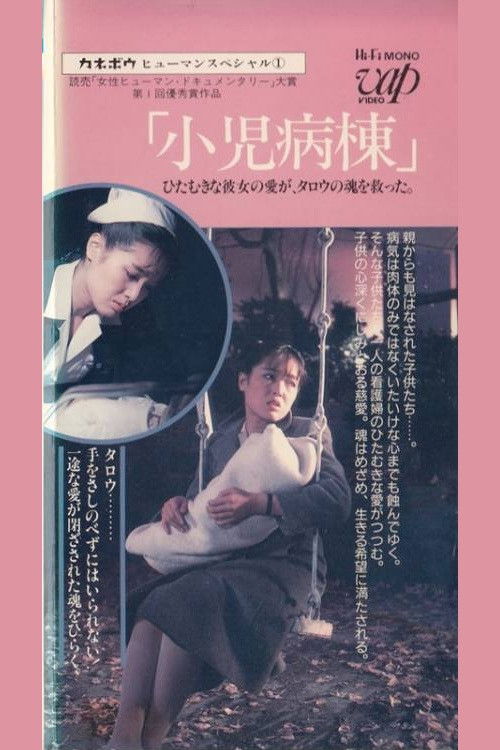
Hatsuko, a nurse who was put in charge of Room Zero in the pediatric ward, couldn't believe her eyes when she entered the room. There she found a boy named Tarou, 1 year and 4 months old, a lump of flesh with no human shape whatsoever. Hatsuko was so shocked that she even wanted to quit the hospital, but as she worked hard to nurse Tarou, who had never even been held by his own mother, she began to feel affection for him. Original work: "Pediatric Ward" by Egawa Haru
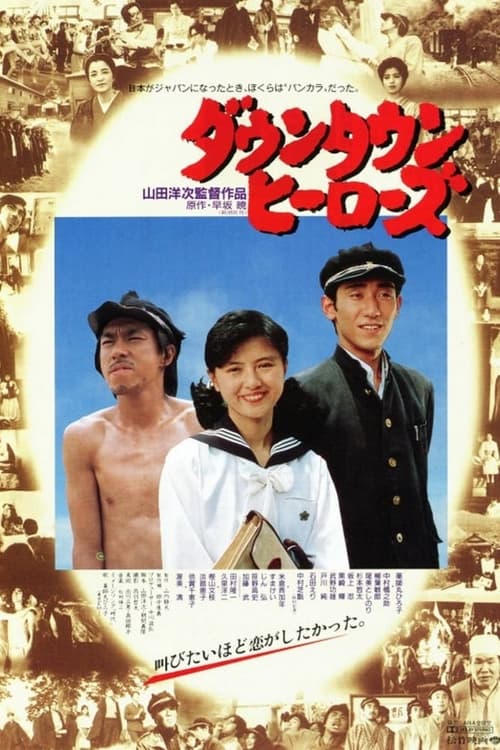
The adventures and tribulations of a group of students during the years following the II World War.
Yumechiyo, a geisha house madam recently diagnosed with a terminal illness, yearns to do something constructive with the little time she has left. Though her responsibility lies in taking care of her girls, she finds purpose in helping a man wrongfully accused of murder and in the process discovers love.
Starring Ken Takakura, this TV special depicts a detective (Akira Hayasaka) who lives in a harsh life with pride and conviction. Minoru Akiba, Chief of the Investigation Division 1 of the Metropolitan Police Department, is a veteran detective who has passed through the shrine in numerous incidents. His wife was killed by a criminal he caught 13 years ago as revenge. There is a report that his former subordinate, Constable Murasawa, was stabbed to death under Akiba... Suzuki Kyoka plays his daughter.
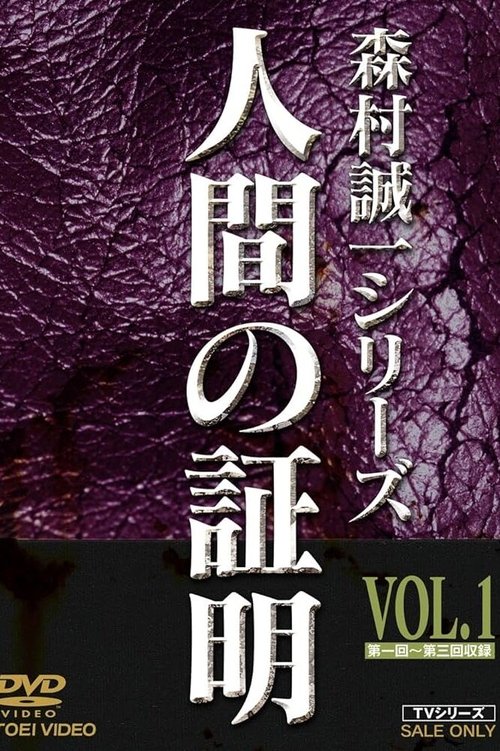
TV series produced by MBS and TOEI, based on the best-selling novel of the same name by Seiichi Morimura.
This documentary examines the plight of Korean veterans who were conscripted into the Japanese imperial army during World War II and later left destitute in postwar Japan. Many, disabled by their service, are denied compensation because of their Korean nationality. Filmed for Japanese television, the work confronts public apathy and exposes the unresolved moral responsibility Japan bears toward those who fought in its name.
The life and times of Kûkai, a Japanese monk who studies Esoteric Buddhism in the far reaches of India, China and Tibet, then uses their combined influence to establish the Shingon school during the Heian period in early 9th Century AD.
The ancient Chinese town of Taoyuan is populated exclusively by Taoist ascetics. The elder, Lao Shi, conducts research on magic and alchemy, while his pupil Zhi Huang is more interested in the pleasures of the flesh. He fell in love with three beautiful sisters who live close by.