Acting
No description available.
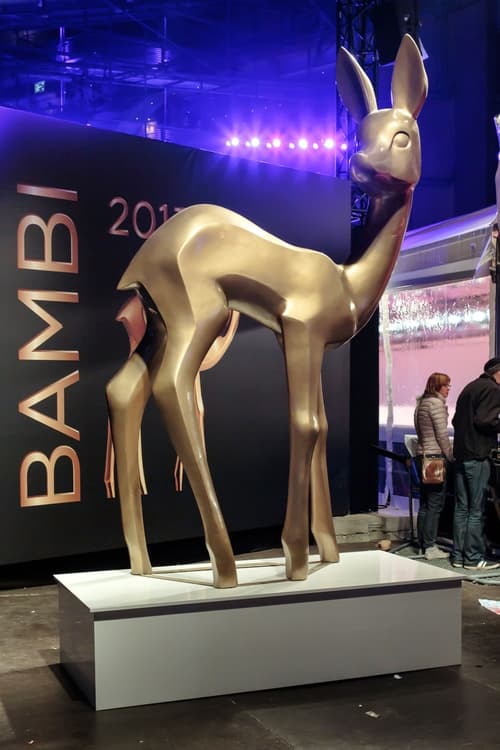
The Bambi, often called the Bambi Award and stylised as BAMBI, is a German award presented annually by Hubert Burda Media to recognize excellence in international media and television to personalities in the media, arts, culture, sports, and other fields "with vision and creativity who affected and inspired the German public that year", both domestic and foreign. First held in 1948, it is the oldest media award in Germany. The trophy is named after Felix Salten's book Bambi, A Life in the Woods and its statuettes are in the shape of the novel's titular fawn character. They were originally made of porcelain until 1958, when the organizers switched to using gold, with the casting done by the art casting workshop of Ernst Strassacker in Süßen.
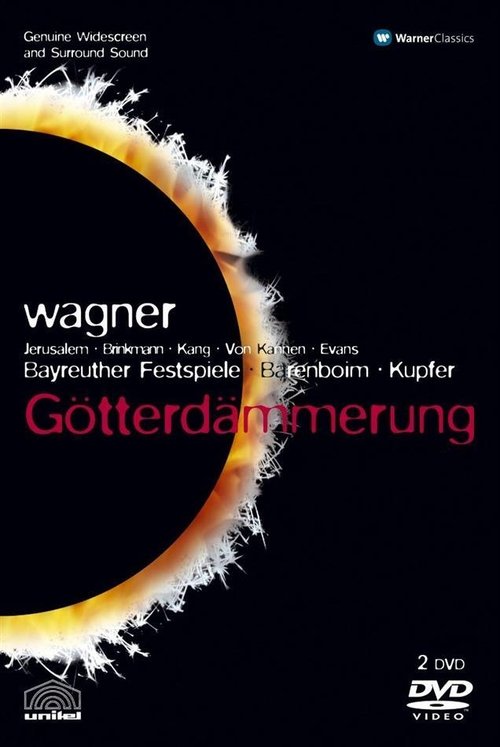
THIRD DAY OF THE RING CYCLE. Günter, the lord of the Rhine people, gives Siegfried a love potion that causes Siegfried to forget Brünnhilde and fall in love with Günter's sister Gutrane. Siegfried has given Brünnhilde the Ring as a token of their love, but her Valkyrie sister urges her to destroy it, because their father Wotan has lost his spear and power and is hiding out in Valhalla. Instead, Brünnhilde keeps it, and under the influence of the potion, Siegfried steals it from her. Enraged, Brünnhilde helps Alberich's son murder Siegfried, but Siegfried's memory returns, and he dies thinking of Brünnhilde. Brünnhilde repents and orders a funeral pyre to be built. She rides into the fire herself, and the Rhinemaidens get the ring back. The story closes with flames flickering about Valhalla in the background. Filmed at the Bayreuth Festspielhaus in June & July 1991.
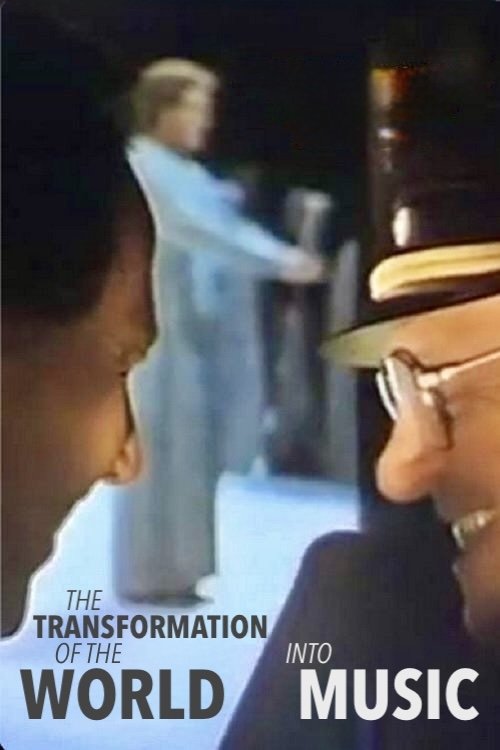
This film was prepared as a introduction to a series of opera broadcasts on German television. It depicts the behind-the-scenes manoeuvrings in preparation for the annual opera festival in Bayreuth.
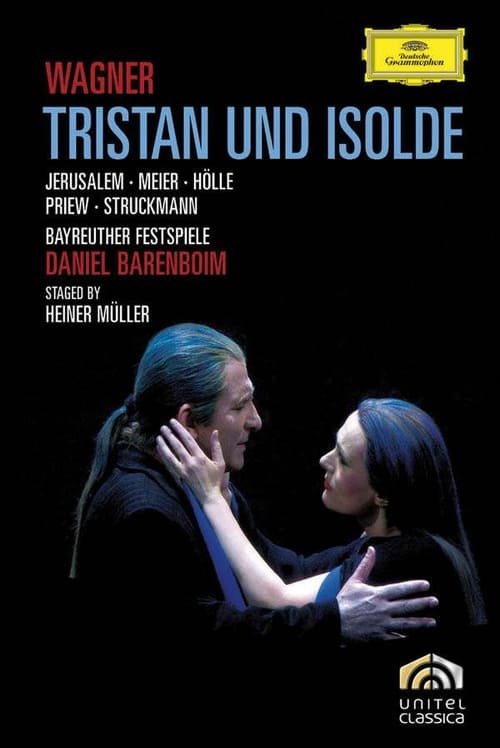
The Bayreuth Festival Opera House mounted this production of Richard Wagner's 1865 opera Tristan und Isolde as part of the Bayreuther Festspiele. Staged by Heiner Müller, it stars Siegfried Jerusalem, Waltraud Meier, Poul Elming and Uta Priew, and features musical accompaniment by The Orchestra and Chorus of the Bayreuther Festspiele.
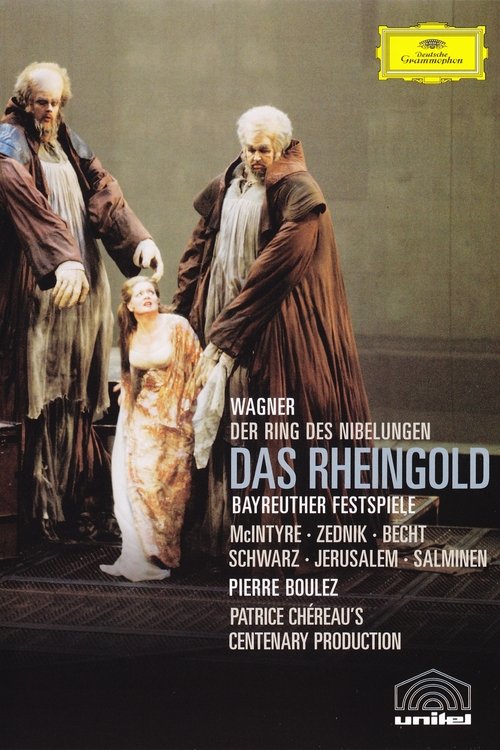
This is a beautifully conducted and thoughtfully staged performance of the first opera (the prologue) in Wagner's Ring Cycle. As soon as the clouds of mist have dissipated, while the daring, long-held opening chord is still reverberating, the screen clears to show not only the River Rhine and the three maidens (dressed like prostitutes in this production) assigned to guard the gold hidden there. It also shows an enormous dam (not mentioned in Wagner's text). This is the underwater base of a hydroelectric plant, and its presence tells us two things immediately: that this production takes the story out of the vaguely medieval fantasy world in which Wagner had placed it, and that a basic theme of the four-opera cycle would be power. Alberich, the Nibelung, is willing to renounce the love of women, after stealing the gold from the Rhine, to become the ruler of the world. Another basic theme is greed.
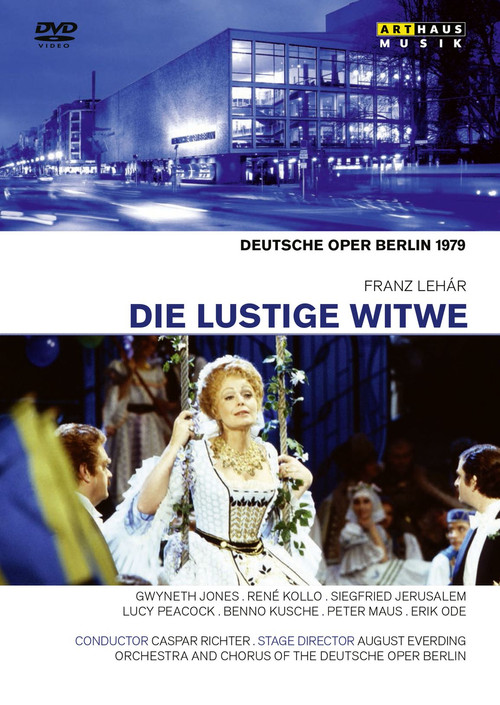
Franz Léhar's operetta The Merry Widow has enjoyed extraordinary international success since its premiere in Vienna in 1905 and has been performed and performed again and again. With the 1979 revival at the Deutsche Oper Berlin, August Everding revives a forgotten piece of German-Jewish cultural history. When the Deutsche Oper Berlin staged this great work in 1979, the opera house initially came in for fierce criticism. However, this was not due to the performance itself, but to the fact that the Deutsche Oper Berlin was including operettas in its program for the first time. After 40 years, we have now succeeded in publishing this wonderful performance. This is also thanks to the approval of Dame Gwyneth Jones.
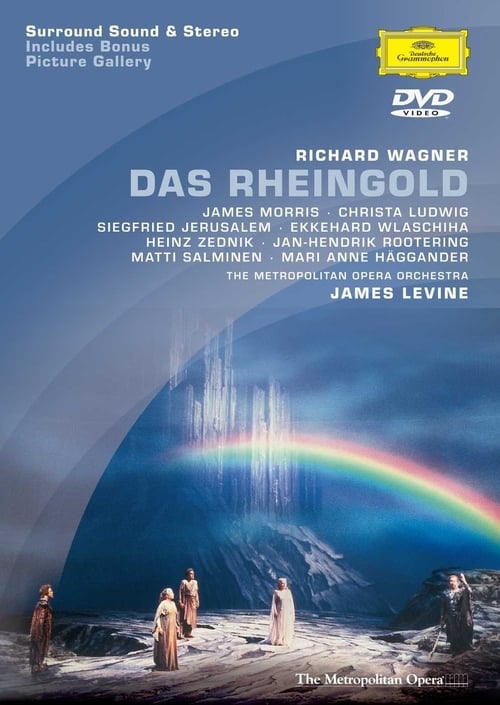
From the gorgeous scene deep in the river Rhine that opens the opera, up to the magic Rainbow Bridge that appears at the end, leading to a glistening Valhalla, Otto Schenk’s production captures the scenic world of Wagner’s Ring as brilliantly as James Levine and the Met orchestra capture the musical world. The cast is incomporable: an astounding James Morris as the young god Wotan, the great Christa Ludwig as his wife Fricka, incandescent Siegfried Jerusalem as Loge, the wily god of fire, and Ekkehard Wlaschiha as a complex Alberich.
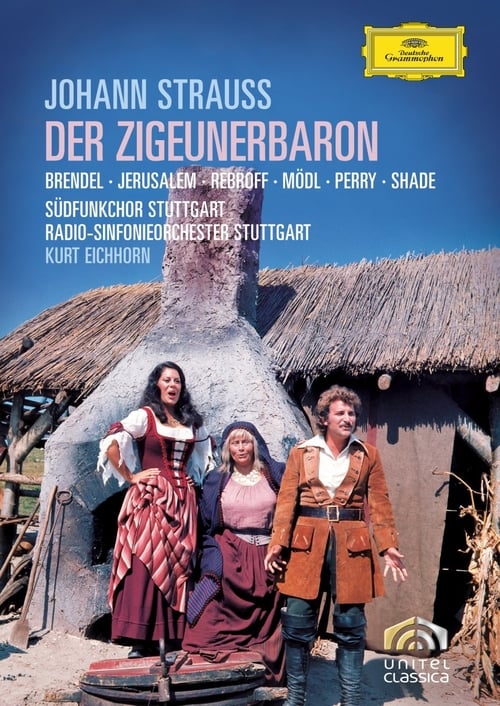
In the Temesvar Province, a landowner returned from exile marries a gypsy girl who is revealed to be the daughter of a Turkish Pasha and the rightful owner of a hidden treasure. Next to "Die Fledermaus", DER ZIGEUNERBARON is Johann Strauss’s most popular operetta. The libretto gave Strauss the chance to revel in such contrasting musical forms as the Csárdás and the Viennese waltz. The style of the lied forms and ensembles is so original and finely balanced that the "Gypsy Baron" can truly be called a comic opera. Among the leading names of the stellar cast in this exuberant 1975 film of the operetta are Wolfgang Brendel, Ivan Rebroff, Janet Perry, Ellen Shade, Martha Mödl and, in the role that launched his career, Siegfried Jerusalem as Sándor Barinkay.
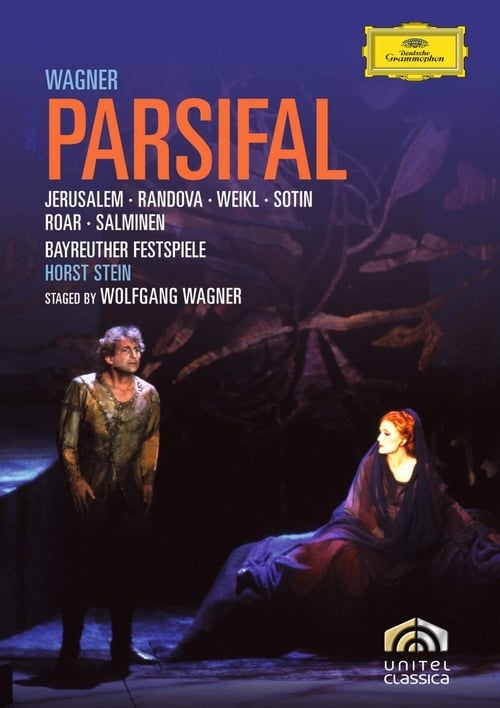
Wolfgang Wagner's Bayreuth production of his grandfather's 'farewell to the world'has 'an unusual beauty and logic of its own ... with a double stress - on nature undefiled and on a form of religious symbolism ... There is an air of magic and mystery about the staging ... The performance was excellent ... Horst Stein conducted a beautifully proportioned Parsifal'. New York Times