Acting
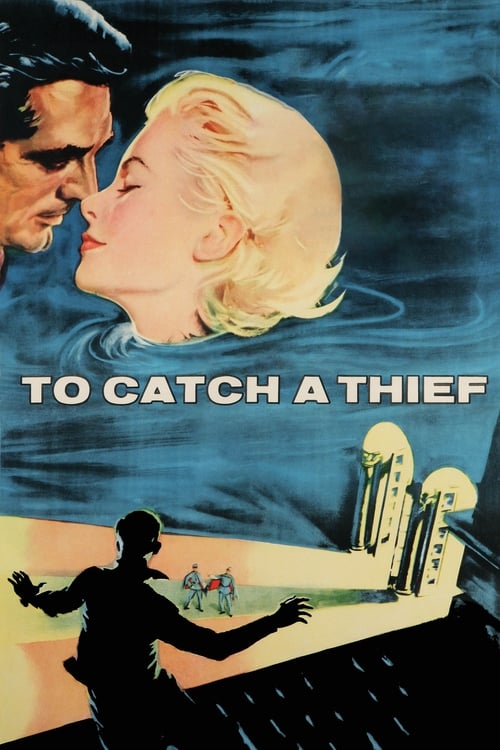
When a string of jewel robberies hits the French Riviera, suspicion falls on retired thief John “The Cat” Robie. To clear his name, he sets out to trap the copycat himself—entangling a wealthy widow and her beguiling daughter in a seductive game of pursuit, deception, and desire.
Originally titled Nous Sommes Tout des Assassins, We Are All Murderers was directed by Andre Cayette, a former lawyer who detested France's execution system. Charles Spaak's screenplay makes no attempt to launder the four principal characters (Marcel Mouloudji, Raymond Pellegrin, Antoinine Balpetre, Julien Verdeir): never mind the motivations, these are all hardened murderers. Still, the film condemns the sadistic ritual through which these four men are brought to the guillotine. In France, the policy is to never tell the condemned man when the execution will occur--and then to show up without warning and drag the victim kicking and screaming to his doom, without any opportunity to make peace with himself or his Maker. By the end of this harrowing film, the audience feels as dehumanized as the four "protagonists." We Are All Murderers was roundly roasted by the French law enforcement establishment, but it won a special jury prize at the 1952 Cannes Film Festival.
Three stories about pleasure. The first one is about a man hiding his age behind a mask to keep going to balls and fancying women - pleasure and youth. Then comes the long tale of Madame Tellier taking her girls (whores) to the country for attending her niece's communion - pleasure and purity. And lastly, Jean the painter falls in love with his model - pleasure and death.
Dreaming of heroic deeds, a young missionary soon becomes disillusioned.
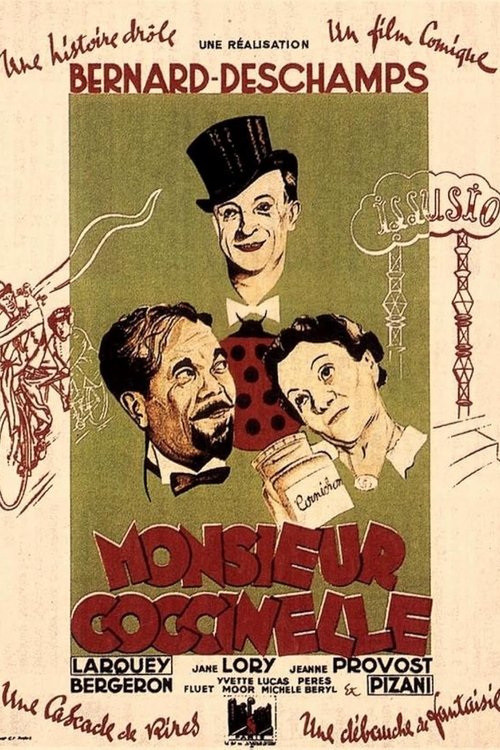
An average worker who feels downtrodden at work and home, dreams of becoming a dictator. His aunt has her own fantasy that the love-of-her-life, a fairground magician, will return to her once more.
Meg decides to commit suicide to escape the marriage to which her father intends her. She is saved by Jean-Pierre, another candidate for suicide, and Léon, a tramp who was just trying to reason with him. The trio then becomes inseparable and organizes a new life based on friendship and freedom.
As Dominique Marceau is being tried for the murder of Gilbert Tellier, accounts by different witnesses paint a picture of the kind of relationship the two used to share.
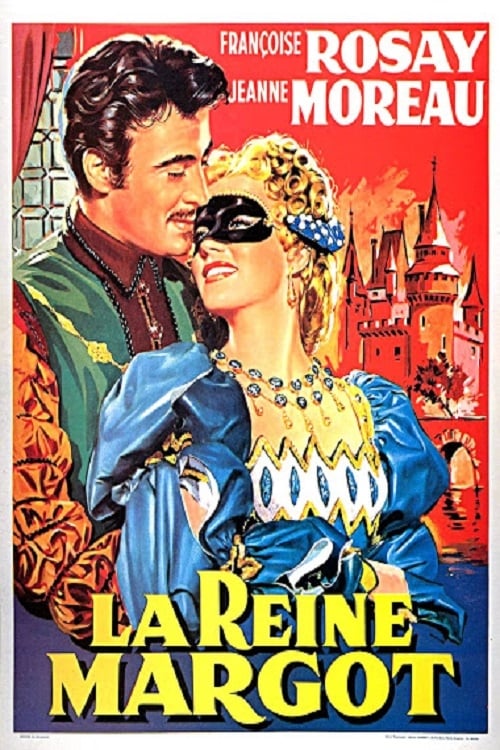
Marguerite de Valois, daughter of Catherine de Médicis, celebrates her wedding with Henri de Navarre. Officially, it's a rapprochement between the League and the Huguenots. In fact, it was an opportunity to bring all the Huguenots to Paris and kill them all at once. King Charles IX fails in his attempt on Coligny's life. Queen Margot tries to save her husband from the St. Bartholomew's Day massacre by preventing the annulment of his marriage, forcing Henri to share her bed. Two knights from opposing camps are wounded and, saved în extremis, are hidden together by the queen and her cousin. Margot falls in love with one of them, but has to run to warn her husband of a new attack...
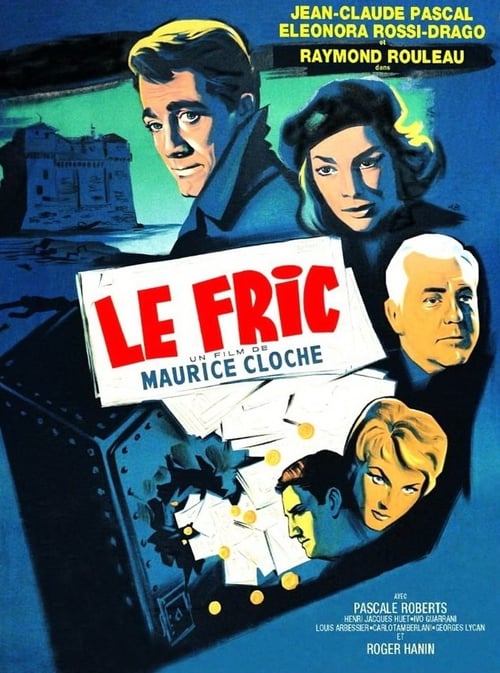
Bob recruits Jacques, a desperate blacksmith, to "recover" smuggled diamonds from de Belar. The heist goes badly wrong. The crooks kill each other for the money, but the diamonds are gone and Jacques returns to his life as an honest man.
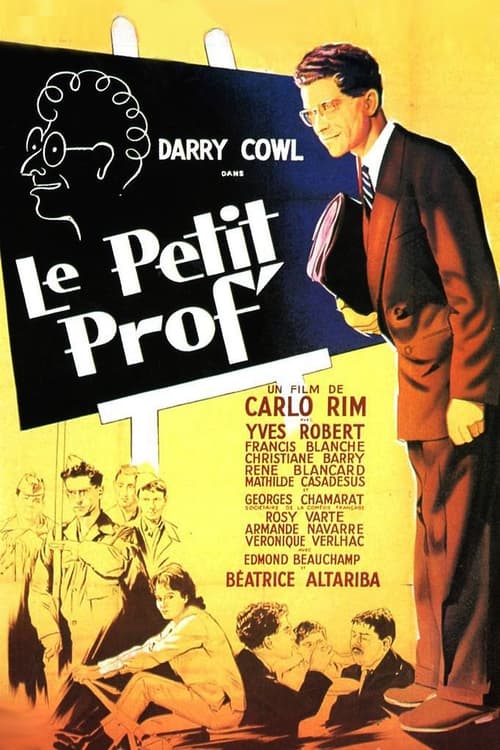
Naturally optimistic and mischievous, Jérôme Aubin crossed the time of his adolescence, around 1945, with ease and good humor. The years passed. He married the pretty Françoise, a little neighbor he had known since the age of eight, and soon found himself a secondary school teacher, a little anxious at the thought of facing for the first time students he had been told were particularly turbulent. How will he master this new difficulty? Better than you'd think, thanks to a delicious optimism: boldly going against the grain of conventional methods, he surprises his young audience, thwarting the plans of the dissipated gossips and turning their most tendentious attitudes to his advantage. All this provokes astonishment and concern among the college's leaders. But Jérôme Aubin is no pushover, and even the dreaded general supervisor finds himself obliged to give in to his most audacious initiatives...
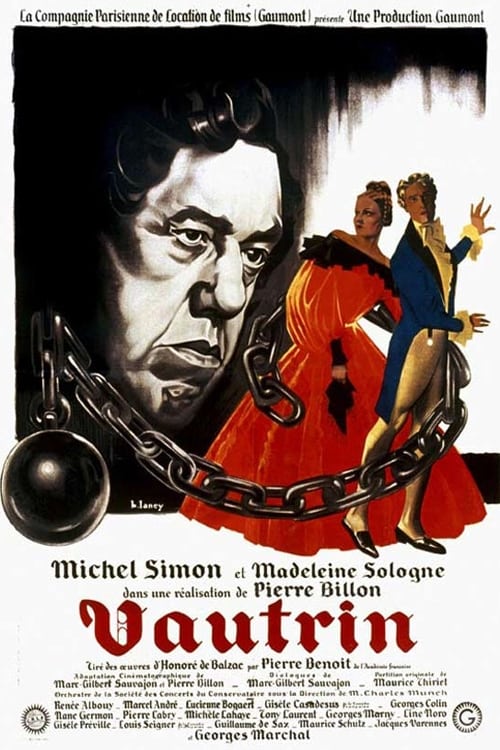
A famous convict Jacques Collin, alias Trompe la mort, or abbot Carlos Herrera, also called Vautrin, escapes from prison. Chance makes him meet Lucien de Rubempré, an impetuous and eternal lover who, when he is dismissed, collapses. Moved by this fragility, he takes him under his wing, and will do everything possible to ensure that his creature reaches happiness, even if it means imagining the worst shenanigans and other scams, with the help of a band of clever villains.
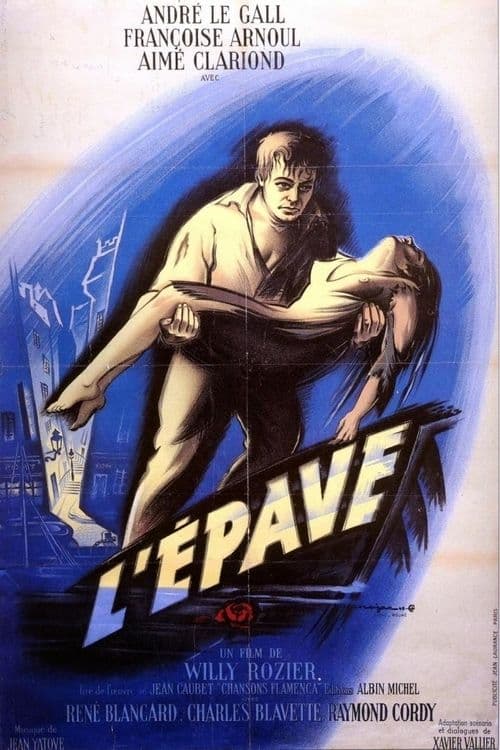
The tumultuous loves of a diver and a pretty bitch. Mario loves Perrucha, she only loves money. When, by dint of diving, the boy's health deteriorates, the girl goes to find an important industrialist. Such a story can only end badly and Mario strangles Perrucha.
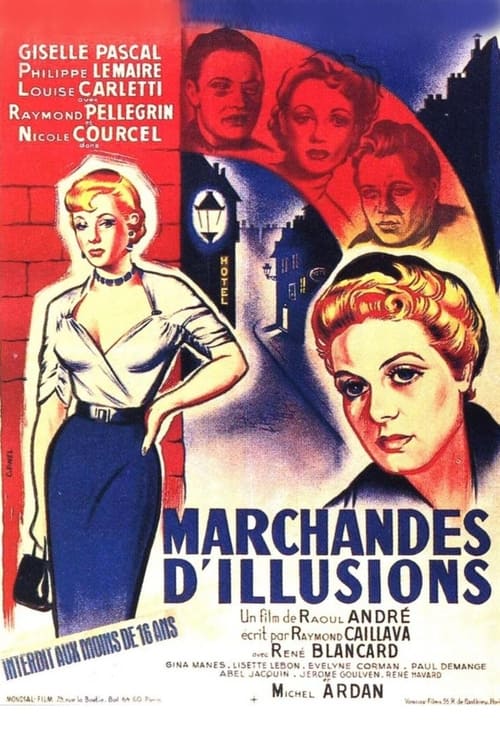
Marie-Thérèse is firmly involved in a charity dedicated to the rehabilitation of prostitutes. She approaches Marcelle who, for the love of Pierre, an honest painter, hides her dishonorable profession, and she befriends Maria, in love with the gentle René. Marcelle's aunt is murdered, and her daughter arrested. Marie-Thérèse sets out to prove her innocence, but the two boys learn all about the two unfortunate women. Pierre is unforgiving. Happier, Maria will start a new life with René.
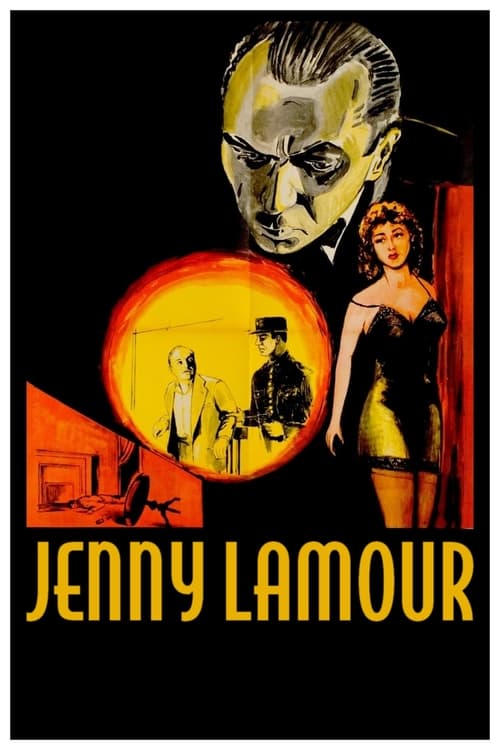
Paris, France, December 1946. Jenny Lamour, an ambitious cabaret singer, and Maurice, her extremely jealous pianist husband, become involved in the thorough investigation of the murder of a shady businessman, led by Antoine, a peculiar and methodical police inspector.
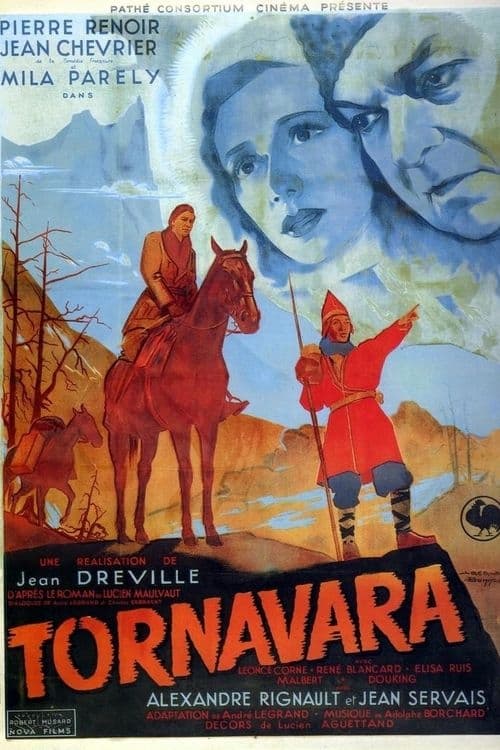
In a lost village in Lapland, Gérard comes to the aid of his friend Anders, in conflict with his father, a rich owner of gold mines.
The life story of famed French aviatrix Helene Boucher is detailed in Horizons sans fin (Endless Horizons). Giselle Pascal stars as Boucher, who is first seen in 1930, leaving her millinery shop behind in favor of the wild blue yonder. Though the world of aviation was still essentially an all-male one (despite England's Amy Johnson and America's Amelia Earhart), Boucher perseveres, eventually breaking all existing male and female speed and height records. A bit slow on the uptake in the dramatic scenes, the film soars (no pun intended) during the aerial sequences. Horizons san Fin was the winner of the Catholic Award at the 1953 Cannes Film Festival.
Portrait of a two-faced man. By day he is rich, brilliant and respectable financial officer Lussac; at night, he becomes "Mirror", a ruthless gang leader in Marseilles.
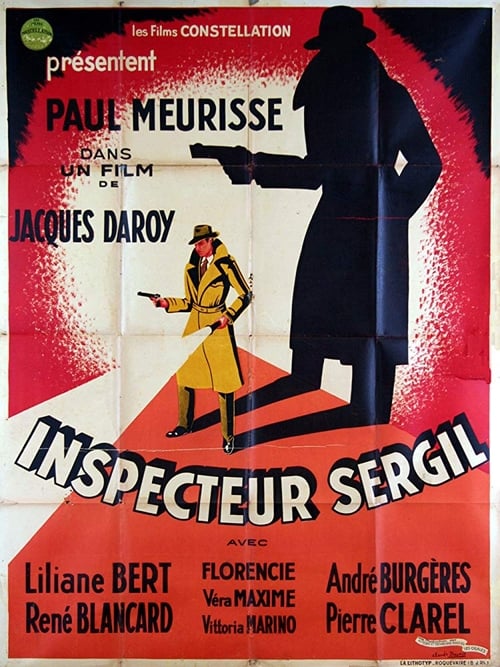
Inspector Sergil is a detective comedy. Sergil, inspector of the P.J., investigates three crimes, helped by two pretty women, Bijou and Nadège.
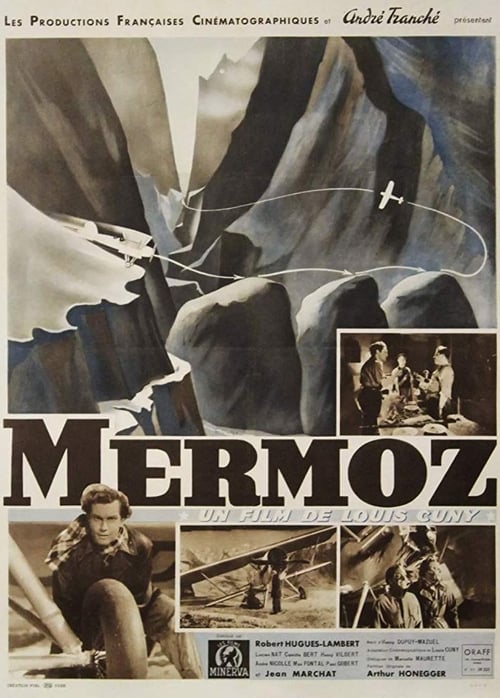
Biography and apology of the famous pilot, nicknamed by some the Archangel, who organized the airmail network of South America, flew the first over the Andes Cordillera, maintained the mystique of the South Atlantic, militated in the Crosses of Fire and perished at the controls of "La Croix du Sud" during its twenty-fourth crossing.
Didier's wife is ill, and he does the best he can to take care of her. But he's often absent and he has casual love affairs. But Leone he meets in Bruxelles wants to become his one and only mistress.