Acting
No description available.
“The Bell Telephone Hour” was a musical variety show that aired on “NBC” TV from 12 January 1959 to 14 June 1968 that showcased the best in Broadway, Classical, Concert, Jazz and Popular music each week. The series had its’ own house band appropriately named the “Bell Telephone Orchestra”. The show also had its’ own theme song being the “Bell Waltz” composed by “Donald Voorhees” who was also the show's Orchestra conductor. Some of the greatest violinists of the 1960’s performed on this show that aired in the old “Black & White” format. Some of these great violinists included “Erica Mornin”, “Isaac Stern", "Michael Rabin", "Ruggiero Ricci", "Yehudi Menuhin" and "Zino Francesacatti". From time to time some of the great singers and bandleaders of the 1960’s would perform on the show as well. Some of these were “Bing Crosby”, “Gordon MacRae”, “John Gary”, “Leslie Uggams”, “Mary Martin”, “Nelson Eddy”, “Patti Page” and “Roy Rogers”. The TV show followed on the heels of its’ predecessor with the same name on “NBC” radio that aired from 29 April 1940 to 1958 on Monday nights at 8 PM. The name of the show was derived from its’ Major sponsor “Bell Telephone Laboratories”. The TV version began airing on Friday nights at 8:30 PM once a month. It later was given it’s same time slot now airing every other week alternating with another show on the other weeks such as News shows and specials. The show time slot changed quite often over the years. In September 1960 it aired at 9 PM and in September 1961 it moved to 9:30 PM. In October 1963 it moved to Tuesday nights at 10 PM, September 1965 it moved to Sunday night at 6:30 PM and in September 1967 it made its' final move back to Friday night at 10 PM.
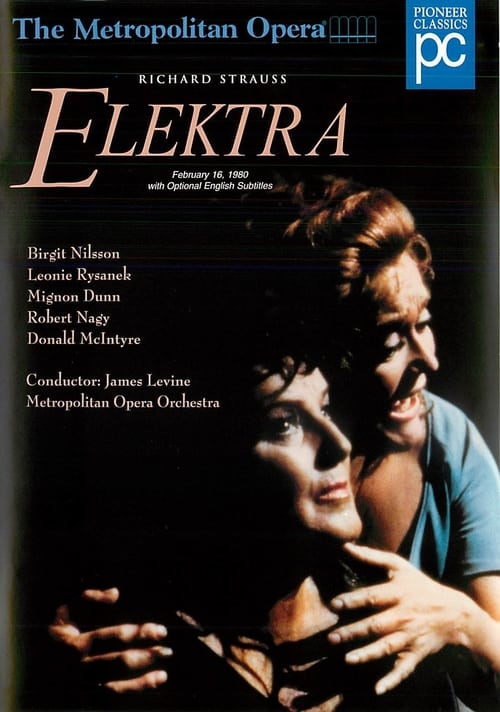
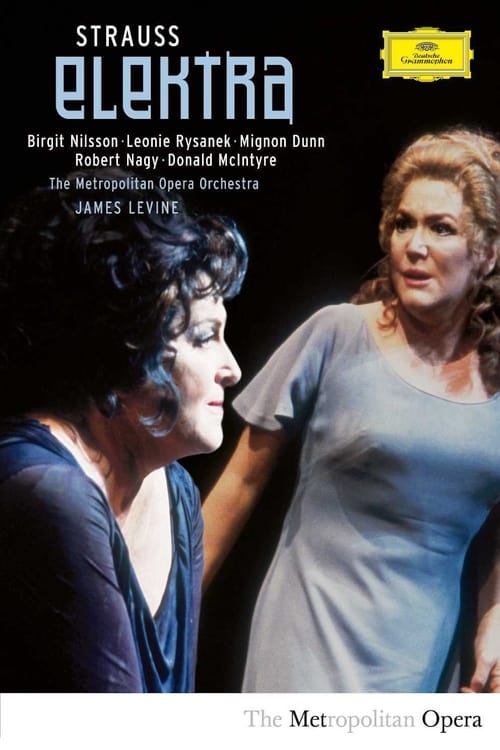
The Metropolitan Opera live production of Richard Strauss's opera Elektra on February 16, 1980
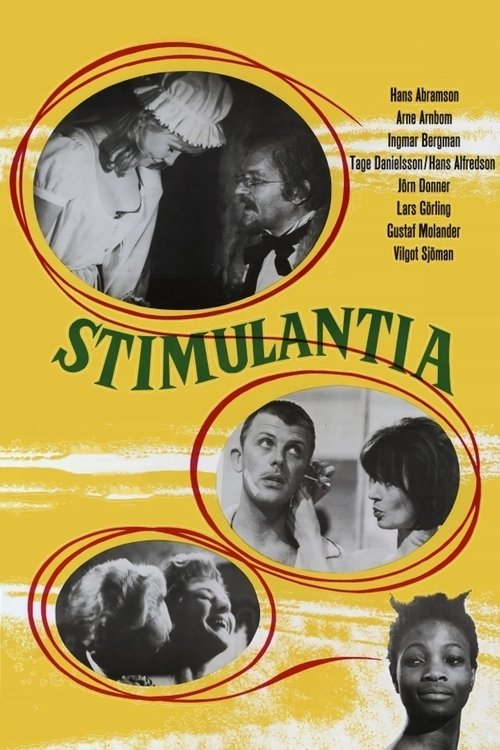
Eight vignettes on a variety of topics, including a baby growing up, Charlie Chaplin, Birgit Nilsson, the racing track at Le Mans, erotic cleanliness, French literature, and a black woman in a cupboard in the neighborhood of Farsta near Stockholm.
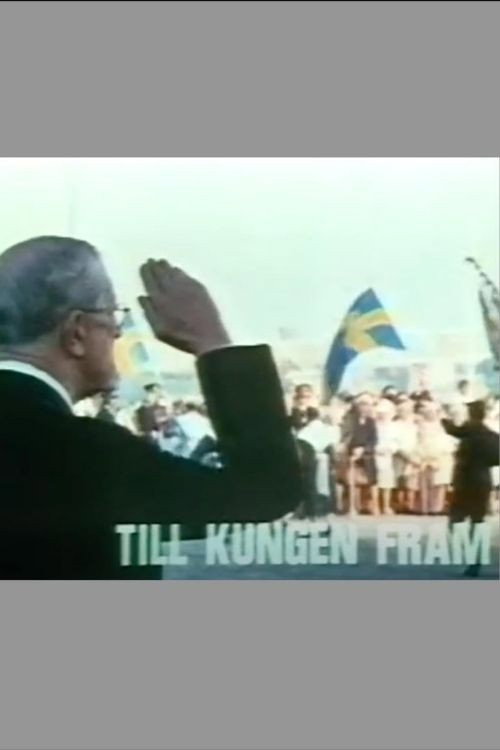
The Swedish king, Gustaf VI Adolf, at the age of 90, holds a council with the Swedish government at the Royal Castle, receives ambassadors from various countries, on a state visit to West Germany, shows the Livrustkammaren, inaugurates the Oskarshamn nuclear power plant, listens to the opera singer Birgit Nilsson, and shows an Etruscan excavation for the National Antiquary Ronald Pålsson.
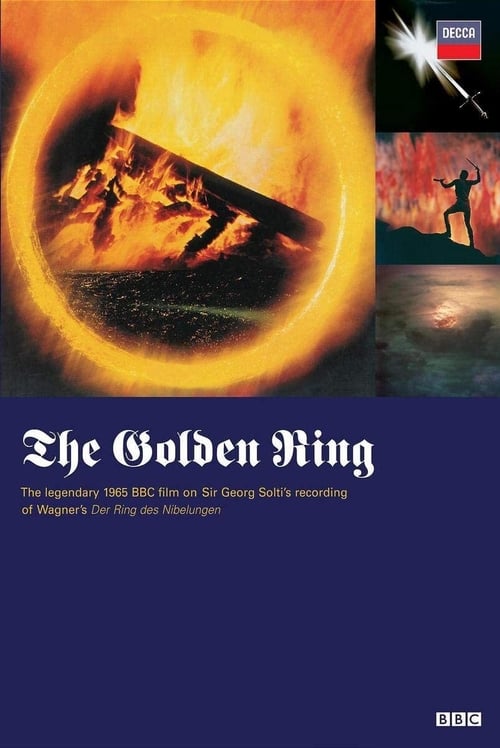
Watching the Vienna Philharmonic, Georg Solti, and a stellar cast record Wagner's immense Götterdämmerung for Decca in the fall of 1964 provides a thousand lessons in the art of working under pressure. For this classic documentary, The Golden Ring, a BBC camera crew eavesdropped as producer John Culshaw guided his engineering team through tricky technical maneuvers far removed from the relative ease of modern digital editing. What utter concentration and focus Birgit Nilsson, Wolfgang Windgassen, Gottlob Frick, and Dietrich Fischer-Dieskau bring to their collective and individual singing! Solti, for his part, oozes energy and exactitude as he pleads for greater precision and frets over details in the car en route to the sessions.
Don Giovanni, opera in two acts by Wolfgang Amadeus Mozart (Italian libretto by Lorenzo da Ponte) that premiered at the original National Theatre in Prague on October 29, 1787. The opera’s subject is Don Juan, the notorious libertine of fiction, and his eventual descent into hell. For Mozart, it was an unusually intense work, and it was not entirely understood in his own time. Within a generation, however, it was recognized as one of the greatest of all operas. Presented by the Salzburg Marionette Theatre with narration provided by Sir Peter Ustinov.
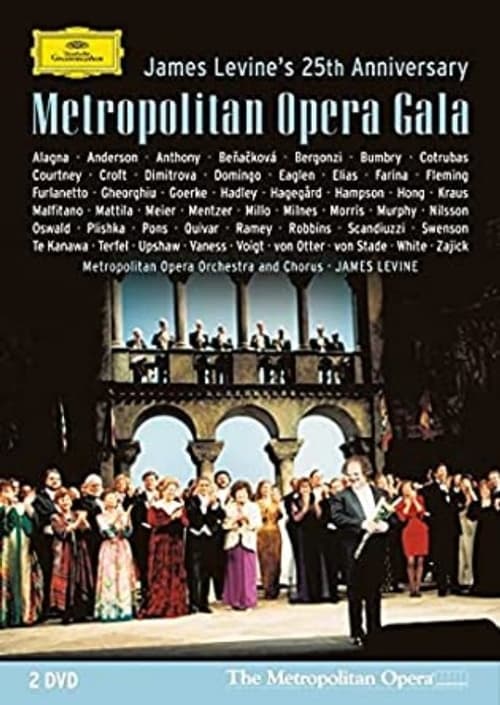
This tribute to James Levine, first shown on PBS, was only part of that glorious evening. Here we have the whole performance, up to three hours. I could not stop watching these discs. Let me say this much; Levine has done for the Met, making it the premier opera house in the world, what Karajan did with the Berlin, making it one of the finest orchestras ever. So sit back and enjoy.
In the autumn of 1968, Director Eric M. Nilsson and film team accompany Swedish opera singer Birgit Nilsson during the many-faceted events of her life, on and off stage.
Sören, a poor tailor with many children, dreams of becoming a miller and buys the windmill of the village with money he does not have.
It's hard to imagine confirmed Straussians not wanting this starry Metropolitan Opera performance of Elektra. Strauss and his librettist, Hugo von Hofmannstahl, transformed Sophocles' take on Homer's tale into a harrowing opera noir. Elektra lives for one reason, to kill her mother, Klytämnestra, and her stepfather, Aegisth, the murderers of her father, Agamemnon. In contrast to Elektra's vengeful obsession, her sister Chrysothemis desires to get on with life. When their long-missing brother, Orestes, returns to do the deed, Elektra celebrates with a dance of death and, her sole purpose in life fulfilled, dies. Strauss joined the hermetic plot to music of the utmost opulence, violent and yearning by turns, evoking the cardinal principles of Greek tragedy - pity and terror.
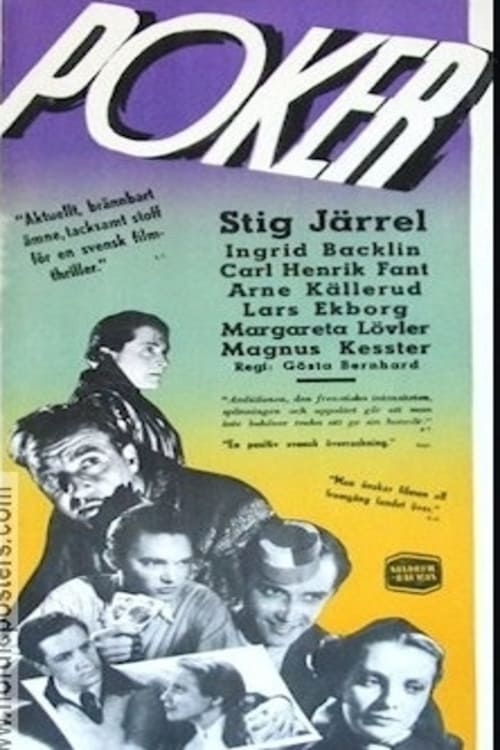
Sven Bergström is charged with murder, alternatively a man slaughter, on an infamous professional poker player called "The Rover". The trial is in progress. In retrospect, we witness Svens life until the time of the crime.
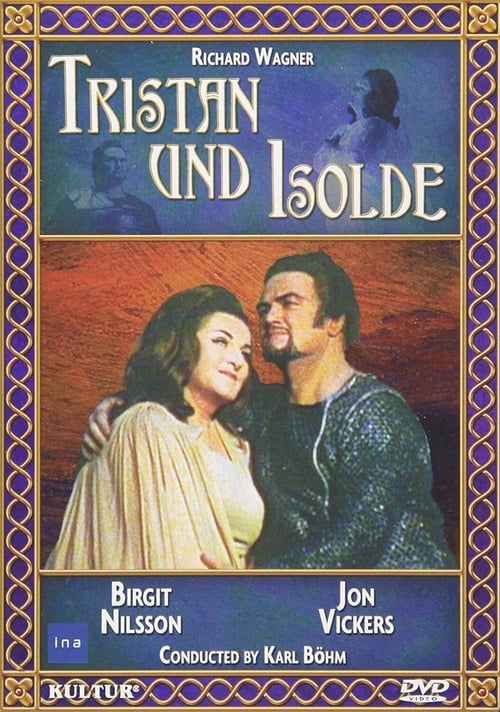
Birgit Nilsson and Jon Vickers star in this filmed record of the Theatre Antique d'Orange's acclaimed 1973 production of Wagner's epic tale of doomed love in the Middle Ages. Tristan und Isolde also features the Orchestre National de R.T.F., under the direction of Karl Bohm.