Crew
In the years before Ronald Reagan took office, Manhattan was in ruins. But true art has never come from comfort, and it was precisely those dire circumstances that inspired artists like Jim Jarmusch, Lizzy Borden, and Amos Poe to produce some of their best works. Taking their cues from punk rock and new wave music, these young maverick filmmakers confronted viewers with a stark reality that stood in powerful contrast to the escapist product being churned out by Hollywood.
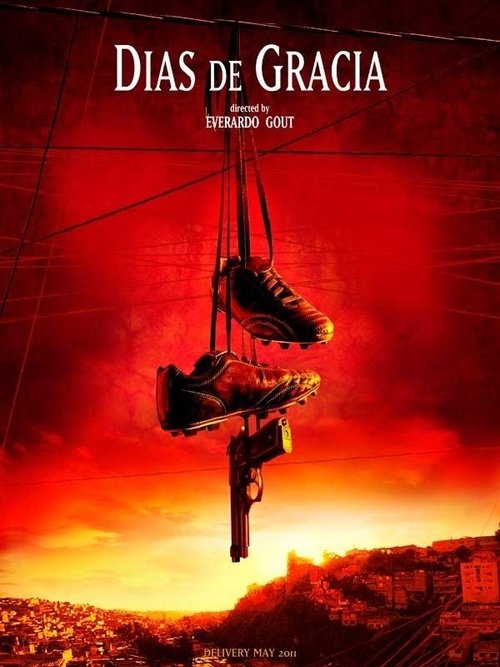
Mexico City. 2002, 2006, 2010. A cop. A hostage. A wife. Corruption, violence, vengeance. Three destinies, during 30 days, during three Soccer World Cups. Three ways to fight in order to survive.
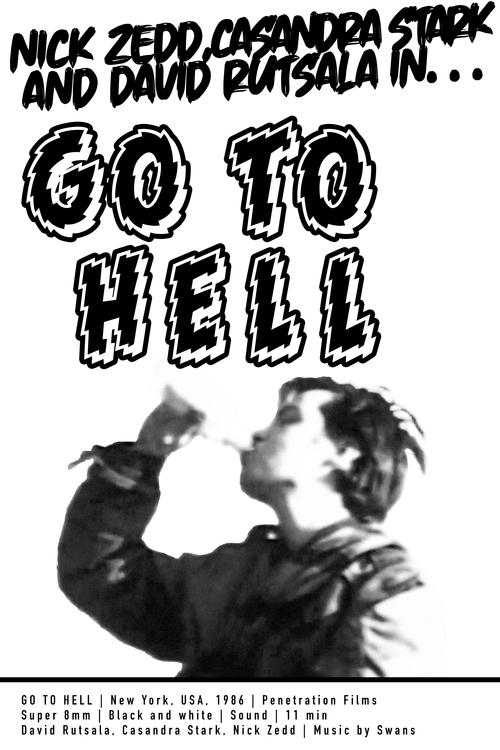
The apparent strangeness of two sisters becomes easily understood as they wreak appropriate revenge on one of their abusive husbands, by tying him up and imprisoning him on their rooftop. They slowly descend into madness as Stark wraps her head in bandages and paints her face white while clutching a baby doll.
A junkie wakes up on the streets and walks around, seeing a woman dressed in all white and a heroin addict shooting up.
Casandra and Natz pose as a couple locked in a domestic dispute documenting the futility of human relationships and the pointlessness of love.
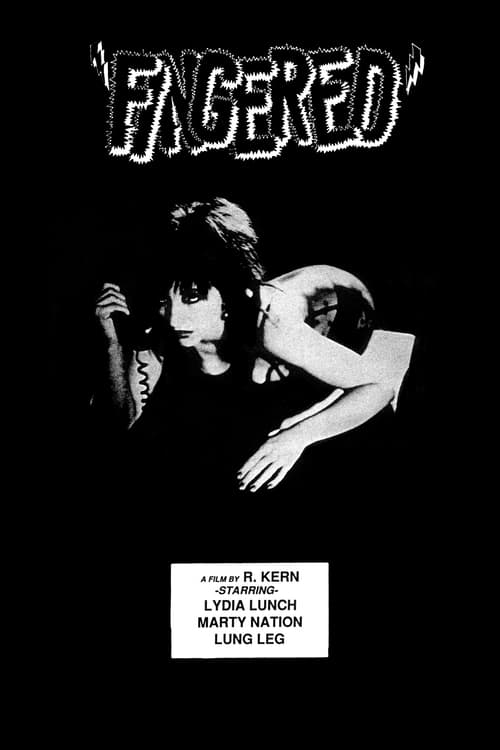
One of Richard Kern’s most ambitious works is Fingered (1986), whose sarcastic disclaimer says “although it is not our sole intention to shock, insult, or irritate, you have been warned that we are catering only to our own preferences.” The film came about following the criticism of Kern and Lydia Lunch's first collaborative venture: The Right Side of My Brain (1984).