Directing
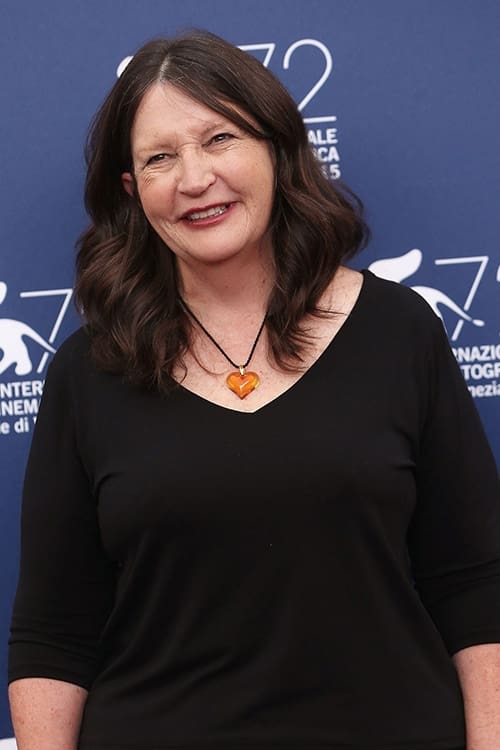
Sue Brooks (born 1 May 1953) is an Australian film director and producer.
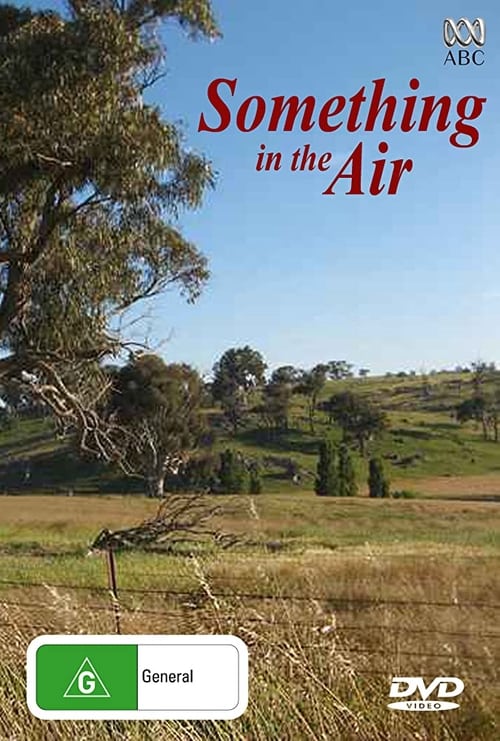
Something in the Air was an Australian television soap opera transmitted by the Australian Broadcasting Corporation between 2000 and 2002. It was one of the first programs in Australia that was filmed in widescreen. It won the AACTA Award for Best Television Drama Series in 2001.
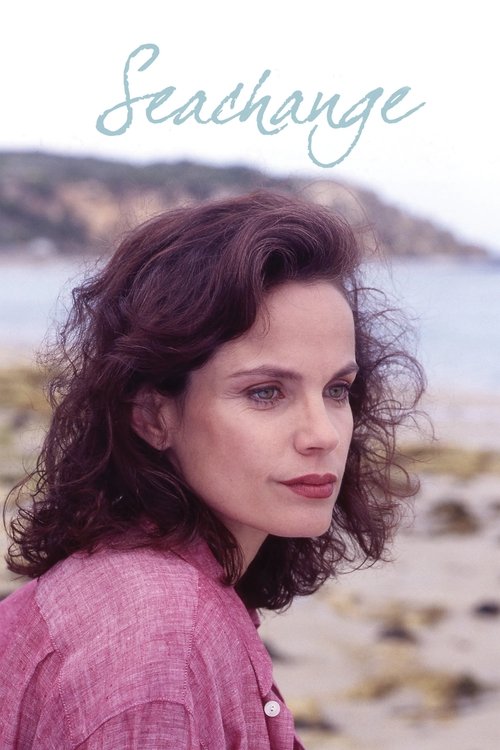
SeaChange is a popular Australian television show that ran for 39 episodes from 1998 to 2000 on the ABC. It was created by Andrew Knight and Deborah Cox and starred Sigrid Thornton, David Wenham, William McInnes, John Howard, Tom Long and Kerry Armstrong. The director was Michael Carson. Filming was based at Barwon Heads, Victoria and St Leonards, Victoria, both locations being on the Bellarine Peninsula. A number of streets in the St Leonards Sea Change Estate have since been named to acknowledge some of the characters of the series. Many scenes were also filmed in Williamstown, including the exterior of the Williamstown Life Saving Club, which became the court house of Pearl Bay.
Series revolving around community youth radio station 99.9 Raw FM and the young people who run it.
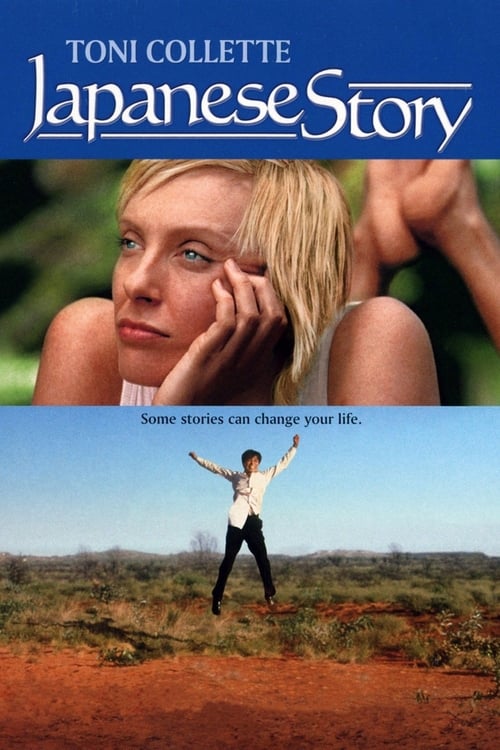
Sandy, a geologist, finds herself stuck on a field trip to the Pilbara desert with a Japanese man she finds inscrutable, annoying and decidedly arrogant. Hiromitsu's view of her is not much better. Things go from bad to worse when they become stranded in one of the most remote regions on Earth.
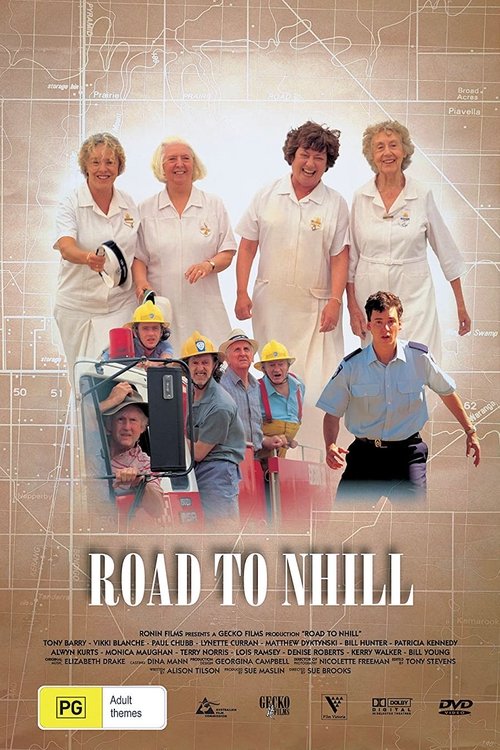
Four women bowlers on their way home to Pyramid Hill (population 550) from a tournament roll their car on a deserted road in rural Victoria. They are coping fairly well until the local men and emergency services start trying to help.
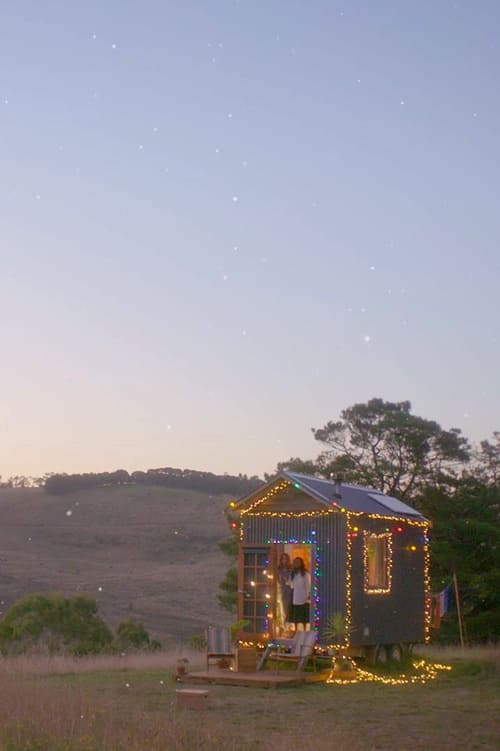
Frankie and Charlie have moved to a tiny house. They regret it. It’s Christmas Eve. Frankie is miserable. Charlie’s organised a festive family lunch. Then Charlie finds a disoriented cockatiel by the river. She tucks him into a box and brings him inside. Little do they know – this bird has its own agenda. Nobody seems to notice something strange has started falling from the sky.
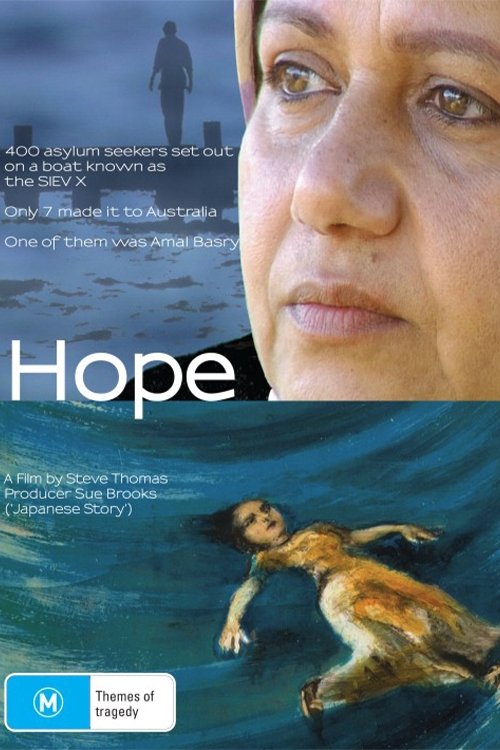
Amal Basry watched 'Titanic' at a cinema in Baghdad the night before she fled Iraq. Eighteen months later, the people smuggling boat she was on sank between Indonesia and Australia. Three-hundred and fifty people drowned. Amal survived by clinging to the floating body of a dead woman for 22 hours. Now she fights to make sure the SIEV X disaster is not forgotten, to reunite her family and 'find what it was I lost in the ocean'...
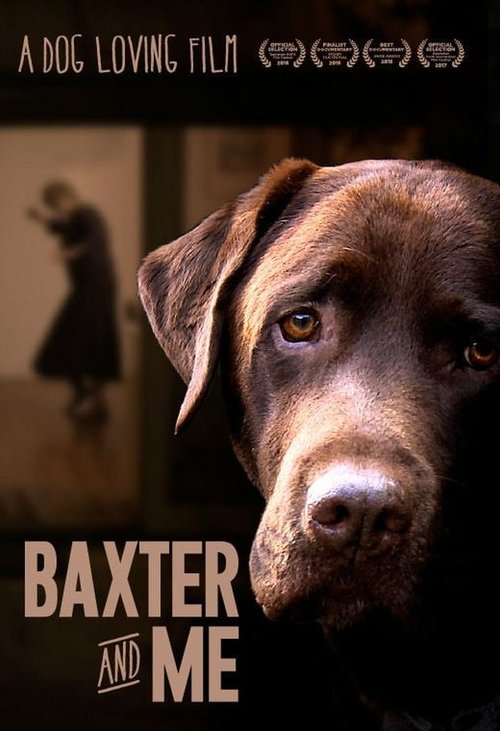
In this charming documentary, director Gillian Leahy combines her two great passions: dogs and film. She openly reveals her life story through a canine prism – lovers may come and go, but there are always the dogs. Leahy also weaves in her filmmaking career, starting out at the Women's Film Workshop in 1970s Sydney and the newly formed AFTRS. Dogs have carried her through childhood illness and heartbreak; in return she lavishes care, and frets over their waywardness. Today, she shares her life with a big brown Labrador called Baxter. There are echoes of Leahy's award-winning My Life Without Steve, a study in love and loss, in this meditative and romantic film.
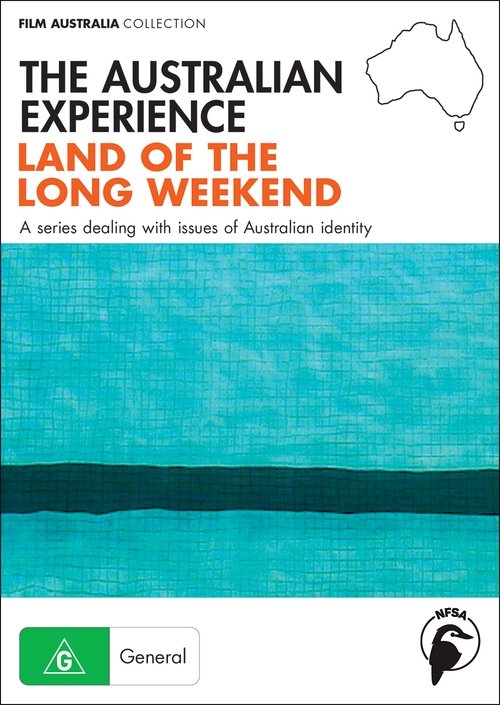
This film examines how, since white settlement, Australians have structured, and restructured, their time. Despite some basic inequalities, Australia was a new nation trying to throw off the conditions of the Old World. Even two world wars and severe economic depression could not deter Australians from pursuit of “the fair go”. By the 1950s most middle class Australians lived in an ordered, protected, prosperous world of school, employment, Saturday afternoon sport and the Sunday roast. Yet today Australia is following the global trend towards a population divided between the overworked and the underemployed. The old 9 to 5 certainties are no longer in place. People work from home via computer; shop in non-stop trading supermarkets seven days a week; and online 24 hours a day. Overtime has increased and penalty rates are disappearing.
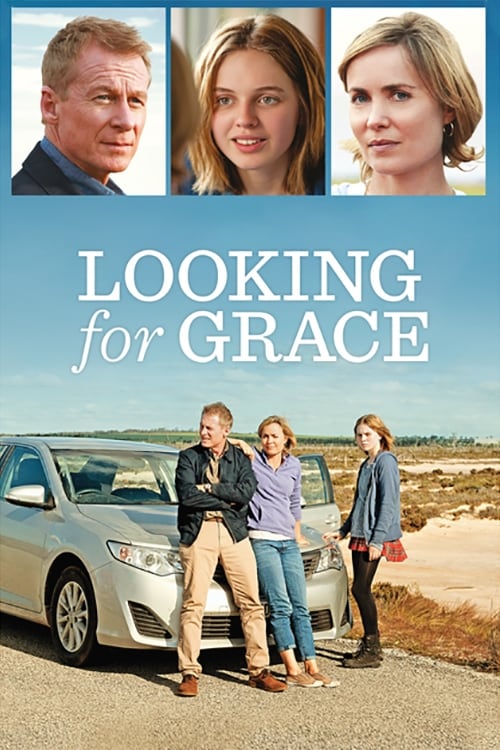
When rebellious 16-year-old Grace takes off, her exasperated mum and dad enlist the help of a close-to-retirement detective, and begin the long drive from Perth out to the West Australian wheatbelt to try to find her. On the journey, the two must confront the realities of their changing relationship to one another, and to their daughter…
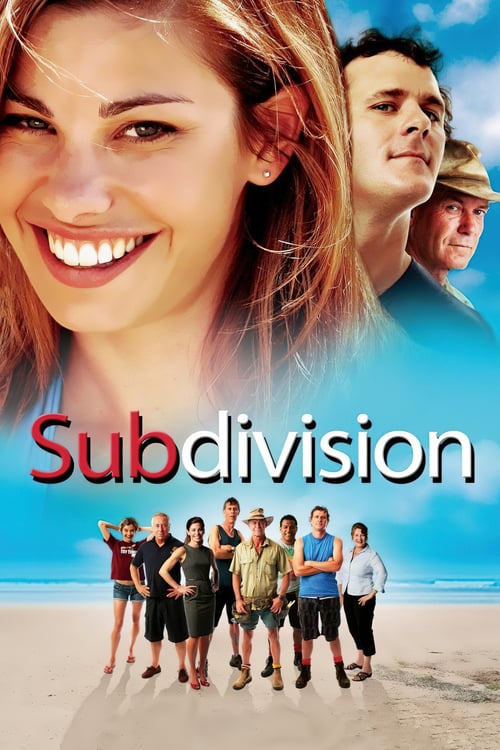
Based on the change a rapidly growing town faces when southern developers take over.
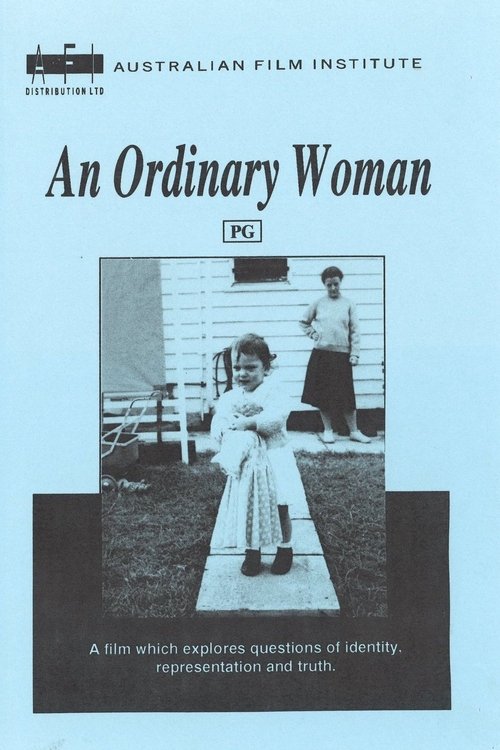
Jackie is 38 years old. She lives with John and they have two small children. Once she wanted to be an opera singer. Once, she had a boyfriend called Paul who married someone else. Once she travelled overseas. In the sixties she was in love with Charlie. In the seventies she sang in a band. In the eighties she makes scones with the kids. In the process of (re)presenting an ordinary woman's life this film explores questions of identity, representation and truth.
The Australian myth of the ‘drover's wife' retold from a different perspective.