FEEL IT.STREAM
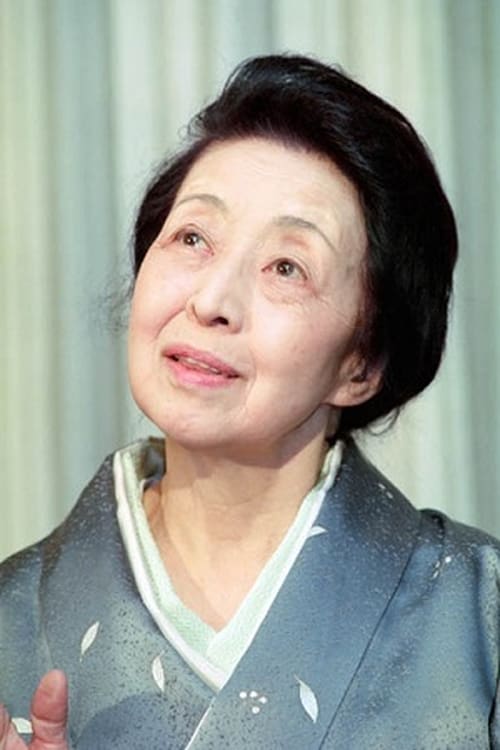
Sadako Sawamura

Sadako Sawamura

Acting

Biography

Sadako Sawamura (沢村貞子, Sawamura Sadako; 11 November 1908 – 16 August 1996) was a Japanese stage and film actress and essayist who appeared in more than 350 films between 1935 and 1976. Sawamura was born in the Asakusa district of Tokyo. After dropping out of Japan Women's University, she was active in left-wing theatre groups and was twice arrested for her political beliefs, spending over a year in prison with much of it in solitary confinement. She started acting in films in 1934, first at the Nikkatsu studio, later at Toho. She appeared in many supporting roles after the war, often working with director Mikio Naruse. Sawamura also acted in films by directors including Kenji Mizoguchi, Yasujirō Ozu, Keisuke Kinoshita and Kaneto Shindō. Her brothers were the actors Daisuke Katō and Kunitarō Sawamura. Her autobiography Watashi no Asakusa has been translated into English as My Asakusa. She was married three times: to actor Shigeo Imamura (1931-33), actor Kamatari Fujiwara (1936-46) and subsequently to film magazine editor and critic Yasuhiko Ohashi (1968-96, though domestic partners from 1946 onward).
Known For

Otei-chan
N/A

The 21st NHK Asadora. Starring Chikako Yuri in a dramatization of the life of Sadako Sawamura.

Otei-chan

1978
Good Morning
7.7

A lighthearted take on director Yasujiro Ozu’s perennial theme of the challenges of inter­generational relationships, Good Morning tells the story of two young boys who stop speaking in protest after their parents refuse to buy a television set. Ozu weaves a wealth of subtle gags through a family portrait as rich as those of his dramatic films, mocking the foibles of the adult world through the eyes of his child protagonists. Shot in stunning color and set in a suburb of Tokyo where housewives gossip about the neighbors’ new washing machine and unemployed husbands look for work as door-to-door salesmen, this charming comedy refashions Ozu’s own silent classic I Was Born, But . . . to gently satirize consumerism in postwar Japan.

Good Morning

1959
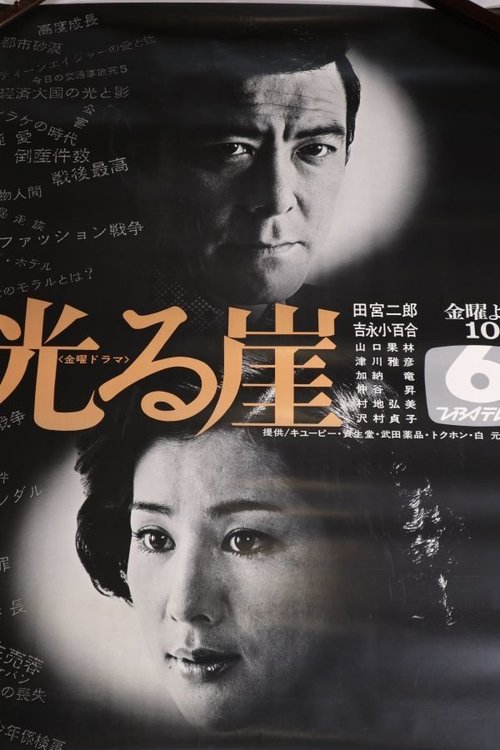
Hikarugake
N/A

The drama depicts the fateful meeting and falling in love between a man living in the glamorous world of the fashion business and a woman living in the social reality of law and order.

Hikarugake

1977
The Life of Oharu
7.7

During the Edo Period, a noblewoman's banishment for her love affair with a lowly page signals the beginning of her inexorable fall.

The Life of Oharu

1952
Chûshingura
7.1

After their lord is tricked into committing ritual suicide, forty-seven samurai warriors await the chance to avenge their master and reclaim their honor.

Chûshingura

1962
No image
N/A

No description available.

おれの義姉さん

1970
When a Woman Ascends the Stairs
8.0

Keiko, whom everyone calls Mama, narrates her story: she's a hostess on the Ginza, 30, a widow. She describes life's vicious cycle: acting cheerful around drunks, dressing and living well to convey confidence, needing money for these expenses and for her demanding mother and brother, and knowing she's growing older.

When a Woman Ascends the Stairs

1960
Daikazoku
N/A

No description available.

Daikazoku

1984
Late Autumn
7.7

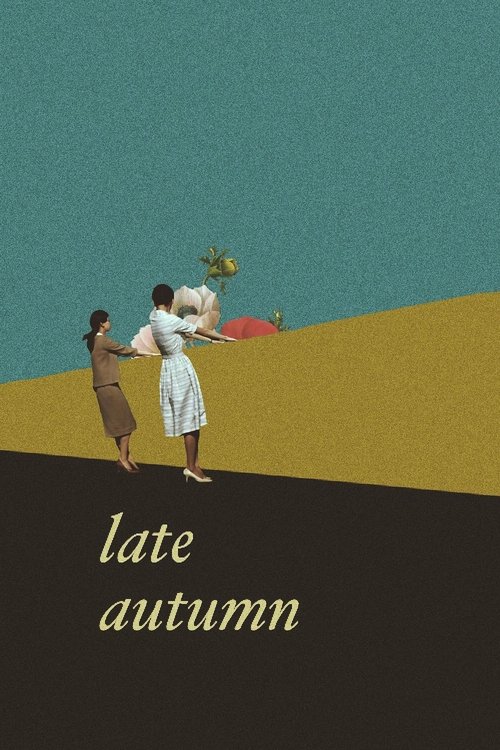
A woman and her daughter are each forced to contend with an increasing pressure to marry, particularly from three men who knew her late husband.

Late Autumn

1960
Untamed Woman
7.5

A woman marries, gives birth to a stillborn child, and divorces, falls in love with a hotel-keeper, only to find herself subordinated to his drive for success, takes up with a tailor who cannot console himself with her strong personality.

Untamed Woman

1957
Street of Shame
7.7

Follows five sex workers employed at a Japanese brothel while the nation debates the passage of an anti-prostitution law.

Street of Shame

1956
Four Sisters
6.0

A story about the lives of four sisters and their manipulative mother who must come to terms with each of their decisions in life.

Four Sisters

1962
Late Chrysanthemums
7.3

What is the life of a Geisha like once her beauty has faded and she has retired? Kin has saved, and become a wealthy money-lender, spending her days coldly collecting debts. Even her best friends, fellow Geisha Tomi, Nobu, and Tamae, are now indebted to her. For all of them, the glamour of their young lives has passed; Tomi and Tamae have disappointing children. Kin has two former lovers who still pursue her; one she wants to see, and the other she doesn't. But even the one she remembers fondly, when he shows up, proves less than satisfactory.

Late Chrysanthemums

1954
Princess Finds Her Prince
N/A

No description available.

Princess Finds Her Prince

1953
Nunnery Confidential
5.5

Erotic Pinku film showcasing he life of Buddhist nuns during the Edo Period.

Nunnery Confidential

1968
New Third Class Executive: Husband Education
8.0

Amid management shakeups and arranged marriage plans at Sekai Electric, an executive couple tries to support a young woman’s relationship with an academic over a business heir.

New Third Class Executive: Husband Education

1960
A Fugitive from the Past
7.3

Three robbers escape with loot from a heist before one of them kills the others. Their corpses wash up near the aftermath of a maritime calamity, provoking a policeman's interest.

A Fugitive from the Past

1965
No image
7.0

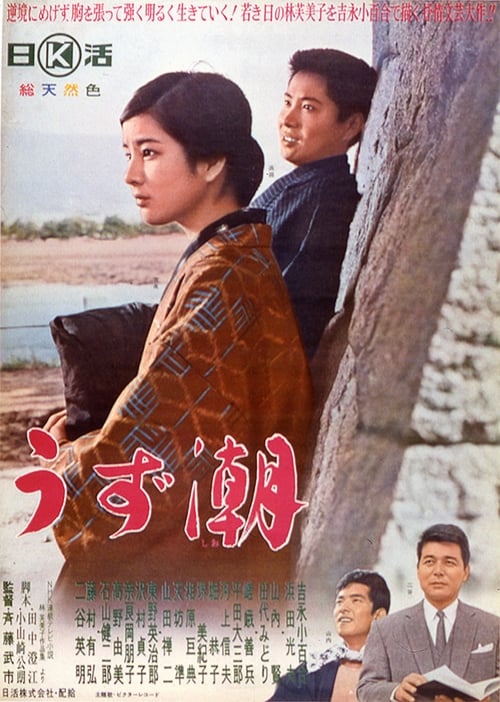
Former playmates (Naito and Tamura), both long ago abandoned by their parents, recall their youth and fall in love.

Once a Rainy Day

1966
Mother
7.0

A teenaged girl witnesses her widowed mother's attempt to sustain her family.

Mother

1952
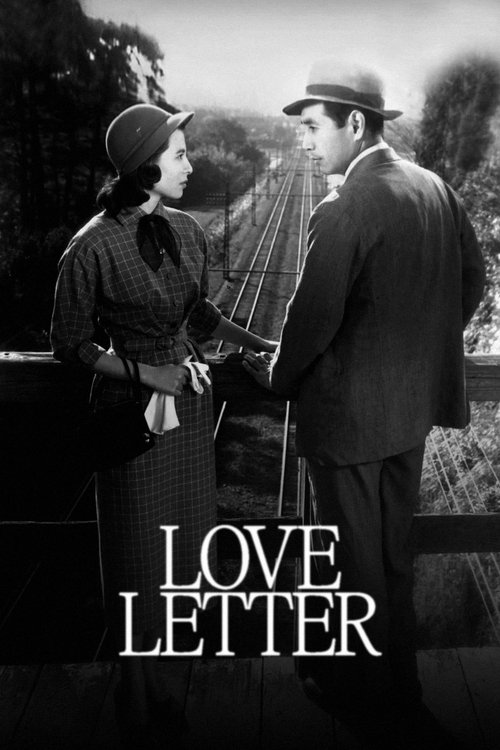
Love Letter
6.8

Five years after the end of the Second World War, Reikichi, a repatriated veteran, translates love letters for Japanese women to American GIs, while searching for his lost love, Michiko.

Love Letter

1953