Acting
A samurai answers a village's request for protection after he falls on hard times. The town needs protection from bandits, so the samurai gathers six others to help him teach the people how to defend themselves, and the villagers provide the soldiers with food.
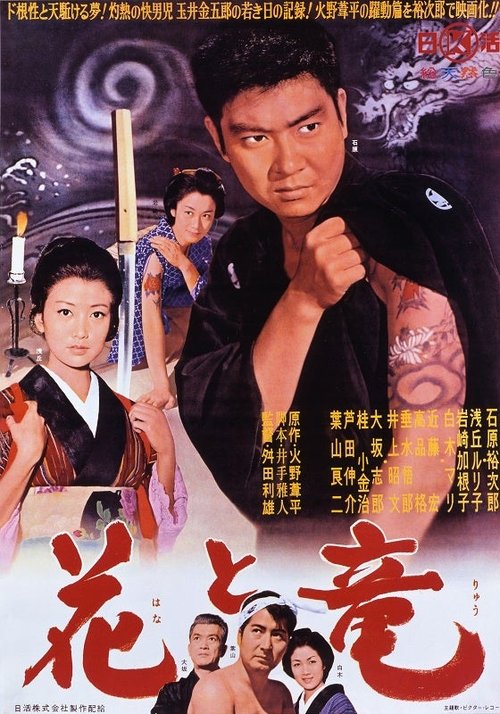
In the late 1890s, coal is a precious new natural resource. During an era of rapid economic growth, dreams are instilled into the lives of many across Japan. A vigorous young man with a look of fearless determination, sets foot on the northern part of Kyushu, an area where Yakuza thrived. His name is Kingoro Tamai (Yujiro Ishihara). With plans to travel the world, Kingoro worked diligently at a coal mine. His loyalty and hard work earned the respect of his peers, his courage won the heart of the beautiful Mon (Ruriko Asaoka), and his success evoked jealousy in his enemies.
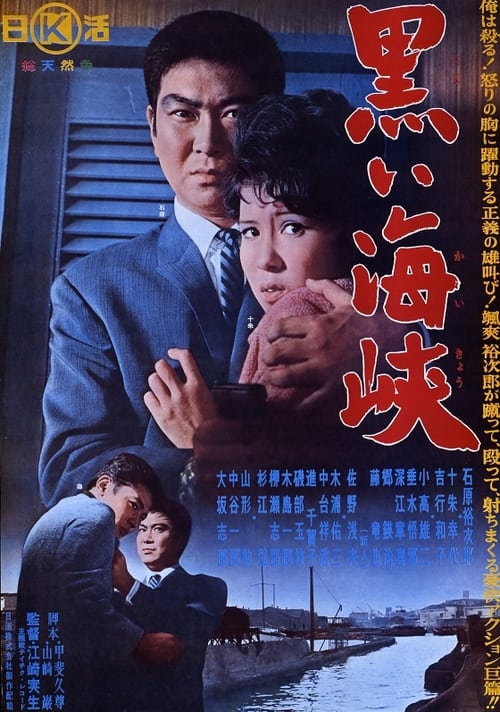
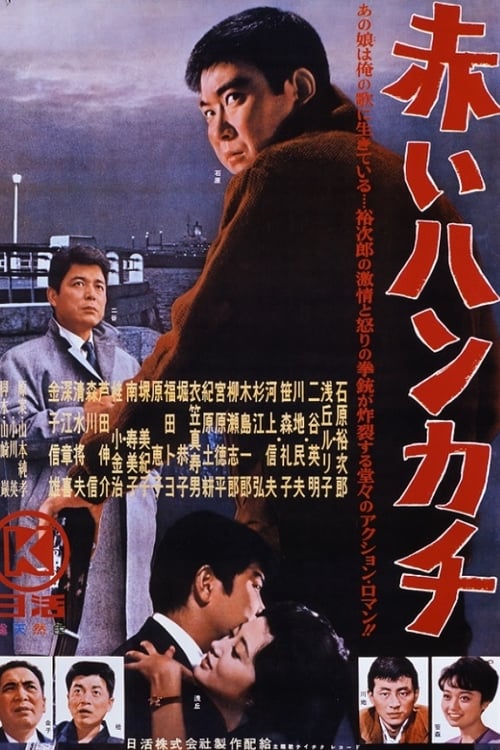
Newly out of prison after killing his boss' rival, Akio Maki is eager to move on and start a new life with the boss' daughter. However, the chains of the past are not so easily broken and Maki is soon ordered to kill again.
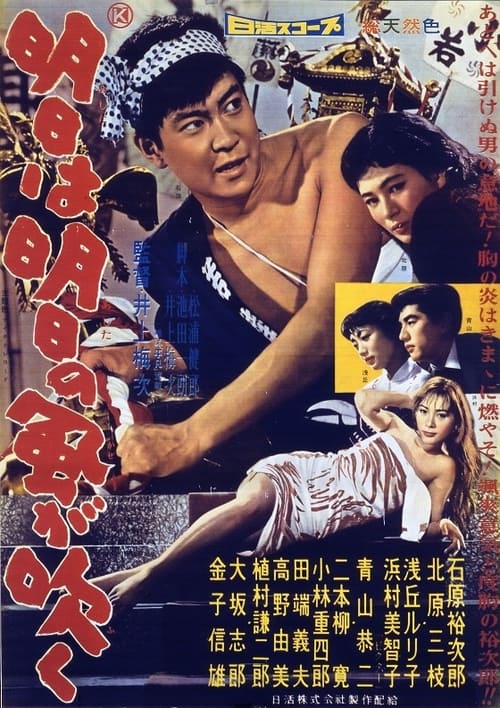
The story of three brothers who struggle to shake free of the father's ties to the yakuza underworld. A star vehicle for the popular singer/actor Yūjirō Ishihara.
At Tokyo Gakuen University, Takema, son of Tatsunosuke, chief of the Waku gang, is a freshman who wishes to prepare himself for a better life away from gang activities despite the wishes of his father who wants him to assist strengthen the gang against the Kawano group. Takema's classmate, Akiko, is the daughter of Eiko who operates a restaurant, and through her he obtains a lodging in the house of Shiu, a dancing mistress. The students enjoy their life, but most have their troubles. Sakamoto works as a laborer on the docks to help pay for his schooling, and Akiko worries over the relationship between her mother and Sakurai, a corrupt politician, suspected to be involved in graft over jet aircraft.
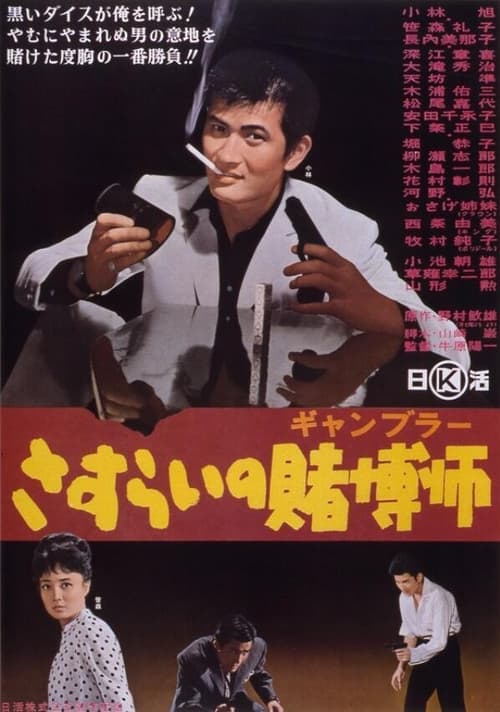
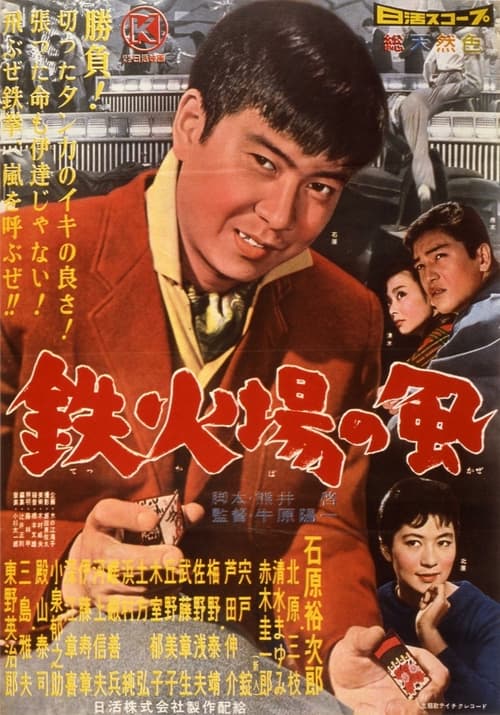
Koji Himuro is the wandering gambler. His brother and his girlfriend were both murdered because he was determined to expose a gambling cheat. As a result, he vows to never gamble again, but in the end, his rage against cheats spurs him to action once again, with deadly consequences.
Hanayome wa Jūgo-sai, directed by Mio Ezaki and distributed by Nikkatsu, stars Masako Izumi and Ken Yamauchi. The high-key pink background and casual photographic portrait embody Nikkatsu’s 1960s youth-film aesthetic. Clean, hopeful, and pop-oriented. The large white title, handwritten for a softer impression, injects playful energy that contrasts with the strict vertical text blocks. As Japan’s youth culture blossomed after the 1964 Tokyo Olympics, posters like this captured the spirit of romance and rebellion marketed to teenage audiences. The vivid color palette and carefree composition signal a stylistic shift from postwar black-and-white melodrama to the vibrant optimism of modern Technicolor cinema.
No description available.
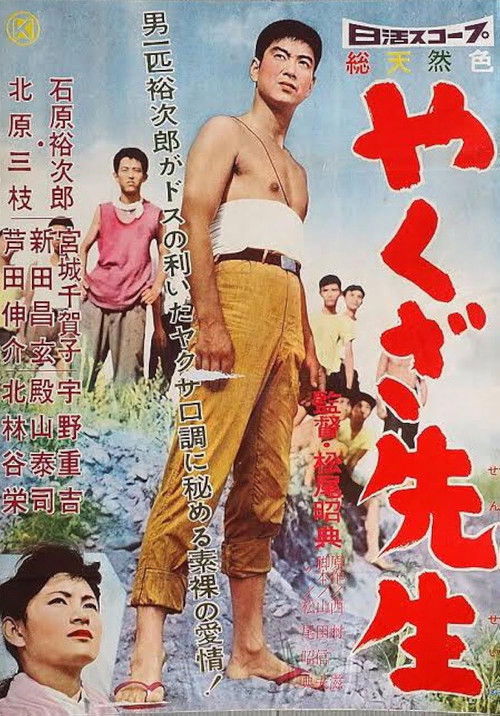
Story of an ex-con trying to go straight, but of course the old ways die hard.
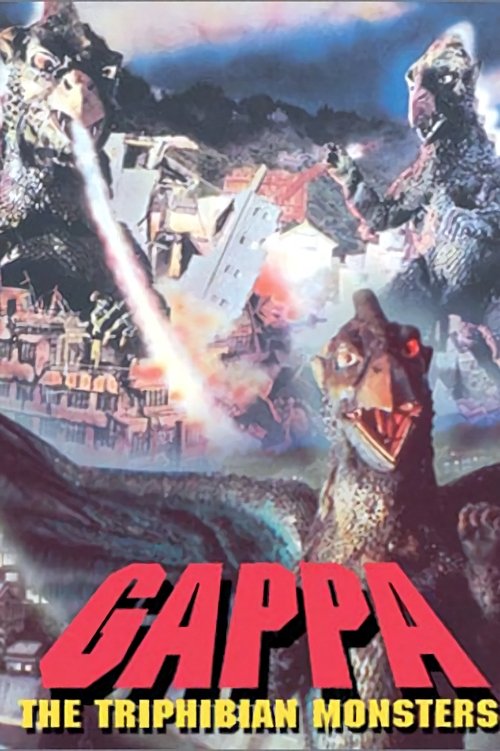
An expedition in the South Pacific lands on a tropical island where the natives worship the mysterious deity Gappa. An earthquake opens up an underground cavern and a baby reptile is discovered inside. The natives warn the foreigners to leave the hatching alone, but they don't listen and take it back to a zoo in Japan. Soon after, moma and papa Gappa start smashing Tokyo looking for their kidnapped child.
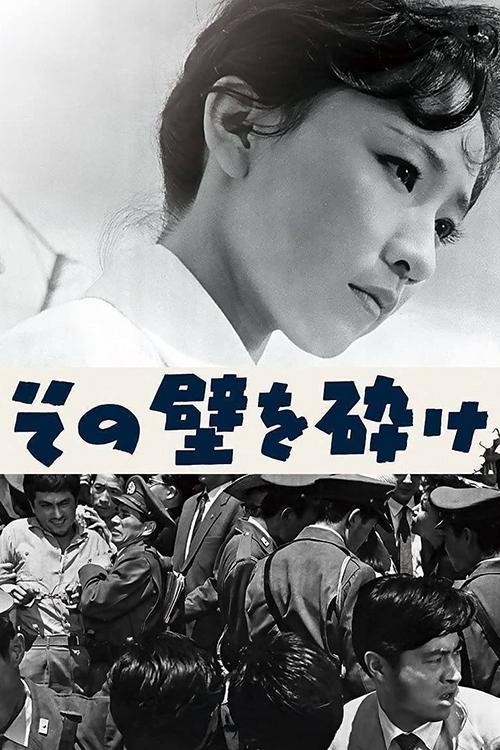
A man is wrongfully accused of murder.
Katiri is a reporter so ambitiously amoral that he’ll sell out anyone—including his partner and the drug dealer he’s sleeping with—to get a scoop. But what happens when an even more ruthless female gang boss kidnaps his sister?
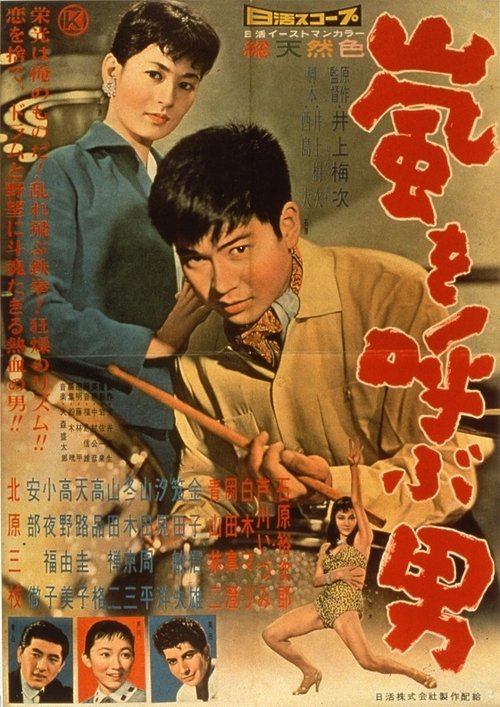
Shoichi Kokubun is a roughneck street musician, who has a brother that is determined to propel him into stardom. In attempt to catch the attention of a popular jazz band, his brother appeals to their manager who has the power to make him a star. In a graphic portrayal of love, betrayal and success, Shoichi brews up a storm with a 'rat-a-tat-tat' on the drums.
Two brothers compete for the amorous favors of a young woman during a seaside summer of gambling, boating, and drinking.
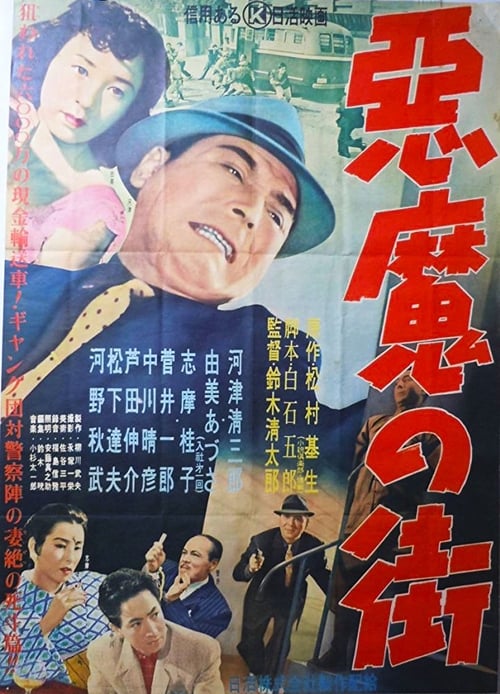
A 1960 crime film
A yakuza boss and his right-hand, Hawasaki, escape from prison. the film concentrates on their relationship, emphasizing loyalty and thier eventual betrayal, enroute they get involved in money trafficking, a cop killing and horse racing scams before the inevitable tragic ending. A patch-work production.
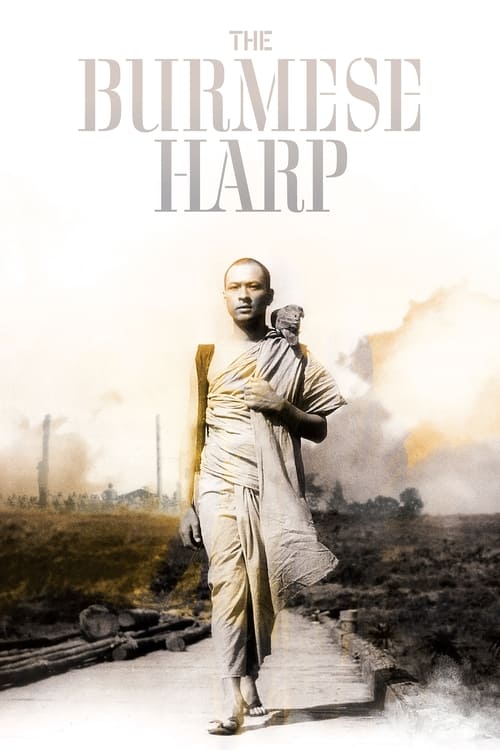
In Burma during the closing days of WWII, a Japanese soldier separated from his unit disguises himself as a Buddhist monk to escape imprisonment as a POW.
A hot-shot detective in Yokohama kills a witness during a drug investigation. He flees to the countryside and evades his past for several years, only to return to find the woman he loved married to his former partner. He searches for answers to his troubled past, knowing that his inevitable doomed fate is more or less sealed.
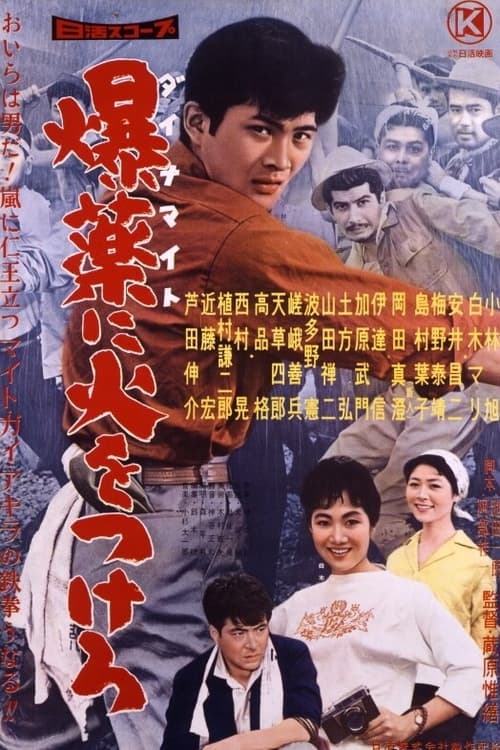
Three young men face off against corrupt officials and Yakuza in order to complete a reclamation project of the coastal embankment, who try to derail the project every step of the way until a tsunami hits, putting everyone in danger.