Acting
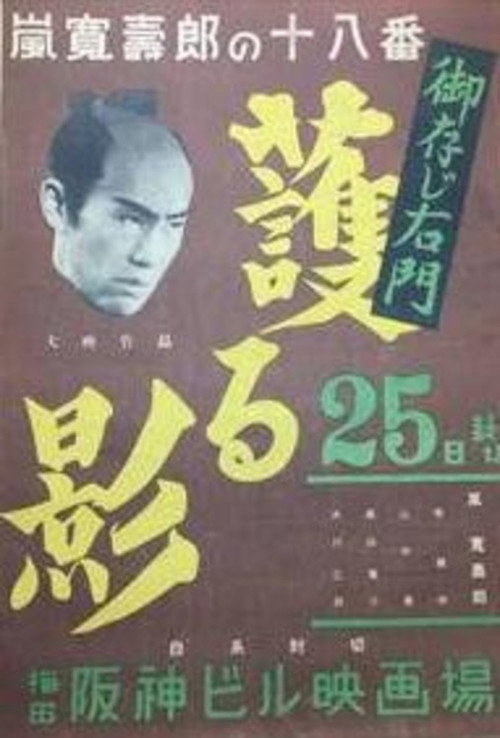
In the third, and final chapter of this epic tale, handsome swordsman Genji helps a vulnerable princess who is in search of a missing scroll that belongs to the Shogun. This is one of the most highly regarded trilogies featuring a youthful Nakamura Kinnosuke in one of his best roles. This was Kinnosuke at the height of his career, with charm, honor and a vicious sword. If you enjoyed the first two films in the series, you can't miss the exciting conclusion. Even without know-ledge of the first two films, this movie stands on its own with great action throughout!
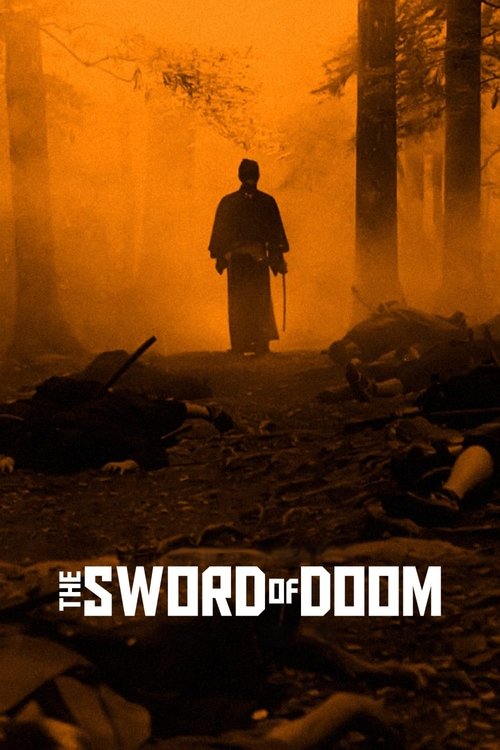
Ryunosuke, a gifted swordsman plying his trade during the turbulent final days of Shogunate rule, has no moral code and kills without remorse. It’s a way of life that leads to madness.
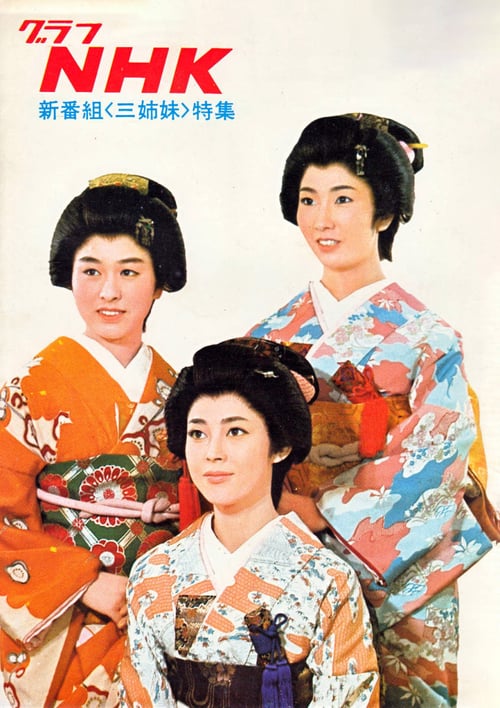
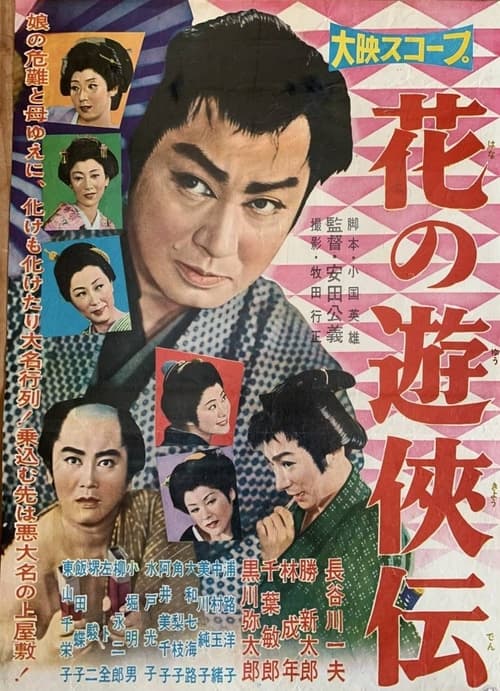
The Story is about three daughters of a "Hatamoto" during the end of the Edo period and the Meiji Restoration.
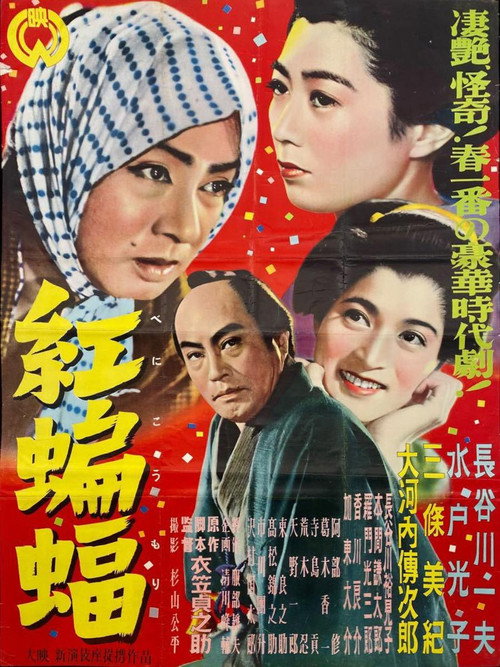
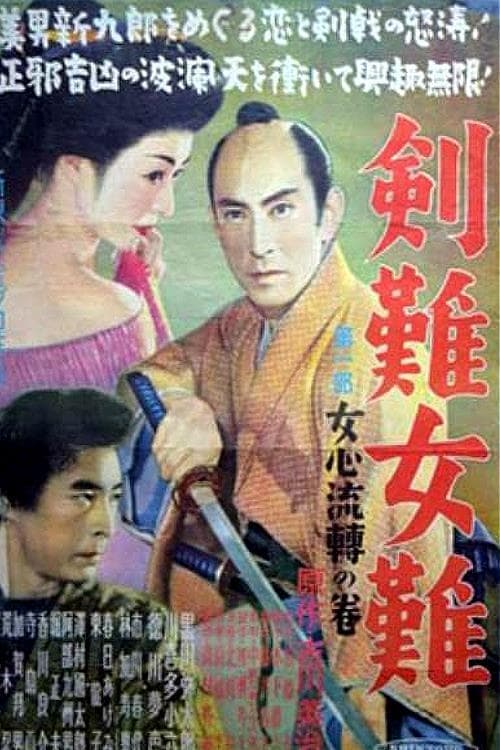
A bizarre duel on a snowy night with a woman at stake, a sudden and brazen murder, and a thrilling chase of love and passion.
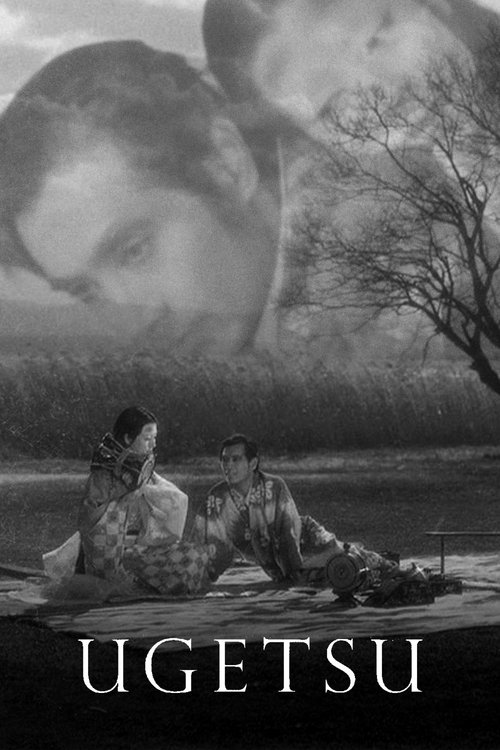
In 16th century Japan, peasants Genjuro and Tobei sell their earthenware pots to a group of soldiers in a nearby village, in defiance of a local sage's warning against seeking to profit from warfare. Genjuro's pursuit of both riches and the mysterious Lady Wakasa, as well as Tobei's desire to become a samurai, run the risk of destroying both themselves and their wives, Miyagi and Ohama.
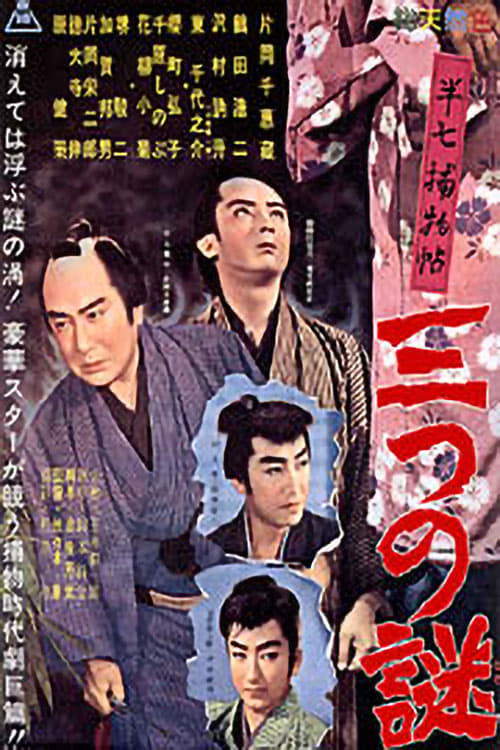
Detective Hanshichi (Kataoka Chiezo) solves 3 mysterious murder cases. Great story and an impressive all-star cast, a must see!
During the tumultuous end of the Tokugawa shogunate, the Tengu Party rose in rebellion in Mito. Friends from their hometown, Tanaka Genzo and Fujita Koshiro, each walked different paths. Koshiro, who upheld the philosophy of "Revere the Emperor, Expel the Barbarians," became a leader of the Tengu Party, taking refuge in the mountains. Genzo, however, did not have any particular ideological stance.
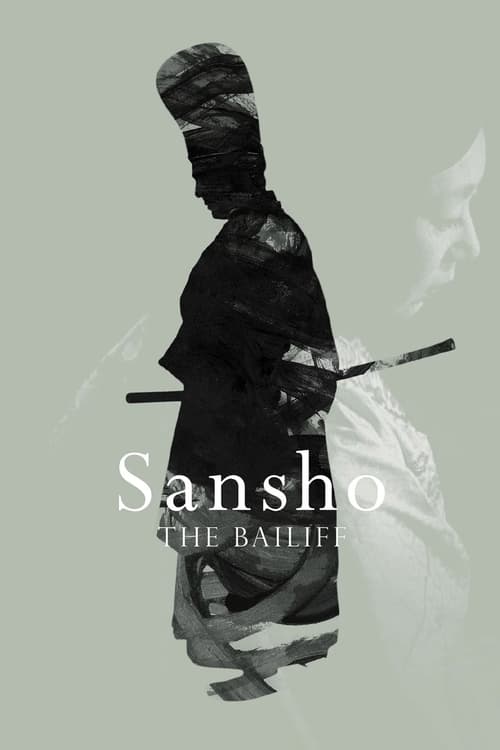
In 11th-century feudal Japan, following the exile of an idealistic governor, his wife and children are separated by slave traders; the children, Zushio and Anju, are sold into brutal servitude under the cruel bailiff Sansho.
No description available.
Chubei, the adopted son of an Osaka courier, falls desperately in love with the courtesan Umegawa. To prevent a wealthy client from purchasing her, he steals money from his employer to buy her freedom himself. Now hunted criminals, the lovers flee toward Yamato, pursued by the law.
The first film produced by Daiei.
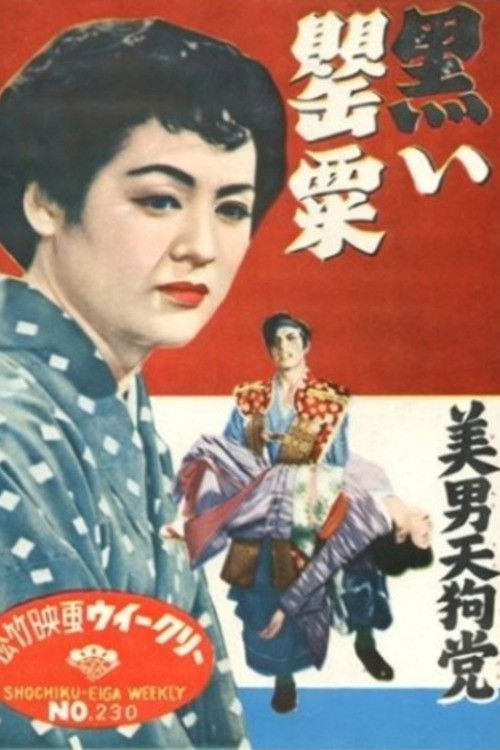
A late-night murder, a kidnapping… and a thrilling tale of the legendary “Cndor” in action as he takes on a counterfeit currency ring operating deep beneath the metropolis.
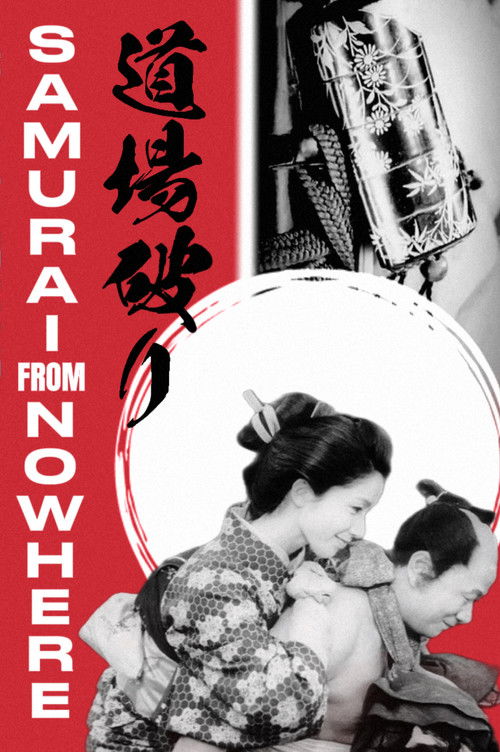
Misawa Ihei (Nagato) is traveling with his wife Tae (Iwashita Shima) who abhors the practice of sword fighting for prize money. Tae is the daughter of the clan's chief counselor who married the low-ranking Ihei to avoid becoming the clan lord's mistress. Into the mix comes Oba Gunjuro (Tetsurō Tamba), a mysterious ronin who will do anything for money. This leads to a fitting climax as the forces of hate and love converge while the couple attempt to break through the border!
1958 Japanese movie
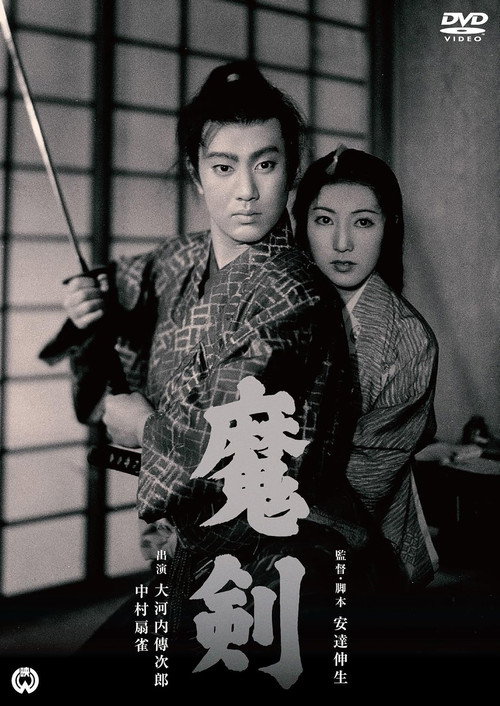
A young swordsman takes on the mysterious, deadly “Demon Sword” wielded by a nihilistic master swordsman who trusts neither human compassion nor a woman’s heart… What is the fate of the undefeated Demon Sword?
A thrilling period drama featuring Kondo Umon’s detective exploits.
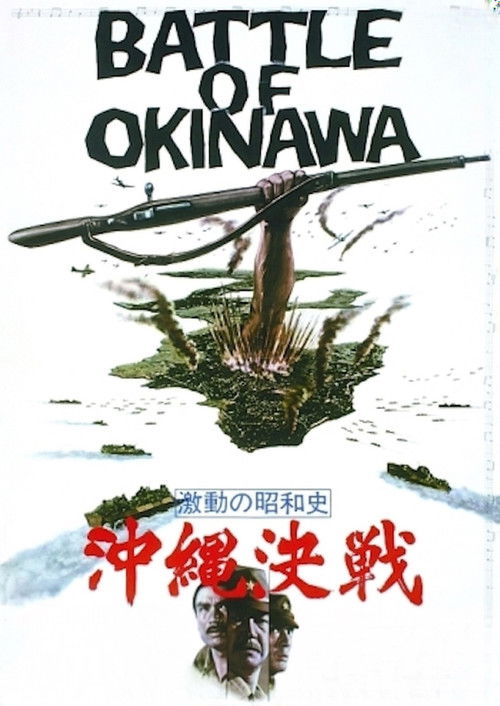
The Americans are swiftly closing on Okinawa, an island just south of the Japanese mainland. The Imperial command sends top generals and several army divisions to defend it at all costs. The mission quickly degenerates as vital resources and troops are diverted to other islands. After a civilian evacuation ends in tragedy most of non-combatants are forced to remain on the island. Many convert to soldier status. Tokyo sends mixed messages that squander time and resources, as when they order the defenders to build an airstrip for aircraft that never come. The truth soon becomes obvious: the high command decides that the island cannot be held and effectively abandons the Okinawan defenders. When the Americans land many troops are deployed in the wrong places. As the slaughter mounts, a suicidal attitude takes hold. Okinawa becomes a death trap, for civilian volunteers and non-combatants as well.