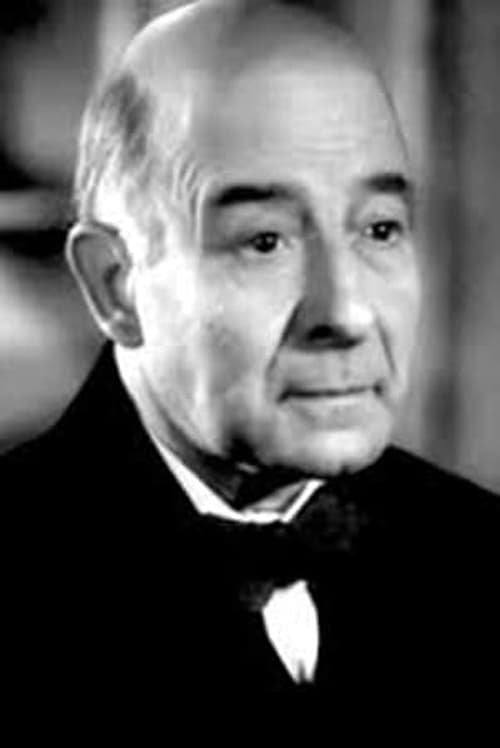
Pierre Palau
Acting
Known For
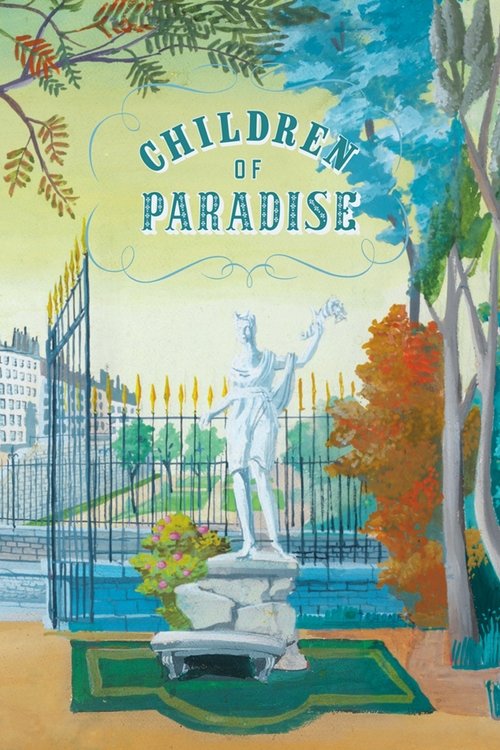
In a chaotic 19th-century Paris teeming with aristocrats, thieves, psychics, and courtesans, theater mime Baptiste is in love with the mysterious actress Garance. But Garance, in turn, is loved by three other men: pretentious actor Frederick, conniving thief Lacenaire, and Count Edouard of Montray.
Children of Paradise

Remy Germain is a doctor in a French town who becomes the focus of a vicious smear campaign, as letters accusing him of having an affair and performing unlawful abortions are mailed to village leaders. The mysterious writer, who signs each letter as "Le Corbeau" (The Raven) soon targets the whole town, exposing everyone's dark secrets.
Le Corbeau
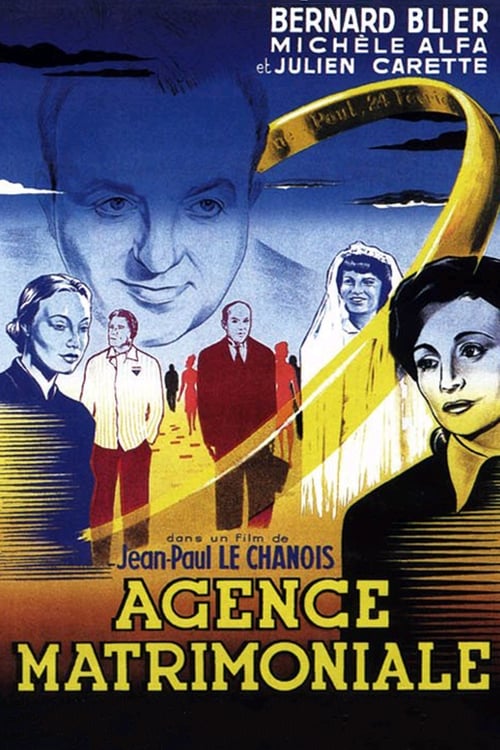
Noël is a bachelor who inherits a matrimonial agency. After contemplating selling it, he chooses to manage it.
Matrimonial Agency
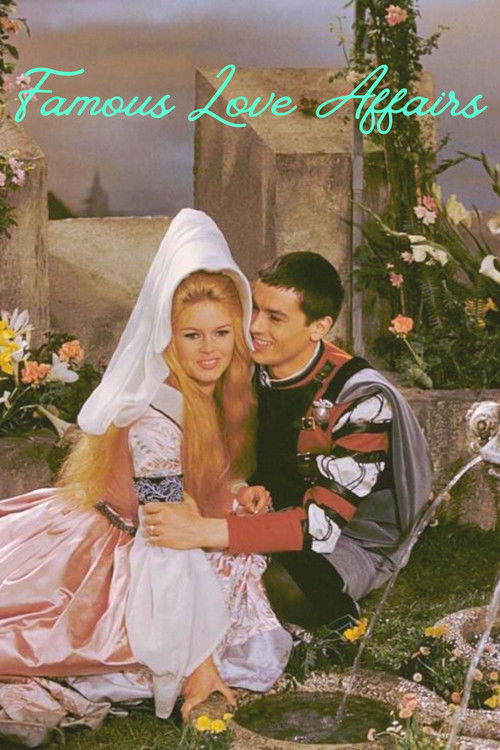
Anthology of four love stories that have some historical basis.
Famous Love Affairs
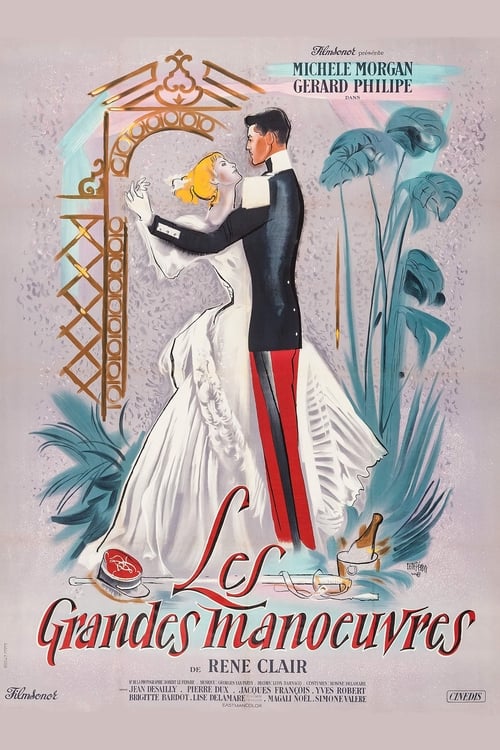
Armand, a boastful womaniser, makes a bet that he can seduce any girl he wants. He soon crosses paths with a beautiful Parisian divorcee, who is nothing like anyone he has ever met before.
The Grand Manoeuvre

An ornithologist mistaken for an explosives expert is sent alone into a small French town during WWI to investigate a garbled report from the resistance about a bomb which the departing Germans have set to blow up a weapons cache.
King of Hearts
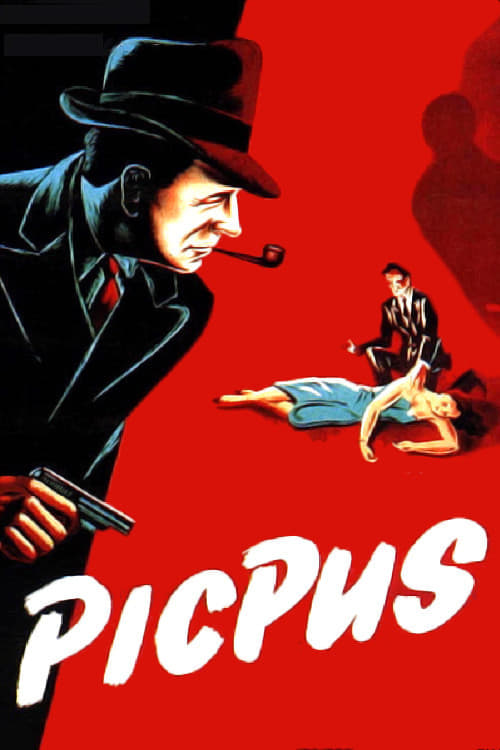
Picpus is a street and a subway stop where a number of murders have been committed. Maigret tries to find the killer.
Picpus

In France during World War I, Marthe waits for her husband, Jacques, while he fights on the front lines. Marthe then begins a tempestuous affair with 17-year-old François, with whom she had a dalliance before marrying Jacques. Jealous François struggles with the fact that Marthe is married, while she tries to prove her devotion to her young, hotheaded lover. Things become even more complex when Marthe becomes pregnant with Jacques' baby.
Devil in the Flesh
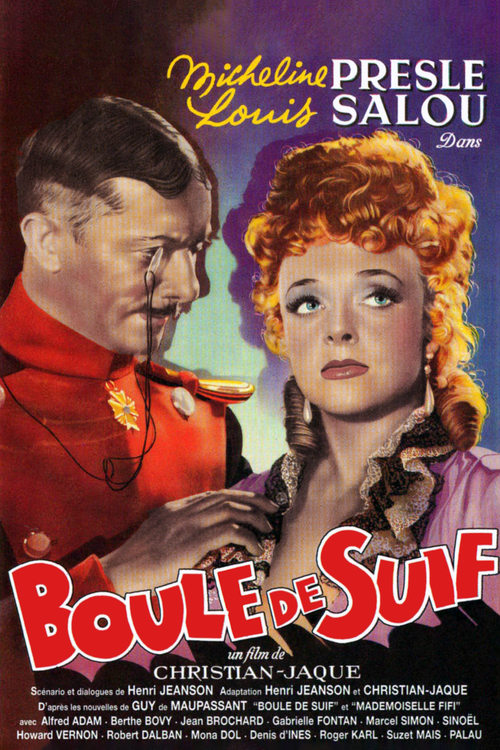
During the stagecoach trip of a frightened group of inhabitants of Rouen, Elisabeth Rousset, known as "Boule de Suif", renders these people a signal service, but comes up against their stupidity and their sufficiency. A little later, Boule de Suif assassinates the formidable Prussian lieutenant whom his friends had nicknamed Fifi and who shamelessly displayed his taste for pillage and his sadistic tendencies.
Angel and Sinner
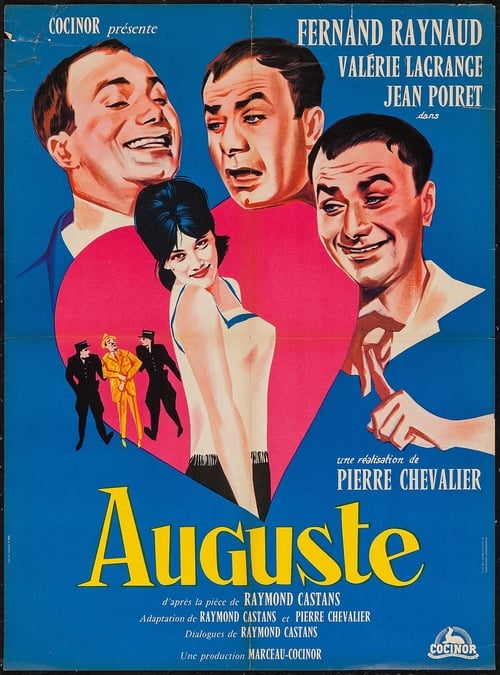
Auguste is about an eponymous bank clerk who finds fame and fortune. Auguste happens to be in the right place at the right time to save young starlet Francine from killing herself -- or more accurately, pretending to kill herself. His supposed heroism hits the news, and before Auguste knows what is happening, a Machiavellian publicist is using him for his own ends. The bank clerk is no fool and soon thinks of a way to come out on top.
Auguste
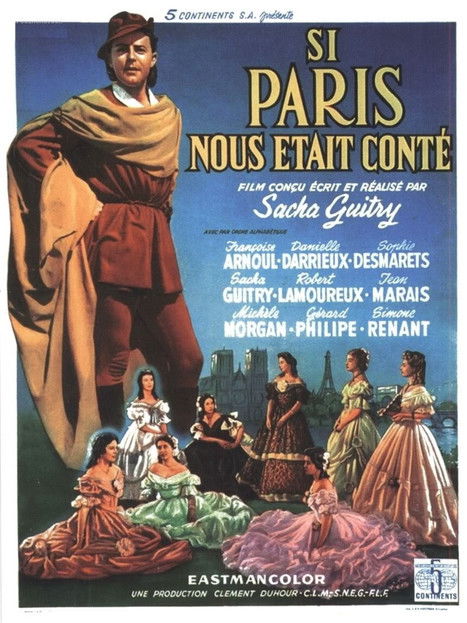
Historical film directed and written by Sacha Guitry follows the the history of Paris from its founding through the significant events in the city's history.
If Paris Were Told to Us
Monsieur Albert is a very elegant and much-appreciated butler. One day he falls in love with a client, Sylvia Robertson, and follows her to a winter sports resort. Sylvia does not recognize him and imagines that he is related to a king who goes incognito.
Mister Albert
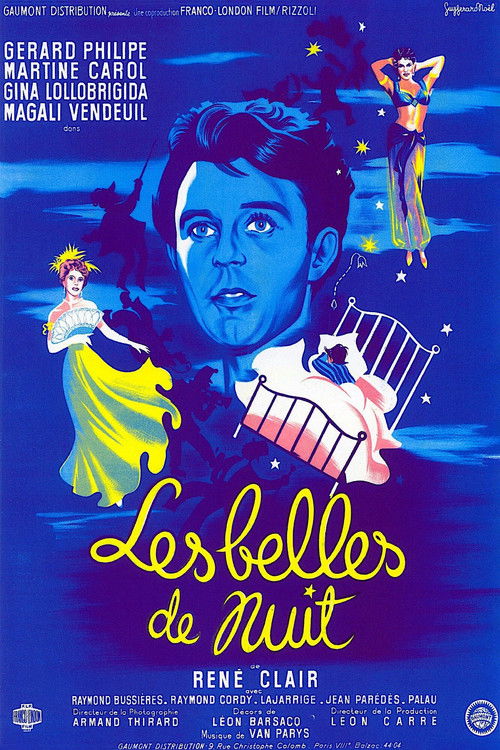
A daydreaming French composer sees himself as a fine figure dashing through history.
Beauties of the Night
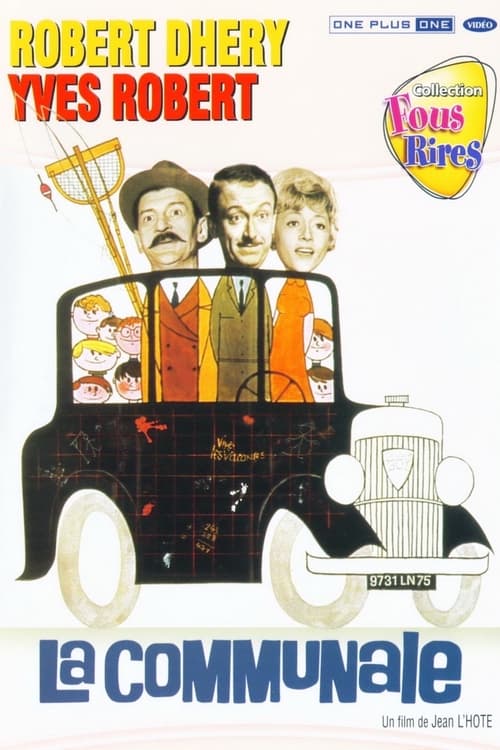
A schoolteacher (Robert Dhéry) and his wife (Colette Brosset) use the couple's new car for a class field trip in this routine situation comedy. Soon the children are lost in this story written and directed by Jean L'Hôte taken from his own novel.
Public School
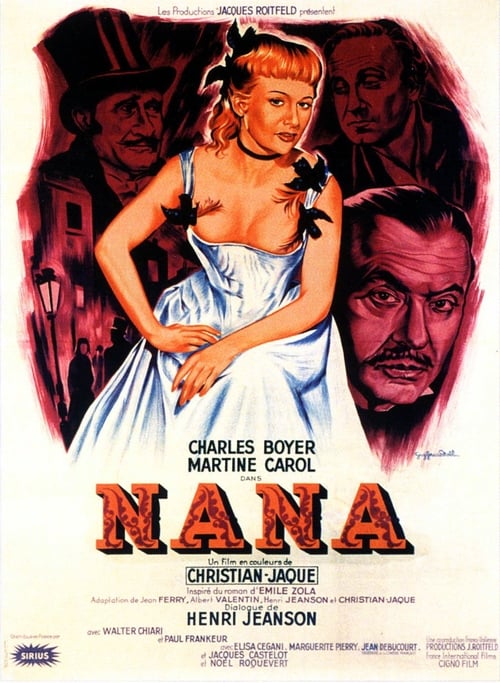
In Paris during the Second Empire, Count Muffat, despite his prejudices against loose women, falls madly in love with Nana, a young kept woman and star of the Théâtre des Variétés. This all-consuming passion will lead nowhere and, like Nana's other lovers, will lead him to ruin and crime... An adaptation of Émile Zola's novel Nana.
Nana

A young man who lives on women meets his match in the young wife of a rich industrialist. Their affair is doomed by her taste for luxury and his dislike of her coolness.
The Joker
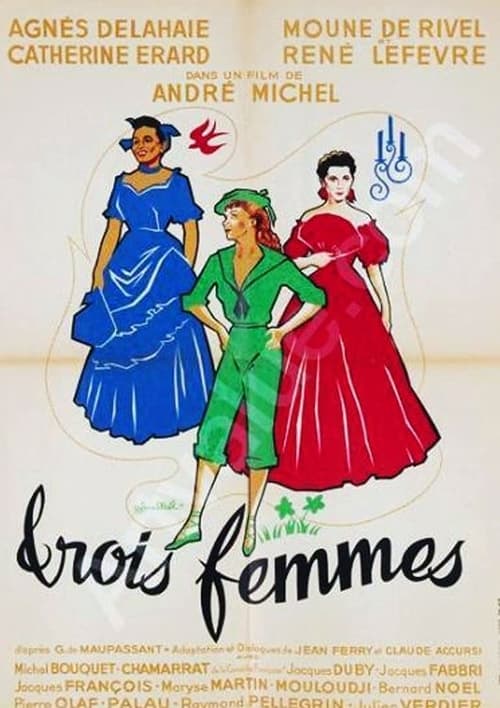
The short stories of Guy de Maupassant enjoyed a renaissance in the early 1950s, thanks in great part to the Max Ophuls production Le Plaisir. In Trois Femmes, three De Maupassant stories are dramatized, each conveying the central theme of women falling in love. In the first, a black female carnival entertainer causes an uproar when she falls in love with a white soldier. In the second, a young bride is pressured into having a baby to collect a huge inheritance. And in the final episode, a pregnant girl is "adopted" and protected by a small circle of friends. In standard De Maupassant fashion, each of the three stories in Trois Femmes is capped by a surprise twist.
Three Women
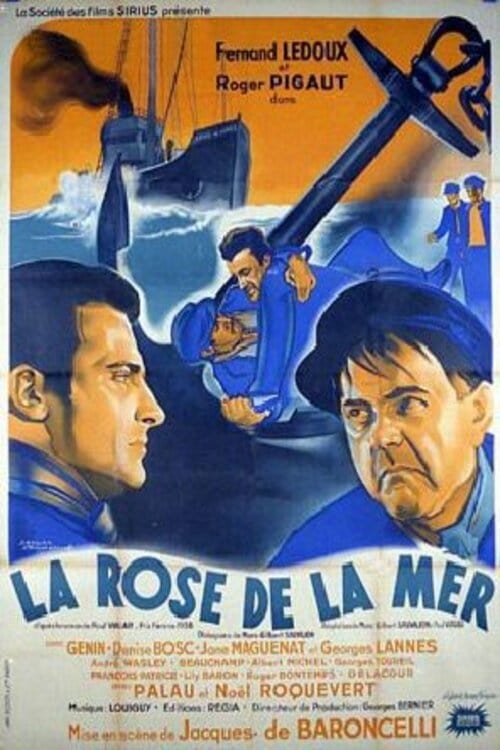
Jérôme owns a boat with his crook of an uncle, La Rose de la Mer. They sail with a band of crooks hired by the uncle to scuttle the ship and collect the insurance premium.
The Sea Rose
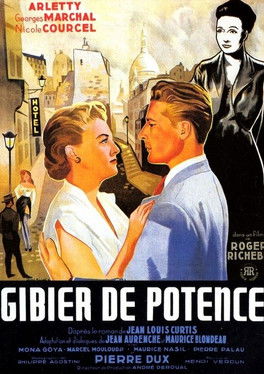
Back from the war, Marceau Le Guern remembers. Educated in an orphanage run by Dominican brothers, he fell into misery when he left it. His only asset was his good looks, which did not escape the attention of Madame Alice, a shady woman who persuaded him to pose for pornographic photos meant for lonely aging women. Marceau also served as a gigolo before the war and captivity put an end to this juicy business. Now he wants to start a new life, all the more as ha has found love in the person of a pure young lady named Dominique. But Madame Alice won't hear of it...
Gigolo
Zou Zou tries to help her childhood friend prove his innocence after he's accused of murder.