Art
Graphic designer.
Taking its title from an archaic Japanese word meaning "ghost story," this anthology adapts four folk tales. A penniless samurai marries for money with tragic results. A man stranded in a blizzard is saved by Yuki the Snow Maiden, but his rescue comes at a cost. Blind musician Hoichi is forced to perform for an audience of ghosts. An author relates the story of a samurai who sees another warrior's reflection in his teacup.
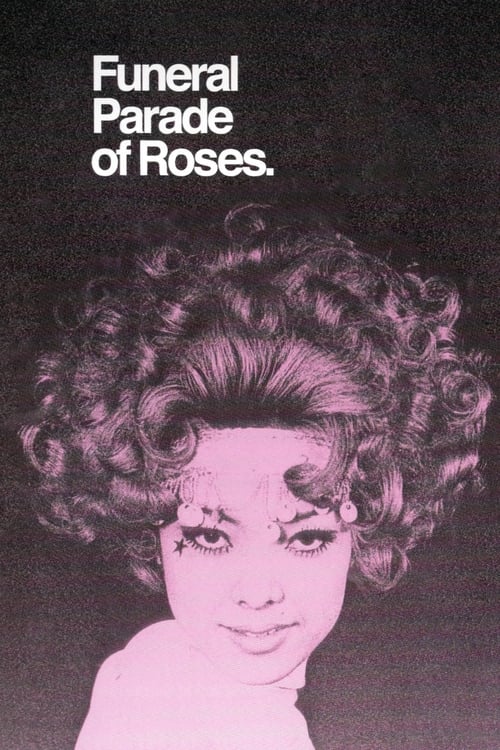
In 1960s Tokyo, Gonda owns a bar in which the gay, cross-dresser, and trans scenes meet. Gonda is in a relationship with the madam of the bar, Leda. As the younger Eddie starts a passionate affair with Gonda, she ignites the jealousy of Leda, unaware of another kind of history between them.
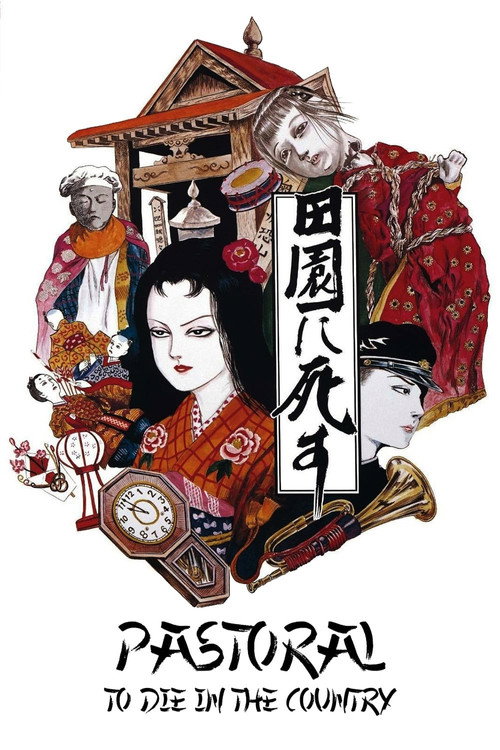
A director faces creative block while working on his latest film – a reimagination of his adolescence growing up in a mountain village in rural Japan.
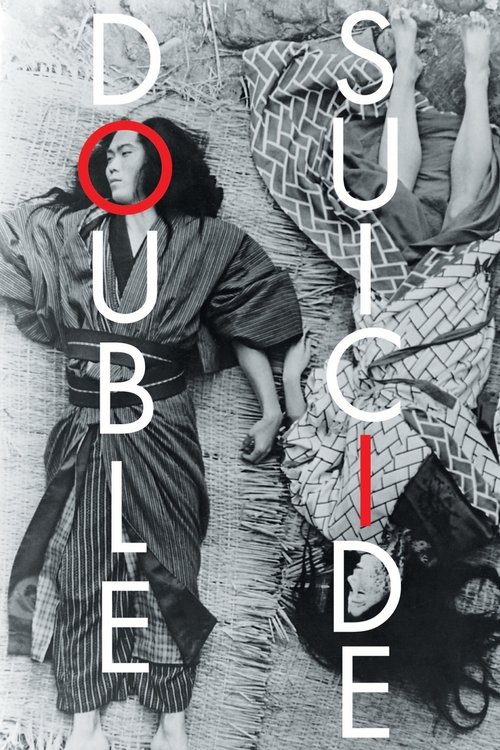
Successful and married with children, paper-mill owner Jihei knows better than to contradict the strict social and moral codes of 18th-century Japan. But when he meets the lovely courtesan Koharu, he becomes a man obsessed. Koharu returns his love, even foregoing other customers while Jihei schemes to somehow buy her freedom. His efforts yield ruinous consequences for his business and his family life, and Koharu is meanwhile purchased by another client.
When a lone traveller stumbles upon a remote, drought-stricken village, he finds himself engulfed in a whirlpool of myth, mystery, and magic: in a nearby pond reside spirits who hold the fate of the town’s inhabitants, including lovers Akira and Yuri, in their hands.
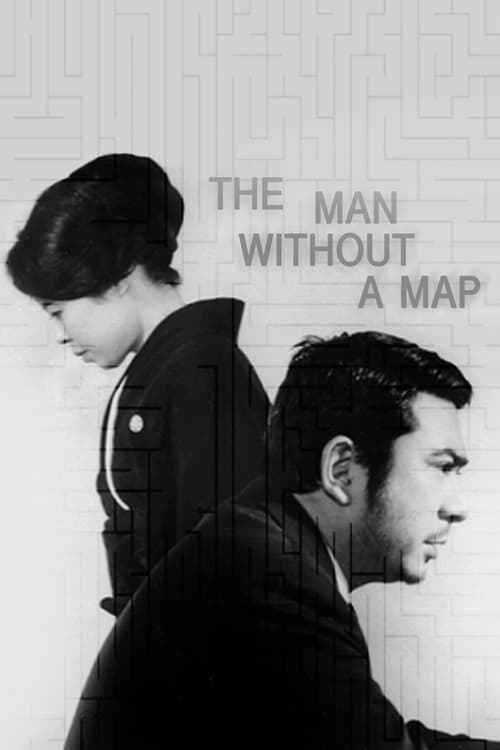
A private detective is hired to find a missing man by his wife. While his search is unsuccessful, the detective's own life begins to resemble the man for whom he is searching.
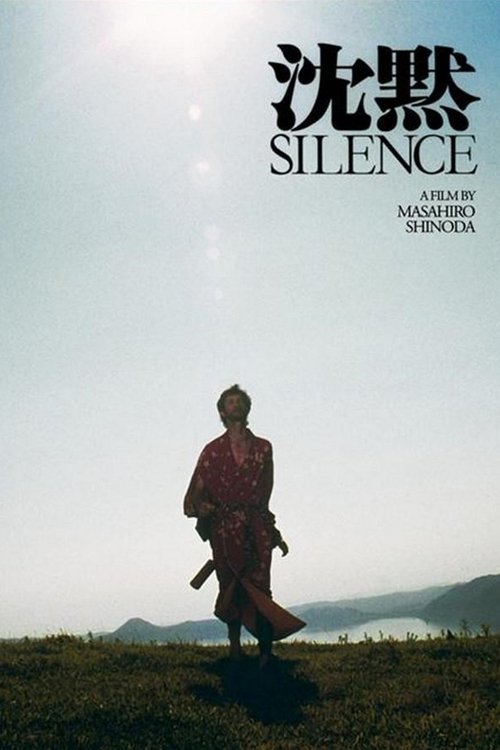
In 17th-century Japan, two Portuguese Jesuit priests seek their mentor, who is rumoured to have committed apostasy, and to propagate Catholicism.
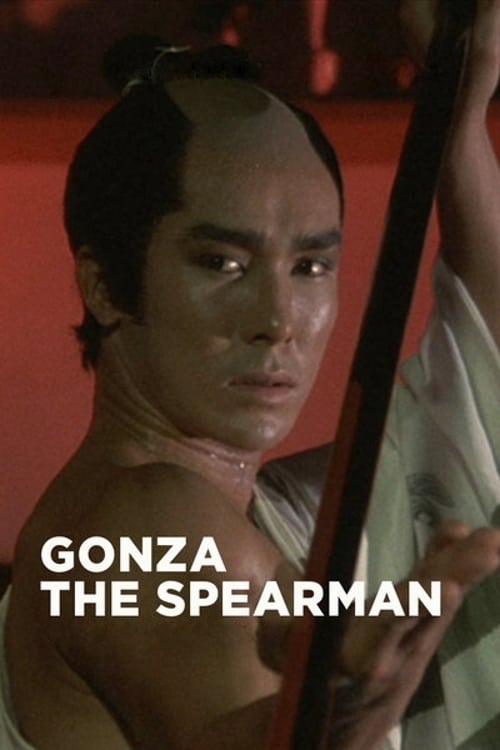
During the peaceful Tokugawa period, handsome samurai Gonza becomes entangled in a tragic love triangle and a web of deceit while trying to advance his social standing through the tea ceremony.
A man wanders into a seemingly deserted town with his young son in search of work. But after a bit of bad luck, he joins the town's population of lost souls.
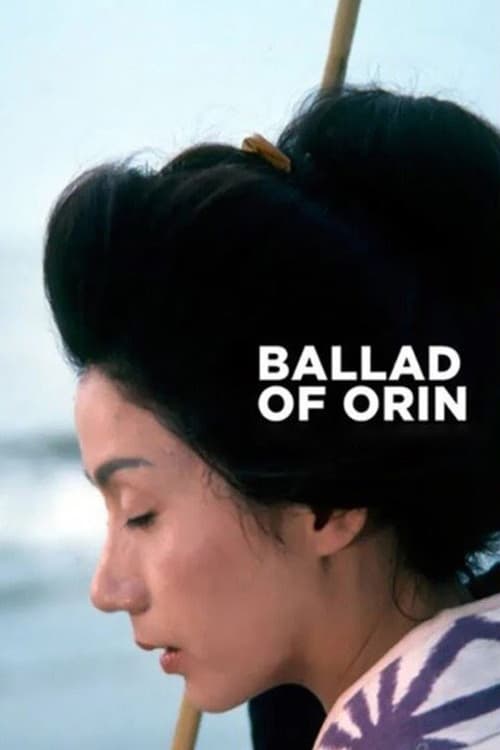
Expelled from her group for losing her virginity, blind travelling musician Orin endures a life of hardship, abuse, and poverty while wandering the countryside, finding brief companionship with an army deserter, and struggling against a society that marginalises her.
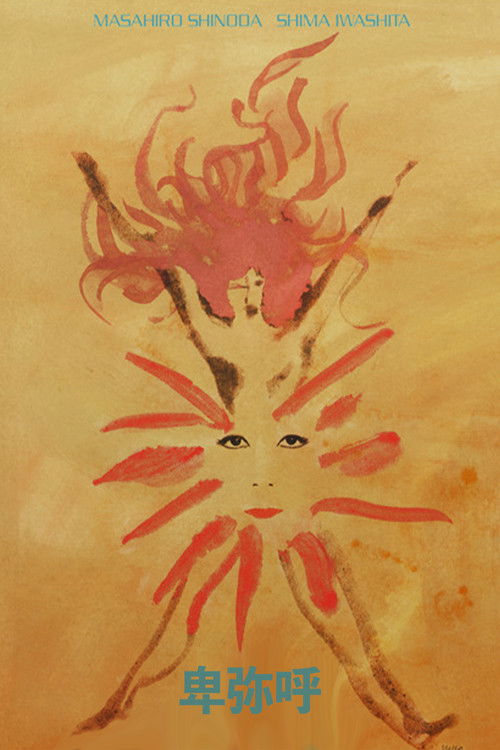
A reimagination of the myth of Himiko, focused on her divine role as a sun goddess's oracle and her forbidden love for her half-brother Takehiko, which threatens her power and the kingdom's stability.
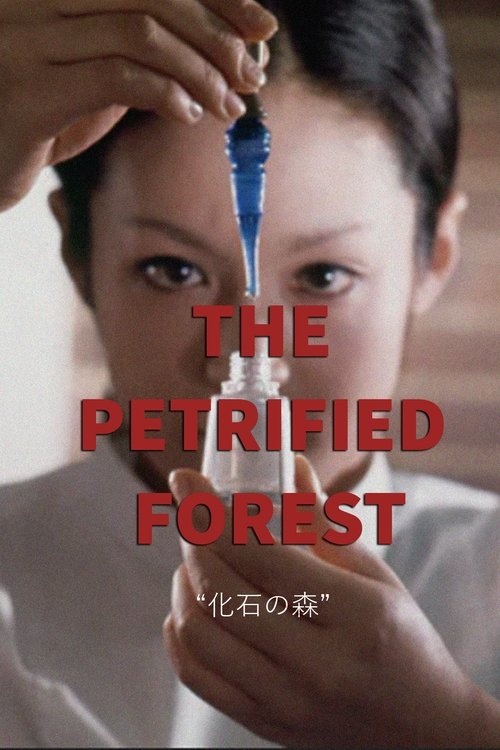
Troubled medical student Haruo navigates a toxic relationship with his mother and a dangerous affair with former classmate Eiko, leading to a murder plot involving a potent poison.
During the Vietnam War, an American G.I. deserts his base in Japan and escapes to Tokyo with the help of his Japanese bar hostess girlfriend. In the capital he gets involved with an anti-war organization while dodging the military police.
From renowned Japanese graphic designer and multidisciplinary artist Awazu Kiyoshi, Furyu (1972) is a testament to the ephemeral beauty of interplaying light and shadow. This experimental 16mm film exhibits the shadows of trees arching and swaying in the wind, visible as eerie shapes on the bare walls of a white house, alongside an evolving soundscape of intensifying oral vibrato and piercing instrumental pitches. A rarely shown sensorial experience.
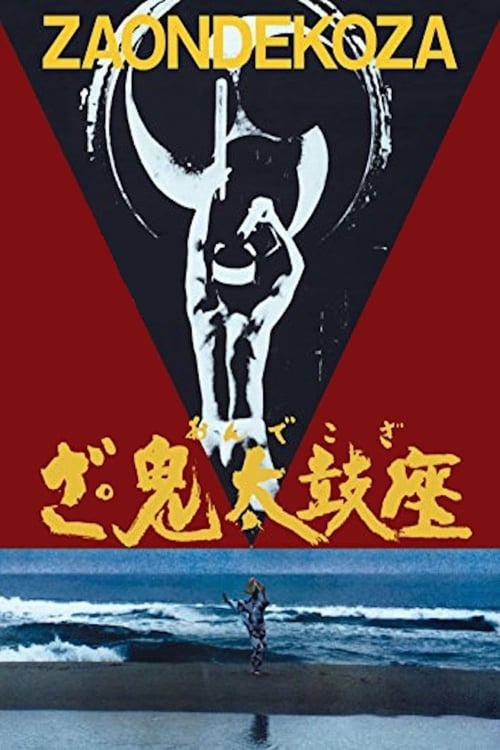
A documentary profiling a Japanese taiko drumming group based in the remote Sado Island, Japan. The film blurs the line between real-life documentary footage of the troupe's training and practice regimes, and staged performances of their varied musical acts, with sets designed by artist Tadanori Yokoo and an additional experimental electronic music score by Toshi Ichiyanagi.
This is a documentary centered on traditional Japanese patterns. To capture the unique sensibility of the Japanese people, the film features 170 kimono fabrics from the Muromachi to Edo periods, along with over 1,000 family crests that have been passed down through generations. These elements are presented using avant-garde visual techniques. Viewed from a modern perspective, the film transforms the exceptional patterns created by the Japanese in the past into a completely new illustrated scroll. The entire documentary contains no narration, relying solely on visuals and music to convey its message.
A 16mm film by Kiyoshi Awazu.
Experimental short by Kiyoshi Awazu.