Art
Une collection de quatre contes populaires japonais aux thèmes surnaturels : Les Cheveux noirs, La Femme des neiges, Hoïchi sans oreilles, Dans un bol de thé.
Tokyo, fin des années 1960. Eddie, jeune drag-queen, est la favorite de Gonda, propriétaire du bar où elle travaille. Cette relation provoque la jalousie de la maîtresse de Gonda, Leda, matrone du bar. Eddie et Gonda se demandent alors comment se débarrasser d’elle…
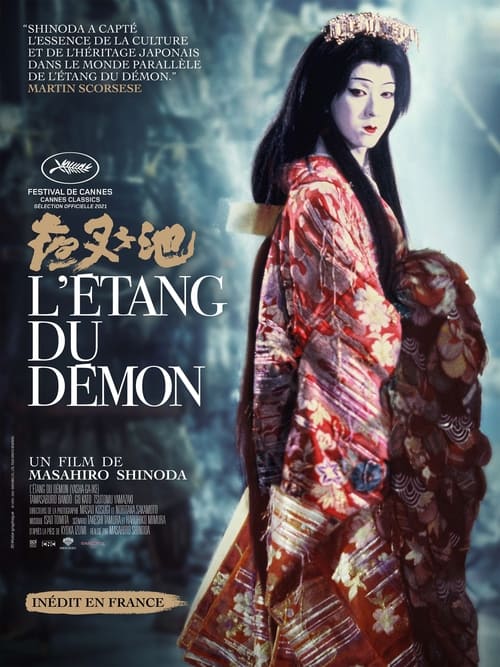
Province d’Echizen, été 1913. En route vers Kyoto, le professeur Yamasawa traverse un village frappé par la sécheresse, perdu au milieu des montagnes. À proximité se trouve l’étang du Démon, objet de superstitions de la part des habitants. En effet, si la cloche du village ne sonne pas quotidiennement, le dragon retenu au fond de l’eau serait libéré et provoquerait un déluge mortel. L’arrivée de Yamasawa chez Akira et Yuri, le couple chargé de faire respecter cette tradition immuable, va bientôt mettre en péril cet équilibre.
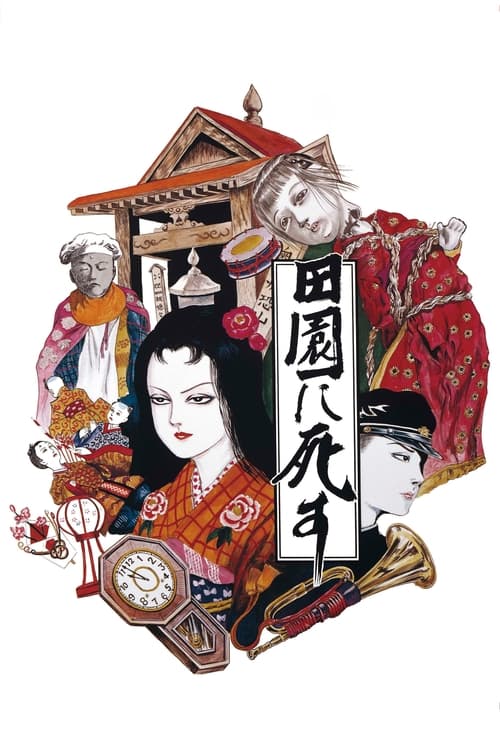
Racontant son enfance dans le film qu'il est en train de tourner, un cinéaste part à la recherche de son passé perdu et regrette de n'avoir pu tuer sa mère, trop présente dans sa vie. Il essaie à nouveau, mais ne peut accomplir le meurtre libérateur.
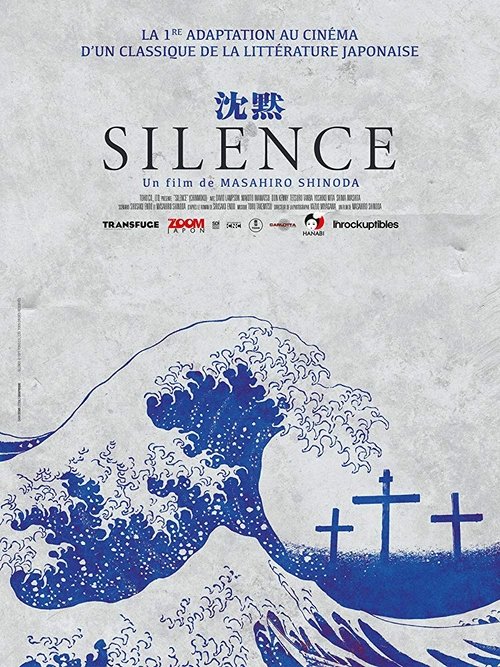
Au XVIIe siècle, deux prêtres jésuites, le père Rodrigues et le père Garrpe, débarquent sur les côtes japonaises. Dans ce pays où la religion chrétienne est interdite et ses fidèles persécutés, les deux missionnaires sont accueillis avec enthousiasme par les croyants, obligés de se cacher pour pratiquer leur foi. Le but des deux Occidentaux est d’aider à réimplanter le christianisme dans le pays, mais également de découvrir la vérité sur leur mentor, le père Ferreira, mystérieusement disparu après sa capture par les autorités cinq ans plus tôt…
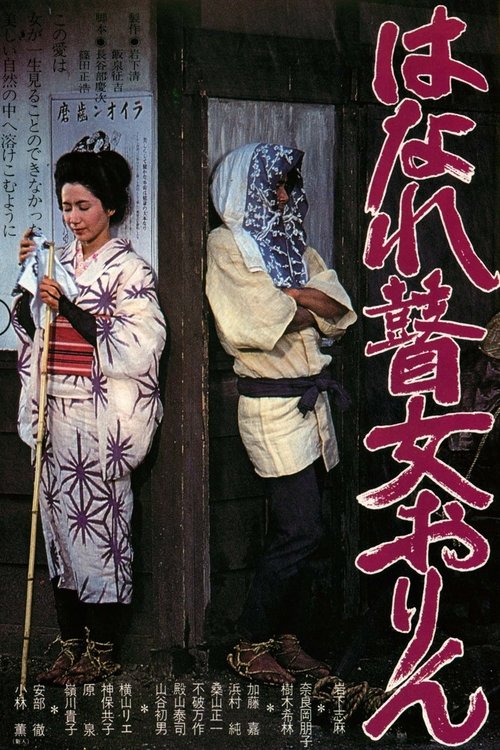
Une musicienne itinérante aveugle est maltraitée et opprimée alors qu'elle parcourt le pays, même si le monde moderne impose des changements dans le comportement des gens.
Au XVIIIe siècle, un marchand de papier tombe amoureux de Koharu, une courtisane, mais ne peut se permettre de la racheter. Son épouse demande à Koharu de le quitter pour préserver son couple.
Otsuka, un mineur sans abri et son jeune fils errent pour trouver du travail. Au cours de leur voyage, ils sont photographiés de loin par un mystérieux homme vêtu de blanc. Le mineur arrive dans un village fantôme, abandonné depuis la fermeture de la mine, où demeure la propriétaire d'un magasin de confiseries qui attend des nouvelles de son fiancé…
Aucune description disponible.
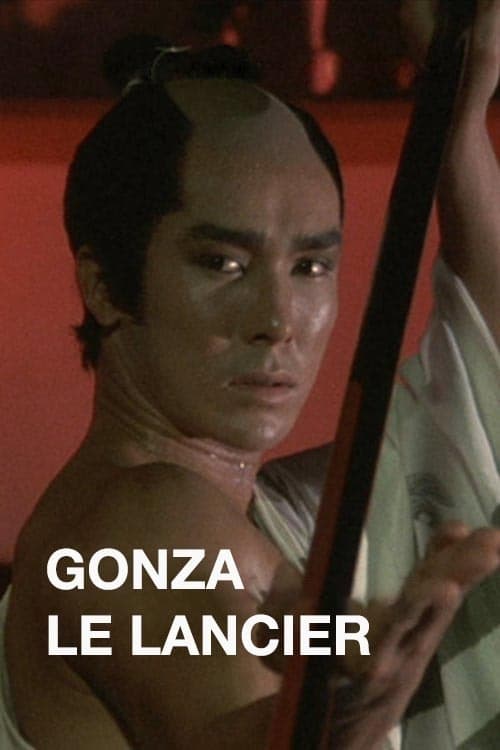
Gonza a une vie de rêve : adulé de tous, aimé par les femmes, il a même gagné le droit de diriger une prestigieuse cérémonie pour son seigneur à la place de son rival. Cependant, un coup du destin met fin à sa chance...
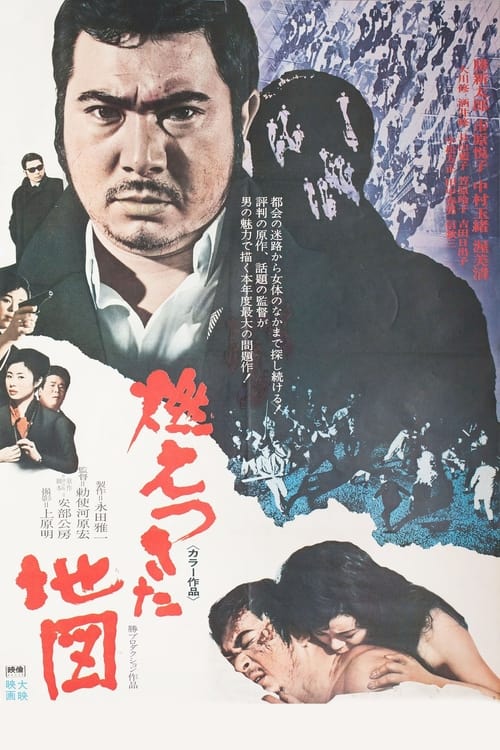
Un détective privé est engagé par la femme d'un homme disparu pour retrouver celui-ci. Des preuves contradictoires et l'absence d'indices rendent l'affaire pratiquement insoluble, et le détective se montre de plus en plus frustré.
Interprétation libre de la vie de la reine chamanique Himiko. Himiko, qui déterminait la politique du pays selon les oracles, se prend de désir pour son demi-frère Takehiko, revenu au pays après avoir grandi et s'être endurci. Bien qu'il ait une compagne, il hésite mais finit par céder à Himiko. Apprenant cela, le chef du pays, Ōkimi, commence à douter de la légitimité des oracles de Himiko…
Basé sur un roman de Shintaro Ishihara, il s'agit d'un drame sur les relations complexes entre parents et enfants. Haruo passe tout son temps à travailler à l'hôpital universitaire, lorsqu'il rencontre un ami d'enfance. Ils ont une liaison et elle le convainc d'empoisonner son patron et amant. D'un autre côté, la mère de Haruo, qui l'avait abandonné, revient pour récupérer son fils perdu.
Un film de Naoya Yoshida