Acting
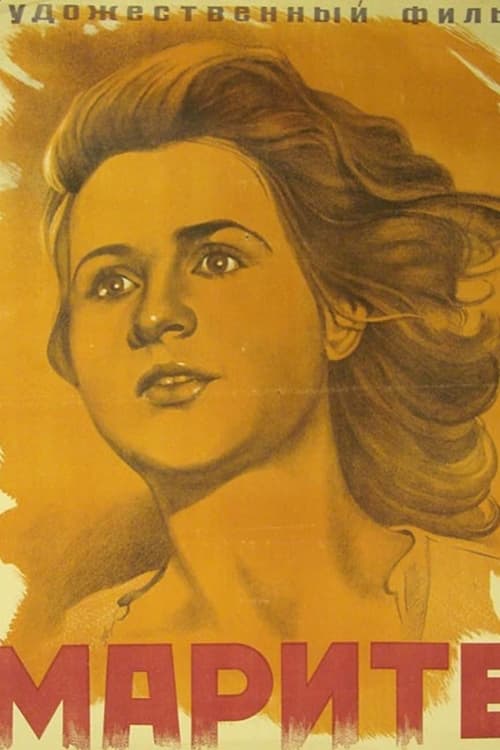
The poor Melnik family lives in Zarasai region. Elder Mary parents struggle to send Marry to school but they did this anyway. The horizons of the girl, who until then had learned only from the old grandfather Peter, are spreading there, she, as if seeing herself in her place, tells the class about the legendary hero of Lithuanian history Grazina. Deprivation prevents Maryte from graduating, so she starts working in a candy factory where she hears political inferences. 1940, Vilnius is returned to Lithuania. Maryte, her best friend Elena and a group of young people in national costumes get ready to walk to the capital. In the periphery, the Bolsheviks remember the land of the rich, distribute it to the poor, and Mary dreams of continuing her studies and becoming a doctor. The dream is interrupted by the outbreak of World War II.
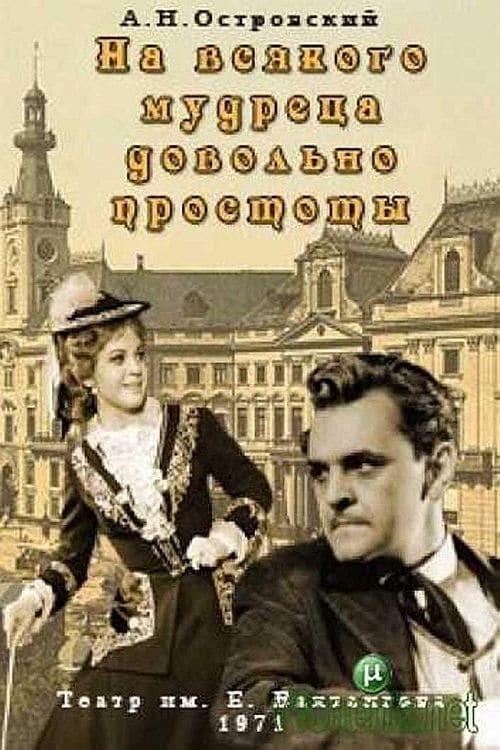
TV version of the Vakhtangov's Theater play. The plot makes fun of secular society and shows what can turn cynical attempts to deceive people if they want to get to power and money.
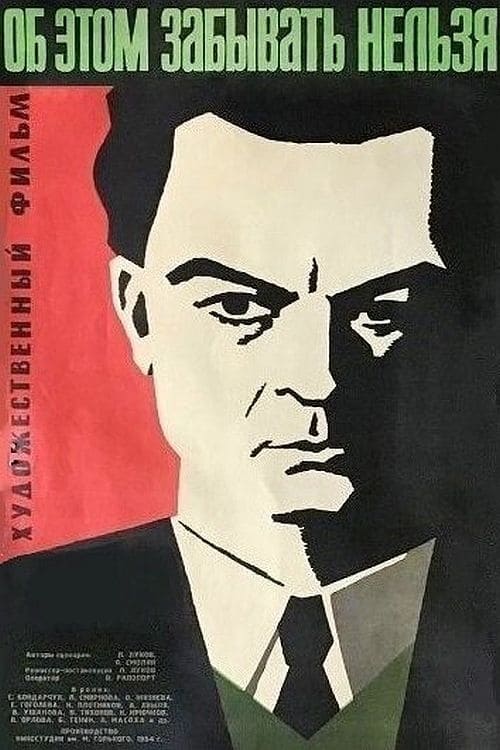
The story unfolds in a post-war town in Western Ukraine. The enemy agents are trying to subvert communist writer Aleksandr Garmash using ideological diversions. In parallel, a story is told about student Rostislav Danchenko who is being recruited by enemy agents. The story is pertinent due to resurgence of ultra-nationalist underground activity in Western Ukraine after World War II.
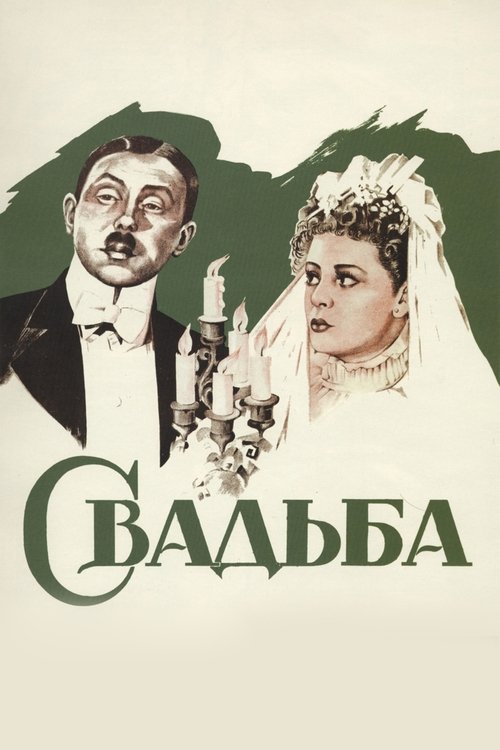
Petty bourgeois Zhigalovs, whose daughter-in-law Dasha is being extradited, find out to their horror that the official Aplombov, who has been caring for Dasha all summer, has dined every day with them and has proved himself to be his bridegroom, is not going to marry at all.
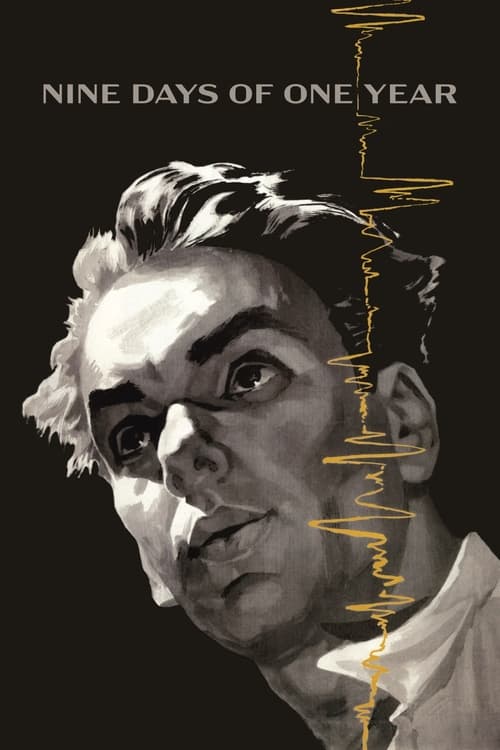
Set in the Soviet scientific community, the story follows two dedicated physicists whose close friendship unfolds amid dangerous nuclear research, shaped by their shared affection for a strong-willed woman. Radiation exposure, scientific ambition, and romantic rivalries intersect as the characters confront the physical risks of their work and the personal consequences of their choices.
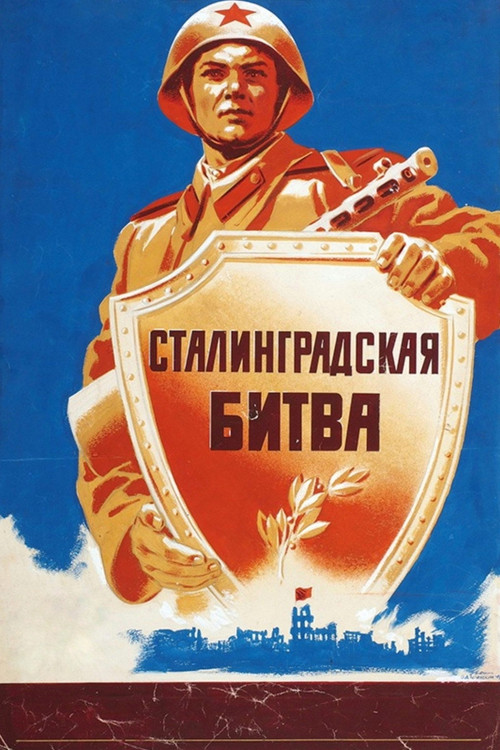
A 1949 two-part Soviet epic war film about the Battle of Stalingrad.
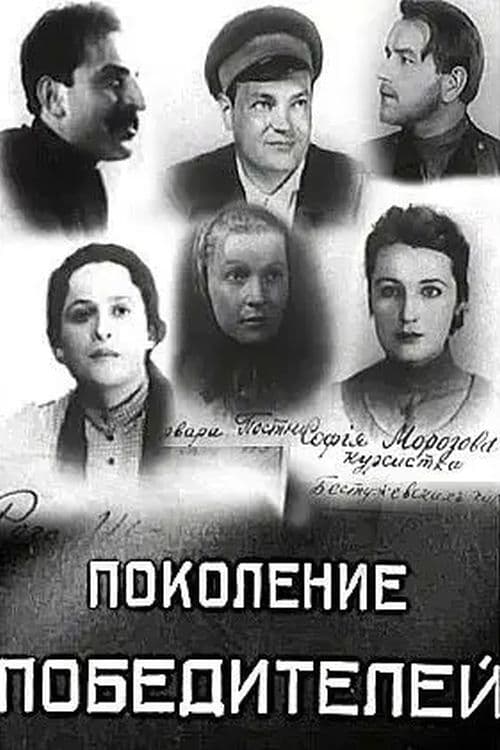
The film covers the events of 1896-1905 - from the first revolutionary gatherings to the armed Moscow uprising of workers at Krasnaya Presnya, later called Bloody Sunday. St. Petersburg students Alexander Mikhailov and Yevgeny Svetlov and a peasant girl Varvara Postnikova arrive in Moscow and follow the complicated path of underground revolutionaries.
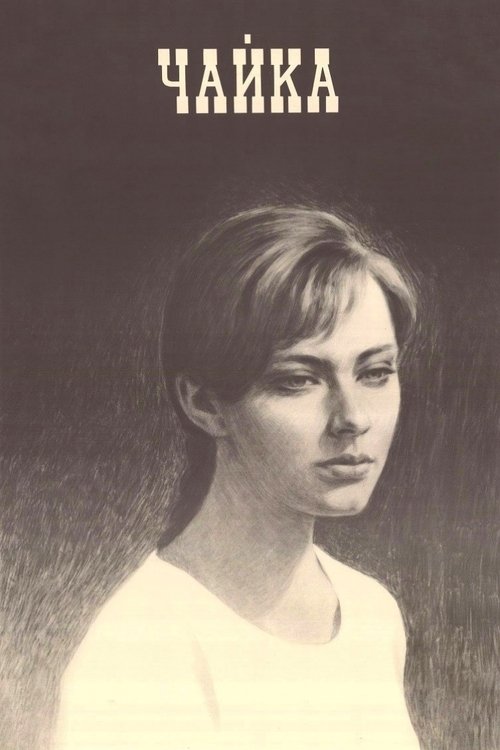
Events unfold on the estate of Pyotr Sorin, which brought together representatives of secular society - actress Irina Arkadina, the host's sister and her lover, the famous writer Trigorin. Sorin’s nephew, Konstantin Treplev, in love with a neighbor girl Nina Zarechnaya, who dreams of becoming an actress, writes for her a play that she plays in the scenery of Sorin’s garden.
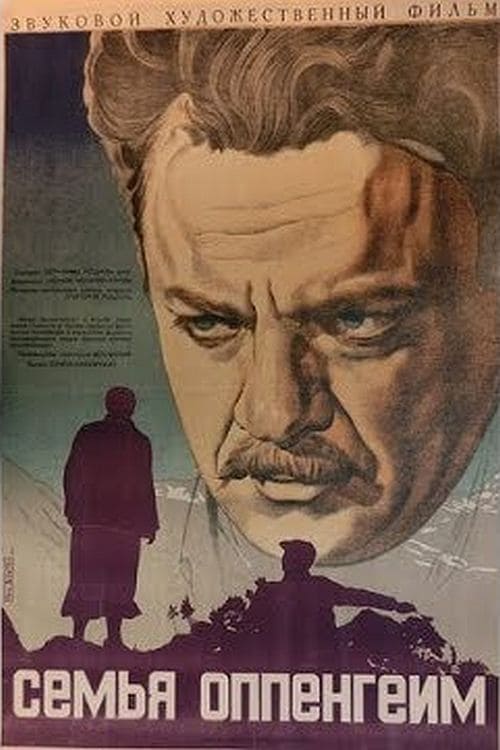
Based on Lyon Feuchtwanger's novel about the tragedy of society, through a look at the tragedy of one single family.
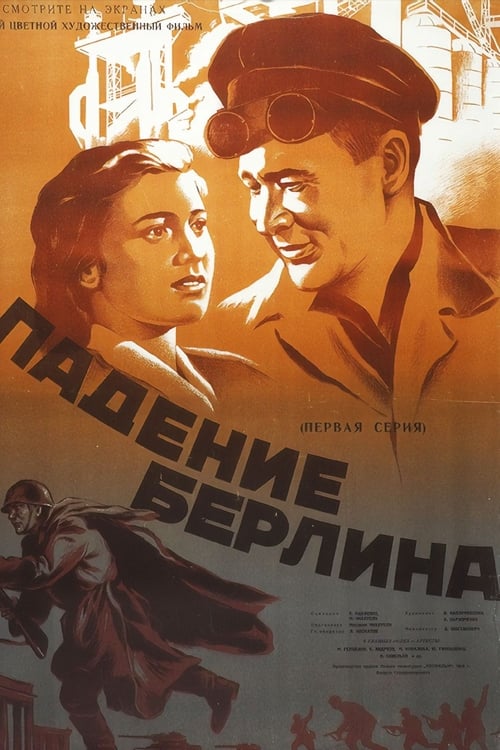
Surrounded by a few party officials, Alexei Ivanov, a stakhanovist smelter, is decorated by Stalin. The "Little Father of the Peoples" takes this opportunity to invoke threats of war.... One day, war indeed breaks out. Bombs fall on the field where Alexei finds himself in the company of the schoolmistress Natacha, his fiancée. Alexei joins the Red Army and soon becomes a sergeant. Fighting rages and German troops advance. Natacha is arrested and deported. But the tide turns decisively with the German defeat at Stalingrad. Now the major offensive against Hitler can begin.
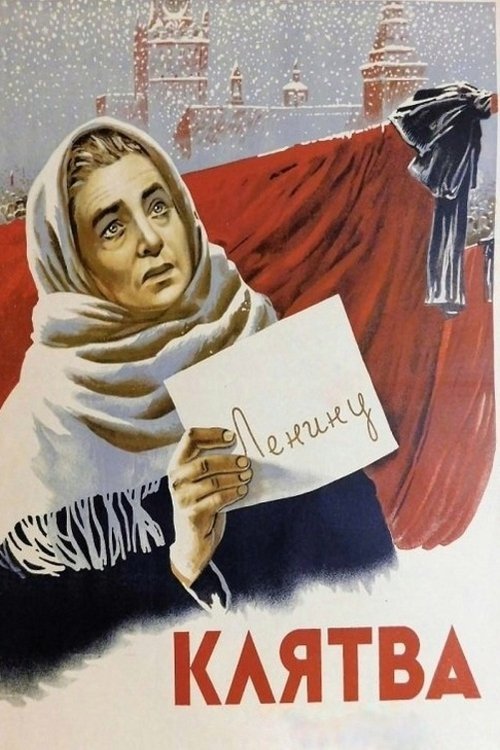
Historical-revolutionary film about Lenin’s activities in the first years after the Great October Revolution in Russia.
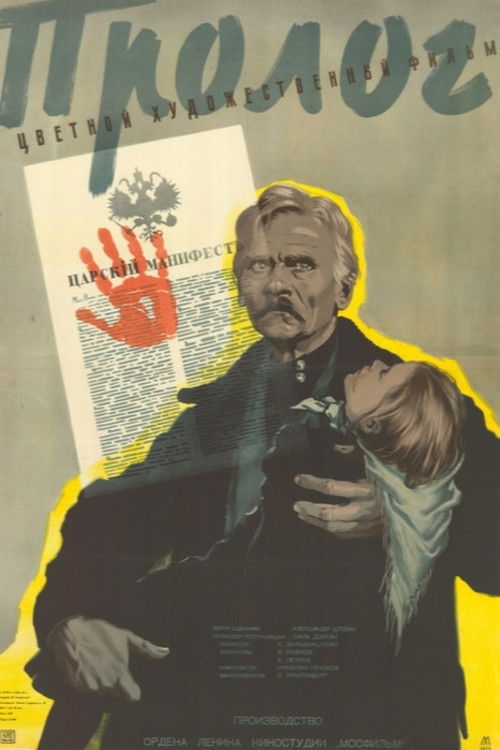
After the brutal massacre of a peaceful demonstration of the working people on their way to the Tsar, Lenin and other Party members in exile call for an armed uprising of the workers. At Presnya build barricades. The people are arming themselves. But the heroic armed uprising of the workers of Presnya is brutally suppressed by the tsarist troops. However, the struggle of the workers under the leadership of Lenin continued.
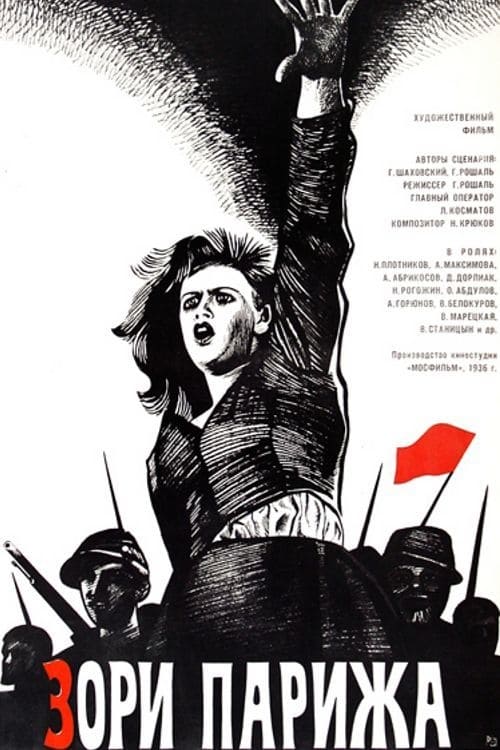
"Paris Commune," 1870-1871. Poor working class in Paris rises up against their oppressors as France is defeated by Germany in the 1870-71 Franco-Prussian war.
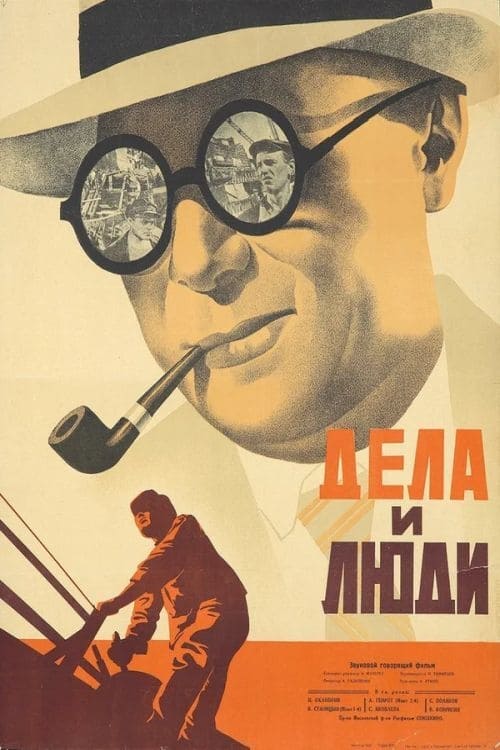
An American engineer, consulting on a Soviet construction project, inspires a backward and timid new foreman to learn better about his job, assert himself, solve problems and inspire his own men to bring the job in ahead of schedule.
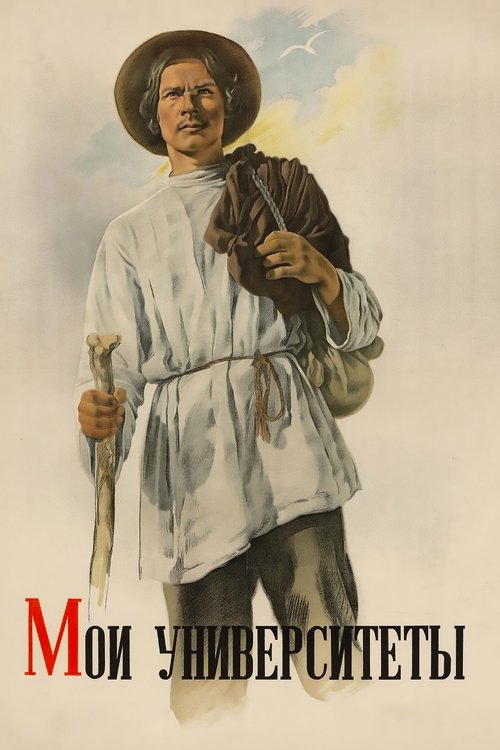
My Universities is the last installment of Russian director Mark Donskoy's "Maxim Gorki" trilogy. Having endured a painful youth in My Childhood and a torturous sojourn as a serf in My Apprenticeship, future writer Gorki reaches maturity with an insatiable desire for personal and artistic freedom. Gorky goes to work in the shipyards and commisserates with the hard-drinking, philosophical dockworkers.
In a Kazakh village at the beginning of Soviet power, a wealthy kulak (landowner) voluntarily denounces his opposition to the new regime and hands over his large home to be a new school for the children of the villagers. But three people in the village have difficulty believing that their class enemy is now their friend.
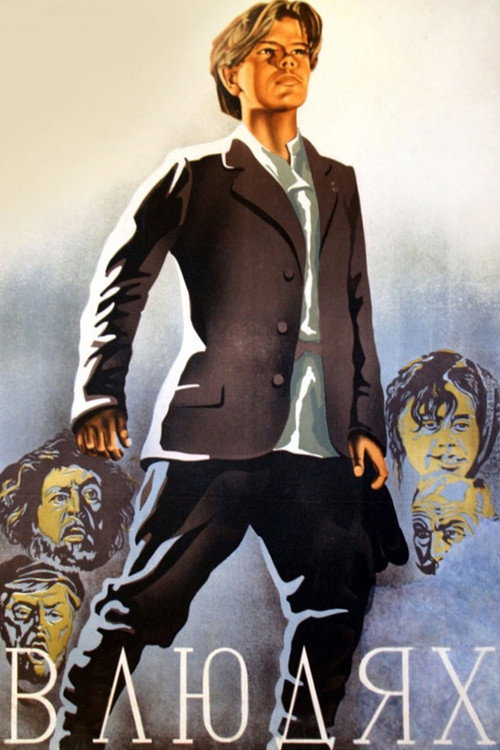
Picking up where 1938's My Childhood left off, the story covers the years in Gorki's life when the future writer was on his own, looking for a purpose and place in life.
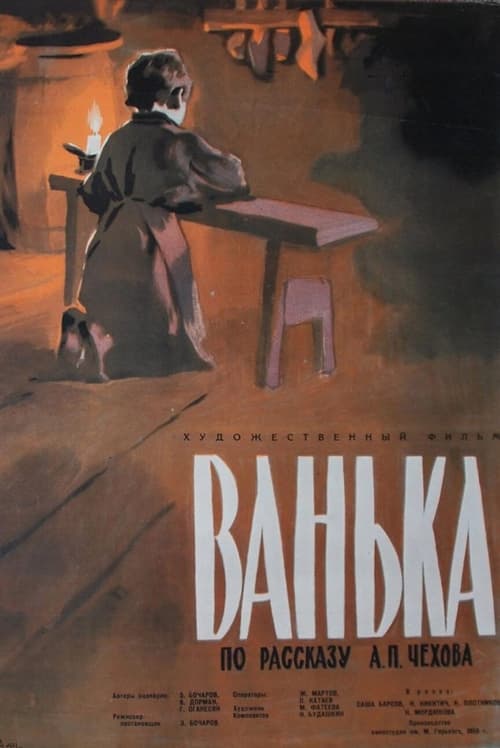
9-year-old boy complains about his hard life in a letter to his grandfather.
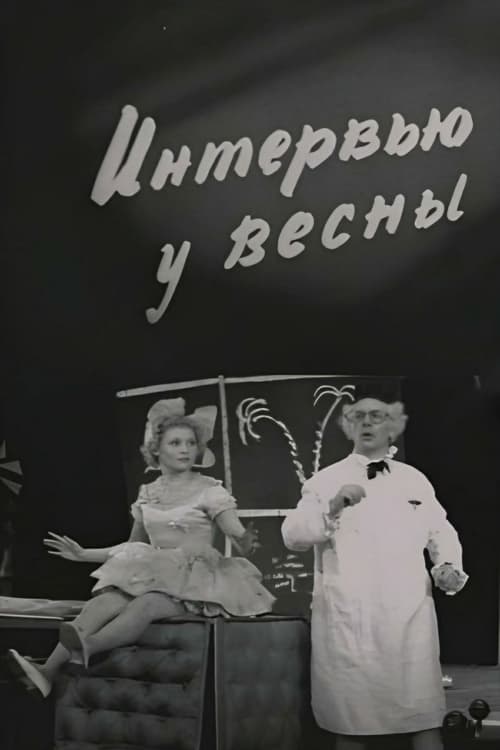
Announcer Aza Likhitchenko interviews the heroes of this season's premiere performances.
The story of Stalin and the Soviet people.