FEEL IT.STREAM
?

Jovan Jovanović

Directing

Biography

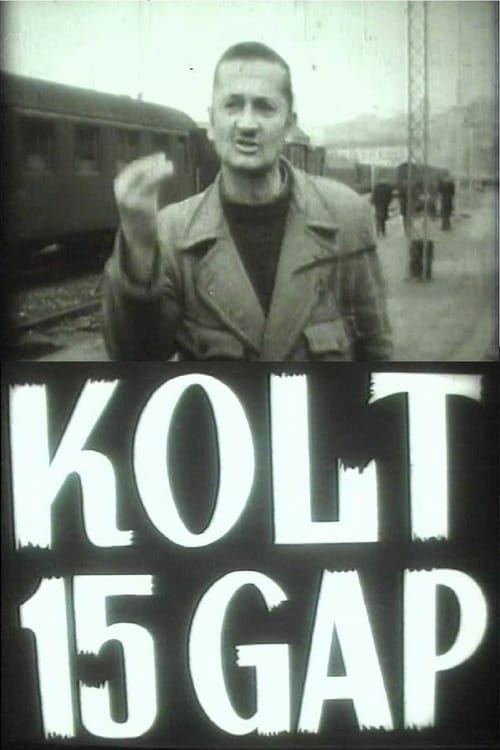
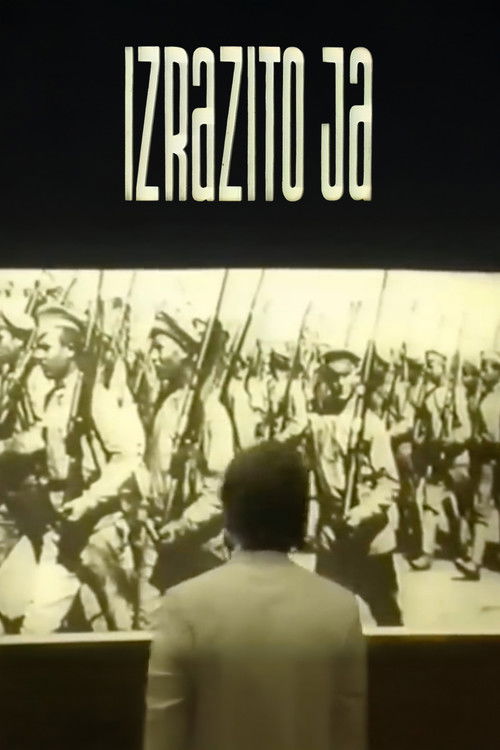
Jovan Jovanović was born in Belgrade on May 31, 1940. He graduated directing from the Academy for Theater, Film, Radio and Television with the medium-length feature film Distinctly Me (1967), which was declared the best film in all categories at the Young Authors Festival in New York (the jury included, among others, Steven Spielberg, Andy Warhol, Mike Nichols, Peter Bogdanovich). His documentary feature film Kolt 15 GAP (1971) was awarded at the festivals in Oberhausen, Utrecht, Belgrade, was included in the Anthology of Films of the Oberhausen Festival, and the American film historian Barnau included it in his book "History of the World documentary".
Known For

University Town

The film was banned from public screening for 43 years, it was censored by the Academy of Theatre, Film, Radio and Television (today's FDU). Before filming, Jovanović lived in a university town for several months, researching the life of students. The then head of the Academy, Vjekoslav Afrić, was shocked by the truth about the university city at the internal screening of the film. He addresses Jovanović verbally and aggressively, threatening him with a criminal report. Although he has never been to the university town, he accuses Jovanović of directing the students' lives and says that he will be held accountable for that. Afrić formed two commissions with the task of visiting the university town the next day and confirming Afrić's claims. The commissions determined that the film faithfully portrayed life in the university town. Despite this, Afrić insisted that a report be filed against Jovanović to the State Security Service (successors of OZNa and UDBA).

University Town

1965Movie
Branislav Nušić

The movie is inspired by the book "Nova Klasa" by Milovan Đilas, a close associate of Josip Broz Tito, who later became a famous dissident. The book analyzes the process in which former "revolutionaries" become petty bourgeois. Wanting to imitate the classical bourgeois class in Serbia (which they destroyed with genocide, ethnocide, culturocide and urbanocide), they only manage to reach the level of provincial petty bourgeois. Their world resembles the world from Branislav Nušić's comedies. The quasi-elite even has fun with the characters and situations, recognizes themselves and enjoys their stupidity. Two horses in front of the National Assembly unsuccessfully try to prevent other "horses" from entering. The absurdity of what is happening in today's National Assembly even exceeds the imagination of Nušić.

Branislav Nušić

1990Movie
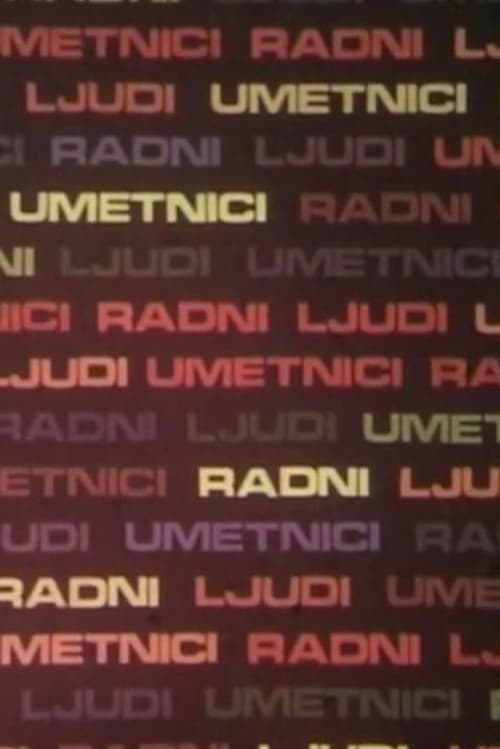
Working Class Artists

The film shows works of art by people of various occupations who are engaged in fine art in their free time. It was achieved through interviews in which people talk about the world of work - a world of no freedom, necessity and coercion in which they do not see themselves as individuals. Painting enables them to escape from everyday banal reality into the world of beauty and freedom. So-called ordinary people of various occupations have a built-in awareness of the problematic nature of humanism in the modern world. Through interviews, the film articulates a story, kind of - it is a vision of the apocalyptic end of modern civilization that has no higher, metaphysical meaning. At the same time, there is hope that after the collapse of modern civilization, a society of meaning, love and freedom can be created.

Working Class Artists

1975Movie
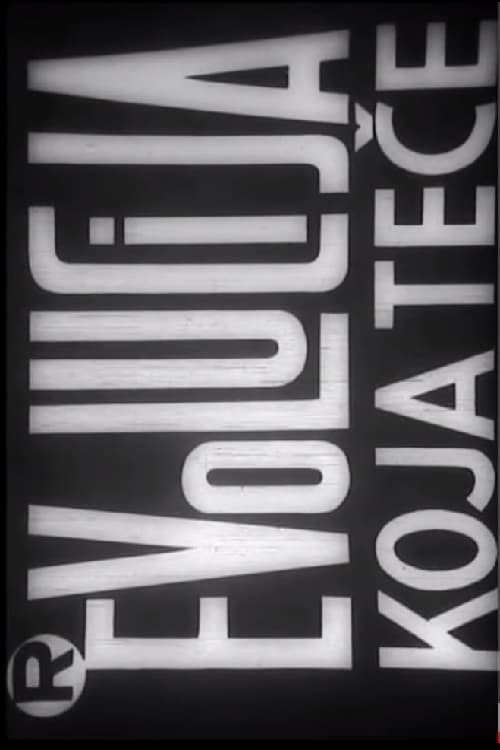
Revolution That Flows

The film was banned for 18 years by the communist regime in Serbia because it did not want the film to show taboo subjects. Thematizing and problematizing the life of Serbs in Croatia was considered an expression of "Great Serbian chauvinism" and "disturbing the public" in Yugoslavia. The film unmasks the alleged struggle for a just society during the so-called National liberation struggles. The partisans from Kordun tell how, with false promises about a better life and a happy future, were deceived by the partisan elite led by Josip Broz Tito. Instead of a society of equality, after 1944 a society of class differences was created. Thus, people from the poor regions of Yugoslavia become cheap labor in capitalist countries because they cannot find work in their "socialist" country. The film is a prophetic anticipation, which is why socialist Yugoslavia failed and because of which Serbia has been collapsing for decades.

Revolution That Flows

1972Movie