Jorge Durán
Writing
Known For

No description available.
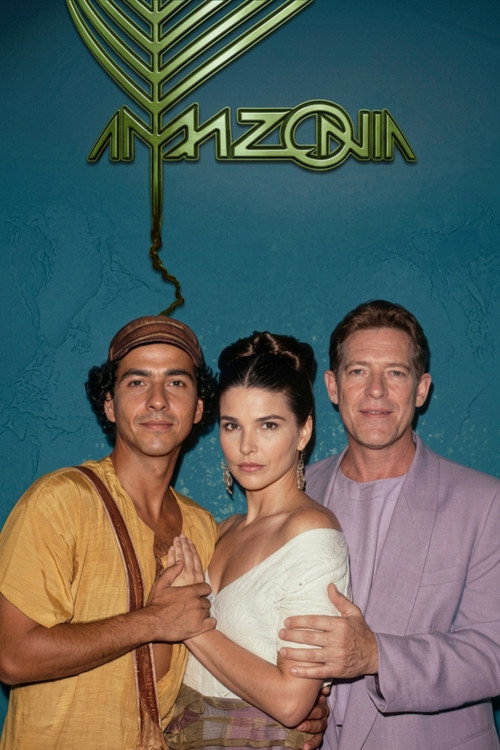
Amazônia

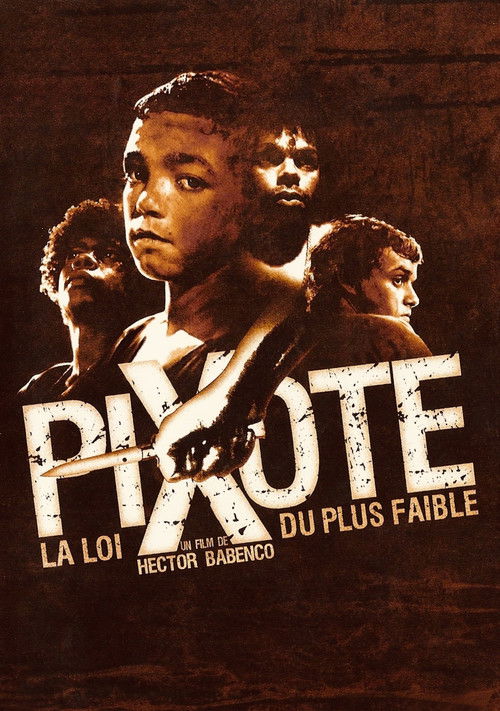
10-year-old Pixote endures torture, degradation, and corruption at a local youth detention center where two of its members are murdered by policemen who frame Lilica, a 17-year-old trans hustler. Pixote helps Lilica and three other boys escape and they start to make their living by a life of crime which only escalates to more violence and death.
Pixote

The true story of the boy who became famous when he was cast for the main part on the Brazilian film Pixote: A Lei do Mais Fraco (1981). After the film was over, he tried to work as an actor on other projects, with little success. As time went by, he got involved with crime.
Who Killed Pixote?

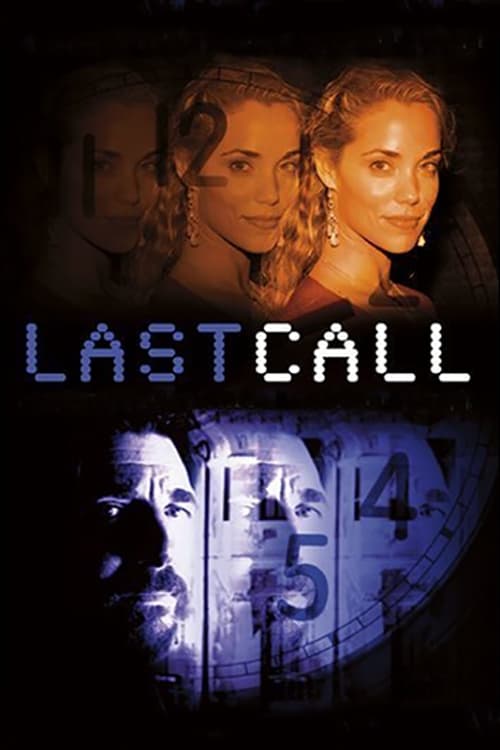
Three apartments in an old converted loft building set the stage for three bizarre love triangles. Nico, enjoys his older brother's top floor loft, while he is away on business. Downstairs, Helena, prepares for a dinner with her lover, who never shows up. In the basement, three expatriates are waiting for a phone call. A Chilean contact is supposed to instruct them to carry out a dirty job.
Last Call

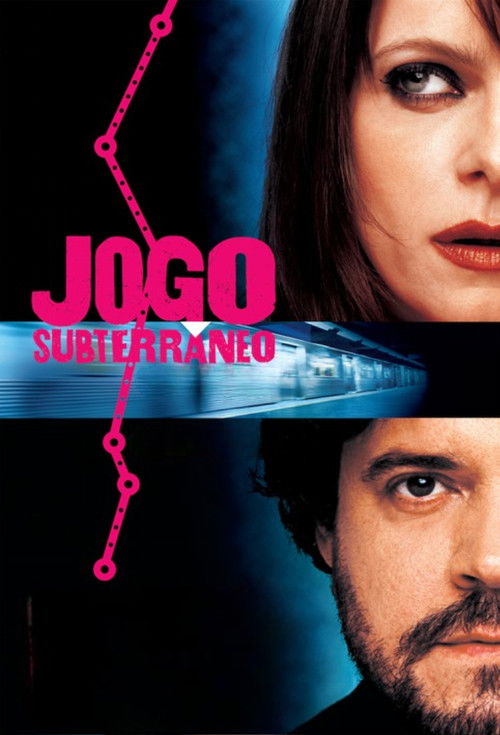
To find the woman of his life, man makes a game up: he enters a subway train wagon, picks a woman he likes and waits to see whether she's going to take the same course and connections as he. If she is, he tries to make contact.
Underground Game

Two children flee together with a grown up from a slum in Rio because this man had problems with the local drug lord. They end up in the house where a rich American citizen lives with his daughter.
How Angels are Born

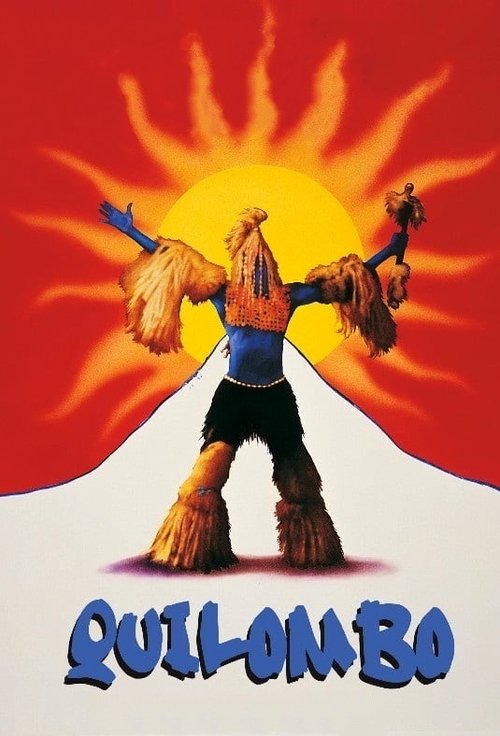
Quilombo dos Palmares was a real-life democratic society, created in Brazil in the 17th century. This incredibly elaborate (and surprisingly little-known) film traces the origins of Quilombo, which began as a community of freed slaves. The colony becomes a safe harbor for other outcasts of the world, including Indians and Jews. Ganga Zumba (Toni Tornado) becomes president of Quilombo, the first freely elected leader in the Western Hemisphere. Naturally, the ruling Portuguese want to subjugate Zumba and his followers, but the Quilombians are ready for their would-be oppressors. The end of this Brave New World is not pleasant, but the followers of Zumba and his ideals take to the hills, where they honor his memory to this day. Writer/director Carlos Diegues takes every available opportunity to compare the rise and fall of Quilombo with the state of affairs in modern-day Brazil.
Quilombo

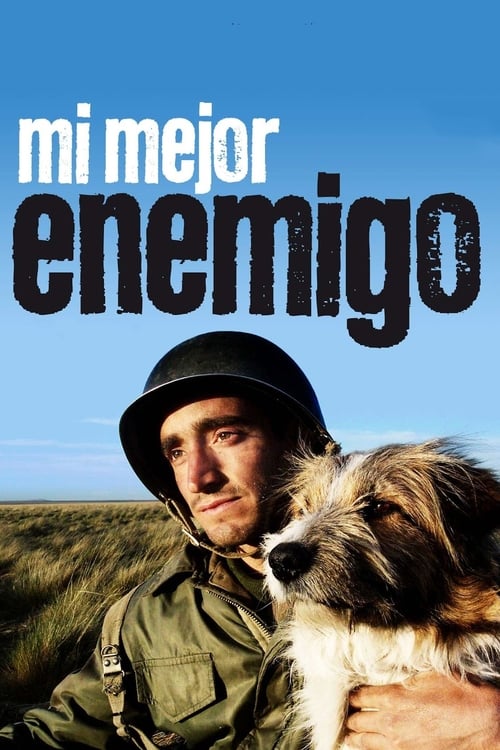
After losing their bearings, a group of Chilean soldiers learns some lessons about their enemy's humanity in this dark comedy set during the 1970s war between Chile and Argentina. Digging in where they are, the troop soon discovers a nearby Argentinean platoon. Unsure how to handle the situation, the two groups start passing notes via a stray dog, and eventually achieve a wary camaraderie.
Mi mejor enemigo

Story of Brazilian bank-robber Lúcio Flávio, who fascinated some people in Rio de Janeiro during the 1970s for his bold robberies and spectacular escapes, and also because he was thought to be intelligent and "politically aware". Before dying, he disclosed a network of corruption in Brazilian Police, and its involvement with the infamous "Death Squad" of the time, a group of policemen who went about killing criminals without giving them a fair trial.
Lucio Flavio

Two friends get rich running an illegal gambling business. But soon they start to compete, and become rivals.
The King of Rio

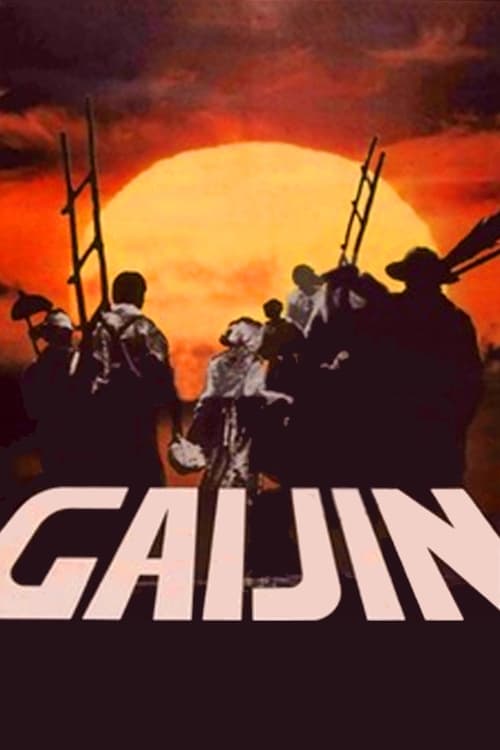
Based on fact, this is the story of the struggles of Japanese immigrants who traveled to and settled in Brazil looking for a better life.
Gaijin: A Brazilian Odyssey

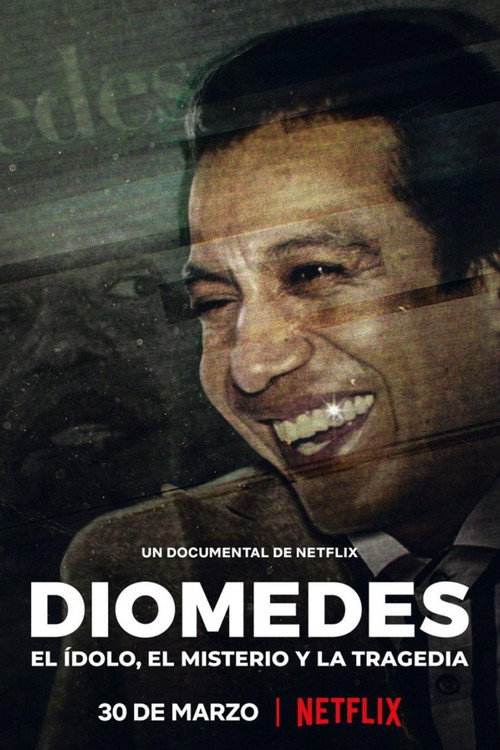
This documentary chronicles Diomedes Díaz's rise as one of Colombia's most iconic singers, and his downfall after being accused of killing a fan.
Broken Idol: The Undoing of Diomedes Díaz

When enemy members of the two main Chilean soccer teams, Azul and Paloma meet in a fight after a soccer game they fall in love at first sight. They run away through the night in the streets of Santiago, while two groups search for them, when they meet, happens the inevitable.
Azul y Blanco

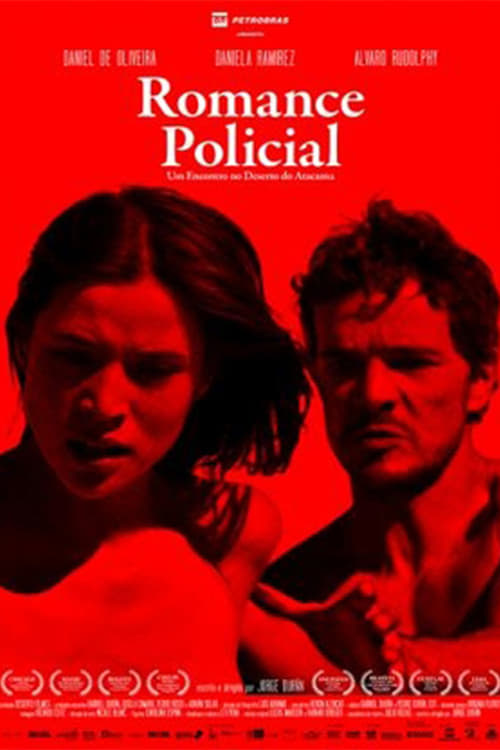
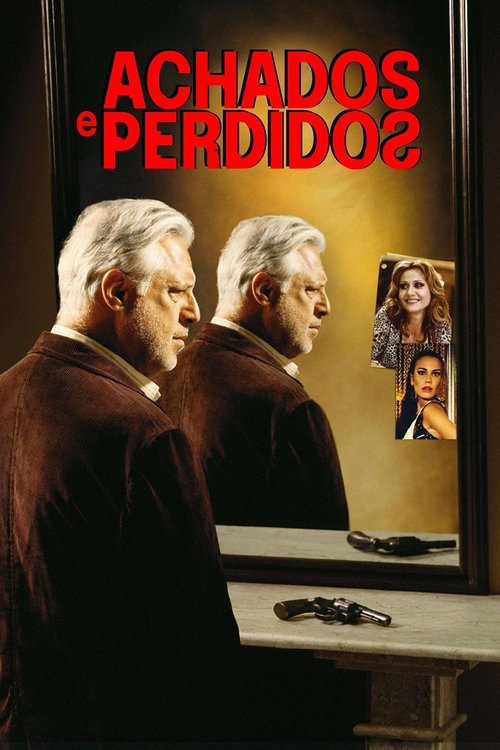
A retired cop becomes the prime suspect in the murder of a prostitute.
Lost and Found

Gafanhoto is a smuggler who tries to take a hit by stealing a valuable stone. He awakens the fury of the old boss of the gang, and ends up involving in the plot a former colleague, Poeta and his girlfriend Cris, a beautiful woman who brings in the eyes the mark of the tragedy.
A Maldição do Sanpaku

32 renowned Brazilian screenwriters of the contemporary Brazilian cinema talk about their creative processes. From the concept of script to their agreements and disagreements, going through their experiences with filmmakers, their reaction to the finished film, critic, and even controversies on auteurism.
The Screenwriter

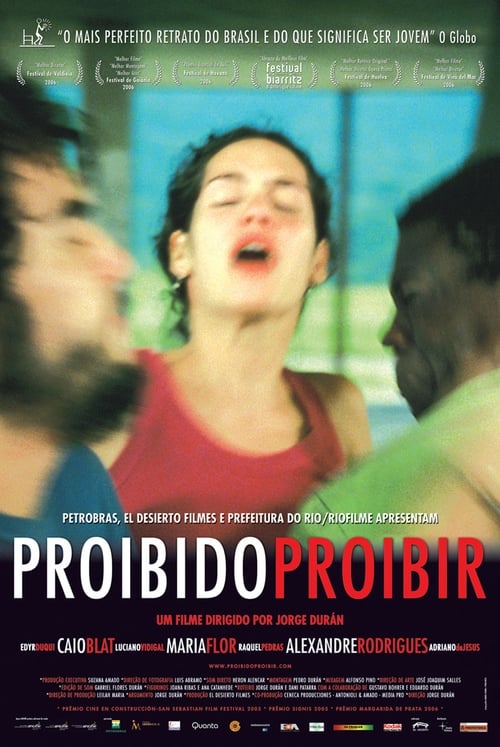
Three young Brazilian try to help a terminally ill woman who lives in the slums of Rio de Janeiro. Their youthful idealism is shattered with the cruel reality of police brutality.
Forbidden to Forbid

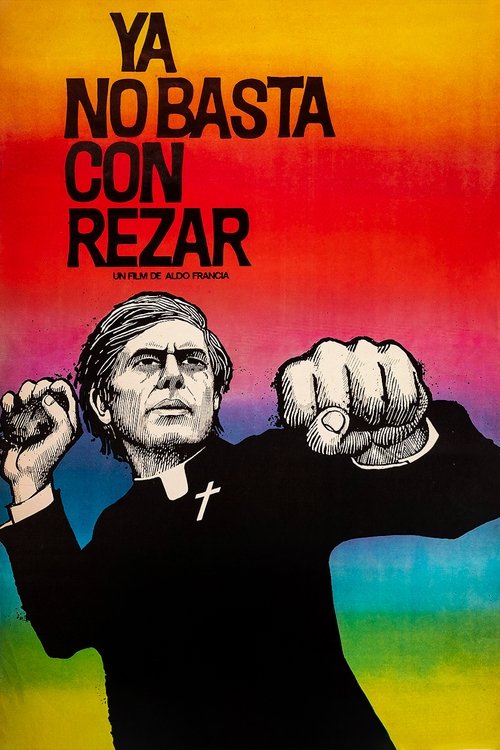
Many socially-concerned priests in Catholic Latin America have at some time left their parish churches to go and work in the fields and factories of the poor. Such priests, usually adherents of "liberation theology," are called "worker-priests." This Chilean film tells the story of how one man became a "worker-priest" and won the trust of the poor.
Enough Praying

No description available.
Não Se Pode Viver Sem Amor

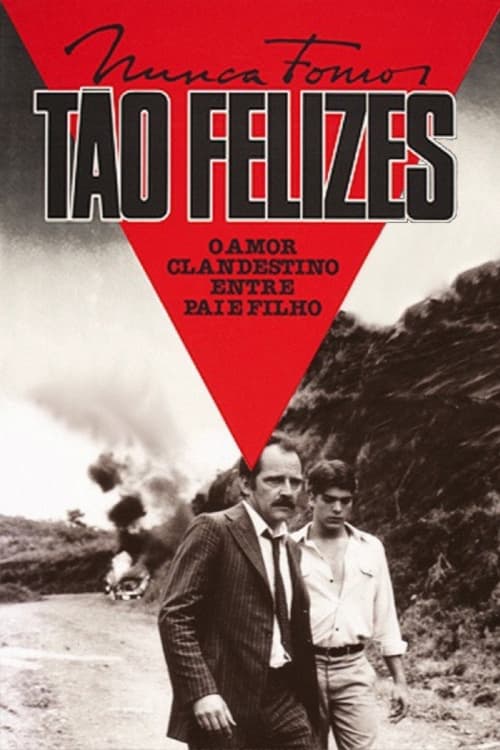
During the military dictatorship, a political militant takes his son out of the boarding school, and puts him temporarily in a friend's luxury and empty apartment in Copacabana beach. The son knows very little about his father, and the latter cannot really explain his activities to his son, fearing for his security. So the young man stands alone in the huge apartment, waiting for the infrequent meetings with his father, without really knowing what's going on.