Directing
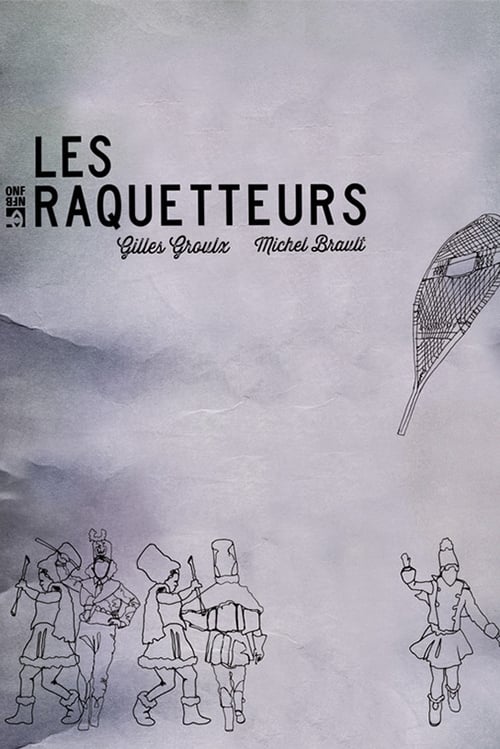
This short documentary records the celebration and ritual surrounding a snowshoe competition in Sherbrooke in the late 1950s. The film marked the beginning of a new approach to reality in documentary and prefigures the trademark style of the NFB's newly formed French Unit. Today, "Les raquetteurs" is considered a precursor to the birth of direct cinema.
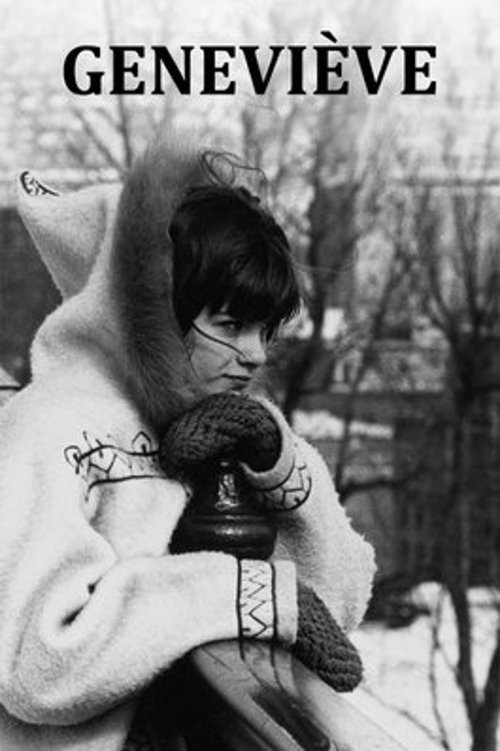
Two teenage girls go to winter carnival in Quebec City for the first time. Their ambiguous, tentative relation with a young boy brings both of them the sweet intensity and disillusionment of first love. One of four film sketches on the problems of adolescents facing the adult world in the 1960s included in the anthology film That Tender Age (La fleur de l'âge, ou Les adolescentes). The three other sketches were directed by Jean Rouch, Hiroshi Teshigahara, and Gian Vittorio Baldi.
One day in a kindergarten classroom at Van Horne Public School in Montreal. The teacher encourages children to turn their curiosity into questions and organizes group activities and play periods.
No description available.
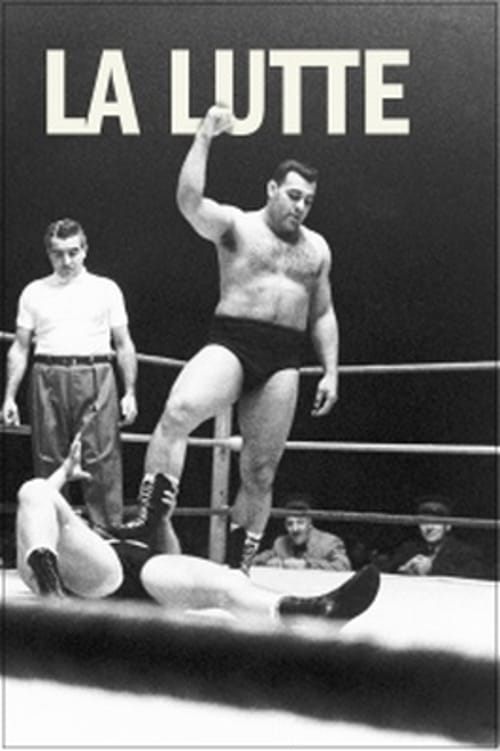
A candid-camera view of professional wrestling as seen in the Montréal Forum, where some of the biggest bouts are staged, and in back-street wrestling parlours where the warriors practice their art.
The NFB filmed the table tennis competitions between teams of young Canadians and Chinese that took place in the People's Republic of China in the summer of 1973, the first time in twenty-five years that such filming was made possible. Shown are highlights of play at the China-Canada Friendship Meet, as well as some of the sightseeing taken in by the young Canadians--a visit, for example, to the Great Wall of China. Film without words.
This short documentary shows the reactions of European immigrants as they land in Halifax at the beginning of the 1960s. From the port, we follow them on a snowy journey by train to Montreal.
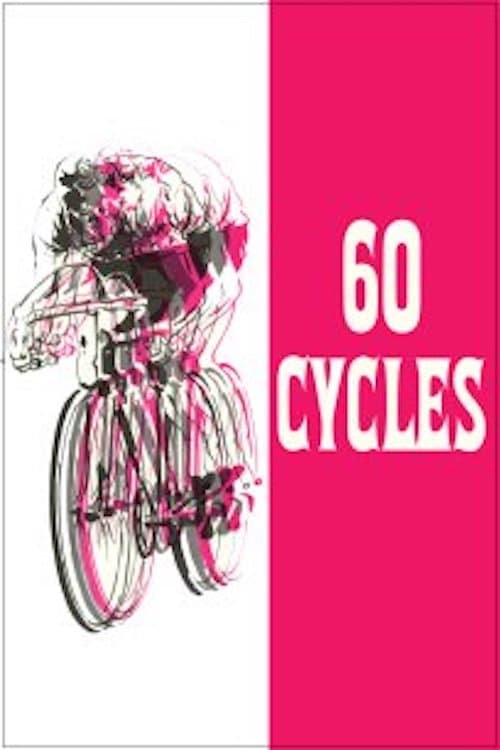
On your marks. Follow cyclists from 13 countries as they cover 2.400 km of Gaspé countryside in 12 days-a course longer than those of Italy, Belgium or Spain. The long shots of curving landscape and open road are set to a mesmerizing soundtrack in this documentary, and the results are spellbinding.
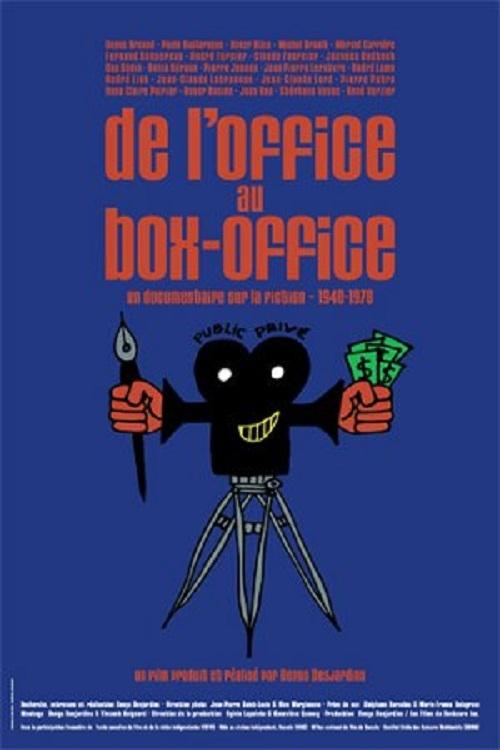
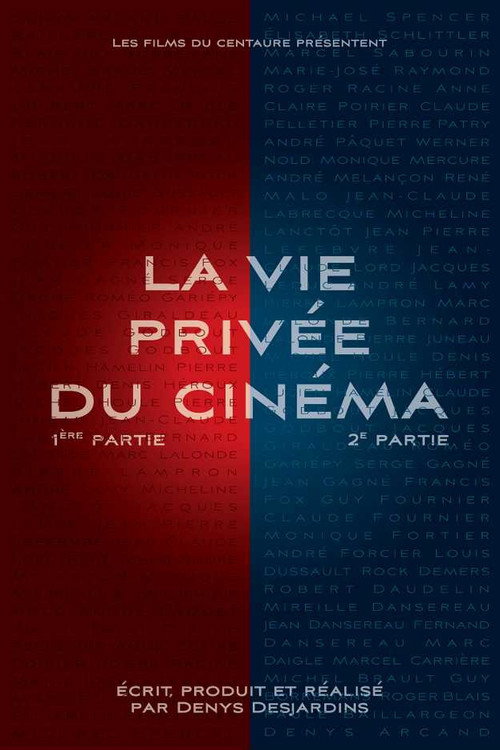
A two-part in-depth exploration of the evolution of the private film industry, seen through the eyes of more than 50 industry professionals. Part One (1939-1979) : Artists and professionals from the social and commercial film sectors recount the struggle to build a film industry that is privately operated yet publicly funded. Part Two (1980-2010) : Executives, policymakers, and industry professionals trace the origins of the major funding institutions and discuss the unintended consequences of building a cultural industry around performance metrics, revenue generation, and private profit.
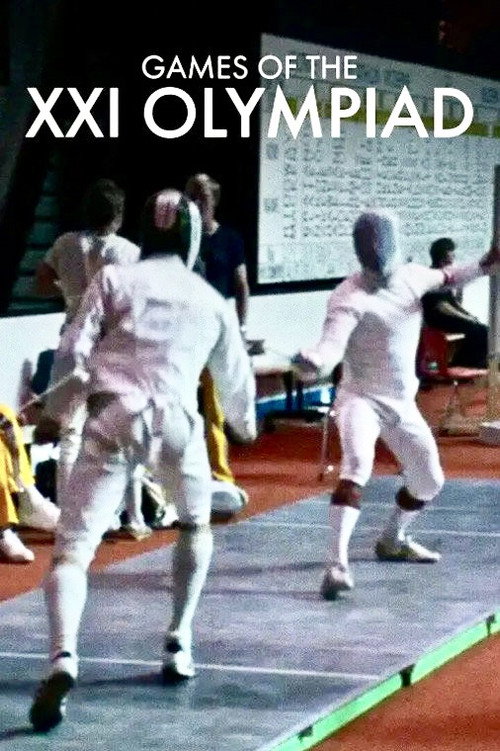
Edited from almost 100 km of film footage shot during the Games, this feature documentary is a breathtaking portrait of the 1976 Montreal Olympics. Much more than a simple record of the Games, the film approaches each event with the intention of revealing the athlete - whether winner or loser - as a unique individual.
Ethnologist Marius Barbeau introduces us to indigenous mythology. Masks, dances, songs, and totems are used to give the audience a highly suggestive representation of the "biblical" history (Mr. Barbeau's word) of Indigenous tribes.
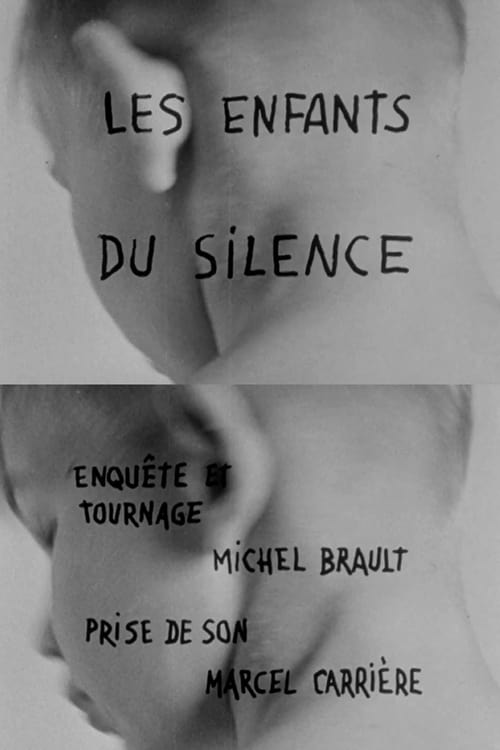
This film looks at the world of children with hearing loss and the importance of early diagnosis. With its straightforward, rigorous cinematic style and intimate approach to the subject, the film focuses on the human rather than the technical side of the problem of hearing impairment.
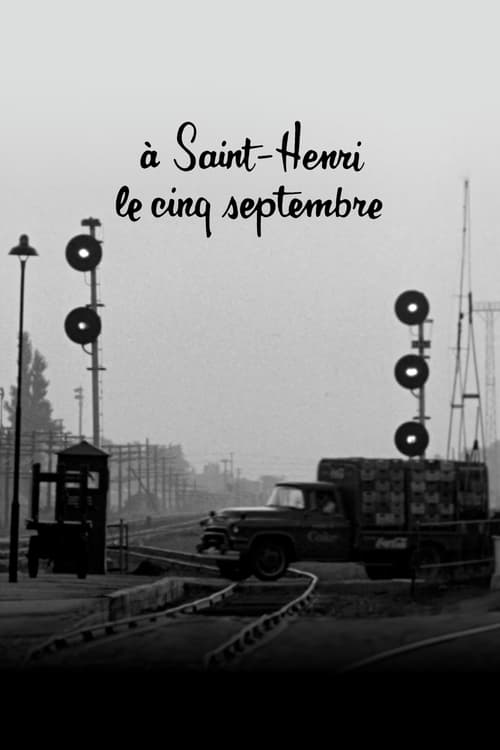
This short film is a series of vignettes of life in Saint-Henri, a Montreal working-class district, on the first day of school. From dawn to midnight, we take in the neighbourhood’s pulse: a mother fussing over children, a father's enforced idleness, teenage boys clowning, young lovers dallying - the unposed quality of daily life.
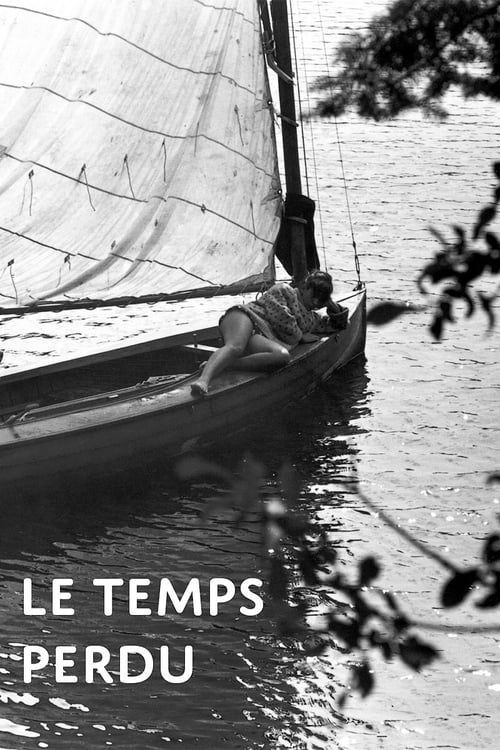
A 16 year old girl recalls the last moments of her summer vacation, spent with friends in the Laurentians north of Montreal. She reminisces about their talks on life, death, love, and God. Shot in direct cinema style, working from a script that left room for the teenagers to improvise and express their own thoughts, the film sought to capture the immediacy of the youths presence their bodies, their language, their environment.
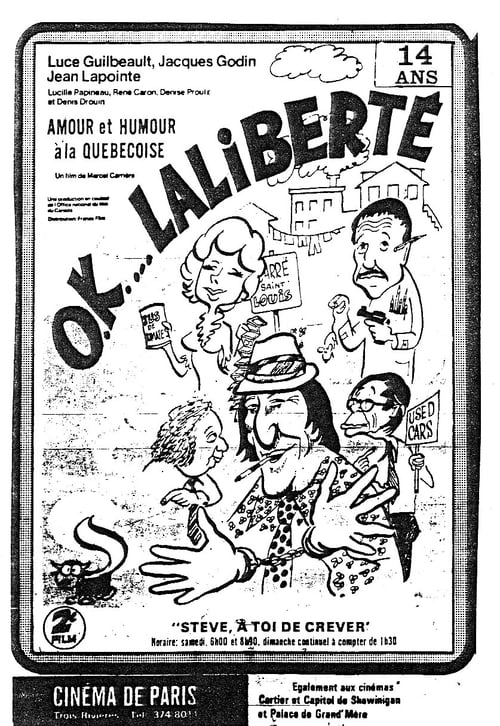
A down-and-out man who got separated, gets his second chance in a boarding house, thanks to a friend who is a con man, and falls in love with a roommate. However, when he gets a job, his ego gets over and might lose everything he got.
Feature-length documentary film directed by Marcel Carrière. Returning to the region where the ARDA-BAEQ experiment took place (where the NFB's first social animation films were shot), the filmmaker witnesses the application of one of the measures stemming from this socio-economic redevelopment plan in Quebec: the demolition of 11 villages in the Lower St. Lawrence and the Gaspé Peninsula, experienced in Saint-Octave-de-l'Avenir.