Directing
At the foot of Europe’s largest glacier, seven Icelandic siblings once lived in deliberate isolation, dedicating their lives to observing ice and nature long before climate change had a name. Their abandoned farmhouse becomes a living archive, animated by photographs, objects, and a 16mm film that restores gestures, spaces, and a vanished way of being in the world.
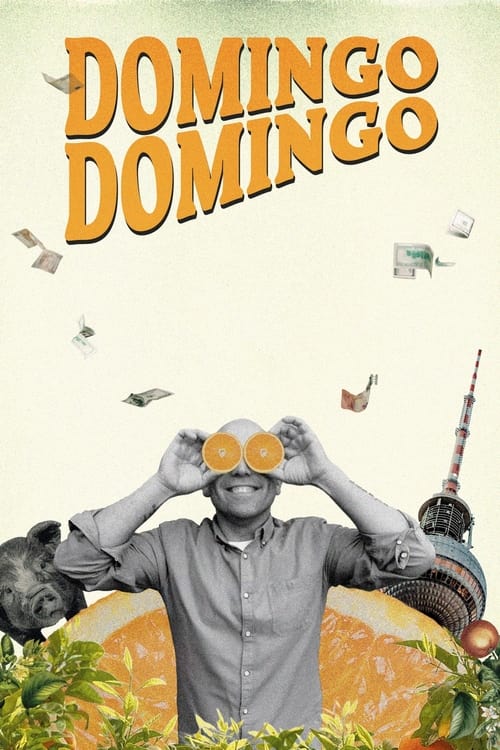
Domingo Domingo, a witty Valencian orange farmer, tries to stand up to the multinational companies that oppress the humble workers of the land.
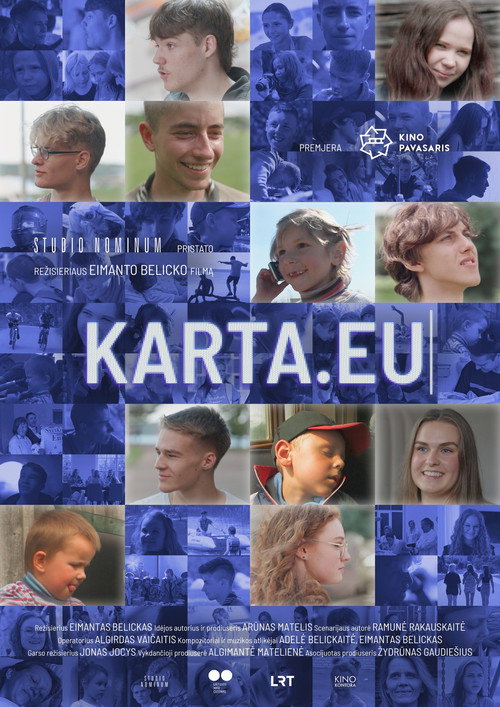
On May 1, 2004, about half a dozen children were born in Lithuania. Their arrival in this world coincided with the accession of Lithuania to the European Union. At the initiative of director Arūnas Matelis, the creative group that recorded the birth of many babies returned to some of the heroes every few times. After 20 years, the director Eimantas Belickas together with the author of the script Ramune Rakauskaite chose the brightest, outstanding young people who already have something to say about their first steps upon reaching adulthood. This is a picture of the first EU generation in Lithuania.
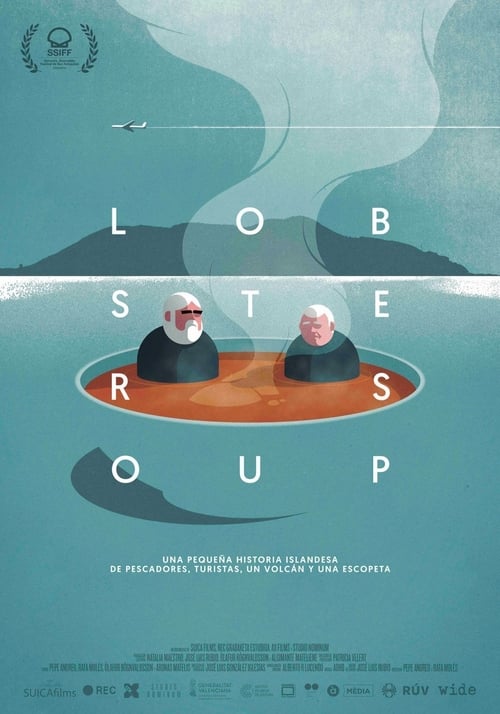
Every morning Krilli prepares the myriad ingredients required to make the lobster soup at the Bryggjan café, a tiny eatery in Iceland’s dullest town. His wife helps him in the kitchen and yearns to return to Rejkyavik. In the café, Krilli’s brother Alli sits with the old fishermen, the last boxer in Iceland and the translator of Don Quixote into Icelandic. Every day they find a new answer to the world’s problems. Once a month the neighbours meet at the Bryggjan café to remember those who died in Grindavik and pronounce their names. Four crazy musicians play jazz. A few lost tourists turn up at the fishing harbour and are captivated by the atmosphere in the café. Real people, they think. A real place. On the other side of the mountain is the Blue Lagoon, the island’s great attraction. People from all over the world come in fascination to see the volcanoes, the ice and the genesis of the Earth.
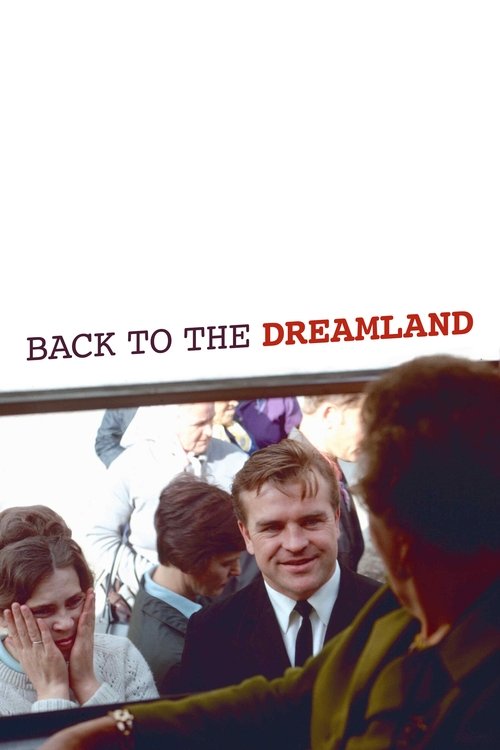
"Back to the Dreamland" is a charming and breath-taking story about the experiences of American Lithuanians during their first visits to the occupied homeland. What they saw and how they felt seems strange and difficult to understand today, since after fleeing Lithuania during the WWII, the refugees maintained a romantic and slightly naive image of their motherland.
“Man-Horse” is a film about an old farmer, Jonas, and his horse. It is an intimate story about the existential relationship between human and animal; it is about solitude and the daily effort to survive. The film's director and Jonas Šalomskas are neighbours in the village of Užuguostis. They have known each other for two decades.
At the beginning of the 1960s, when the French pioneers of cinéma vérité set out to achieve a new realism, and when direct cinema in Québec began to vie for notice, the Baltics wit-nessed the birth of a generation of documentarists who favored a more romantic view of the world around them. This meditative documentary essay – from a Latvian writer and Lithuanian director whose composed touch has long dovetailed with the stylistically diverse works of the Baltic New Wave – pushes adroitly past the limits of the common his-toriographic investigation to create a portrait of less-clearly remembered filmmakers. The result is a consummate poetic treatment of the ontology of documentary creation. Also a cinematic poem about cinema poets.
G.H.1 investigates the bond between a human and an animal, and also the connection between one dog and another. A pet owner, stroking their companion for the last time, knows this: what stays forever is not sadness or pain, but the memory of true friendship and love.
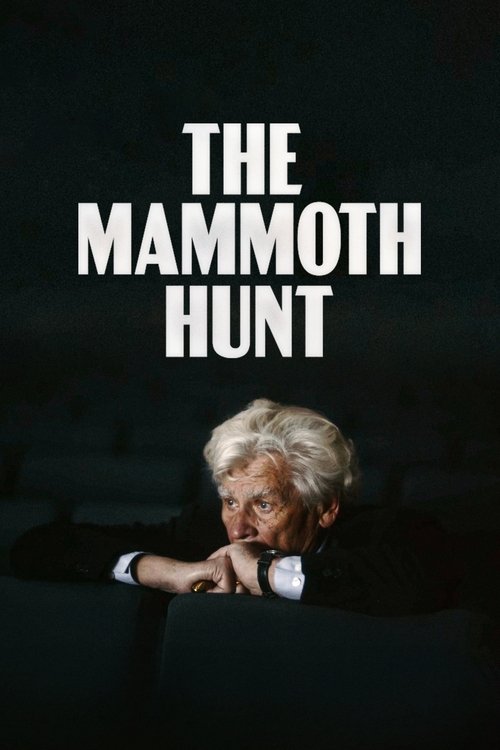
“The Mammoth Hunt” is a story about a film reel that for many years has been thought to be lost. On the reel, under conspiracy conditions, an abolished anti-Soviet theatre performance had been documented nearly 50 years ago – a play that served as a cross-section of the period revealing the universal subjects of courage, conformation, loyalty and betrayal.
The first part of the film – Island of Crete – was created in 2007, as an independent work. The second part – “Confession" – is like an other half of the Island of Crete, which reveals the reality of it as evidence of a rather cruel creative mechanism occasionally opens up even coercive elements. The author is trying to take a good look in the episodes that are often destroyed in the name of the film illusion creation.
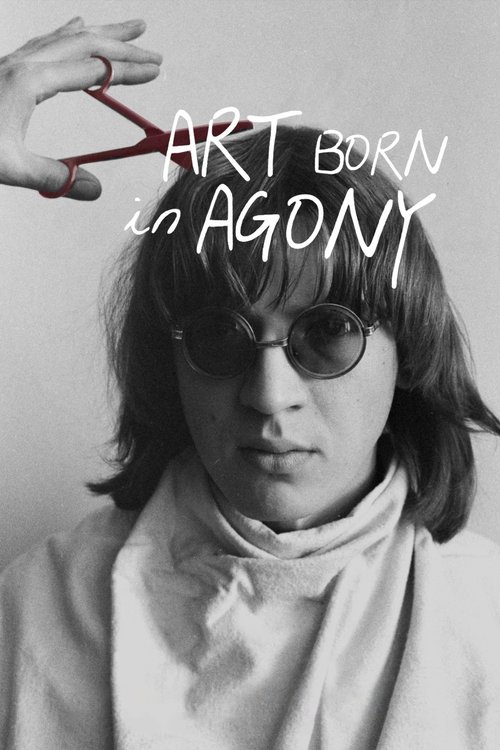
A gripping journey into the world of Latvian rock legend Juris Kulakovs. The film follows a young filmmaker as she uncovers the essence of the enigmatic musician through his tumultuous life, music, and eccentric flat. Delve into the Soviet-era struggles and post-independence triumphs through candid conversations with both Kulakovs and those closest to him. An exploration of art, passion, and perseverance in the face of adversity.
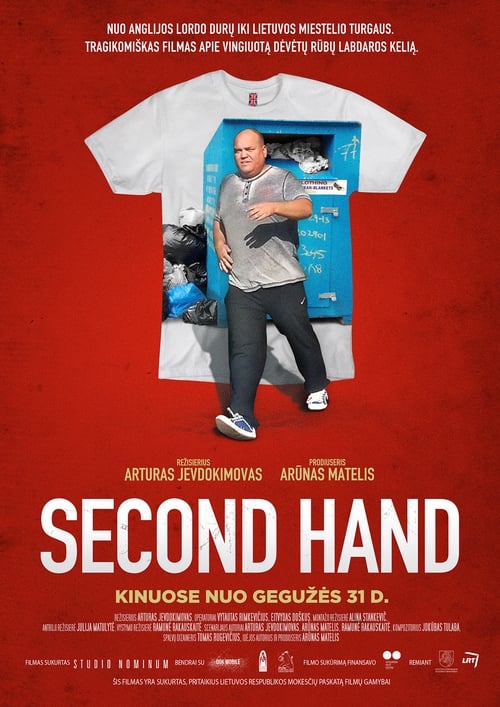
Ever wondered where the clothes at your local second-hand shop came from? A tangled net of murky charity clothes business is spreading out across the entire UK. From London to Lithuania, the journey of the donated garments is accompanied by a hidden life of Lithuanian emigrants in the business. In this documentary comedy with a touch of a detective drama, we will follow lives of four vivid characters, who have cultural clashes, tragicomic incidents yet manage to retain passion and irony in the cruel and inhumane environment.
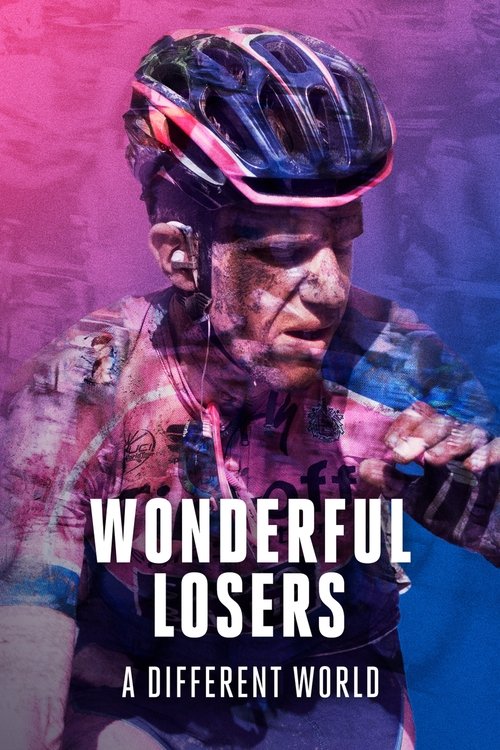
They're called water carriers, domestics, 'gregarios', 'Sancho Panzas' of professional cycling. Always at the back of the group, with no right for a personal victory. These wonderful losers are the true warriors of professional cycling.
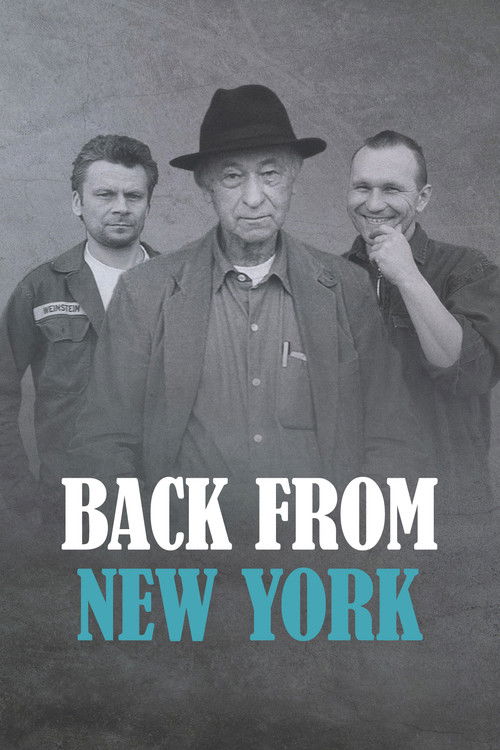
Two artists, whose work was constrained during the Soviet era, fled to New York. There, they met with their guru Jonas Mekas, the creator of avant-garde filmmaking. He led the way into the bohemian circles and helped them to discover creative freedom.
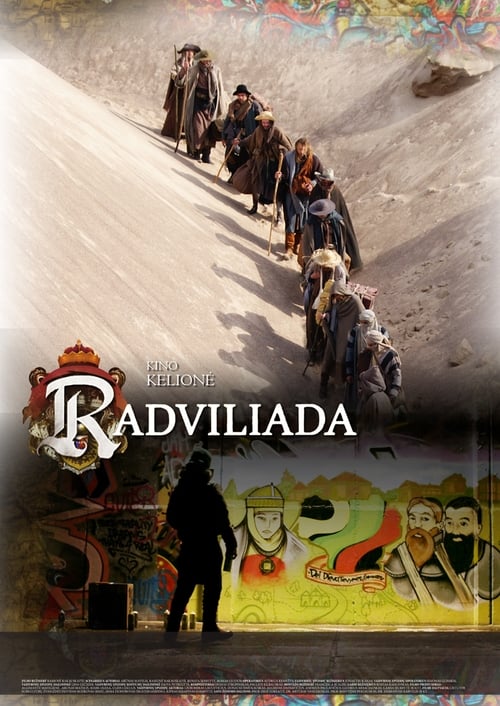
A cinematic journey into one of the greatest European noble families, the Radziwiłłs. Even the King would stand up when Radziwiłł the Black entered the room. Members of the Radziwiłł family weren’t afraid to defend the Reformers when the fires of the Inquisition burned across Europe. It was a Radziwiłł who went on one of the most challenging pilgrimages from Vilnius to Jerusalem and then published an account, becoming the pioneer of travel literature. A mix of documentary and fiction, past and present, and history and its re-enactment, brings to life the essence of a once-popular saying: “I don’t want to be a king. I want to be a Radziwiłł.”
Arūnas Matelis' graduation film tells the story of a Lithuanian village in Belarus – Pelesa and this village's luminary Marija Kruopienė.
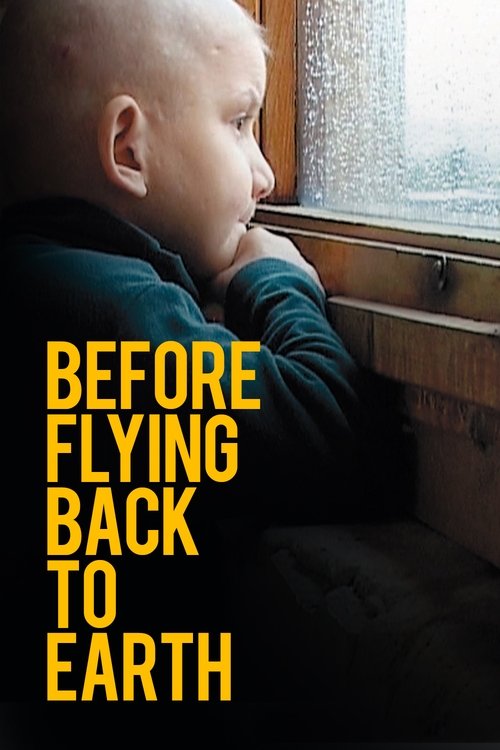
Documentary about a hospital ward for children with leukemia in Lithuania.
The film is like an essay. During spring, the village is soaked in flood. It’s Easter Eve. The villagers are gathering for a strange old ritual in order to watch over The Crucified until the dawn. However, the stillness is being shaken by performers/villagers who are trying to steal The Crucified, as well as a nearby factory noises that remind of space rocket take off site. The film is based on a strange old pagan tradition, which is still preserved only in one village in Samogitia (a part of Lithuania). The tradition goes back to the archaic space of the magic’s of folk theater.
Like everything rotates around: vodkas searching, vituperation, floating barge, wind gusts. It seems the people, and the nature feel approaching farewell, and intermittent band, repetitive shots and phrases, accentuated the importance of the passing moment.
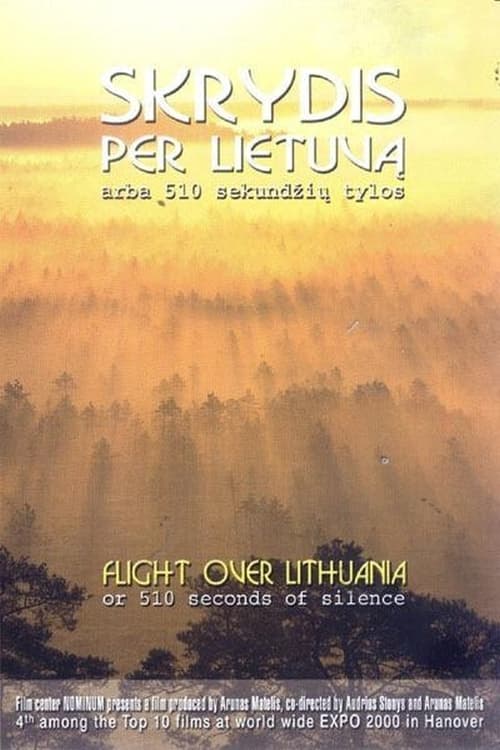
The film features an incredibly low angel’s flight over the dunes of Nida, Trakai castle, the lakes of Aukstaitija (Highlands), the roofs of the Old Town of Vilnius and the fantastically beautiful church steeples. It’s like a mystical gliding just above the treetops, meadows covered by early morning mist, as well as the narrow streets of Vilnius.