Directing
Anti is an 18-year-old gypsy boy with a passion for playing the guitar. He lives in a gypsy slum in a remote corner of Hungary. By an unexpected opportunity he has a chance to break out now from his hopeless situation. He gets selected to the Snétberger Music Talent Center among sixty other young talents. He is mesmerized by the chance of a better life and hopes for a miracle. Although it turns out soon that he has a huge disadvantage compared to the others, even to the gypsy students. He can't read the music sheets and he is not used to regular practice. The sensitive and lovable boy's story is full of unexpected twists and turns. The viewer is carried with his honesty and special humor. Through Anti's story the feature-length documentary gives a glimpse into the work of the Snétberger Music Talent Center with great music and memorable moments from the life of the Talent Camp.
No description available.
The heroes of the story, which takes place in the present, are young people about to graduate. After prom, the fourth-graders escape to a private party, then return to school together for a farewell spree, during which a fire breaks out in the classroom. Due to the style of school investigation, students whose human and personal rights have been repeatedly violated leave the school building without permission during class. They are organized with a huge ambition to change the world together. While graduation only affects them emotionally, the baccalaureate exam turns them into individuals who recognize their individual interests.
Tamás Almási's second-year college exam film based on a short story by István Örkény
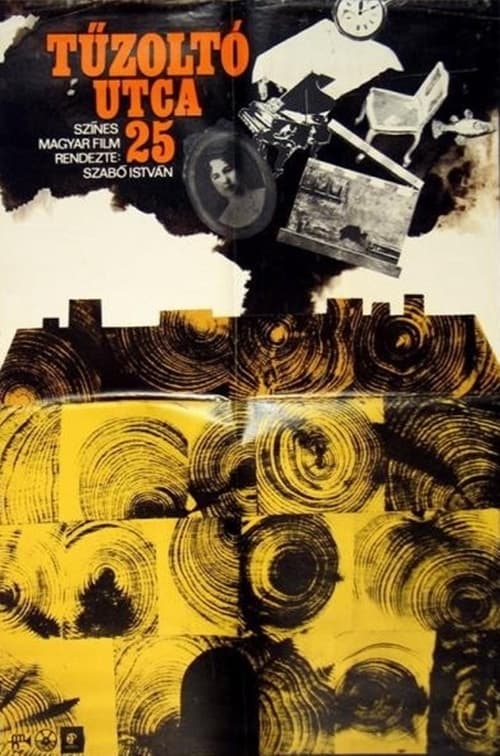
On one hot summer night, the residents of a Hungarian apartment house slated for demolition restlessly revisit their haunted pasts as they face an uncertain future. In a gently turning kaleidoscope of dream imagery, regret-laden nostalgia and painstakingly intimate detail, the looming wrecking ball pales in significance to the accumulated experiences each dreamer revisits. Pre-war prejudice, occupying Nazis and Stalinist deprivations all come and go as each tenant’s backward glance yields moments of aching sensuality, infectious exuberance and catastrophic loss.
This is a spectacular, exciting and emotional portrayal of Ferenc Puskas, the kid from Kispest who became the brightest star in the footballing galaxy.
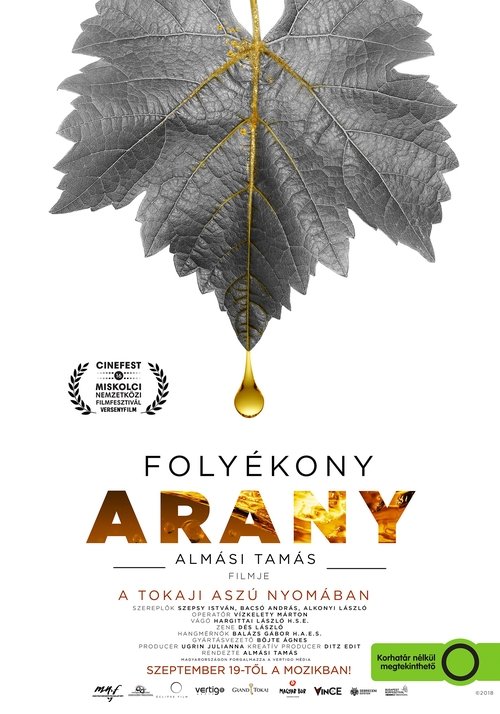
The Aszú of Tokaj, a sweet wine of Hungary, was once cherished by King Louis XIV, Queen Victoria, Peter the Great, Goethe and Beethoven. But the world has since forgotten the noble Aszú, two world wars, the enforced collectivisation of the Communist regime and the deadly filoxera epidemic had all wreaked havoc on the vines. Three dedicated heroes, one passion: to create The Great Wine that can return to the most refined tables of the world.
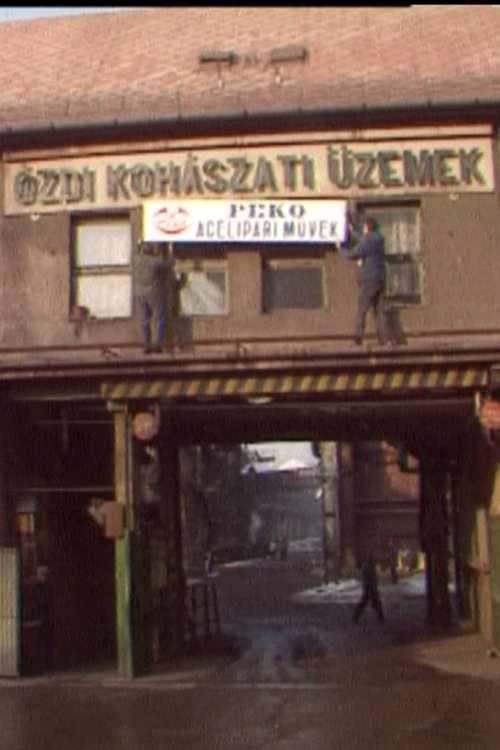
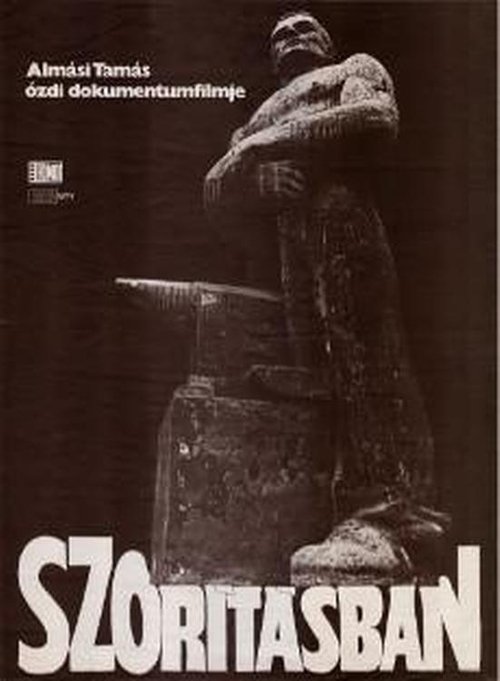
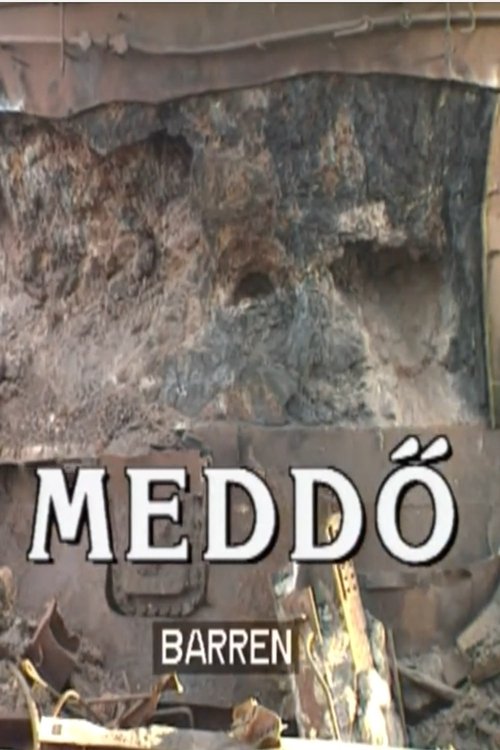
Report documentary film about the crisis of the Ózd Metallurgic Company
A film about the love between a blind man and a sighted woman, a subject that always promises success on the big screen. Can prejudice, new diseases and financial problems be overcome? How much of oneself can one give and how much of the other can one accept? We see the contradictions of a relationship, the depths of a relationship that may not be fully explored, alongside moments of joy and happiness.
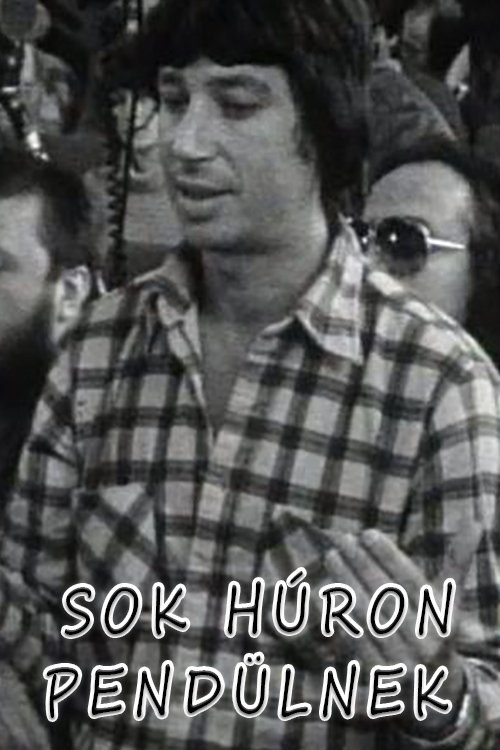
Hungarian documentary from 1982.
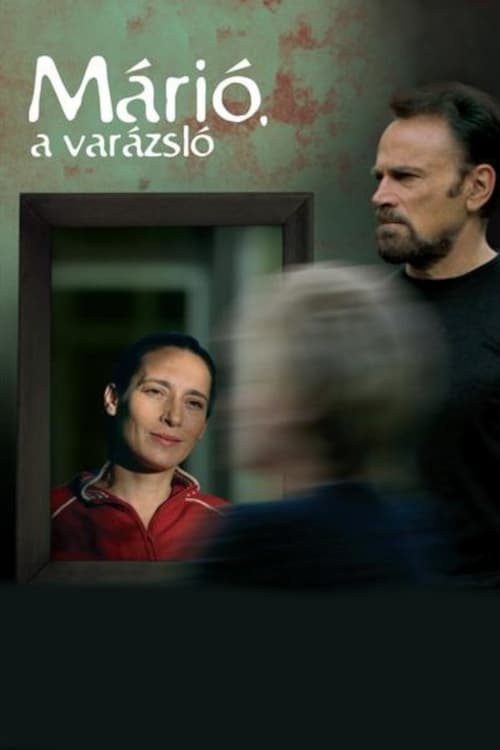
An Italian businessman, Mario comes to the country and opens his shoe company in a small village. A middle-aged female worker falls in love with Mario, but she is not the only one whose life will be changed.
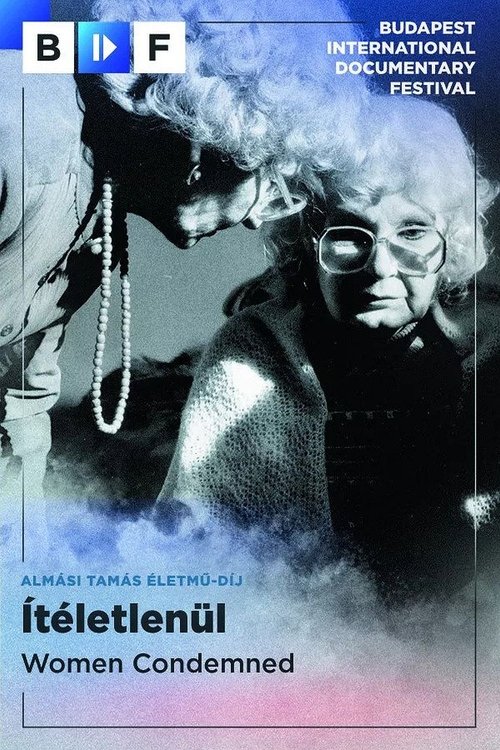
The film portrays women who were interned for long periods of time in the 1950s without trial. They were humiliated, separated from their families, their lives torn apart. Their crime was that they were wives, mothers, family members. Nearly 40 years later, the film confronts the former internees with their former prison governor, Piroska. Some of the women have traveled home from abroad to meet their former inmates and confront their former jailer.
During World War II Carlotta, the circus owner maintains herself, her lover and her rather run-down circus-team by illegal man-smuggling. In the year of 1944, besides the usual refugees, she even has to take Professor Máté, the renown mathematician to the Yugoslavian partisans. The team is joined by Carlotta's psychotic son who has escaped from an asylum.
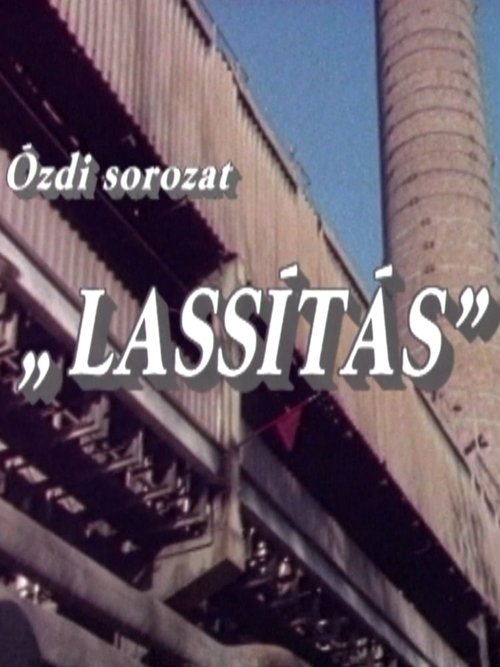
The sixth film in Tamás Almási's documentary series about the city of Ózd.