Acting
No description available.
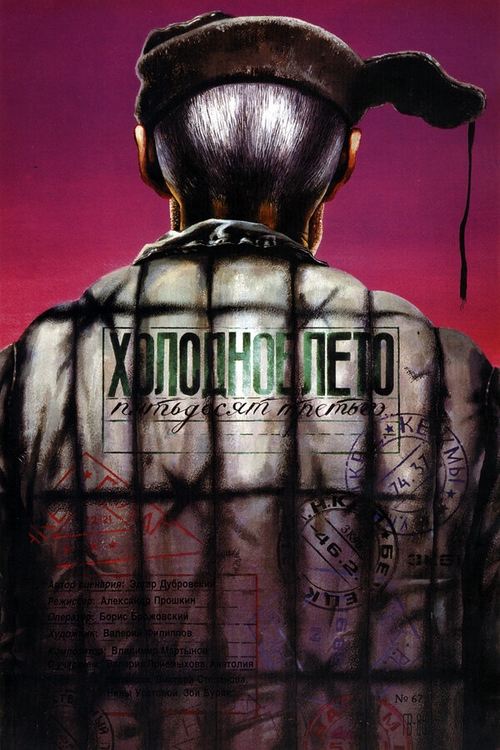
In 1953, the year Stalin died, many prisoners (some political, but mostly common criminals) were released from the Soviet Gulags. This is the story of a remote settlement which was under attack by a bunch of these recently-released blood-thirsty thugs in the summer of 1953, and the townspeople, along with a two political prisoners, who try to stop them.
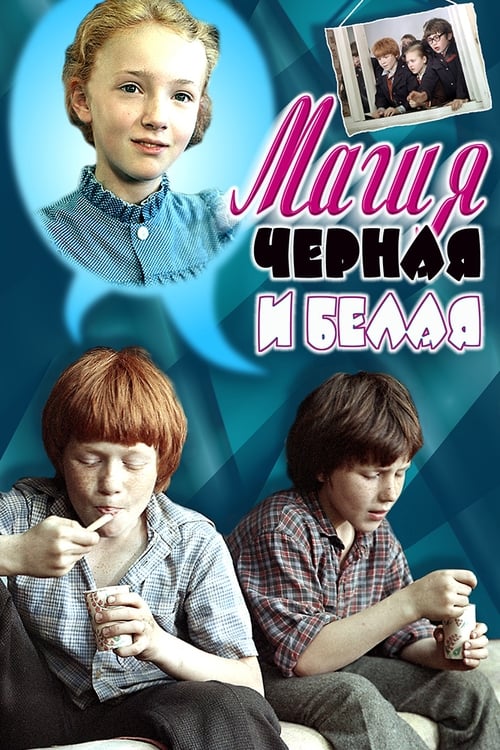
A funny story about two four graders who fall in love with a new girl in the class.
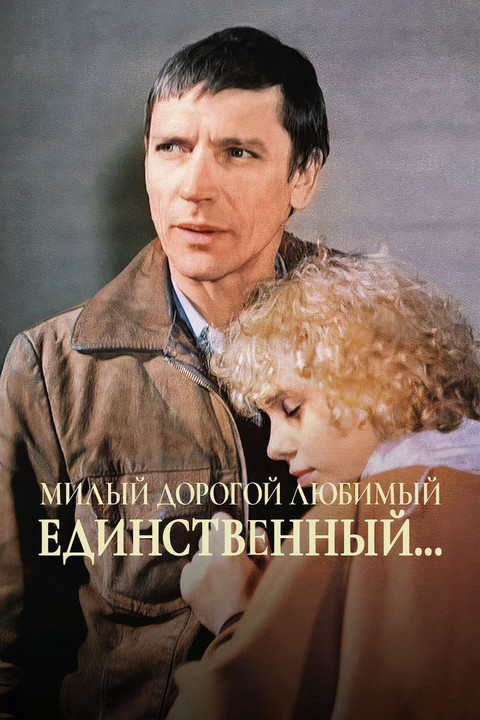
Vadim, a part-time dump truck driver in Leningrad, picks up an extremely young woman, along with a newborn baby. Vadim is forced to spend the rest of his day with Anna, helping her untangle herself from unpleasant, dramatic, and even tragic situations – and she and she alone is to blame for all of them. The baby, which Anna stole in order to make an impression on an estranged lover, is finally returned to its parents, but the problems that the theft caused remain.
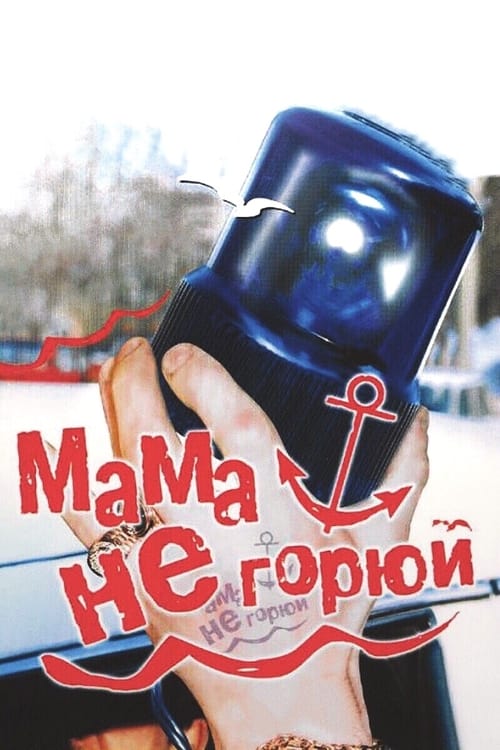
Wedding in a provincial seaside town. In the midst of the fun criminal authority Tourist begins to molest the bride, which infuriates the groom — merchant seaman. The bandits and the police decide to plant a sailor, but he runs away and on his quest sent the police, killers, relatives and different people.
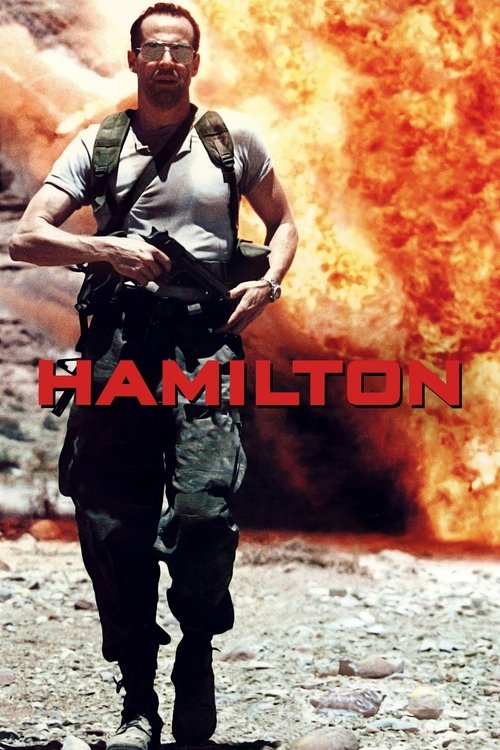
A government agent leads his team's effort to stop Russian rebels from smuggling a stolen missile through Sweden.
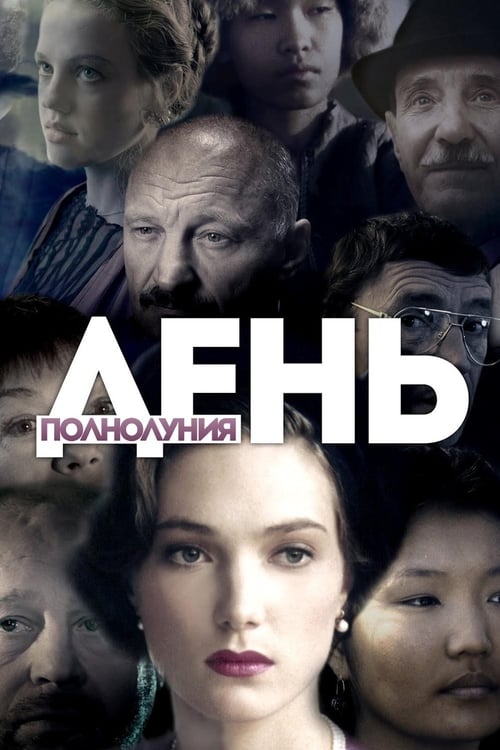
Day of the Full Moon, a series of vignettes from Russia past and present, summons the spirit of Ophuls’ La Ronde, Altman’s Nashville and Short Cuts, and the time-shifting strategies of Resnais (Mon Oncle d’Amérique) to tell provocative, connected stories illustrating the waltz of years and whim of memory. In 1948, a young man, a boy, and a waiter are captivated during the full moon by a mysterious woman in a lilac dress. The effects of this event ripple across the years, washing over more than 80 characters, including a disc jockey, a fairy princess, a gangster, Alexander Pushkin, and a nostalgic dog. But which of these are dreams, and which reality? Director Shakhnazarov continues his career-long focus on the intersection of past and present with this mysterious, exhilarating mosaic of humankind, which in the end both seduces and satisfies.
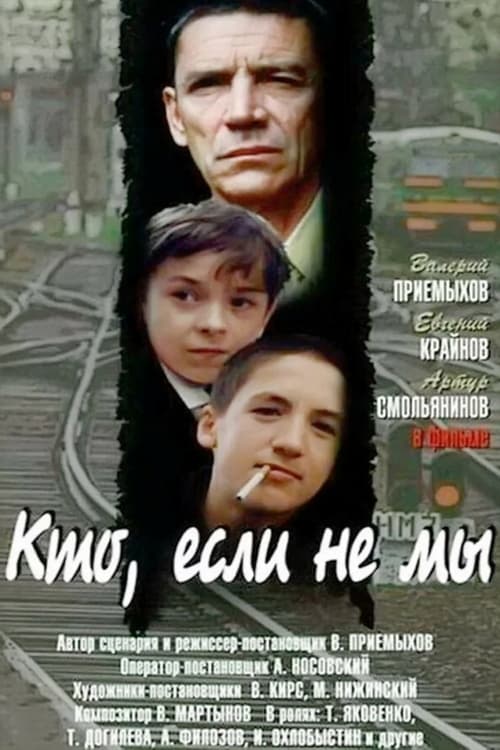
This movie deals with two friends, 13-14 year old boys. One comes from a more or less stable home (although he is growing up with single mom) and another comes from a broken up family. One day the kids break into a store to pretty much have fun and get something to eat, short time after they get caught and one kid is sent to juvenile prison (14 year old) and another one is released to his being too young to be tried (13 years old). The younger kid feels bad about such decision, feels guilty and tries to help his friend in any way possible. While trying to help he is meeting a guy, who is ex-cop and now down-on-his-luck drunk(played by Priyomykhov himself)... the two become friends. In the finale, the ex-cop has to go one of the PTA meeting at school (his mother could not get away from work and knows nothing about the ex-cop) where suddenly his mother appears and meets the "father"...
The self-taught inventor Kostylin, convinced of the expediency of his latest work, this time decided to seek recognition to the end.
The events of the film take place in the first days of May 1966. Nikolai Kuznetsov, a distinguished veteran of the Great Patriotic War and former camp guard, accidentally meets one of his former prisoners. This encounter leads to new meetings—and new insights into the years that have passed...
A teenage girl considered by everybody as "difficult" is sent to the village to live with her grandfather.
When a middle-aged high-court judge in 19th-century Russia starts to experience a sharp pain in his side, he soon finds himself bedridden with an undiagnosed terminal illness. Face-to-face with his own mortality, he becomes increasingly introspective and emotional as he ponders the reason for his acute suffering and imminent death.
Matvey Pestsov, an employee of the District Party Committee, proposes to introduce collective contracting in one of the collective farms. The administration and the chairman of the collective farm Volgin are against the experiment. But Pestsov does not give up.
A former police colonel robbed a bank. He believes that this is the only way to prevent the illegal export of gold, which goes through a channel controlled by the mafia.
A former athlete runs a camp dedicated to reforming juvenile criminals, a tough job with no quick payoffs.
1945 год, война позади. Восемнадцатилетний сержант Сергей Кружкой после тяжелого ранения возвращается домой. Узнав, что в городе орудует банда преступников, герой решает помочь органам правопорядка и в одиночку начинает расследование. После первого столкновения с бандитами Сергей попадает в госпиталь. К нему приезжают фронтовые друзья и они вместе разрабатывают план действий…
Pavel and Pavelina leave their rural countryside homes and move to Moscow to find work. Once there, they find that urban life is not what they thought it was and have to endure bitter hardships as they try to find work and places to live. The two meet for the first time during a fight at a bar, when they are arrested by police along with others in the building. The understand each other's troubles and band together to avoid both the police and criminal gangs that plagued Moscow toward the end of the Soviet Union.
On the night of June 22, 1941, a fire breaks out on a German passenger ship. The Soviet tanker "Caspian" comes to its aid - and navigator Nikolai Borshch rescues a German girl, being severely injured in the process. Later, however, the Germans capture the "Caspian" and force it to go to Hamburg...
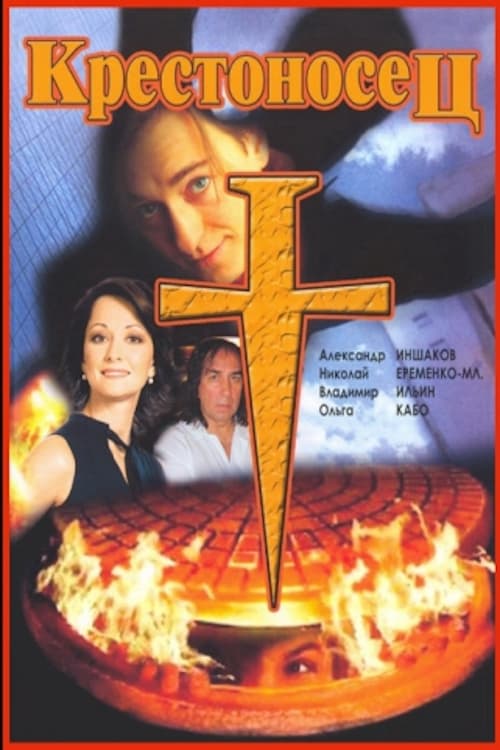
At the filming movie about the crusaders, in Turkey, with one of the stunts died in accident. Death of a stuntman was rigged by criminals, who smuggled a large shipment of drugs in the coffin. Producer Anton is killed, money stolen...
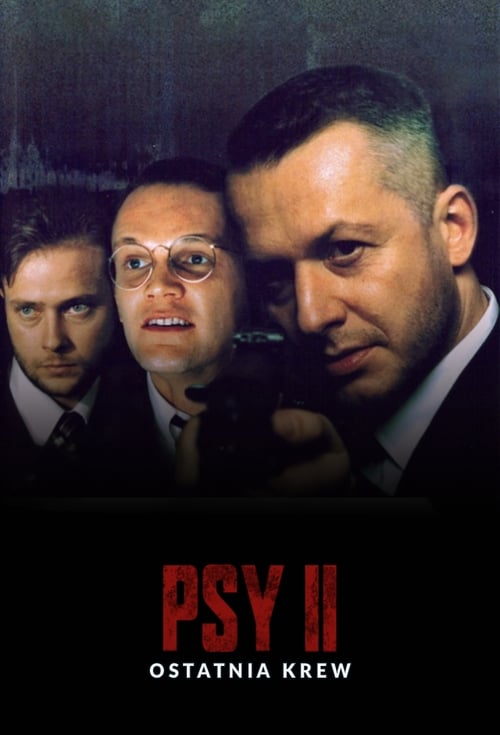
Franz Maurer, a compromised cop, former officer of the criminal department of the Warsaw's police, is released from prison where he was doing time for his brutality and murders. He is awaited by Nowy, a former police colleague. Franz tries to go straight starting hard work in a steel mill. Nevertheless, he must leave the factory as a criminal with an uncertain past when he doesn't join the strike organized by the workers' union. At the same time, a merciless war continues in former Yugoslavia. Wolf and William, two high rank officers, come to Poland in order to organize a network selling and smuggling arms to Yugoslavia by way of Albania.