Production
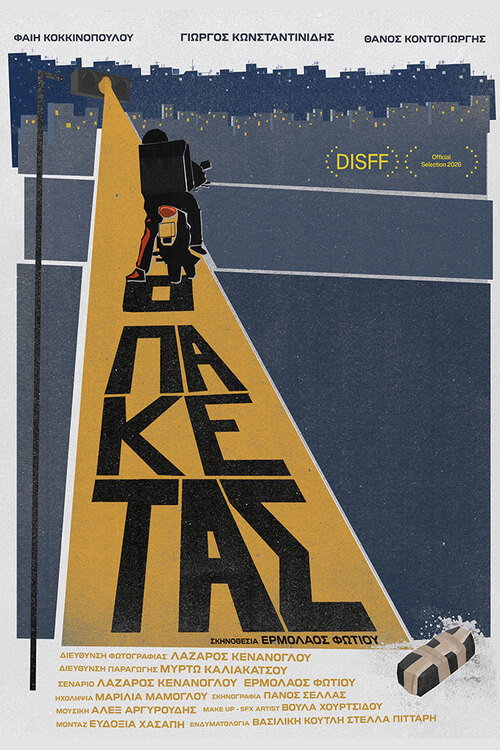
A young runner’s life quickly slips out of control after an accident in which he loses a large quantity of drugs. As he struggles to replace the missing package under intense time pressure, his decisions become increasingly dangerous.
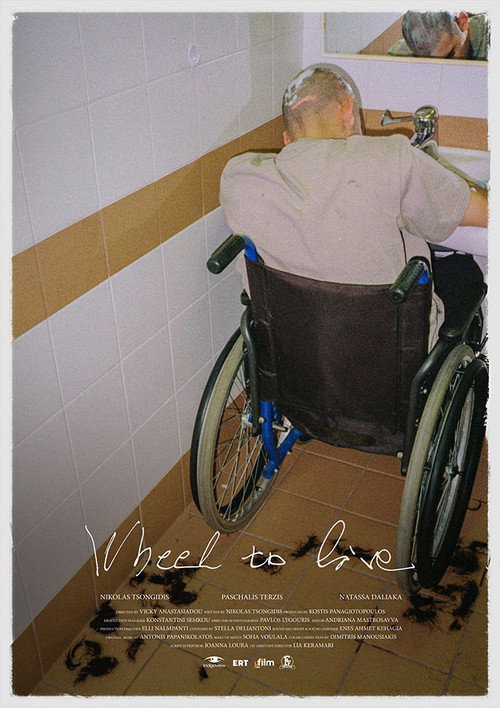
After an accident, Nikos finds himself in a rehabilitation centre, confronted with a new reality. While the world around him keeps moving, he is called upon to redefine his relationship with his body, his boundaries and the course of his own life.
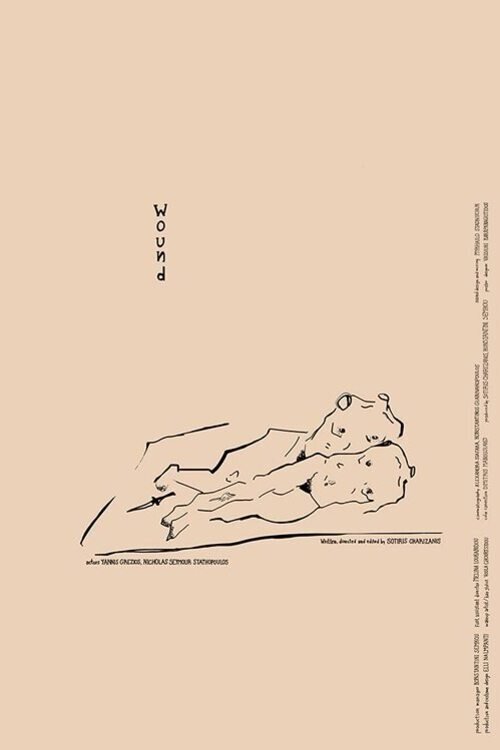
Hermetically sealed and sunk in non-chronological qualities of time, the experience of the wound is always relived torturously, quoting a series of dualities: immobility-movement, inactivity-activity, absence-presence, alienation-proximity, pain-pleasure. Seven long takes represent the wound as something that probably pre-exists and then takes place in an (anti-)erotic situation.
A person, in the case of "Iphigenia" a girl, sacrifices part or even her whole ego to become a member of a new social ensemble and specifically of the social ensemble of her future husband. The film is inspired by the theater of the absurd and mainly by theatrical texts by Ionesco and Pinter but also by the original myth of Iphigenia which symbolizes sacrifice.