FEEL IT.STREAM
Georges Brassens

Georges Brassens

Acting

Biography

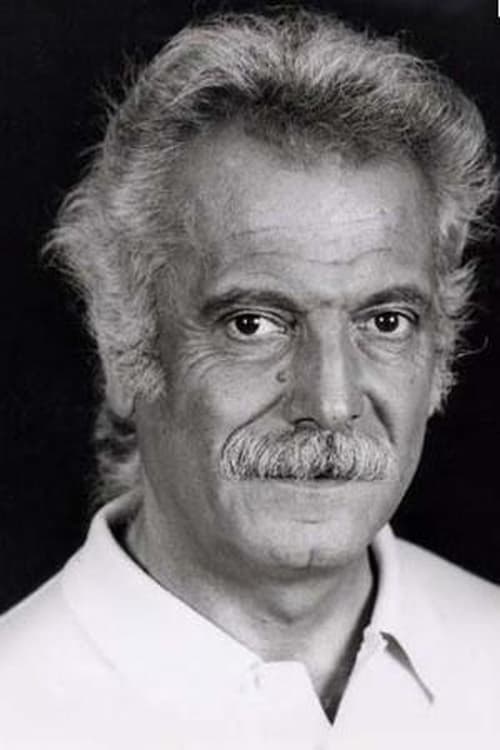
Georges Charles Brassens (22 October 1921 – 29 October 1981) was a French singer-songwriter and poet. As an iconic figure in France, he achieved fame through his elegant songs with their harmonically complex music for voice and guitar and articulate, diverse lyrics. He is considered one of France's most accomplished postwar poets. He has also set to music poems by both well-known and relatively obscure poets, including Louis Aragon (Il n'y a pas d'amour heureux), Victor Hugo (La Légende de la Nonne, Gastibelza), Paul Verlaine, Jean Richepin, François Villon (La Ballade des Dames du Temps Jadis), and Antoine Pol (Les Passantes). During World War II, he was forced by the Germans to work in a labor camp at a BMW aircraft engine plant in Basdorf near Berlin in Germany (March 1943). Here Brassens met some of his future friends, such as Pierre Onténiente, whom he called Gibraltar because he was "steady as a rock." They would later become close friends. After being given ten days' sick leave in France, he decided not to return to the labor camp. Brassens took refuge in a small cul-de-sac called "Impasse Florimont," in the 14th arrondissement of Paris, a popular district, where he lived for several years with its owner, Jeanne Planche, a friend of his aunt. Planche lived with her husband Marcel in relative poverty: without gas, running water, or electricity. Brassens remained hidden there until the end of the war five months later, but ended up staying for 22 years. Planche was the inspiration for Brassens's song Jeanne. He wrote and sang, with his guitar, more than a hundred of his poems. Between 1952 and 1976, he recorded fourteen albums that include several popular French songs such as Les copains d'abord, Chanson pour l'Auvergnat, La mauvaise réputation, and Mourir pour des idées. Most of his texts are tinged with black humour and are often anarchist-minded. In 1967, he received the Grand Prix de Poésie of the Académie française. Apart from Paris and Sète, he lived in Crespières (near Paris) and in Lézardrieux (Brittany). Brassens was born in Sète, a commune in the Hérault department of the Occitanie region, to a French father and an Italian mother from the town of Marsico Nuovo (in the province of Potenza, Basilicata). ... Source: Article "Georges Brassens" from Wikipedia in English, licensed under CC-BY-SA 3.0.

Known For

Champs-Elysées
6.8

No description available.

Champs-Elysées

1982
Apostrophes
8.5

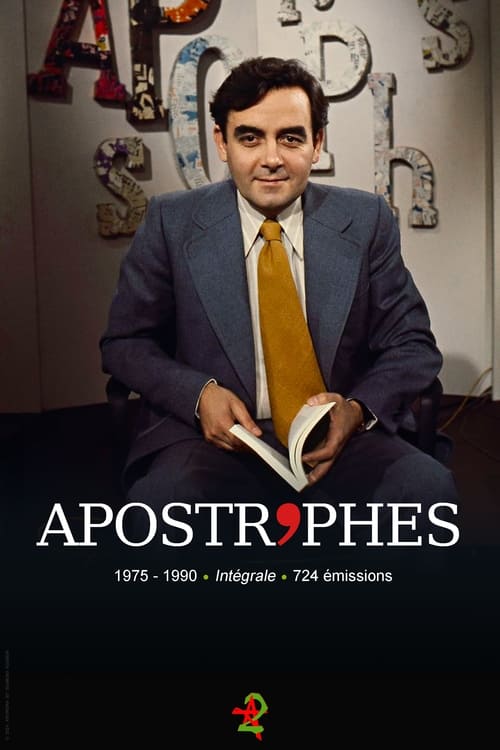
Apostrophes was a live, weekly, literary, prime-time, talk show on French television created and hosted by Bernard Pivot. It ran for fifteen years (724 episodes) from January 10, 1975, to June 22, 1990, and was one of the most watched shows on French television (around 6 million regular viewers). It was broadcast on Friday nights on the channel France 2 (which was called "Antenne 2" from 1975 to 1992). The hourlong show was devoted to books, authors and literature. The format varied between one-on-one interviews with a single author and open discussions between four or five authors.

Apostrophes

1975
Sacrée soirée
5.7

No description available.

Sacrée soirée

1987
Les Rendez-vous du dimanche
6.0

A talk show presented by Michel Drucker

Les Rendez-vous du dimanche

1975
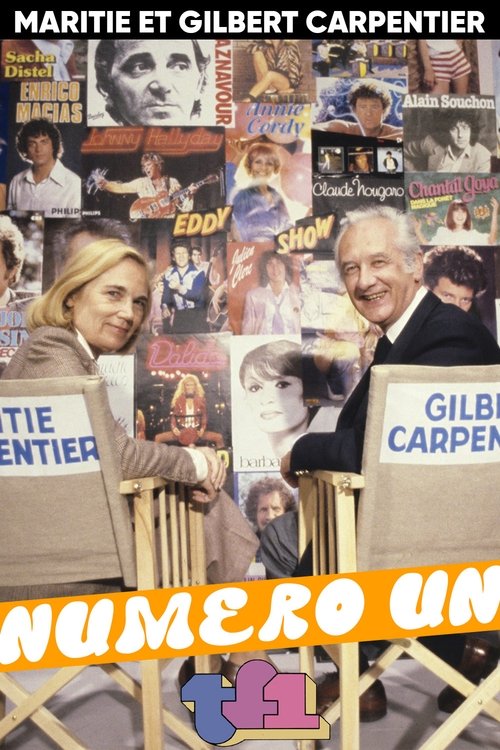
Numéro un
7.5

A French variety show.

Numéro un

1975
Le Grand Échiquier
8.0

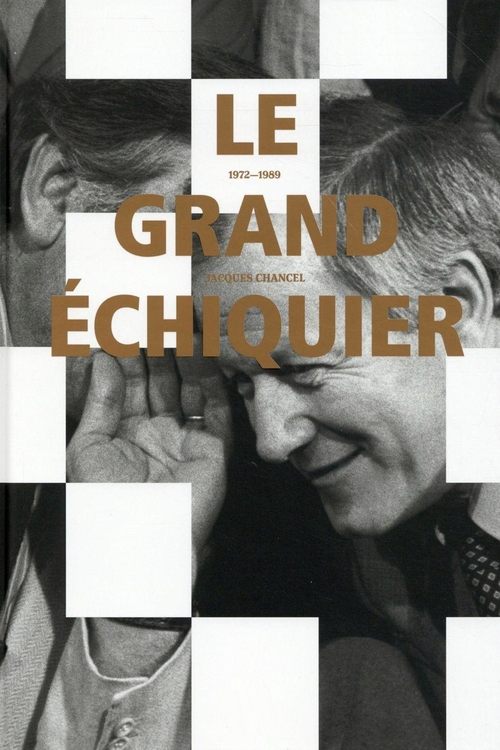
Le Grand Échiquier is a French variety television program created and presented by Jacques Chancel. It aired at 8:30 pm on the first channel of the ORTF from January 12, 1972 to July 12, 1972, then on the second color channel of the ORTF from September 1972 to December 1974, and finally on Antenne 2 from January 1975 to December 21, 1989. The program returned to France 2 on December 20, 2018 and is hosted by Anne-Sophie Lapix.

Le Grand Échiquier

1972
No image
6.0

No description available.

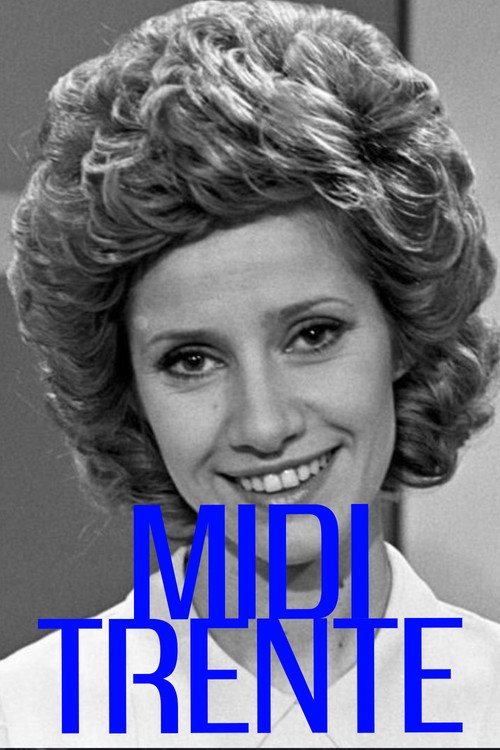
Midi trente

1972
Discorama
8.0

No description available.

Discorama

1959
30 millions d'amis
6.2

No description available.

30 millions d'amis

1976
No image
N/A

No description available.

Système 2

1975
Cadet Rousselle
N/A

No description available.

Cadet Rousselle

1971
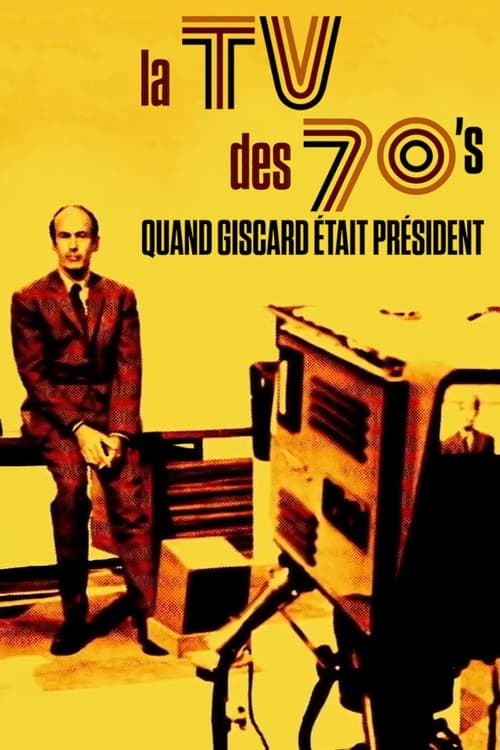
La TV des 70's : Quand Giscard était président
7.2

In May 1974, Valéry Giscard d'Estaing became President of the Republic and wanted to bring about a new era of modernity. One of his first decisions was to break up the ORTF with the creation of three new television channels: TF1, Antenne 2 and FR3. Three new public channels but autonomous and competing. It is a race for the audience which is engaged then, and from now on the channels will make the war! This competition will give birth to a real golden age for television programs, with variety shows in the forefront. The stars of the song are going to invade the living rooms of the French for their biggest pleasure. This unedited documentary tells the story of the metamorphosis of this television of the early 1970s, between freedom of tone, scandals, political intrigues and programs that have become mythical.

La TV des 70's : Quand Giscard était président

2022
Archives secrètes
N/A

No description available.

Archives secrètes

2021
The Gates of Paris
6.6

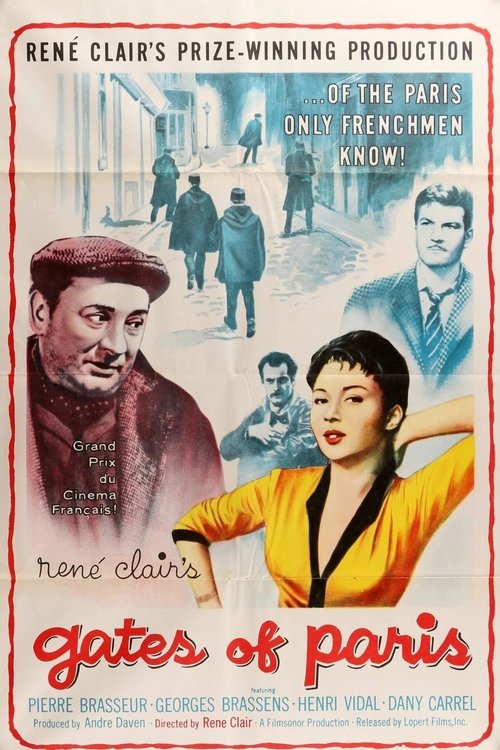
Juju, a drunken oaf who feels the need of being important to someone---anyone---and his friend The Artist are forced at gunpoint to house a fugitive, Pierre Barbier, in Juju's broken-down home. The urge for being needed is such in Juju that he gives up drinking and takes care of Pierre. But one day Juju finds out that Pierre has been making love to his girl Maria...

The Gates of Paris

1957
Georges Brassens - Elle est à toi cette chanson 1954 à 1979
9.0

No description available.

Georges Brassens - Elle est à toi cette chanson 1954 à 1979

1954
Émilie Jolie
6.1

No description available.

Émilie Jolie

1980
Cavanna, jusqu'à l'ultime seconde j'écrirai
6.6

The life and career of French novelist and journalist François Cavanna, his leading role in the invention of satirical press in France and foundation of 'Hara Kiri' and 'Charlie hedbo' newspapers.

Cavanna, jusqu'à l'ultime seconde j'écrirai

2015
Le regard de Georges Brassens
N/A

An atypical portrait of singer, songwriter, poet Georges Brassens.

Le regard de Georges Brassens

2013
L'affaire Matzneff
N/A

About the Gabriel Matzneff affair and pedophilia in French culture and society from the 1950s to the present day. "It was not very difficult to know who Matzneff was at the time." Vanessa Springora denounces thus, in an interview with the Parisian , the support which benefited the writer Gabriel Matzneff , in the years 1970 and 1980. The author fifties then maintains an affair with the young girl, aged 14 years. A relationship under control that the editor tells in Le Consentement (éd. Grasset), published Thursday. "After having analyzed the work " , the Paris public prosecutor's office announced Friday January 3 the opening of an investigation for "rapes committed on the person of a minor of 15 years".

L'affaire Matzneff

2020
The Square
9.0

A series of modernist sketches. A bunch of songs by Olle Adolphson, Owe Thörnqvist, Beppe Wolgers and Lars Forsell are performed in the film. The most famous, Mitt egen land, is sung by Monica Nielsen. Three years before it was first heard on record, then by the composer himself, Olle Adolphson.

The Square

1960