FEEL IT.STREAM
Jean-Louis Comolli

Jean-Louis Comolli

Directing

Biography

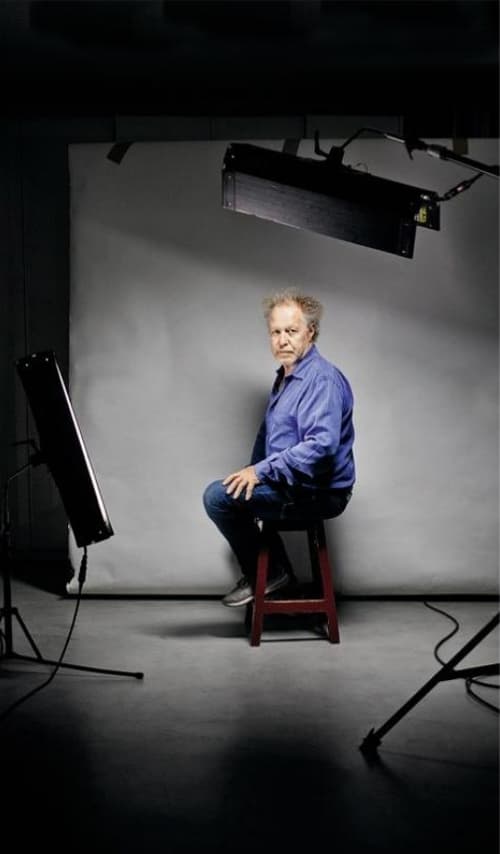
Jean-Louis Comolli is a French filmmaker, screenwriter and writer, born in 1941 in Philippeville (now Skikda, Algeria). After working for Les Cahiers du Cinéma from 1962 to 1978, of which he was editor in chief from 1966 to 1971, he became a director of fiction and documentaries. Also a journalist for Jazz Magazine, he has co-written or edited several books on jazz. His multiple works and his theoretical thinking on cinema have nourished many filmmakers and documentary lovers. He died on May 19, 2022.
Known For

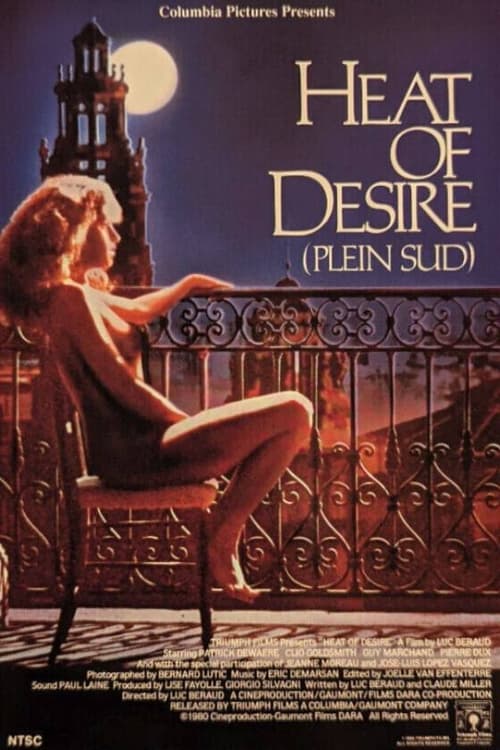
Heat of Desire
5.5

In France in the near future, revolt and chaos erupt. A right-wing politician, Philippe Muphand, is set to take control when his lady friend Caroline walks out, announcing she will take up with the first fool she sees. The fool is Serge Laine, a professor and author of the prize-winning "Le voyage qui ne finit pas," headed to the train station for tickets to Barcelona where he and his wife will enjoy a second honeymoon and he will lecture at the university. Caroline seduces Serge, and he soon abandons wife, family, job, and honesty to embrace Caroline, the romanticism of Jack London, and murder.

Heat of Desire

1981
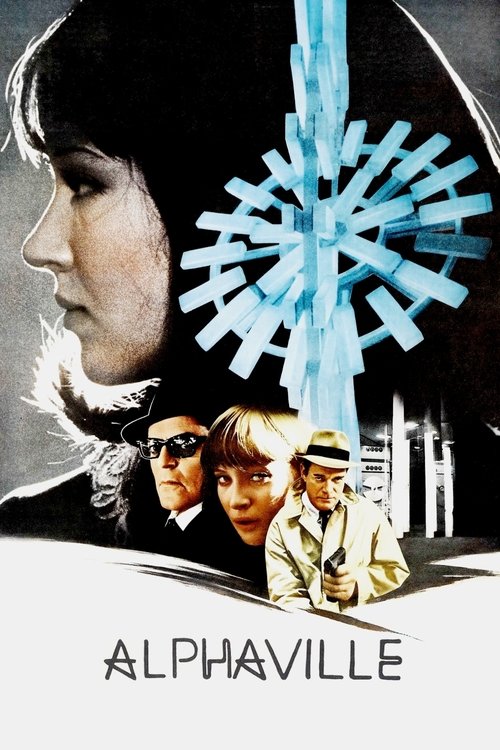
Alphaville
6.9

Lemmy Caution is on a mission to eliminate Professor Von Braun, the creator of a malevolent computer that rules the city of Alphaville. Befriended by the scientist’s daughter Natasha, Lemmy must unravel the mysteries of the strictly logical Alpha 60 and teach Natasha the meaning of the word “love.”

Alphaville

1965
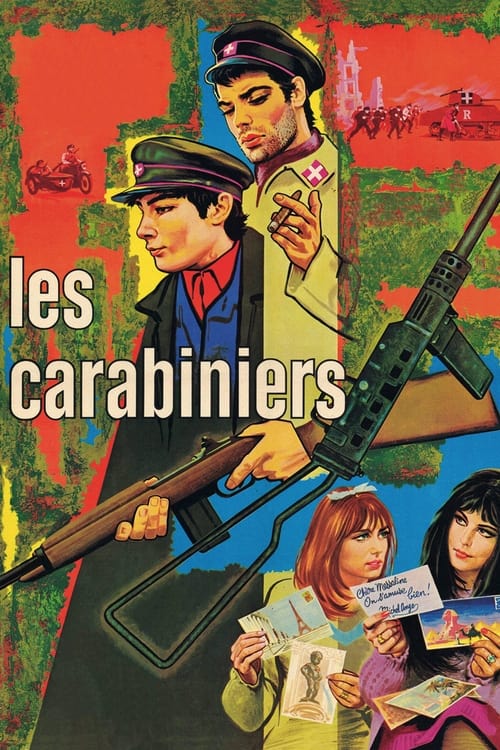
The Carabineers
6.5

During a war in an imaginary country, unscrupulous soldiers recruit poor farmers with promises of an easy and happy life. Two of these farmers write to their wives of their exploits.

The Carabineers

1963
Chahine & Co
N/A

A “Cinéma, de notre temps” series episode directed by French film critic Jean-Louis Comolli on the Egyptian director Youssef Chahine.

Chahine & Co

1992
La Cecilia
7.1

At the end of the nineteenth century, Italian anarchists, ten men, one woman, libertarian, collectivist emigrate to Brazil to start a leaderless community, without hierarchy, without a boss without police, but not without conflict nor passion.

La Cecilia

1976
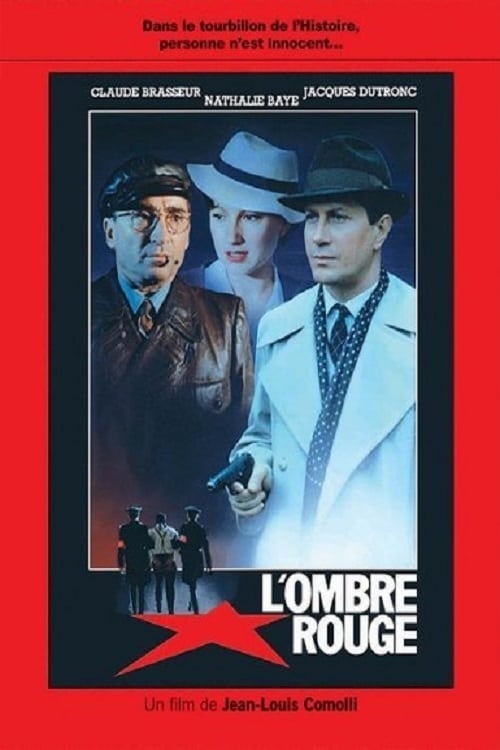
The Red Shade
5.3

The time is the 1930s and two Soviet spies (both Frenchmen by nationality) have been helping Communist factions during the Civil War in Spain. It is the time of Stalin's iron rule in the USSR, and the two agents are suddenly called to Moscow by the KGB. Knowing that they are in trouble for no fault of their own, fear drives one of them to suicide while the other gets his lover and her child and begins a run for his life, knowing that the KGB will never let him go free.

The Red Shade

1981
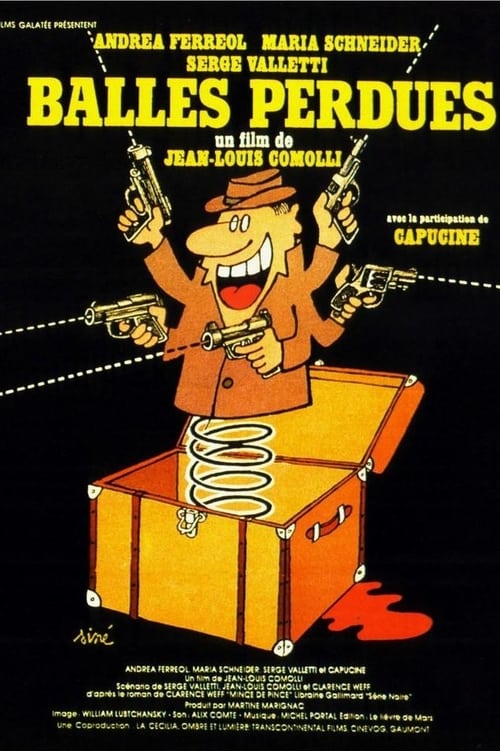
Stray Bullets
9.0

No description available.

Stray Bullets

1983
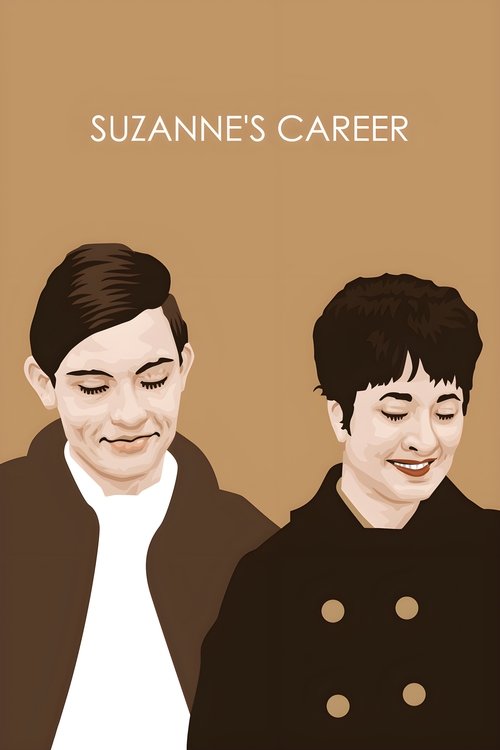
Suzanne’s Career
6.5

In the second of Rohmer's moral tales, he examines the relationship between two friends and a girl who at first appears easily exploited. It is a complex tale of feelings and misconceptions, acted out within the head of the main character, as part of Rohmer's attempt to more easily simulate the mindscape quality of literature within a film.

Suzanne’s Career

1963
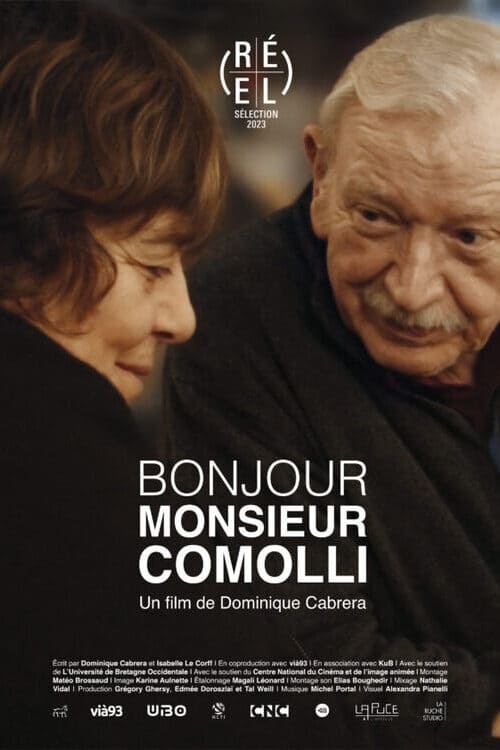
Hi Mister Comolli
6.5

A few months before he died, Jean-Louis Comolli meets up with Dominique Cabrera for some free conversations with Isabelle Le Corff. They talk about cinema, life, love, death and Chassagne-Montrachet wine. There is laughter and smiles. One is not really serious at the age of eighty.

Hi Mister Comolli

2023
Facing the Phantoms
N/A

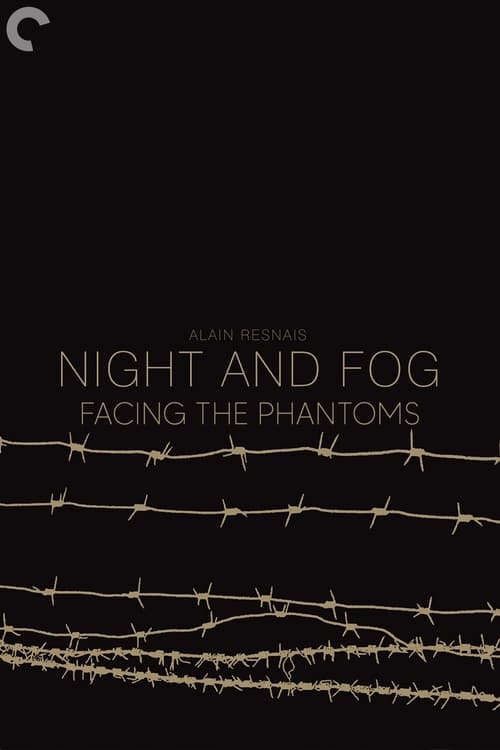
French film and WWII historian Sylvie Lindeperg analyzes Alain Resnais's seminal 1956 film, "Night and Fog", and attempts to place it in the context of the historical treatment of WWII, and specifically of the Holocaust, in the decade following those harrowing events. Oddly, she argues that the images of Resnais's famous film are "powerless", in her words.

Facing the Phantoms

2009
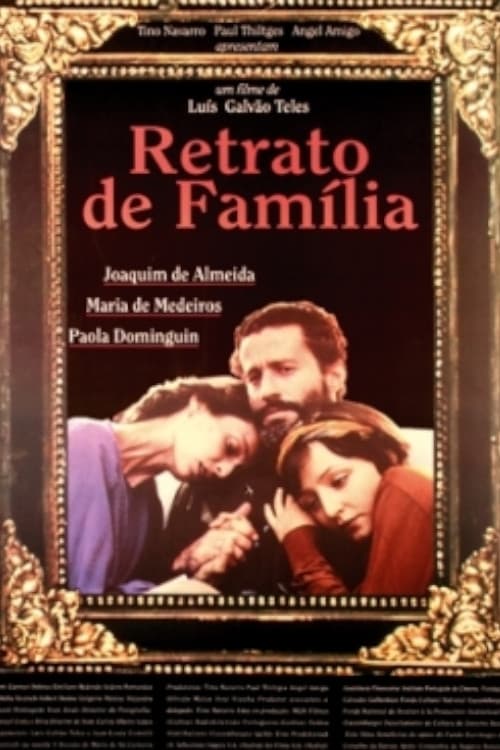
Retrato de Família
9.0

Ofelia is the daughter of photographer Miguel and of deceased circus artist Lea. When her father is hospitalised with a nervous breakdown, she decides to find out the reason and in doing so discovers the truth about the relationship between her parents and the true fate of her mother.

Retrato de Família

1991
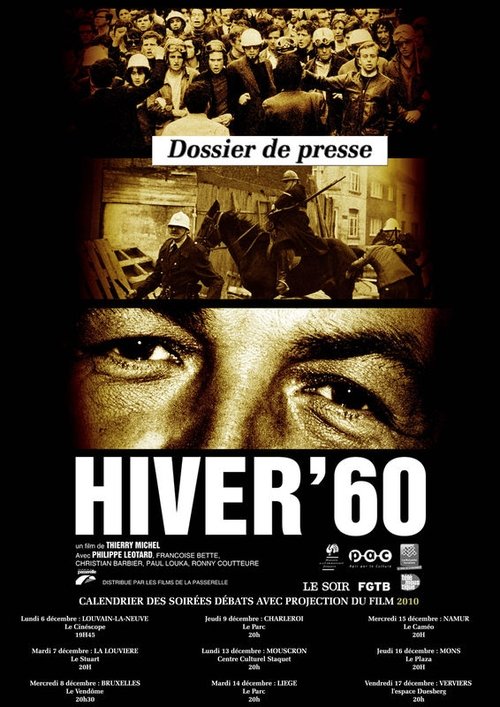
Hiver 60
7.0

In 1960, the announcement of social regression measures decided by the Belgian government triggered a wildcat strike by workers. Albert and Fred were at the forefront of a struggle that promised to be heated and risky. The great Walloon strike shook Belgium to its core. Violence, demonstrations, internationalists, red flags, Walloon flags. For five weeks, the country was paralyzed by a movement that often took on the air of an insurrection.

Hiver 60

1983
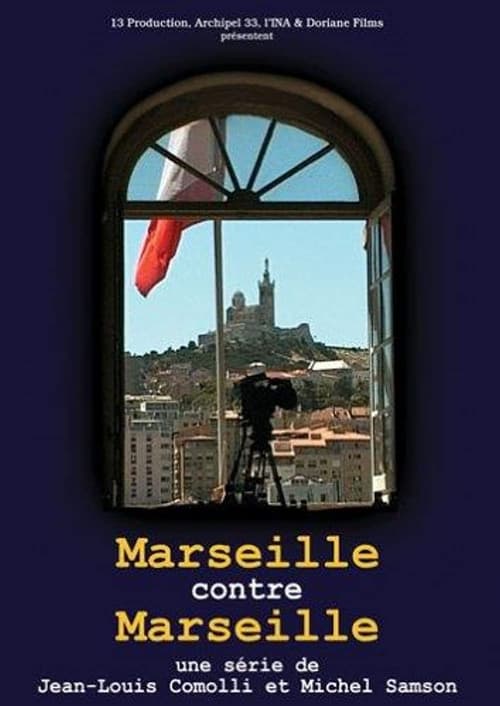
Marseille contre Marseille
8.5

A political fable. A tragicomedy set in Marseille during the municipal elections of June 1995. In populist northern districts, they rally around the "Nord Ambition" of Bernard Tapie. In pushing for Tapie to take town hall, they count on his support for the northern districts, but difficulties and disappointments follow. Tapie ends up backing the very enemies of his followers, so what happens then? Big fish eat small ones. This is the fourth installment of the Marseille political saga which began with, "Marseille from father to son" (1989).

Marseille contre Marseille

1996
No image
8.0

No description available.

Marseille de père en fils - Ombres sur la ville

1989
No image
N/A

Jean-Louis Comolli and Jean Narboni, former editors at Cahiers du Cinema, interview their former colleagues and fellow travellers during the "Red Years" of the journal between 1968 and1973.

À voir absolument: 1963-1973 Dix années aux Cahiers du Cinéma

2011
Nicolas Philibert, Hasard et Nécessité
8.0

This is a peaceful conversation between two filmmakers, Nicolas Philibert and Jean-Louis Comolli. A conversation, or the pleasure of spending time together. Nicolas Philibert describes with great precision his way of working and invites us to examine the ethical dimension of his process.

Nicolas Philibert, Hasard et Nécessité

2020
Jean Renoir : Partie de campagne
N/A

No description available.

Jean Renoir : Partie de campagne

1969
Buenaventura Durruti, anarquista
8.1

Filmed between February and March 1999 in La Cupula (Girona), the rehearsal place of the Spanish independent theater company Els Joglars, this documentary reveals the creative process of this company in its project to represent the life of the mythical anarchist leader Buenaventura Durruti, as well as the circumstances of his death.

Buenaventura Durruti, anarquista

2000
Music for the Movies: Georges Delerue
7.0

Documentary covering the career of French composer Georges Delerue, famous for film scores for such films as Platoon, Contempt, Shoot the Piano Player, and Jules and Jim.

Music for the Movies: Georges Delerue

1995
No image
N/A

Wanderings during the Cannes and Hyères 1966 festivals. Interviews with Louise de Vilmorin, Jean-Luc Godard, Robert Bresson, Jacques Rivette, Jean-Louis Comolli, François Truffaut. Lunch on the grass of the Cahiers du cinéma, young onlookers on mopeds, children from the surrounding villages, the film portrays an era, a cinephilia, a cinema still in balance between art and industry.

Festivals 66 Cinéma 67

1967