Acting
León Gieco, a leading figure in Argentine popular music, turns 70.
No description available.
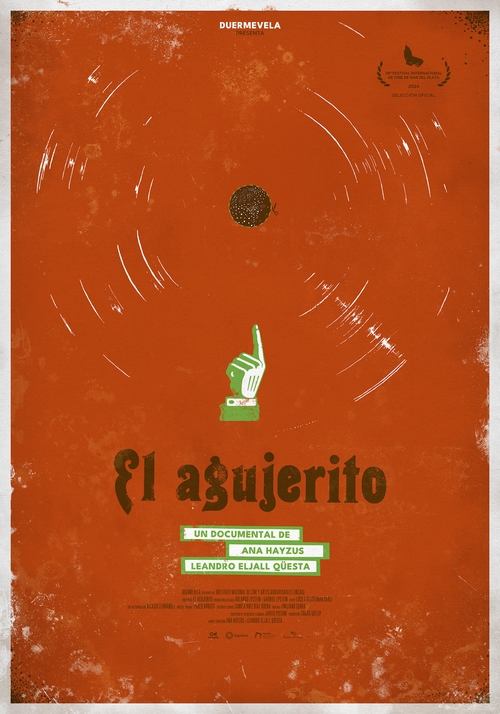
In 1969, the Epstein brothers founded a music house in the heart of downtown Buenos Aires. There they offered the best imported records and it soon became a sanctuary. Musicians like Claudio Gabis, Nito Mestre, Charly García, Andrés Calamaro, agree that it was the place of freedom and inspiration that they so needed. It was the time when the avant-garde of the Di Tella Institute was nourished by the incipient rock and art, causing an explosion in the middle of a society isolated and lethargic by the repressive state apparatus. El Agujerito tells the story of this iconic record store through archival material and testimonies.
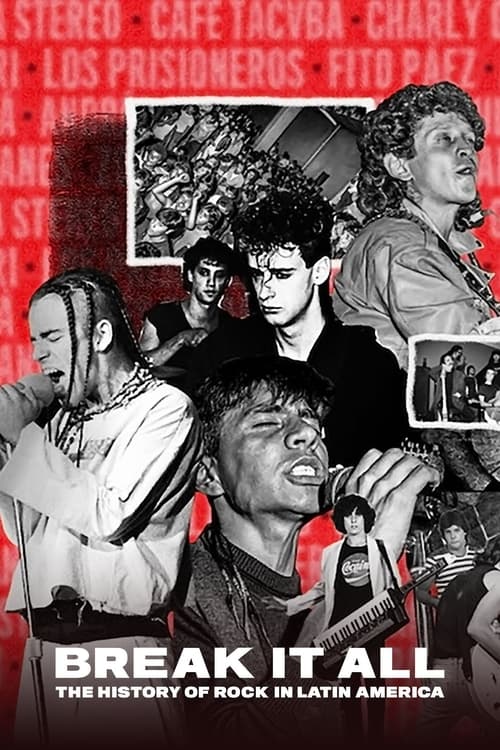
Soda Stereo, Café Tacvba, Aterciopelados and others figure in this 50-year history of Latin American rock through dictatorships, disasters and dissent.
Argentine audiovisual documentary based on a musical tour carried out between 2007 and 2008 by León Gieco along with a group of young artists with disabilities from different provinces of Argentina. The film combines music, singing, dance, and painting, along with the life stories of the protagonists.
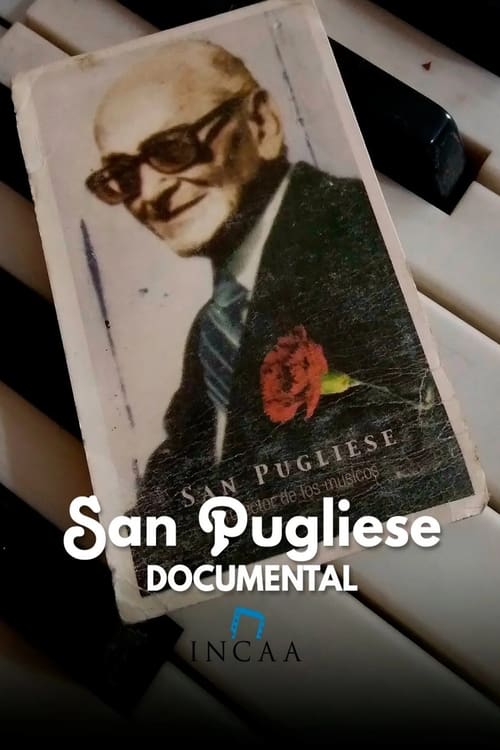
Osvaldo Pugliese transcended the world, created his own style in tango and became a saint against bad luck for musicians. In the film, his daughter, granddaughter, musicians and fans retrace his steps to unveil this mystery.
A wedding invite from an estranged sibiling inspires a grandmother to assemble her family and embark on a roadtrip in a broken down caravan.
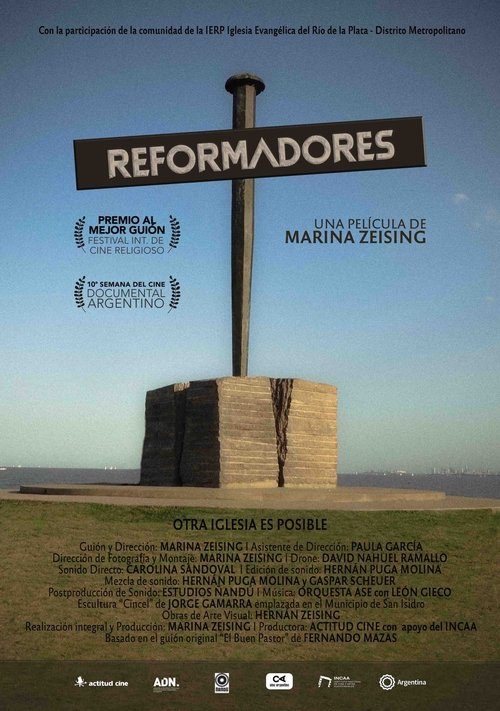
Documentary about the Protestant Lutheran community of the Evangelical Church of the Río de la Plata in the metropolitan region of Buenos Aires, which shows how Luther's reformist gene persists in a country monopolized by Catholicism.
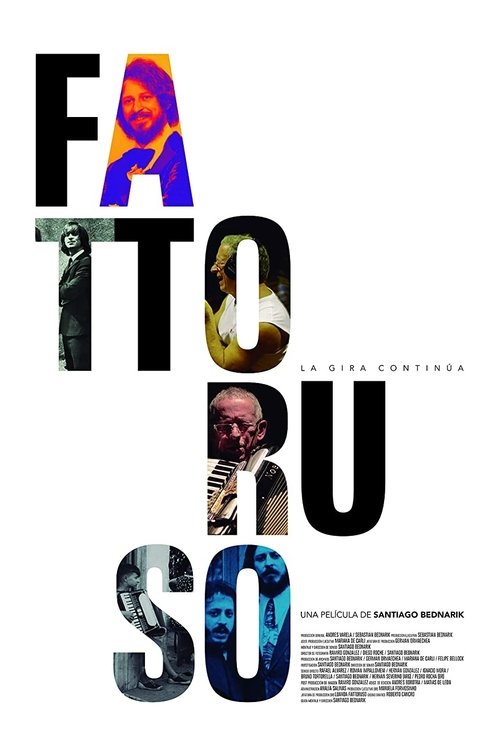
Documentary on the life of uruguayan legendary musician Hugo Fattoruso.
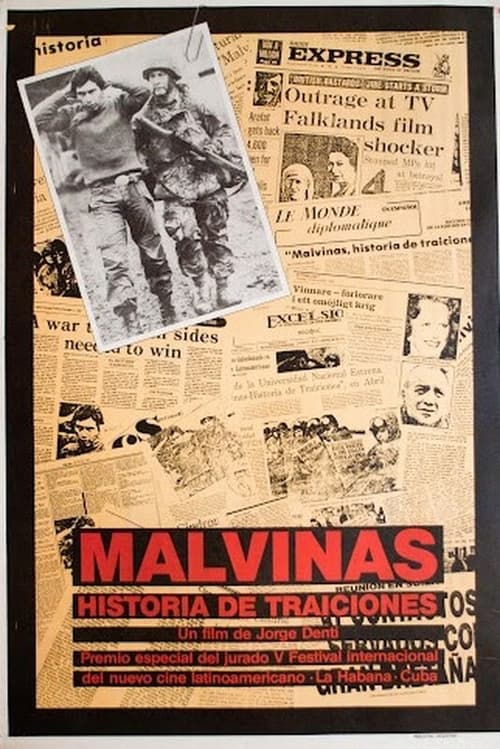
Malvinas, history of betrayals is an Argentine-Mexican co-production documentary film directed by Jorge Denti from a script by Irene Selzer and Alberto Adellach.
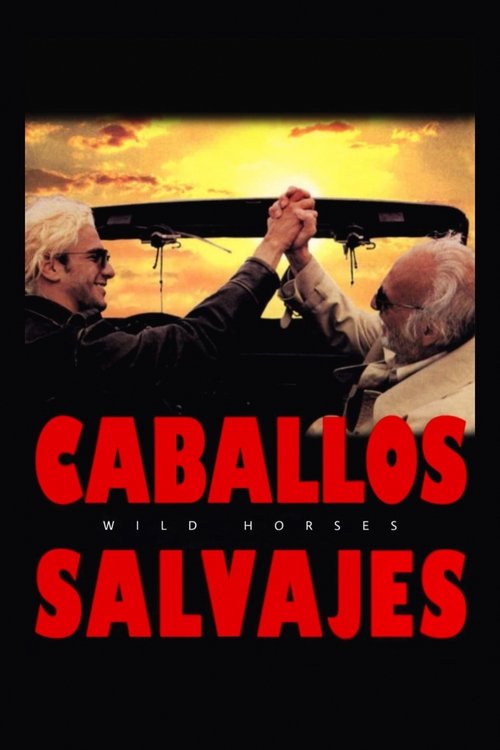
Jose is an elderly rebel who, after being refused a withdrawal at a bank, returns with a gun and threatens to shoot himself if he doesn't get his cash. Pedro, a young teller, is disillusioned with his life and sees Jose's stunt as a way out when he pretends to be taken hostage, leaving the bank with the old man and a hefty amount of money. The unlikely duo become friends, picking up tough-girl Ana along the way, while avoiding the police.
A look into Argentina's rock scene post-Cromañon's tragedy. It does not just present the most popular songs by soloists and bands featured in the film, but it goes backstage and shows the artists’ private world, how they write their music, where they live, how they became what they are and what their dreams are.
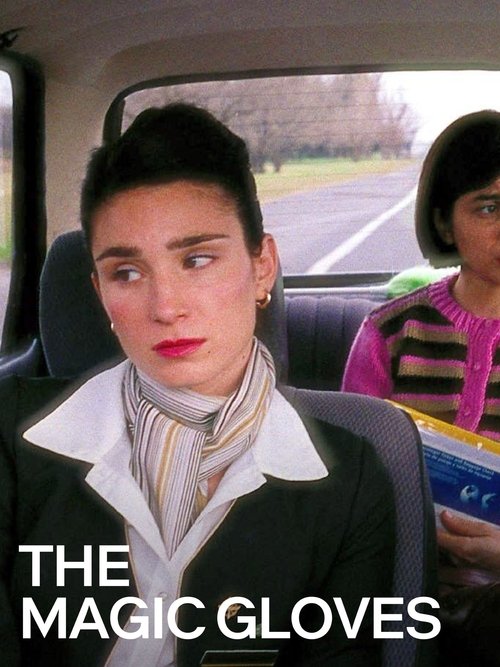
This film follows the crisscrossed fortunes of, among others, a rock musician, a flight attendant, a dog walker with an alarming penchant for over-the-counter medication, and a cab driver, who doesn’t really care about his life spiralling out of control, as long as he can sit in his old Renault 12.
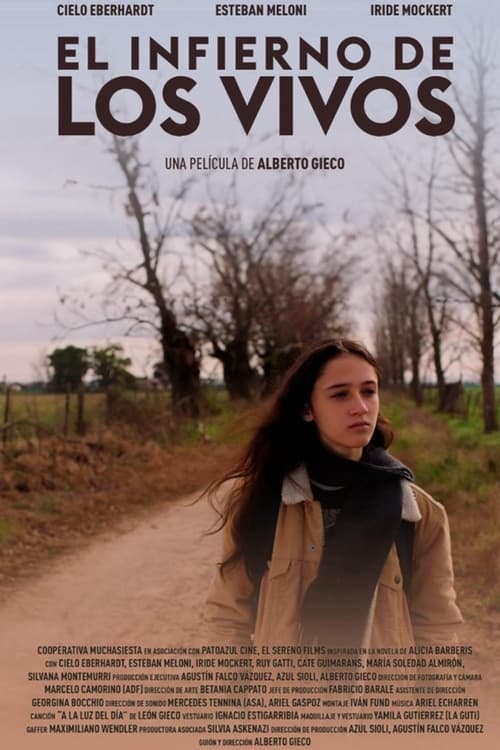
Mariana, 15, escapes the violence of her home in Santa Fe. She embarks on a search for her biological father and takes refuge in an orphanage where she finds affection from a distant relative. On his journey through the interior of the province, he discovers its inner strength.
A war veteran, haunted by the horrors of war and the experiences he shared with fellow soldiers drafted to the battlefront as an 18-year-old conscript, is forced to confront the memories of his past after a former comrade attempts suicide. 20 years after the war, he finally attempts to reconnect with his past to begin to heal his old wounds.
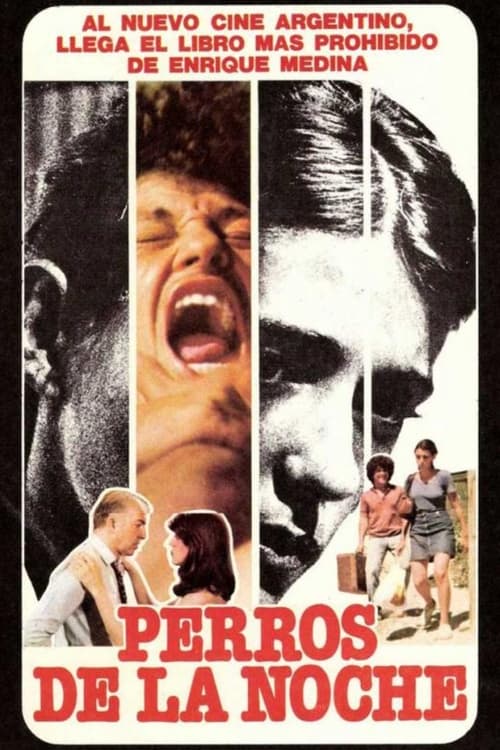
A young man forces his sister to work as a prostitute to earn enough money to survive.
Buenos Aires Rock is a film from Argentina filmed in Eastmancolor directed by Héctor Olivera on his own script written in collaboration with Daniel Ripoll that premiered on January 20, 1983 and had the participation of important interpreters of Argentine rock.