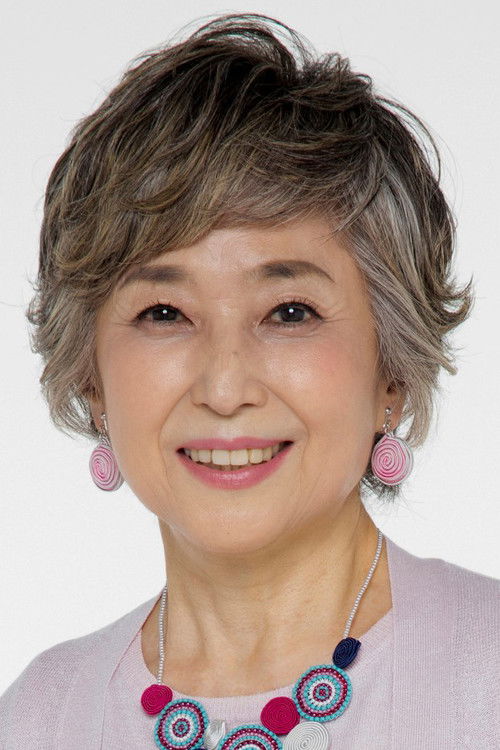
Keiko Takeshita
Acting
Biography
Keiko Takeshita (竹下景子 Takeshita Keiko; born on September 15, 1953, in Higashi-ku, Nagoya, Japan) is a Japanese actress. She starred in the Japanese version of From Up on Poppy Hill as Hana Matsuzaki. Description above from the Wikipedia article Keiko Takeshita, licensed under CC-BY-SA, full list of contributors on Wikipedia.

Known For

SMAP×SMAP was an ongoing weekly Japanese variety show on Kansai TV and Fuji TV starring the members of SMAP. The show began on April 15, 1996 and it aired from 22:00 to 22:54 every Monday. The show's usual ratings were higher than 20%, which is considered high since most variety shows range from 10-20%. Each episode begins a variety of skits, comedic performances, and/or games. These are followed by Bistro SMAP, in which the SMAP members compete against each other to impress celebrity judges with their gourmet cooking. Last is a musical performance by SMAP which may include celebrity guests, as well.
SMAP×SMAP

No description available.
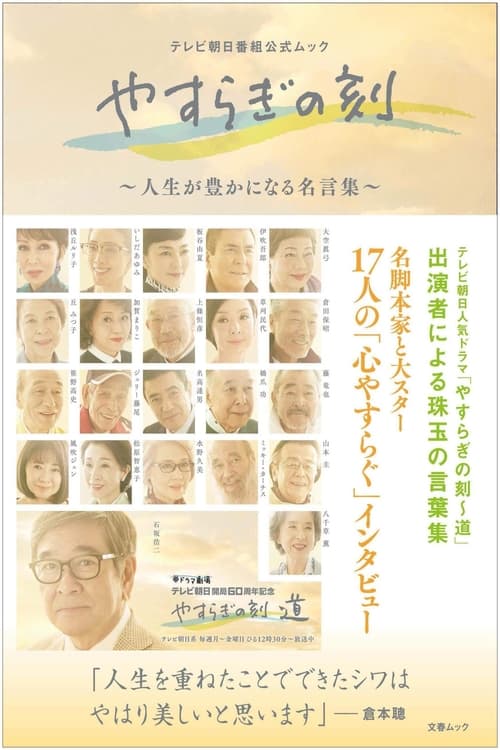
Yasuragi no Toki: Michi

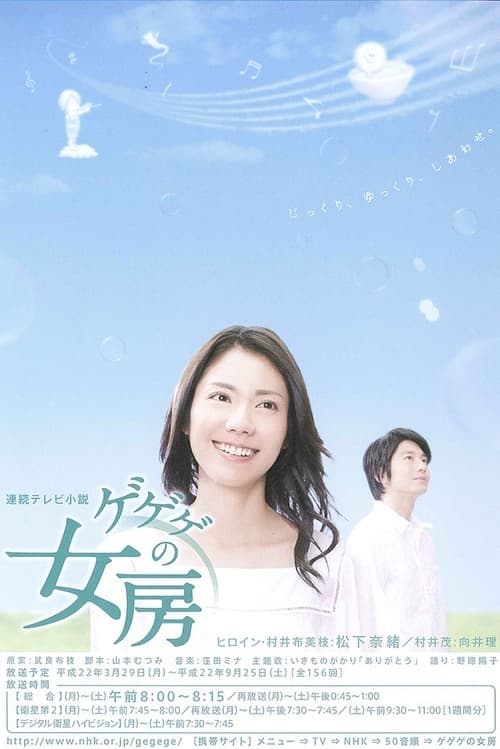
The 82nd NHK Asadora is Gegege no Nyobo. The story is based on a 2008 autobiography by Mura Nunoe, the wife of Gegege no Kitaro mangaka Mizuki Shigeru. The story revolves around the life of the married couple, told from the perspective of Mura. --Tokyograph
My Husband is a Cartoonist

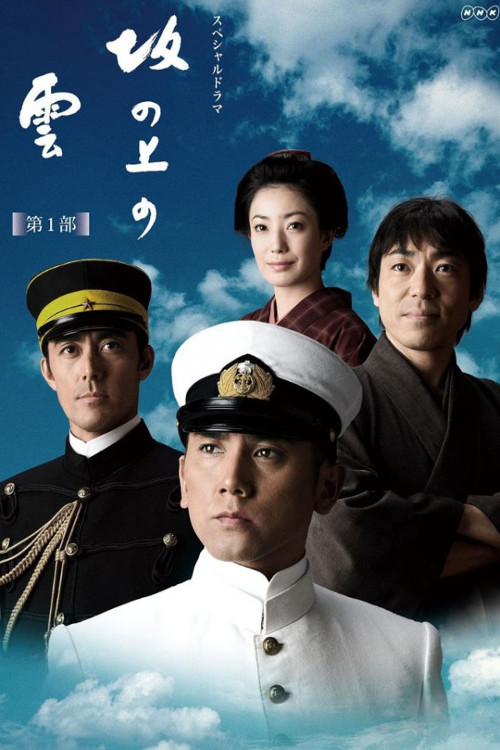
Saka no Ue no Kumo is an NHK 21st Century special drama which was aired over three years starting from November 29, 2009. The series runs 13 episodes at 90 minutes each. The first series, with 5 episodes, was broadcast in 2009, while series two and three, each with 4 episodes, were broadcast in late 2010 and 2011. While most episodes were shot in Japan, one of the episodes in series two was shot in Latvia. The TV series is based on the novel Saka no ue no kumo by Ryōtarō Shiba and adopted by Hisashi Nozawa. The theme song of the drama series is titled "Stand Alone". It was composed by Joe Hisaishi, written by Kundo Koyama and performed by British soprano singer Sarah Brightman.
Clouds Over the Hill

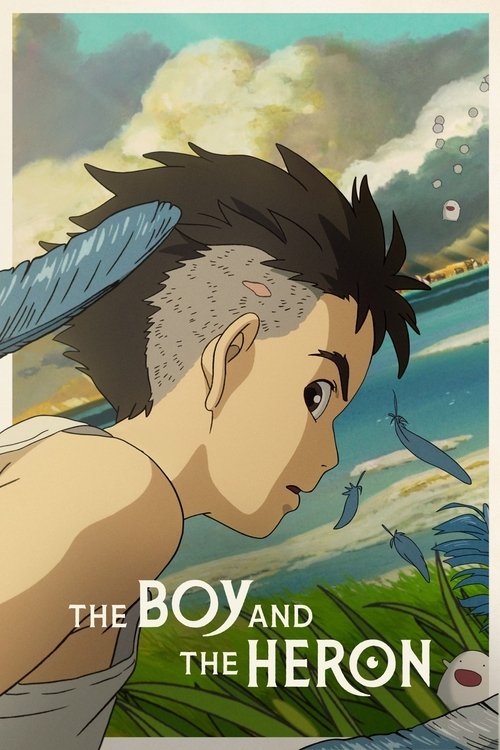
While the Second World War rages, the teenage Mahito, haunted by his mother's tragic death, is relocated from Tokyo to the serene rural home of his new stepmother Natsuko, a woman who bears a striking resemblance to the boy's mother. As he tries to adjust, this strange new world grows even stranger following the appearance of a persistent gray heron, who perplexes and bedevils Mahito, dubbing him the "long-awaited one."
The Boy and the Heron

The 74th NHK Asadora Drama is Junjo Kirari, which means something along the lines of "pure-hearted Kirari." The story is set in Okazaki City, Aichi Prefecture in the era around the Second World War. When the story opens in 1928, the heroine, Sakurako, is a very active seven-year-old girl. Indeed, even in the first episode she exhibits her confidence and enthusiasm. But above all else, Sakurako is interested in becoming a jazz pianist, and music features extensively in the plot.
Junjo Kirari

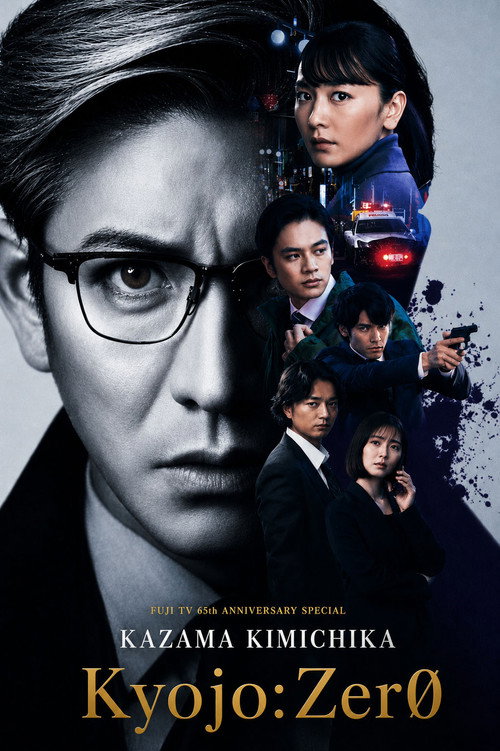
The mystery of how Kazama Kimichika became so ruthless and unmatched will be revealed. Kyojo Zero depicts the time before he was assigned to the police academy, when he was working as an instructor in charge of training new detectives...
Kazama Kimichika: Kyojo Zero

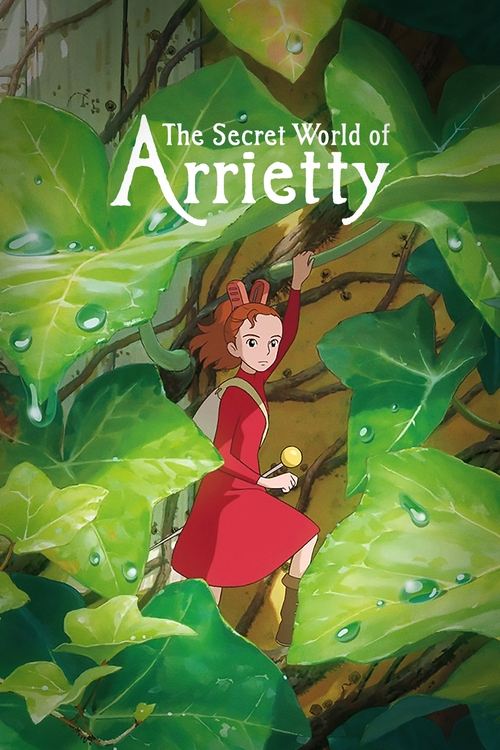
14-year-old Arrietty and the rest of the Clock family live in peaceful anonymity as they make their own home from items "borrowed" from the house's human inhabitants. However, life changes for the Clocks when a human boy discovers Arrietty.
The Secret World of Arrietty

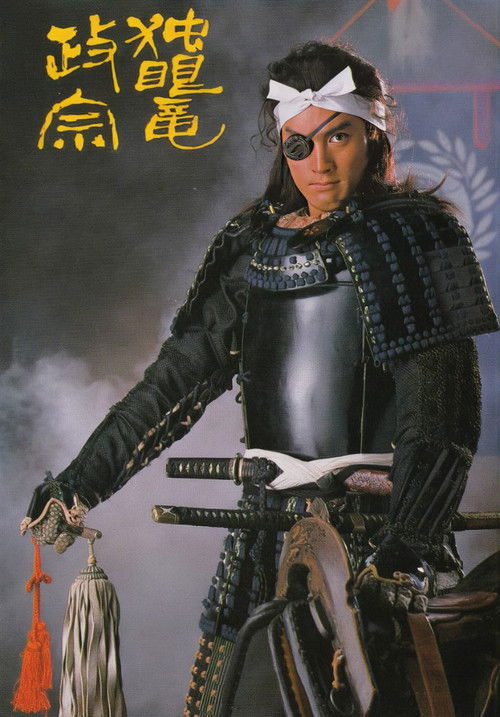
Broadcast TV drama NHK broadcast on January 4 to December 13, 1987 (Showa 62). In the questionnaire survey conducted by NHK, it is shining in the most favorite river drama. The original is Yamaka Sosaichi's novel "Date Masamune", the biggest drama on the theme of the Date house was the first time in 17 years since the "Shinnogi remained" (1970), which painted Datejo in the Edo period. It depicts the life of Matsudo Date of Sengoku warrior · Date Masamune who built the foundation of Sendai clan 620,000 stones in his generation as a result of my own wisdom and talent.
Masamune Shogun

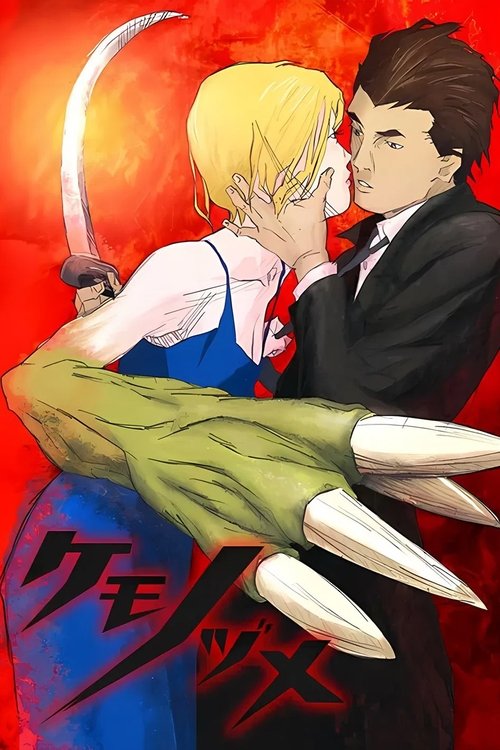
Creatures known as Shokujinki have been secretly living alongside humans for hundreds of years. Though they may look like humans, Shokujinki are able to transform into uncontrollable beasts with gigantic claws and consume humans to survive. The equally secretive Kifuuken dojo specializes in killing Shokujinki by cutting off their arms, and is the only force preventing unchecked Shokujinki domination. Toshihiko Momota, the son of the leader of the Kifuuken, is instantly charmed by a mysterious woman named Yuka Kamitsuki. Their relationship is complicated, however, because unbeknownst to them both, Yuka is a Shokujinki and Toshihiko is sworn to kill her. Meanwhile, the Kifuuken is having a crisis of confidence as Toshihiko's brother Kazuma pushes against tradition and tries to modernize the Kifuuken. As emotions are strained and the secrets of both the past and present are revealed, who will live, and who will be eaten?
Kemonozume

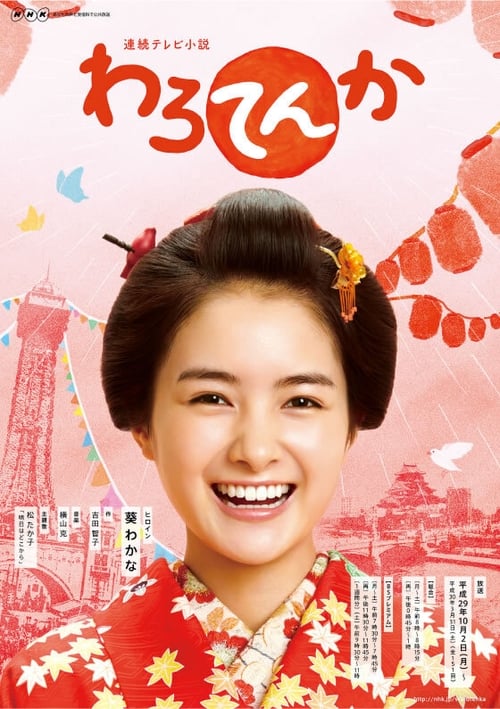
The 97th NHK asadora is about Ten who becomes the first female comedian.
Warotenka

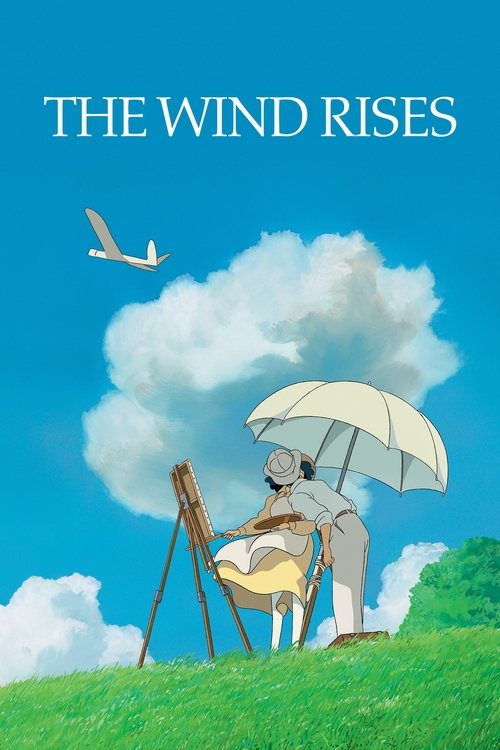
A lifelong love of flight inspires Japanese aviation engineer Jiro Horikoshi, whose storied career includes the creation of the A-6M World War II fighter plane.
The Wind Rises

Born in September of 1995, Momone Nagaura lived with her parents, grandfather, and sister in Kesennuma City, Miyagi Prefecture. After failing her college entrance exams, she went to live in Tome City with an acquaintance of her grandfather's. Momone's life changes when she meets a popular weather forecaster from Tokyo, who teaches her how weather forecasts can predict the future. She decides to study to become a weather forecaster.
Welcome Home, Mone

He was the pride of his police department as the number one armed robbery buster... until he had his heart broken by the sudden flight of a fiancee from his life. Now "Detective Lovesick" finds his crime-fighting mojo and his chance at rising through the police hierarchy slipping away. Spending his days in a desperate search for the love of his life, Detective Lovesick is a man in love with himself and idolizes his drinking buddy, who is a romance psychologist. He loses himself to love easily, even at work, falling for every femme fatale he investigates and after a lot of hair pulling, ending each case with a marriage proposal. "Marry me or be under arrest." But will any woman accept such a proposal? Suspense, comedy and romance all converge in a libido-rich police drama unlike any you've ever seen.
Detective Lovesick

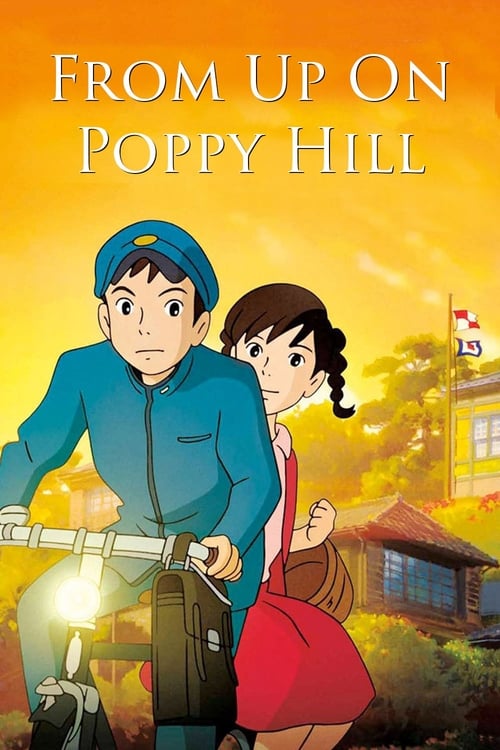
Yokohama, 1963. Japan is picking itself up from the devastation of World War II and preparing to host the 1964 Olympics—and the mood is one of both optimism and conflict as the young generation struggles to throw off the shackles of a troubled past. Against this backdrop of hope and change, a friendship begins to blossom between high school students Umi and Shun—but a buried secret from their past emerges to cast a shadow on the future and pull them apart.
From Up on Poppy Hill

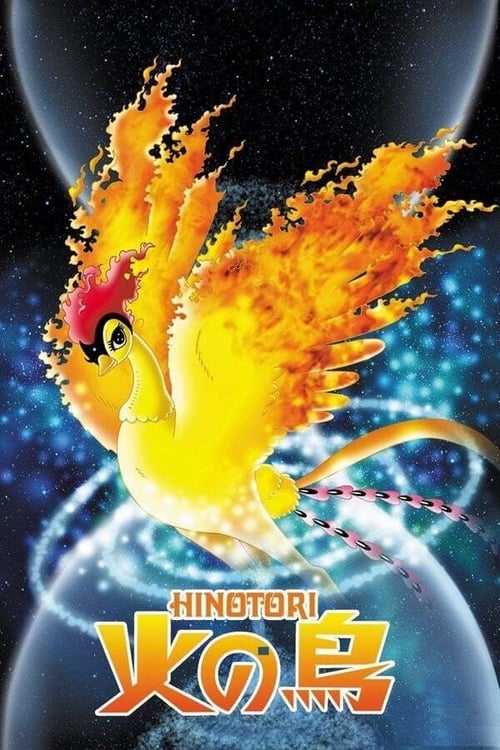
Throughout time, mankind has chased after the dream of immortality. The Phoenix, in the form of a bird of fire, is said to hold the key to eternal life. Great wars are fought in a vain attempt to possess it and, as a result, civilizations rise and fall. Phoenix is a collection of five stories from the past, present and future. Many will perish because of their desires, and they are the lucky ones. True pain comes for those who find immortality and experience the burden of living forever.
Phoenix

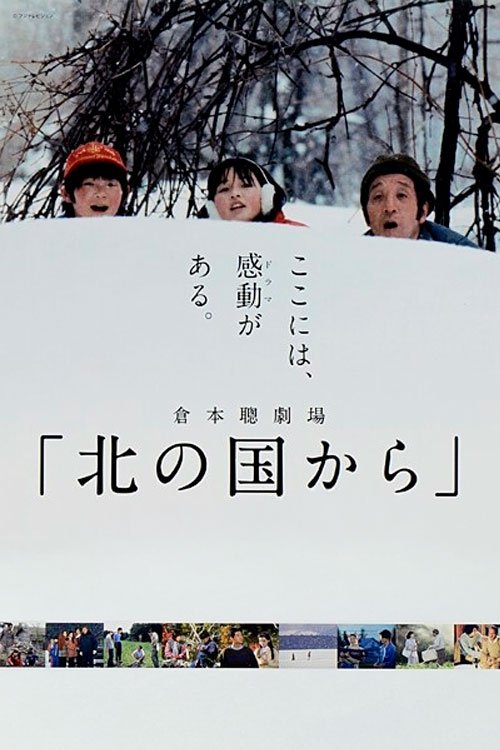
Narrated by the son, Jun, the tale follows the lives of two children torn between their parents and their parents' divorce. Jun, and his sister Hotaru, grow and mature - willingly and sometimes forcibly - in the harsh climates of Hokkaido, learning the ways of life through their interaction with the folk of Furano.
Kita no kuni kara

The drama about the youngest of four sisters, all raised solely by their father, who wants to write children's books.
Piano

The 36th NHK Taiga Drama is Mori Motonari. This series chronicles the life of Mori Motonari, a warlord of the early 1500s who stood at the vanguard of the Warring States era. All Japanese school textbooks contain the Mitsuya no kyokun, Mori's famous lesson to his three sons that teaches that while one arrow is easily broken, three arrows together cannot be broken. In 1997, 500 years after his birth, NHK dramatizes Motonari's rise from a chief of the region of Aki (now Hiroshima) to a daimyo who rules over ten provinces of the Chugoku region. Motonari was 64 years old and already the patriarch of a powerful dynasty about the time Oda Nobunaga and Takeda Shingen appeared on the scene. And even after his death, the Mori family figured prominently in Japanese history. His grandson Terumoto became a loyal Toyotomi vassal. Defeated at the Battle of Sekigahara, Ieyasu confiscated most of his lands, leaving him only with Suwo and Nagato, later known as Choshu. But 260 years later, the Mori got their ultimate revenge, leading the imperial forces against the Tokugawa in the Meiji Restoration.
Mouri Motonari

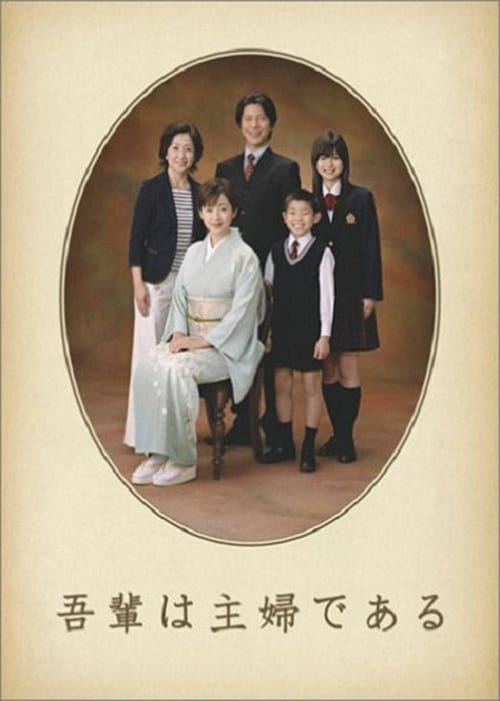
A story of Midori, a housewife, whose body is taken over by Natsume Soseki. The potrait Natsume Soseki, Japan's foremost writer during Meiji period is printed on Japan's old 1000 yen note.