Helvio Soto
Directing
Biography
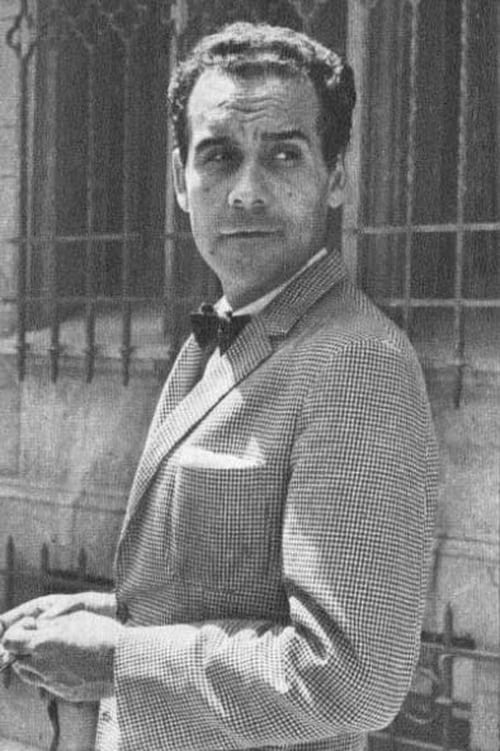
Helvio Soto Soto was born in Santiago on February 21, 1930. He was a Chilean filmmaker, considered one of the most important filmmakers of the mid-1960s and 1970s. He went to law school, a career he never practiced. At a very young age, and hearing the call of communications, he emigrated from Chile, achieving some positions as assistant in films shot in Argentina and working in radio in Ecuador. He wrote some books such as Semana a semana, which had regular critical success. By the time it returns to Chile, the cinema begins to present a boom never seen before: the entry of 16 mm cameras plus the socio-political conceptions give a renovating air to the cinema made not only in this part, but also in Latin America. His first film, influenced by neo-realism and its social conception, was entitled Yo tenía un camarada (I had a comrade) and was made thanks to the support of Experimental Cinema of the Universidad de Chile in 1964. In those years, Experimental Cinema brought together young directors who, in an avant-garde and carefree attitude, began to film reality as it had never appeared on a screen before. Pedro Chaskel in editing, Héctor Ríos in photography and Gustavo Becerra in music would end up being the backbone of a group of key filmmakers of the period, and from where the first films of Raúl Ruiz, Miguel Littín, Álvaro Ramírez, Carlos Flores del Pino, Leonardo Céspedes and a wide range of documentary filmmakers would go down in history as the forgers of the New Chilean Cinema. After his first short films, he shoots what would become his most remembered and controversial film, Caliche Sangriento. Censored by the government of Eduardo Frei Montalva due to the pressure of the military, it could see the light after an agreement that compromised the elimination of some posters that hurt the suceptibility of those years. The film was widely distributed for this reason, but once it was shown, little and nothing was said in the press. Assumed Salvador Allende in 1970, Helvio Soto is called to take charge of administrative tasks in the National Television of Chile, where he exercised parallel to his work as director of some television series. It was not until 1971 that he was able to make his next feature film Voto + fusil, a critical look at Chile's history that was received irregularly. Later, he filmed a feature film that mixed fiction and documentary and that would never be shown in Chile since a coup d'état abruptly cut off the democratic processes developed until then. His first "European" film is perhaps the greatest success of his career. Llueve sobre Santiago portrays the days of the coup d'état, torture, kidnappings and disappearances. It was acclaimed in Europe, Asia and North America, but banned by the military regime. Helvio Soto suffers exile in distant lands and does not return to Chile until the 1990s, where he devotes all his energies to training new generations of filmmakers.
Known For

Underappreciated actor Jack Noah is on location in Parador at the time the dictator dies. The dictator's right-hand man makes Jack an offer he cannot refuse... to play the dictator. Jack's acting skills fool the masses but not close friends and employees of the dictator.
Moon Over Parador

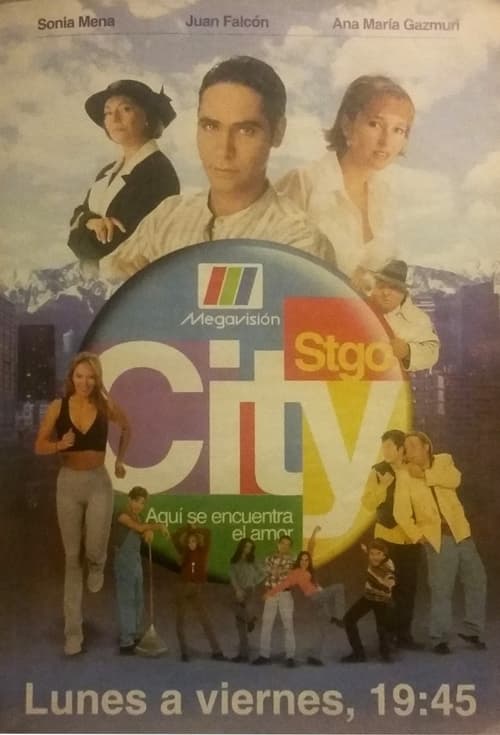
Gloria is a young woman looking for success in the big city. It's there where she meets Andrés who seeks similar dreams as her. Both will face series of difficulties in the concrete jungle.
Santiago City

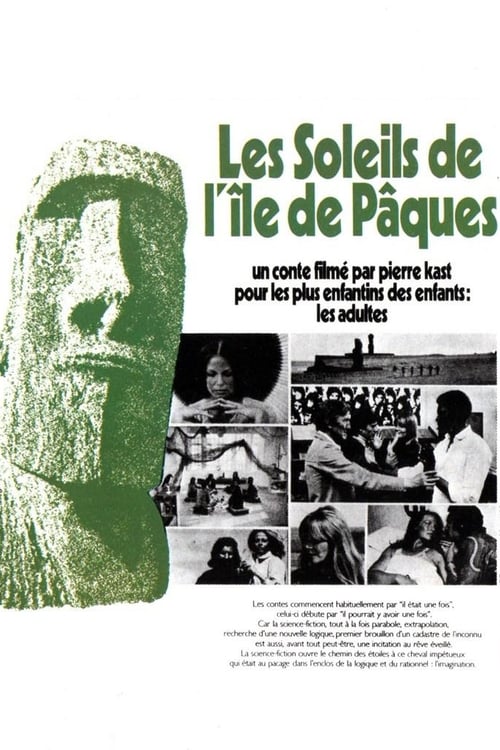
Six people find a mysterious mark in the center of their left hand and all independently go to Easter Island in hopes to uncover the mystery.
The Suns of Easter Island

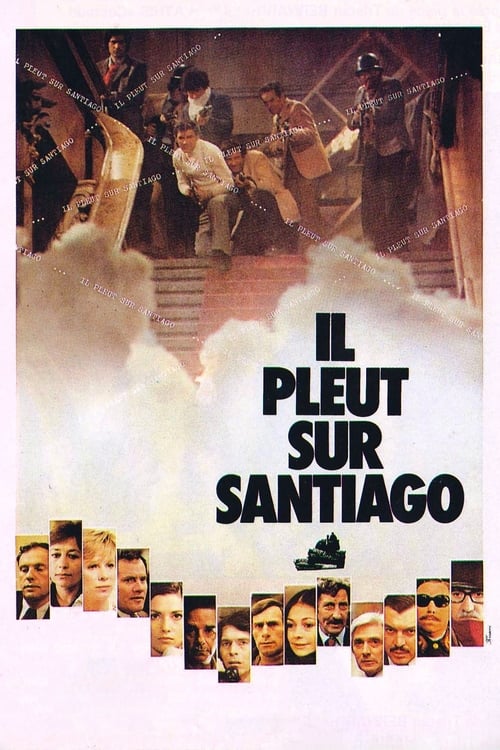
A semi-fictional account on the fatidic September 11, 1973, when the military commanded by General Pinochet took over the power from socialist president Salvador Allende, initiating a dictatorship that lasted until 1988 causing the deaths and disappearances of many people.
Rain over Santiago

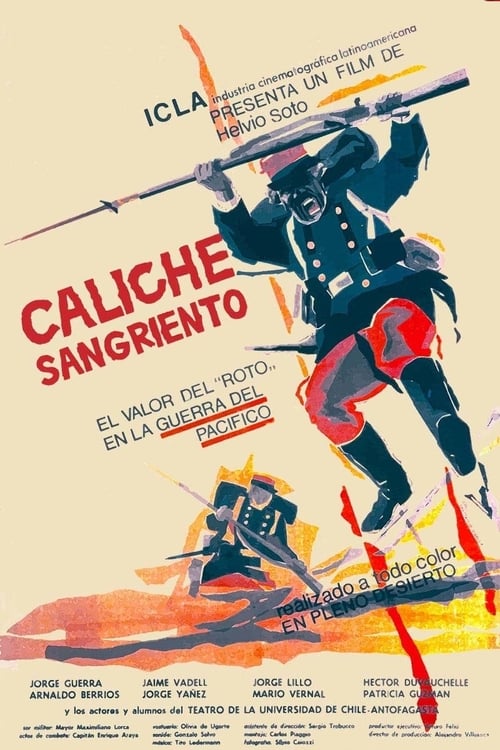
Chilean soldiers try to survive in the desert after they are attacked by Peruvian troops. The 17 survivors are held together by the Captain. The Lieutenant is a civilian attorney who clashes with the Captain as he pursues the valuable rights to nitrate deposits in the area. When the fighting was over, 25,000 soldiers from Chile, Peru and Bolivia had perished while trying to secure the coveted mineral rights for foreign companies.
Bloody Nitrate

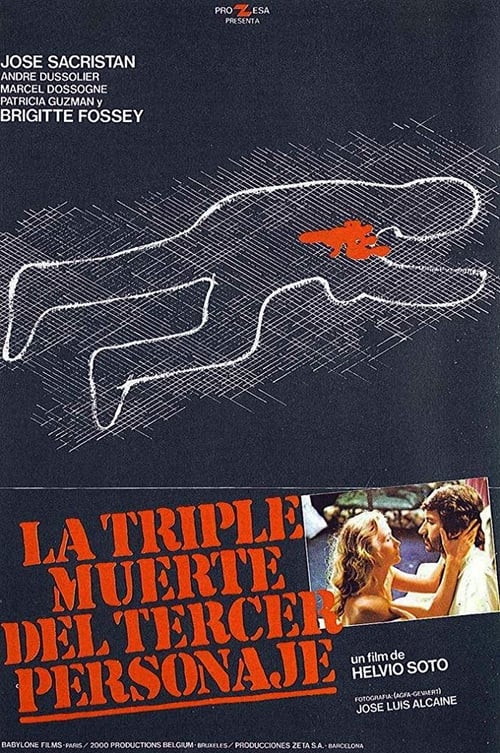
After spending a long time in prison, a man is pursued by international agents who want to kill him. Without knowing exactly what is going on, the protagonist realizes that they want to kill him because the book he wrote about his time in prison contains secret codes that should not have been revealed. He, who did it by chance, realizes that he is in grave danger. One by one, the characters in the novel are eliminated so that the mysterious secret remains hidden forever.
The Triple Death of the Third Character

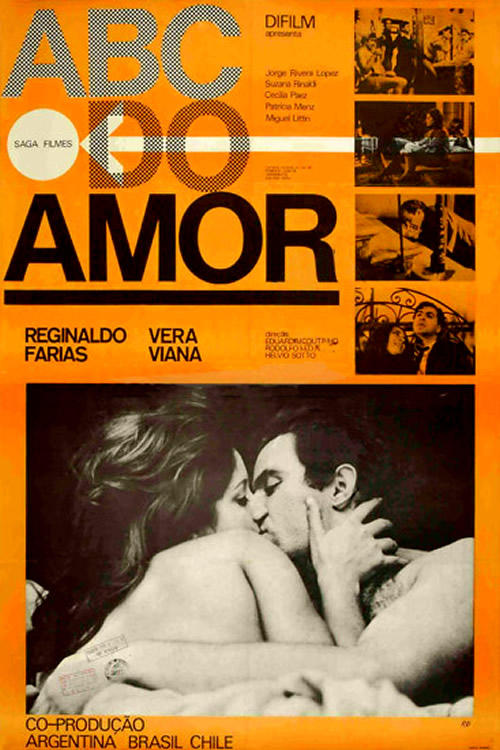
Film that includes three short films by different authors about love: "O pacto" by Eduardo Coutinho, "Terrible Night" by Rodolfo Kuhn, and "Magic World" by Helvio Soto.
The ABC of Love
A peasant without money or work, sells his soul to "El Garrudo" in order to get wealth and marry the young and beautiful Petita. Years later, Juan Maula and "El Garrudo" debate in a duel of "payas" (a singing and composing competition) , where the peasant's soul and his freedom will be the prize.
Juan Maula y el Garrudo
In this film the director's recurring concerns return: the divisions in the Chilean left, and its contradictions between what the director calls the "traditional" and the "revolutionary" left. The problem is exposed through the doubts and obsessions of a strange police chief who cannot establish the limits between critical behavior and militant responsibility.
Metamorphosis of the Chief of the Political Police
Two guerrillas (Miguel Littin and Jorge Guerra) wander lost in the desert until one of them dies. A jeep appears in the distance to rescue the survivor, but unable to read the signs of comradeship pointed out to him by the drivers of the vehicle, he shoots them.
El Analfabeto

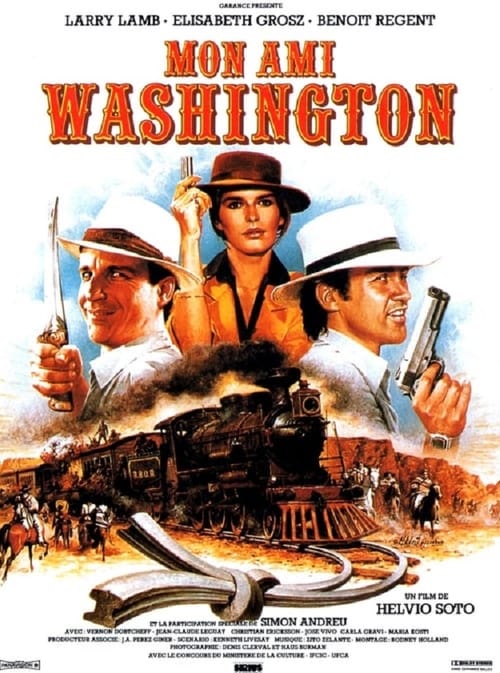
The adventures of two gun merchants competing in the same market.
Mon Ami Washington
A boy goes to his friend's funeral procession. When he realizes that his grave does not have flowers like the others, and that he does not have money to buy them, he goes out looking for some in the streets of Santiago.
Yo tenía un camarada

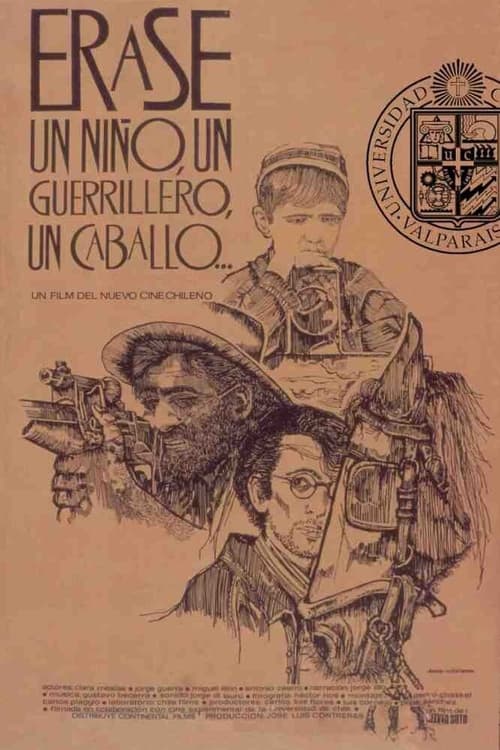
Feature film that wraps, through Jorge Lillo's text, three short films by Helvio Soto
Érase un niño, un guerrillero, un caballo…

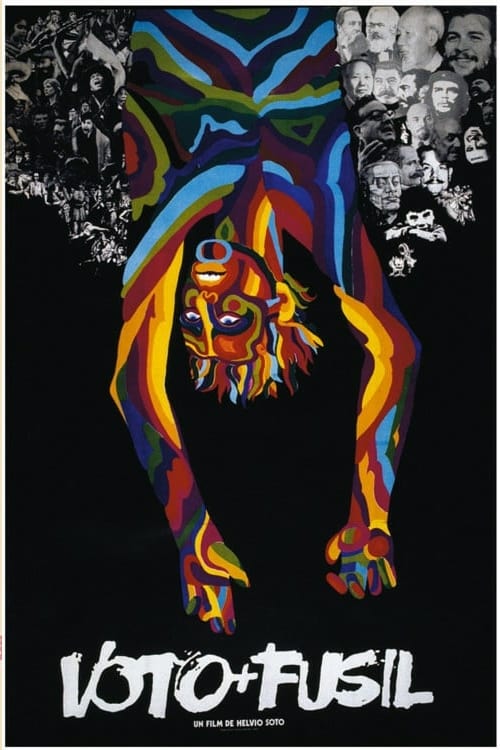
The political evolution in Chile seeing from three different times: 1937, 1947 and 1970. A film that shows how a revolution cannot be accomplished by electoral means, and how the wealthy class will always attempt to destroy that revolution, with the help of the armed forces, as soon as their privileges are threatened.
Voto + Fusil
Sequences that illustrate moments in a woman's life, in parallel to the political events happening in South America during the 60's.
Ana
The Death of a Horse tells the last days of a horse that pulls a cart, which when it dies is sent to the zoo as meat for the lions. It was later included as part of the feature film Once Upon a Boy, a Guerrilla and a Horse, from 1967.
La Muerte de un Caballo

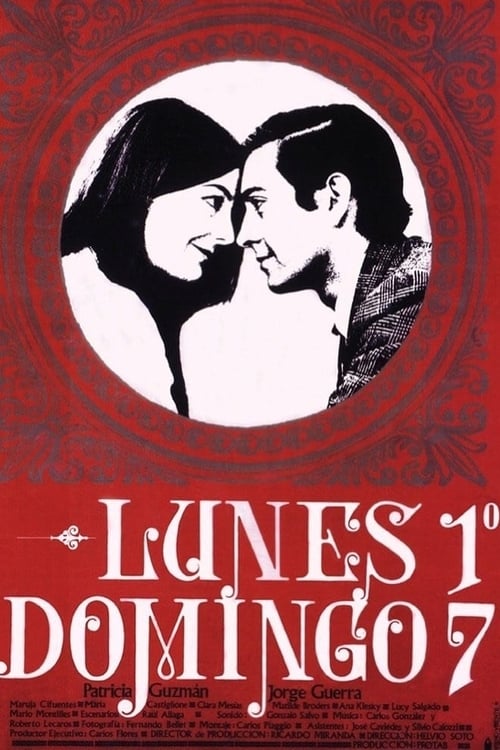
Starts a love story between an art student and a medical student, narrated from Monday to Sunday.