Acting
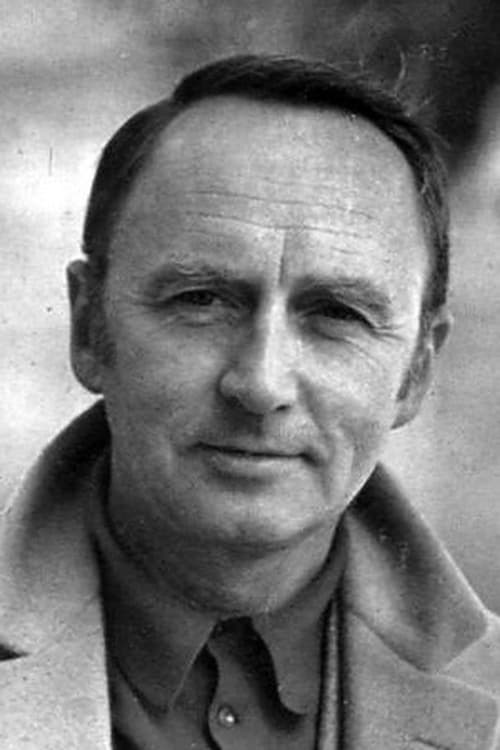
Jiří Adamíra was a Czech film and television actor.
No description available.
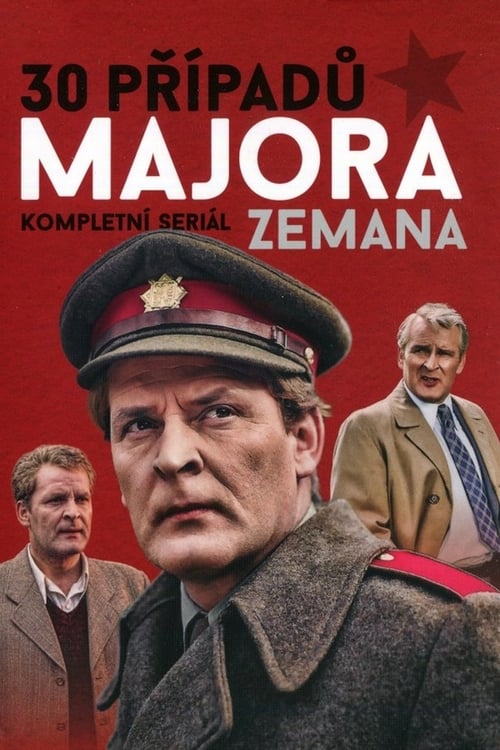
Thirty Cases of Major Zeman is a Czechoslovak action-drama television show intended as a political propaganda to support the official attitude of the communist party. The series were filmed in the 1970s. Each episode encompasses one year, and investigations are stylized to that year. Most are inspired by real cases. The series follows the life of police investigator Jan Zeman during his career from 1945 to 1975.
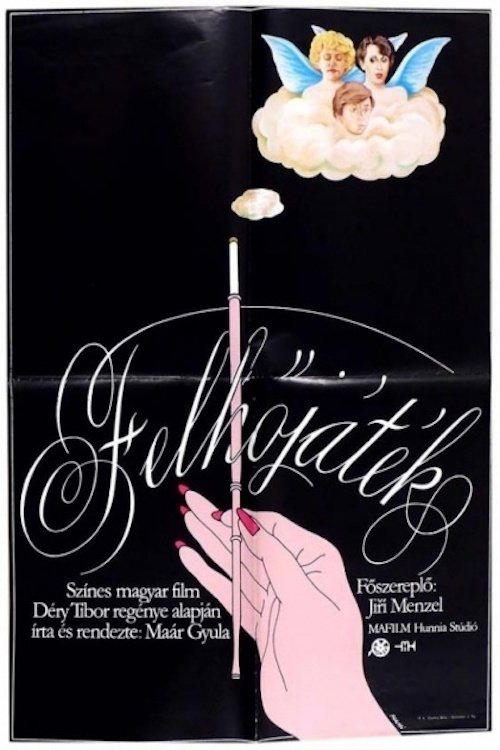
The main character of the story which takes place in the twenties in Budapest is the poet Dr. Rácz György, who returns after ten years of absence. In a café he meets his former friend Lajos, who has just broken up with his lover, Márta, because of the wife of professor Büchler. The transiently formed, rootless Rácz gets entangled into the sophisticated, complicated love affairs of bored or tired ladies.
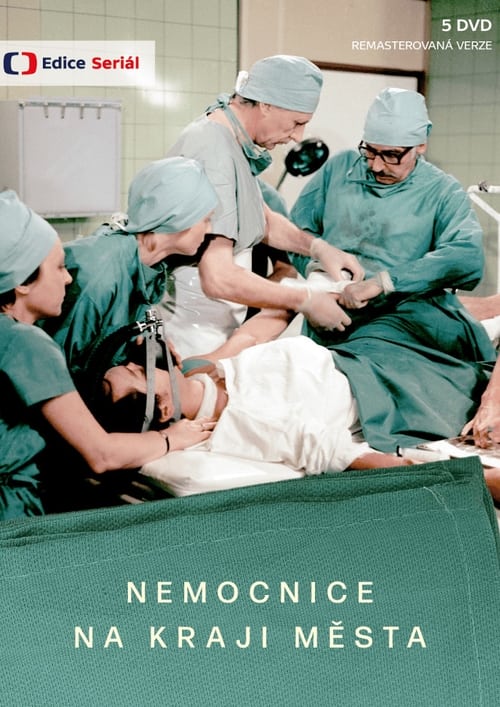
Hospital at the End of the City is a popular television series first released in Czechoslovakia in 1977, it featured an ensemble cast and received much viewer praise in central Europe. The series ran from 1977 to 1981 for a total of twenty episodes. The success of the series inspired the German television series The Black Forest Clinic.
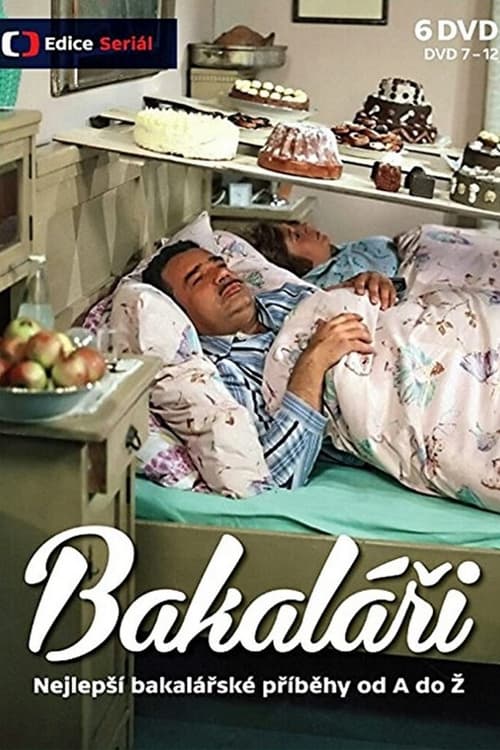
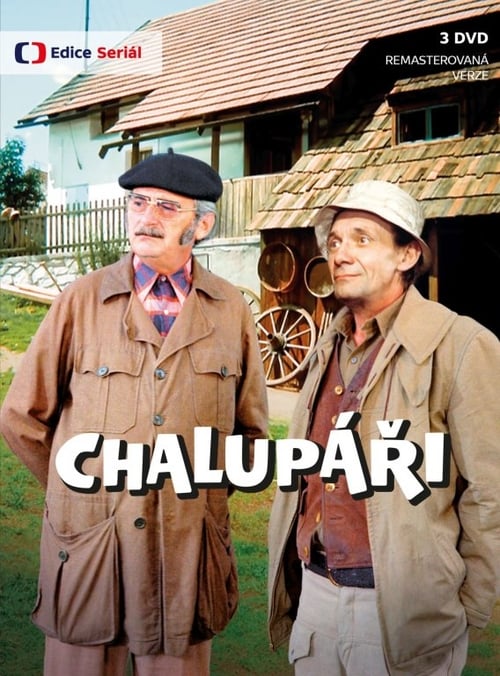
Chalupáři is a Czechoslovak comedy TV series filmed in 1974 and 1975 by František Filip.
Michal's father and his friends are stigmatized by their war experience and the post-war social deformations in which they took part either directly, or watched them cowardly and in silence. They are trying to repress their feelings of guilt and justify their behavior to the young generation with memories of their heroic war feats. Michal, however, does not want to have anything to do with their problems. He subconsciously perceives the unpleasant atmosphere in the family as well as his father's hypocrisy. After one of many quarrels with his father, he runs away from home, determined to go his own way.
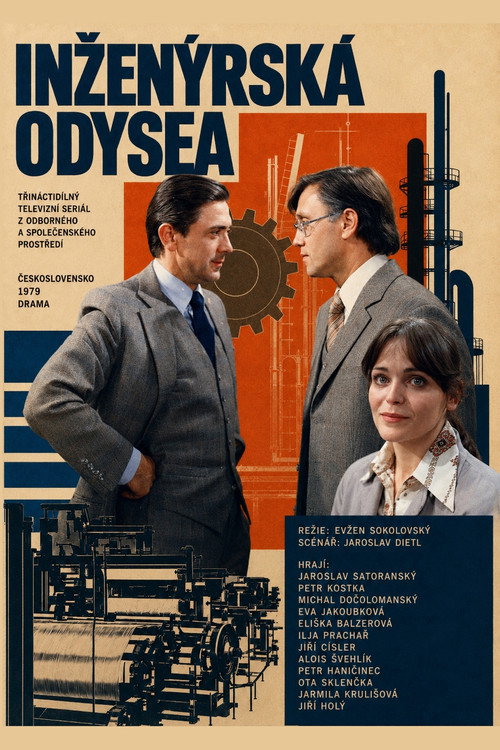
Inženýrská odysea is a Czechoslovak/Czech TV series about three young students and their lives.
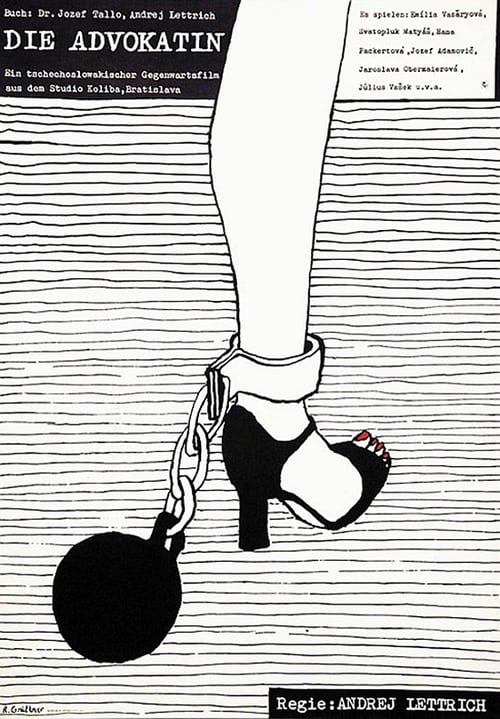
The story of a young lawyer who finds herself in a difficult situation when she encounters troubles in her burgeoning career and complications in private her life.
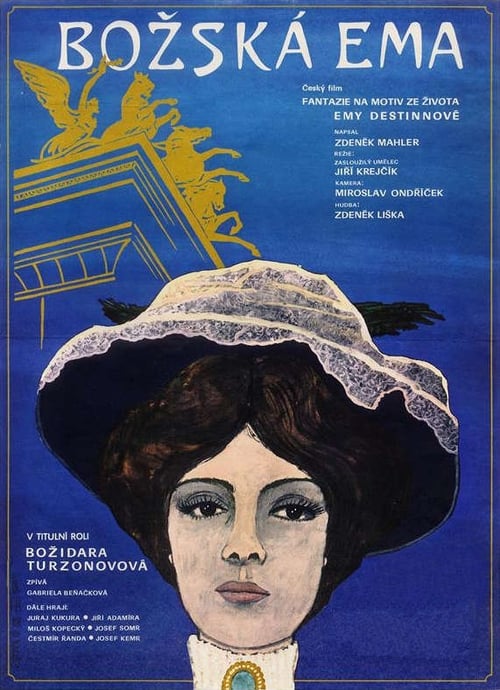
The opera lady singer Ema Destinnová is in all her splendor at the American stages. But in Europe there rages war and she decides to return home to Bohemia.
A man's story parallels Hitler's rise. Austrian Klaus Schneider, wounded in World War I, recovers in the care of Dr. Emil Bettleheim. Bettleheim discovers that Schneider possesses powers of empathy and of clairvoyance, such that could aid suicidal patients. After the war, with one friend as his manager and another as his lover, Schneider changes his name to Eric Jan Hanussen and goes to Berlin, as a hypnotist and clairvoyant performing in halls and theaters. He always speaks the truth, which brings him to the attention of powerful Nazis. He predicts their rise (good propaganda for them) and their violence (not so good). He's in pain and at risk. What is Hanussen's future?