Writing
No description available.
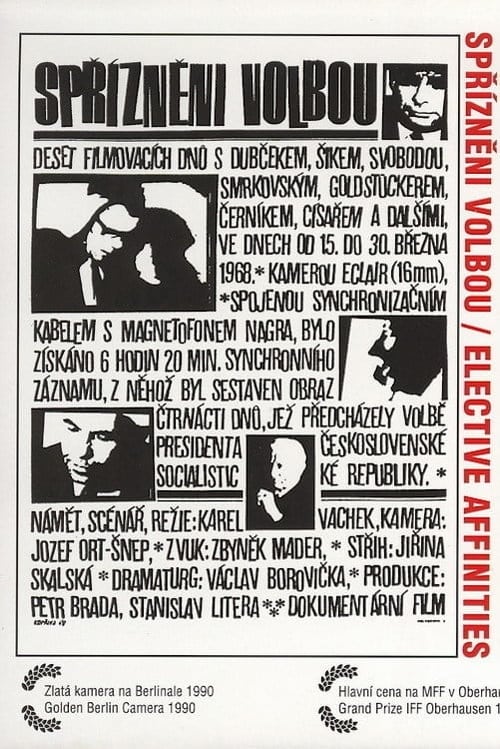
Documentary showing the Czechoslovakian political landscape in March 1968, when president Antonin Novotny, a hardline Stalinist, stepped down and moderate communist Ludvik Svoboda was elected. Five months later, in August 68, the Prague Spring would end with the military intervention of the Warsaw Pact.
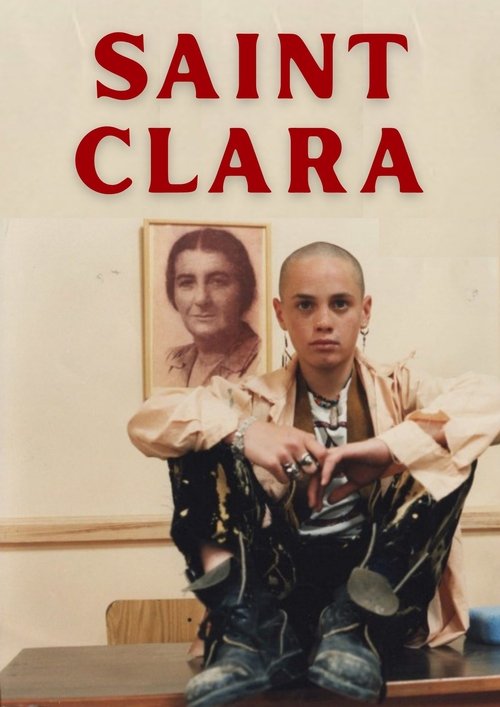
The year is 1999 and the storyline is actually a number of sub-plots all revolving around the 13-year old Clara, a girl that can predict the future and has telekinetic powers. The sub-plots include a boy in her class who has a crush on her, his family, her family and her principal that keeps talking French for some strange reason.
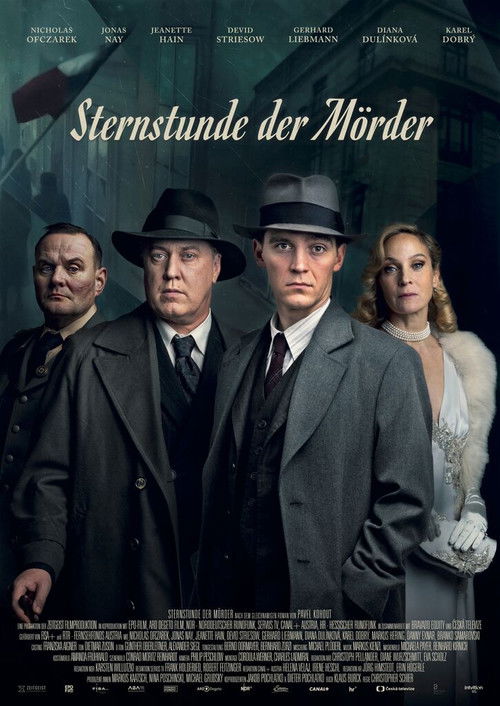
Prague 1942. The city is occupied by German troops. As the end of the war and the advancing Russian army comes ever nearer, the Czech chief inspector Beran and his assistant Jan Morava are hunting a serial killer. During his investigation, every step Morava takes is observed by Gestapo man Erwin Buback. Buback’s brief is to report to his Nazi superior Meckerle how closely the Prague police is linked to the Czech resistance movement. Then the Soviet troops reach Prague and in the armed rising against the occupiers even the most innocent become murderers.
The commander of the military training camp, newly promoted Major Cibulka, keeps his subordinates in line. Because of an unexpected emergency, he refuses to give leave even to the young lieutenant Zabran, whose wife is due to give birth any day. In addition, a false article appears in an army newspaper claiming that Zábrana is an example of a bad company commander. In fact, it is he who has the best leadership skills. Fearing for his wife's health, Zábrana disobeys orders and departs for Prague at night to visit his wife in the maternity ward. Cibulka decides to push the envelope even harder, and drives Zábrana, whom he has long disliked, before the prosecutor.
This is the story of an ambitious television presenter who became very well known and respected thanks to his regular show. He invites leading personalities, including respected politicians, to his talk show OPRAVDU? (REALLY?). Because he prepares very carefully for these interviews and his questions are almost entirely without taboos, his show has high ratings, and Petr himself has considerable moral credibility (thanks in part to his unblemished past).
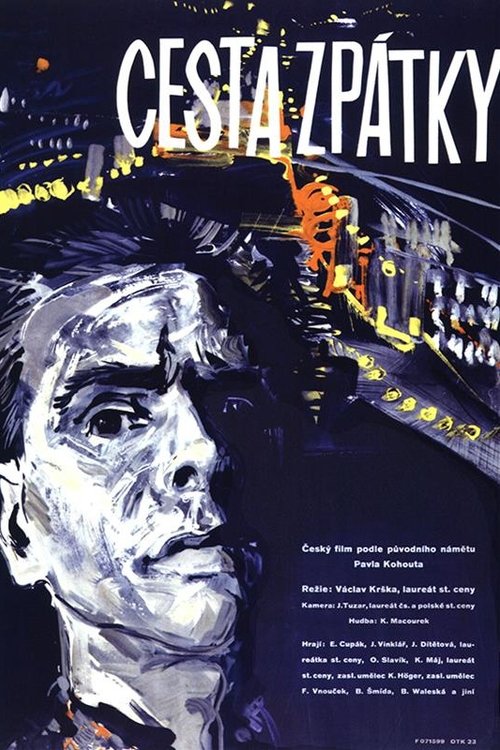
Three young men carry out a failed robbery of the box office of the Blaník cinema in Prague with tragic consequences. Only one of them has a chance to redeem himself.
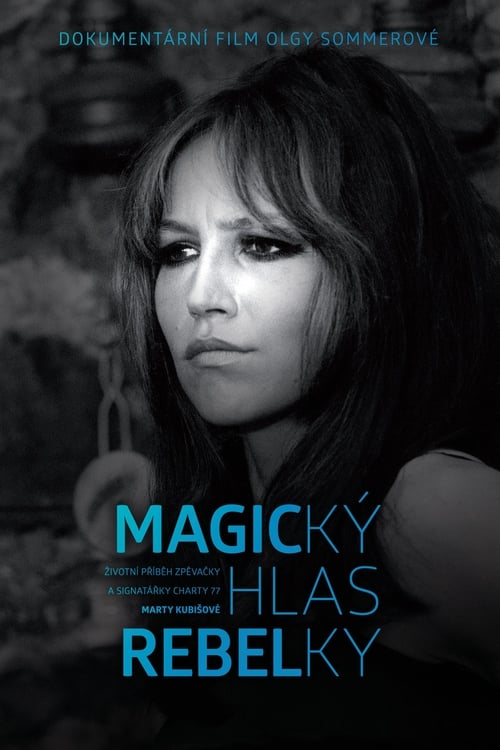
'The Magic Voice of a Rebel' portrays the story of the Czech singer Marta Kubisová, who without never intending it, became a symbol of freedom for all generations in the newly free Czhecoslovakia in 1989. It is Marta herself who tells us her life story and how the Soviet invasion in Czechoslvakia in 1968 changed her life. Because of her deep involvement in the Prague Spring movement, she went from being the most popular singer in the country to being banned and suffering a sudden removal from the public scene by the new authorities imposed from Moscow. She refused to escape to exile and together with other banned intelectuals and artists became a disident instead. Blacklisted and persecuted by the secret police, she also suffered the betrayal of beloved people who were collaborating with the regime.
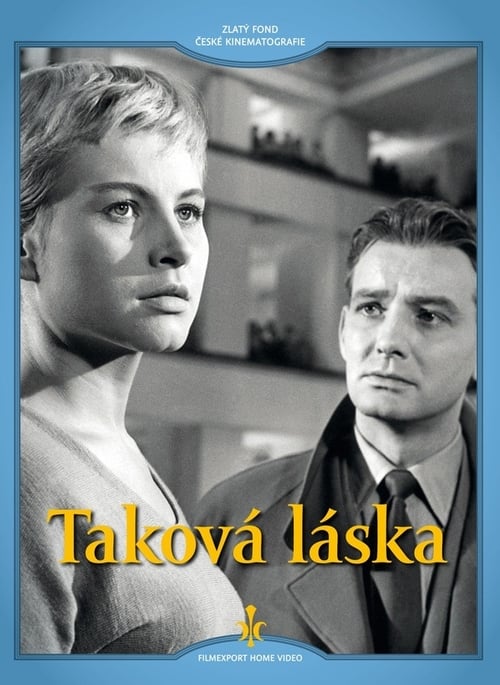
A student commits suicide out of unhappy love to a married man; story is recounted in retrospective by a "judge" who asks the audience to decide who is the guilty party.
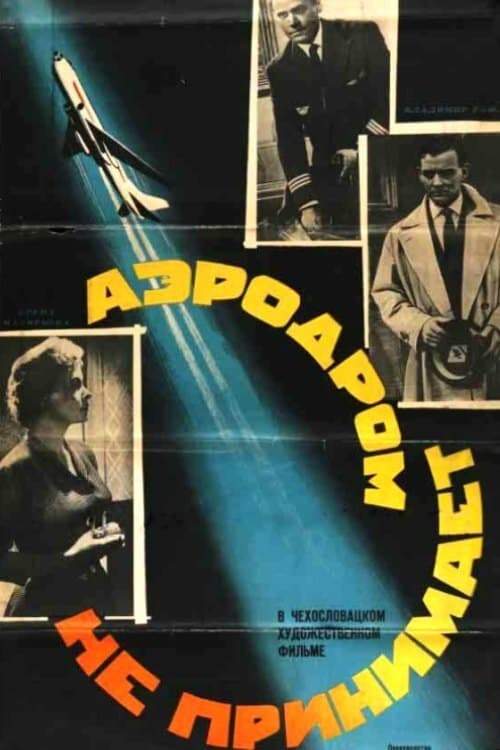
The conflicts in one pilot's fractured marriage come to a head just as Soviet jets are introduced to international airliners. Naive psychological drama is embraced here with naive admiration for the most advanced aviation technology.