Toshizō Kudō
Acting
Known For

Battle between international criminal organizations and the secret team of international police formed against these organizations. An action drama incorporating element of children's hero program, Tokusatsu, such as characters with superhuman motor nerves and the appearance of super machines. "Strada 5" is the name of this secret team.
Blitz!! Strada 5
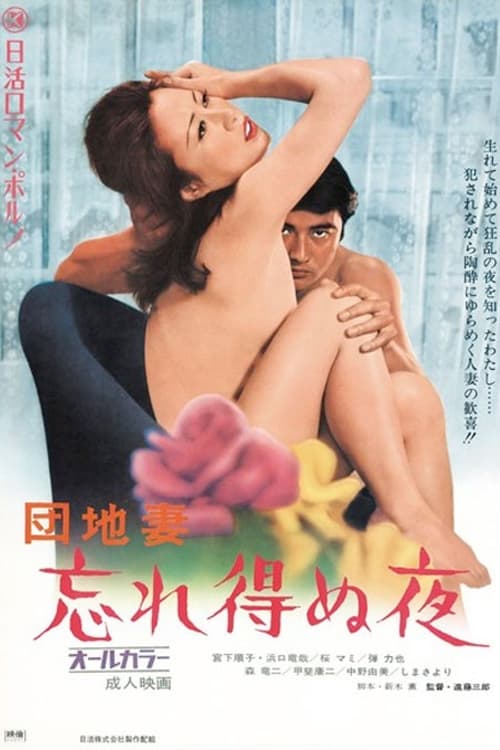
A married office lady is assaulted in the dark at a company outing. At work she doesn’t know who to suspect but thoughts of the attack strangely excite her.
Apartment Wife: Unforgettable Night
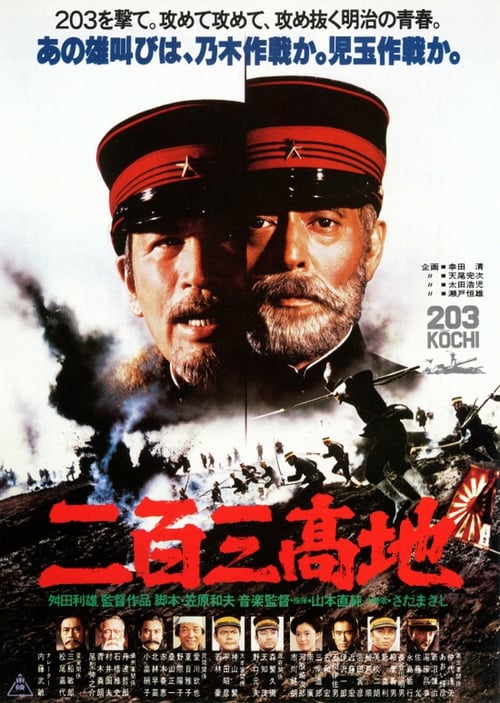
Depicts the bloody siege of the fortress of Port Arthur, one of the most strongly fortified positions in the world, during the Russo-Japanese War of (1904 - 1905). In the story dominated the character Lt Takeshi Kogyo (Teruhiko Aoi), teachers, and a reserve officer who became commander of the platoon and later company. At the same time monitors the conduct of the army commander general Nogi (Tatsuya Nakadai), which was commissioned of the emperor Matsuhito (Toshirô Mifune) to the conquest of the fort.
Port Arthur

A high school science teacher is the butt of all his students' jokes, until their bus is hijacked on a school trip. But something more sinister lurks beneath the surface: he's building an atomic bomb in his apartment.
The Man Who Stole the Sun

Ichijo Sayuri, once the legendary queen of Osaka strippers, has retired to run a sushi shop. She is awaiting her day in court after having been arrested for indecency at her farewell performance. While she was active, she was both the rival and the model for many young strippers. Harumi was one of them. Ichijo Sayuri was the real-life queen of Osaka strippers who was arrested on her final performance.
Ichijo's Wet Lust
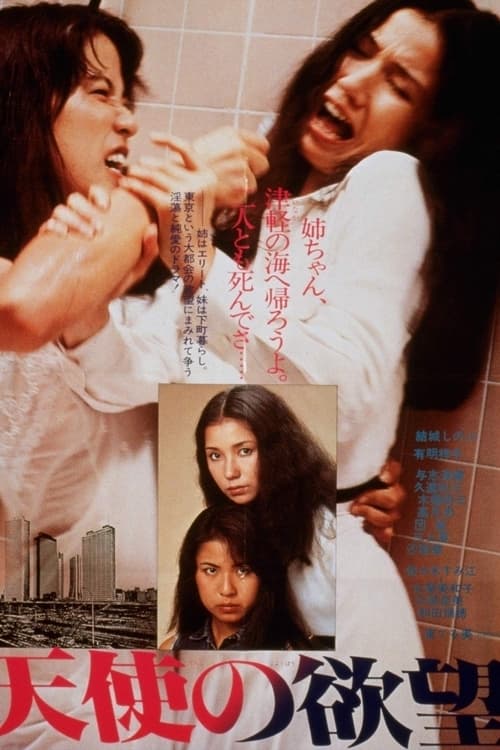
How did two sisters from Tsugaru survive in the big city of Tokyo? The older sister passed the nursing exam and works at a major hospital in Tokyo. Meanwhile, the younger sister works as a menial laborer for a grimy obstetrician in a working-class neighborhood. The older sister, with a saintly face, works as a nurse, but in secret, she is consumed by carnal desires for men, while the younger sister, a naive and innocent country bumpkin, is trampled upon in the hell of adult lust... For some reason, these two contrasting sisters end up fighting over the same man... What will be the outcome of their fate?
Angel's Desire
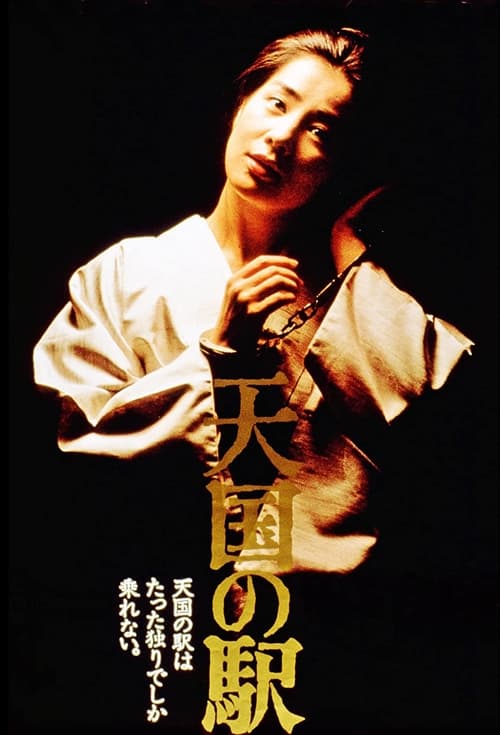
From a true incident that happened in 1960's Japan. This drama is contemporary in setting but medieval in its characters and emotions as it focuses on a tangled web of murder and deceit encountered by a beautiful woman, Kayo after her abusive husband is murdered.
Heaven Station

A group of corrupt police detectives go on a manhunt for an ex-collogue who they believe could blow their whole rotten operation wide open.
Retreat Through the Wet Wasteland
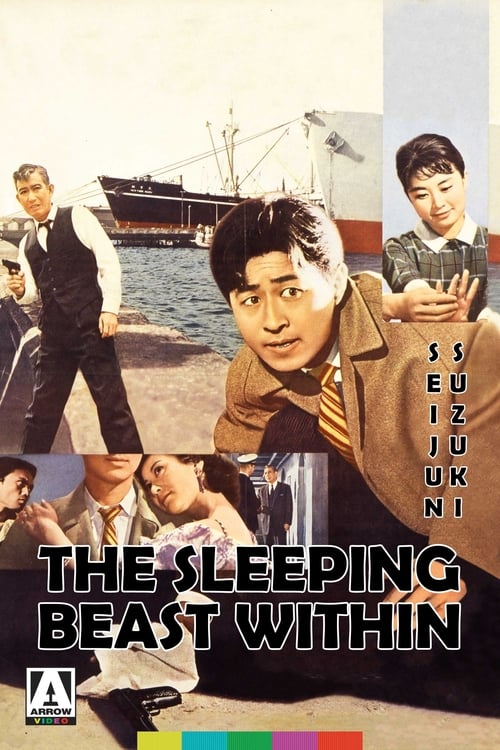
A newspaper reporter's search for his girlfriend's missing father lead him into heart of the criminal underworld of Yokohama's Chinatown.
The Sleeping Beast Within

A young wealthy widow becomes sexually involved with her father-in-law, while harboring a destructive obsession with the family gardener.
Thirst for Love
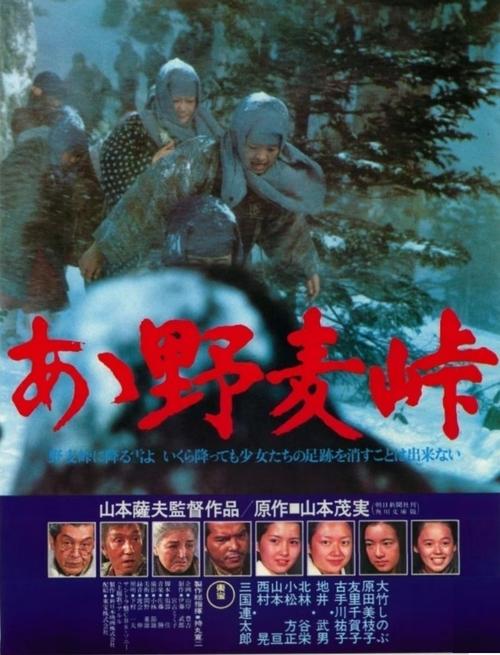
The story of the silk industry and the young girls who worked as silk spinners in the early 1900s in Japan. The silk mills were located in Okaya which lies just beyond the Nomugi Pass. The women and girls worked in a hot, humid atmosphere without rest, and endured those conditions and sexual harassment to earn money for their poor families. Across the ocean, it was the great depression in America.
Nomugi Pass
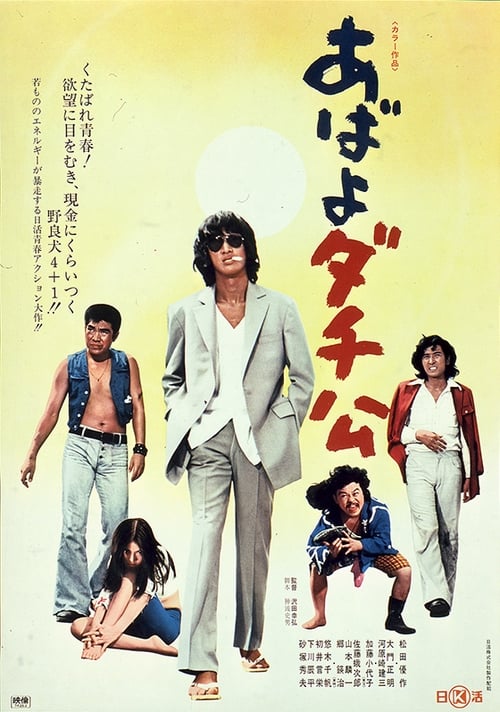
Gimme gimme gimme! Yusaku Matsuda and his gang are on the hunt for women, money and more money! Takeo Natsuki (Yusaku Matsuda) was just released from prison. He was the leader of three rascals; all they did was cause trouble. When they meet a girl whose father is resisting a forced eviction to make way for a construction site, they come up with their own plans to solve the problem.
The Four Roughnecks
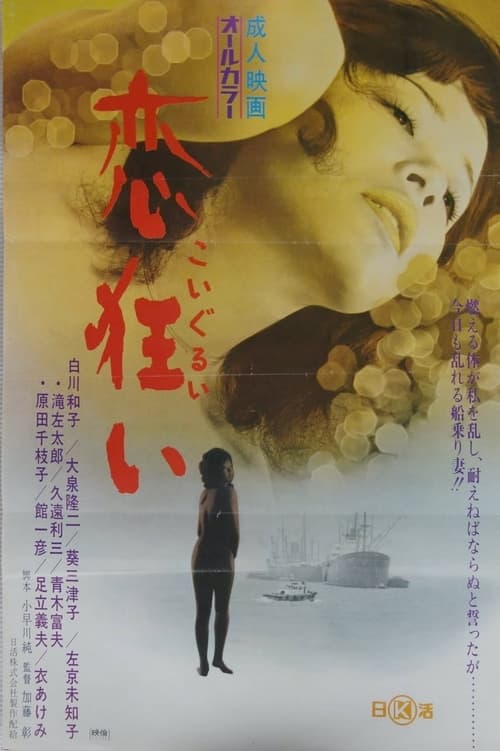
Kazuko Shirakawa plays a girl who left home to satisfy her inner lust. Her passion turns to despair when she looks at her miserable life and sees the loss of her one true love and eventually becomes a prostitute. Everything is masterminded by her jealous sister, who hopes to bed her husband. She eventually gets her wish.
Thirsty for Love
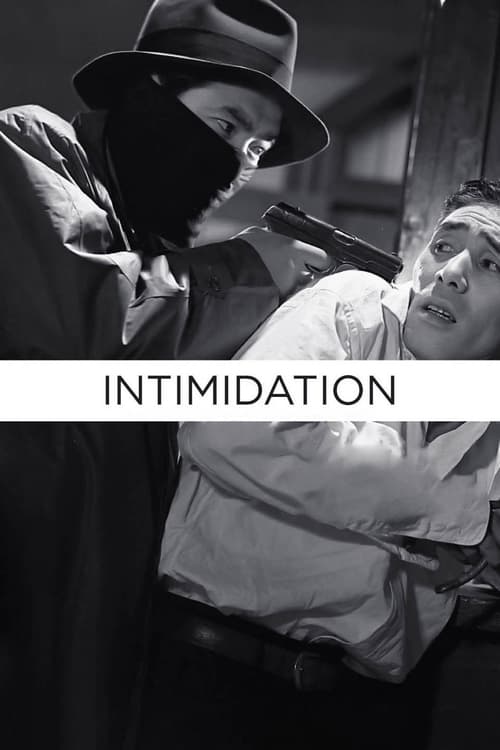
Koreyoshi Kurahara's ingeniously plotted, pocket-size noir concerns the intertwined fates of a desperate bank manager, blackmailed for book-cooking, and his resentful but timid underling, passed over for a promotion. The marvelously moody Intimidation is an elegantly stripped-down and carefully paced crime drama.
Intimidation
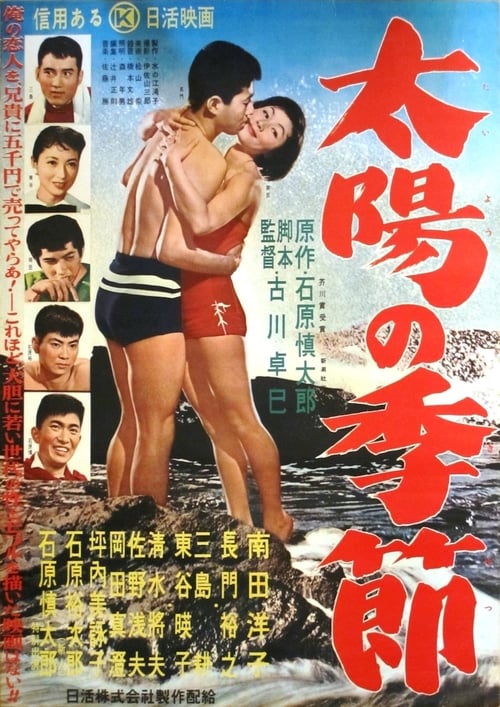
The film tells the story of a group of high school boxing team members who spend their days drinking, sailing and chasing girls, and who more often than not spend their nights getting into brawls. In particular, it focuses upon Tatsuya, a sullen young man, who falls in love with Eiko, a proud upper-class girl.
Season of the Sun

A melodrama about the life of a mentally disabled young man and his devoted sister after their famous novelist father and housewife mother go to Australia on a business trip.
A Quiet Life

On a cold winter day, Goro Fujikawa (Tetsuya Watari) and Masahiko murder the mob boss of Meishin-Kai. The deed costs them time in prison, but Goro had no shred of regret. When Goro is released 2 years later, Masahiko is dying in prison hospital and entrusts his last wish; "find my sister and take care of her." Goro leaves as a free man with a mission, but soon finds that he might have been better off in jail.
Outlaw: Goro the Assassin

This movie depicts the confrontation between a man entangled in a despicable trap and the shadow of murderous intent, and the efforts of a journalist chasing after the truth. Due to the passage of time since the film's release, some scenes may be marred by visual and audio distortions. We apologize for any inconvenience and appreciate your understanding.
午前零時の出獄
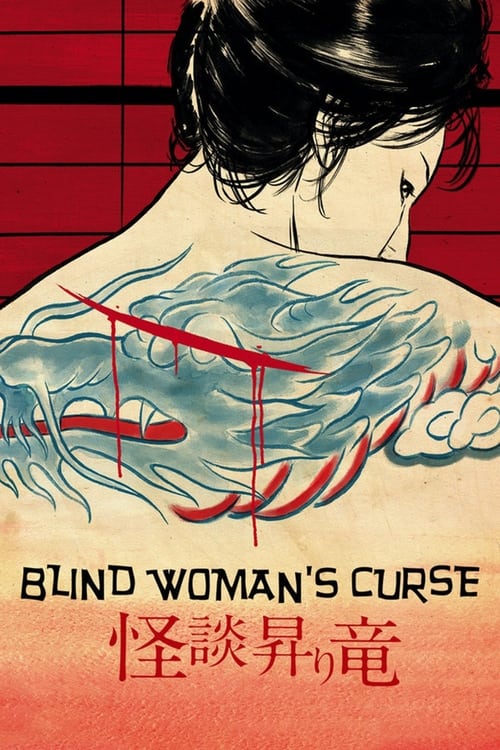
Akemi is a dragon tattooed leader of the Tachibana Yakuza clan. In a duel with a rival gang Akemi slashes the eyes of an opponent and a black cat appears, to lap the blood from the gushing wound. The cat along with the eye-victim go on to pursue Akemi’s gang in revenge, leaving a trail of dead Yakuza girls, their dragon tattoos skinned from their bodies.
Blind Woman's Curse
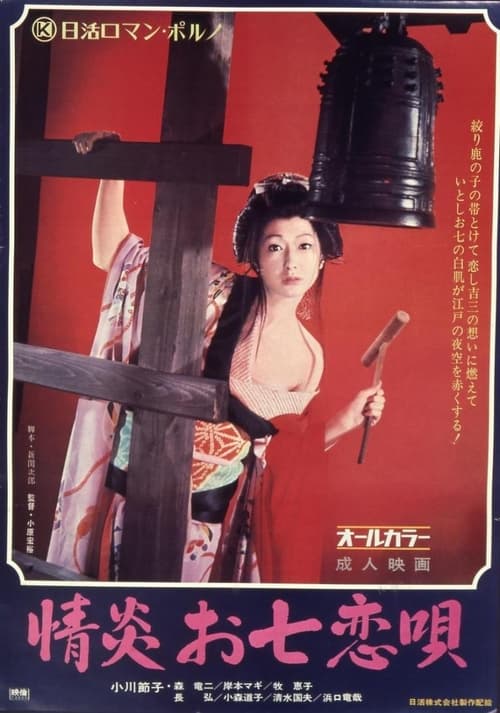
Oshichi (Setsuko Ogawa), the daughter of a green grocer, is only seventeen years old but is known as one of the most beautiful girls in Edo. She is betrothed to Sakubei (Tatsuya Hamaguchi) but does not love him. One day, the whole city is flooded by one of the worst rain storm in its history. Oshichi, and her parents are given shelter at a temple where she meets Kichisaburo (Ryuji Mori), a young priest. It is love at first sight for both of them. The storm finally abates. Oshichi's parents decide to return to their home on the following day. That night, Oshichi gladly gives herself to Kichisaburo but they are found by her mother who warns them never to divulge their secret. Learning that her plan to move up the date of her marriage to the rich pawnbroker's son, Oshichi feels that she can never be united with Kichisaburo unless she takes things into her own hands.