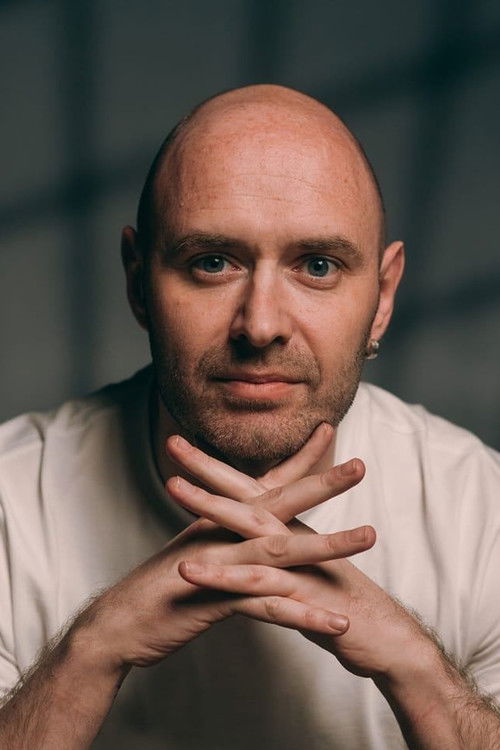
Danylo Mokryk
Writing
Biography
Danylo Mokryk is a reporter with the War Crimes Investigations Unit of the Kyiv Independent. He has previously worked as an investigative journalist with Bihus.Info. His 2022 investigation into Russian acts of genocide in Ukraine won the “Honor of the Profession” Ukrainian journalism award. The same year, his investigation into deliberate killings of Ukrainian children by Russian soldiers was short-listed for the MezhyhiryaFest Investigative Journalism Award. Before the full-scale Russian invasion, he had won several awards and nominations for his investigations of corruption in Ukraine.
Known For
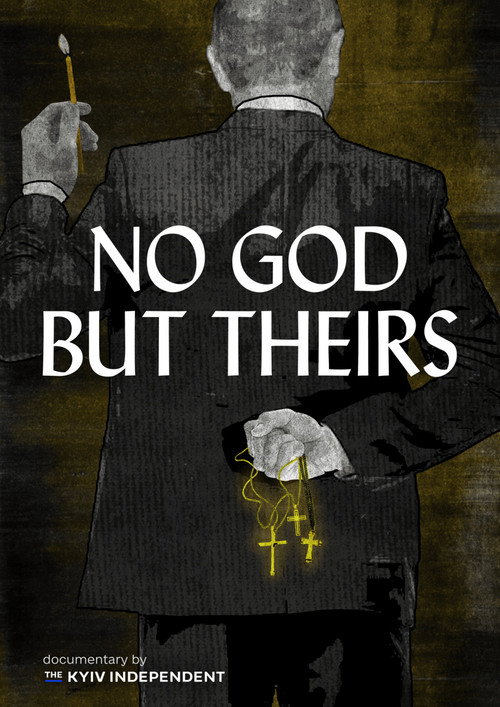
Melitopol, a city in Ukraine's southern Zaporizhzhia Oblast, has traditionally been a hub of religious and cultural diversity. Numerous Christian churches operated there, not only coexisting but also effectively collaborating with one another. Among them, Protestant churches were some of the most active and influential. Immediately following the start of Russia's occupation of Melitopol and the wider region in 2022, local Christians faced repression. Clergy were subjected to searches and interrogations by Russian forces. Eventually, several churches were banned and stripped of all property, including their buildings. Priests were either officially deported or forced to flee under threat, with Russian propaganda often accusing them of stockpiling weapons and ammunition. Believers were forced to go underground.
No God But Theirs
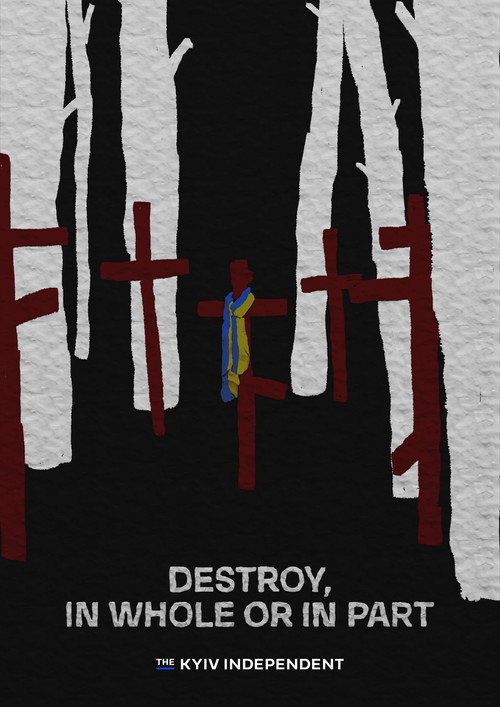
Russia’s current aggression against Ukrainians contains a number of signs of genocide, so the Kyiv Independent’s War Crimes Investigations Unit decided to investigate the matter. In this documentary, its author, investigative reporter Danylo Mokryk explores whether there is genocidal intent in the actions of the Russian military and officials, as well as in Russian state propaganda. He interviews several scholars whose views oppose one another. William A. Schabas, one of the most renowned scholars in the field, is a skeptic. Eugene Finkel has written an opinion piece stating that the Russian invasion was genocide back in 2022. Dmytro Koval emphasizes that one cannot fully understand Russia’s war in Ukraine if one doesn’t call it genocide.
Destroy, in Whole or in Part
A rare glimpse into Russia's ongoing terror in the occupied territories of Ukraine. Through personal stories and firsthand accounts, the film's author, Danylo Mokryk, reveals the horrific realities of life under occupation on the east bank of the Dnipro River in the southern Kherson Oblast since 2022. The film uncovers how Russian soldiers and occupational authorities terrorize the local community, including the tragic case of Ruslan Rusnak, who was taken from his home in the village of Hornostaivka and met a heartbreaking fate in November 2023.
Shadows Across the River
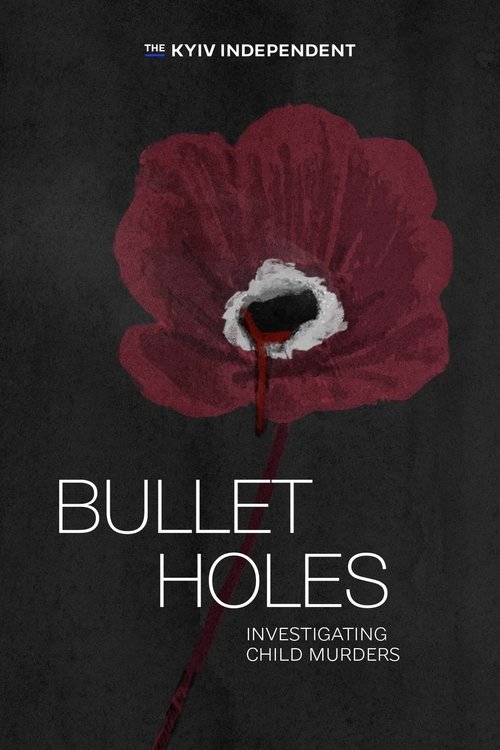
The Russian military has already killed more than 500 Ukrainian children during its full-scale invasion of Ukraine. Dozens of them were shot at close range with small arms. Among them were 10-year-old Kateryna Vinarska in Kharkiv region, 12-year-old Vladyslav Mahdyk in Kyiv region, and 15-year-old Mykhailo Ustianivsky in Kherson region. The Kyiv Independent's findings point to the systemic and deliberate nature of child murders by the Russian military in Ukraine. Our in-depth investigation allowed us not only to establish clear circumstances of the murders but also, in one instance, to identify those responsible for the killing of a child.
Bullet Holes. Investigating Child Murders
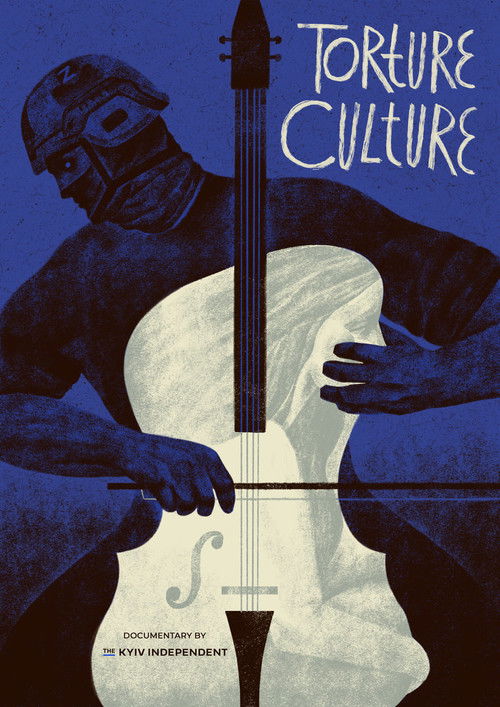
Torture in Russian captivity is systematic. In a new documentary, The Kyiv Independent’s War Crimes Investigations Unit uncovers the torture of Ukrainian civilians held by Russian forces and traces the roots of these practices through Russian history. The documentary features civilians from different regions and backgrounds who were detained in occupied Ukrainian territories and in Russia itself. Despite being held at different times and in different locations, their testimonies describe strikingly similar patterns of abuse. By combining firsthand accounts with historical research, the investigation shows how torture has persisted across generations and continues to shape Russia’s war against Ukraine.