Paul Krassner
Acting
Biography
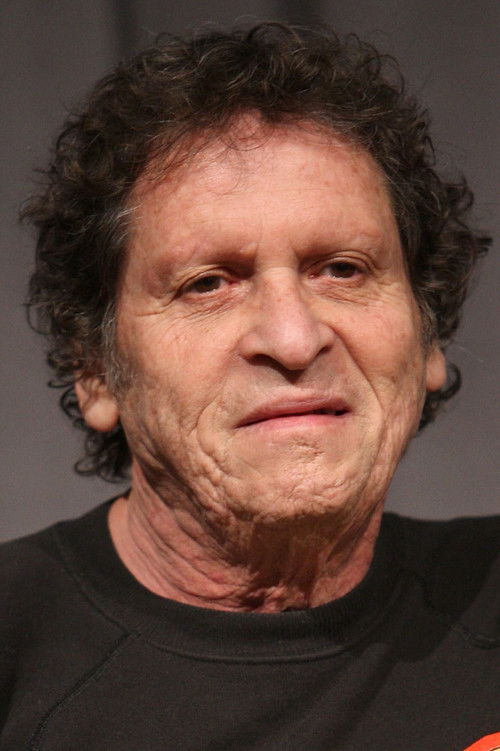
Paul Krassner (April 9, 1932 – July 21, 2019) was an American writer and satirist. He was the founder, editor, and a frequent contributor to the freethought magazine The Realist, first published in 1958. Krassner became a key figure in the counterculture of the 1960s as a member of Ken Kesey's Merry Pranksters and a founding member of the Yippies, a term he is credited with coining. Description above from the Wikipedia article Paul Krassner, licensed under CC-BY-SA, full list of contributors on Wikipedia.
Known For

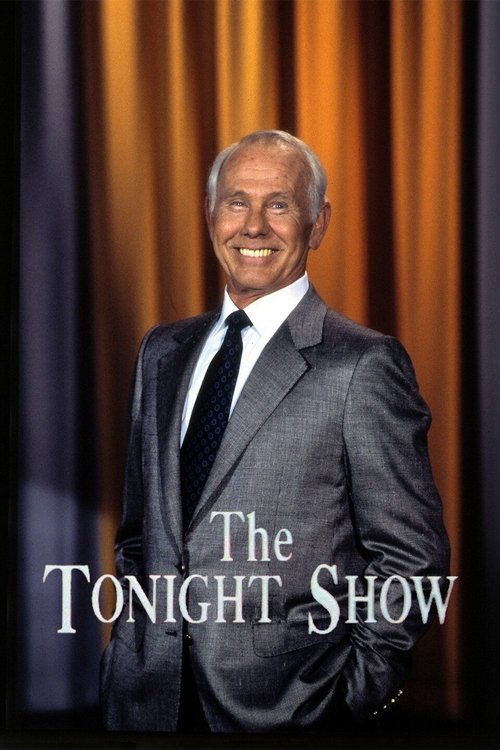
The Tonight Show Starring Johnny Carson is a talk show hosted by Johnny Carson under The Tonight Show franchise from 1962 to 1992. It originally aired during late-night. For its first ten years, Carson's Tonight Show was based in New York City with occasional trips to Burbank, California; in May 1972, the show moved permanently to Burbank, California. In 2002, The Tonight Show Starring Johnny Carson was ranked #12 on TV Guide's 50 Greatest TV Shows of All Time.
The Tonight Show Starring Johnny Carson

The Mike Douglas Show is an American daytime television talk show hosted by Mike Douglas that originally aired only in the Cleveland area during much of its first two years on the air. It then went into syndication in 1963 and remained on television until 1982. It was distributed by Westinghouse Broadcasting and for much of its run, originated from studios of two of the company's TV stations in Cleveland and Philadelphia.
The Mike Douglas Show

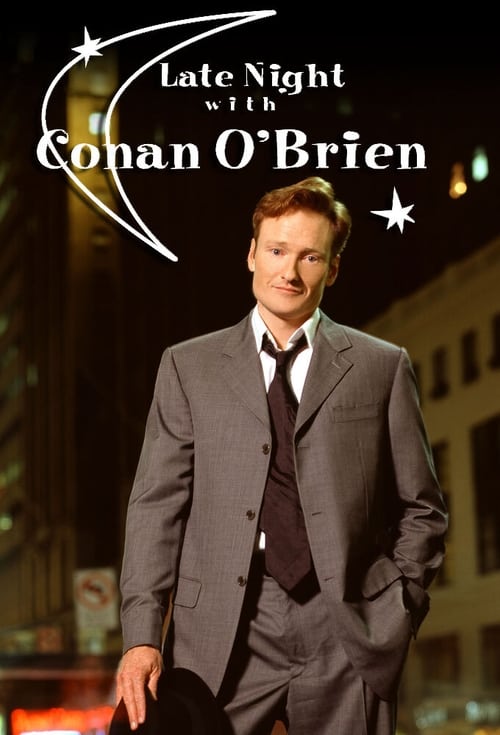
Stepping into the late-late slot vacated by David Letterman, Conan O'Brien stars in a show that far outdoes its competition in sheer strangeness. Along with the celebrity interviews and musical numbers typical of late-night talk shows, this program make frequent use of odd walk-on characters and frequent "visits" from celebrity guests.
Late Night with Conan O'Brien

One hundred superstar comedians tell the same very, VERY dirty, filthy joke--one shared privately by comics since Vaudeville.
The Aristocrats
Sex: The Revolution was a four-part 2008 American documentary miniseries that aired on VH1 and The Sundance Channel. It chronicled the rise of American interest in sexuality from the 1950s through the 1990s. The version shown on VH1 was pixelated to censor nudity including in discussions of censorship of nudity. VH1 Latin America aired the uncensored version.
Sex: The Revolution

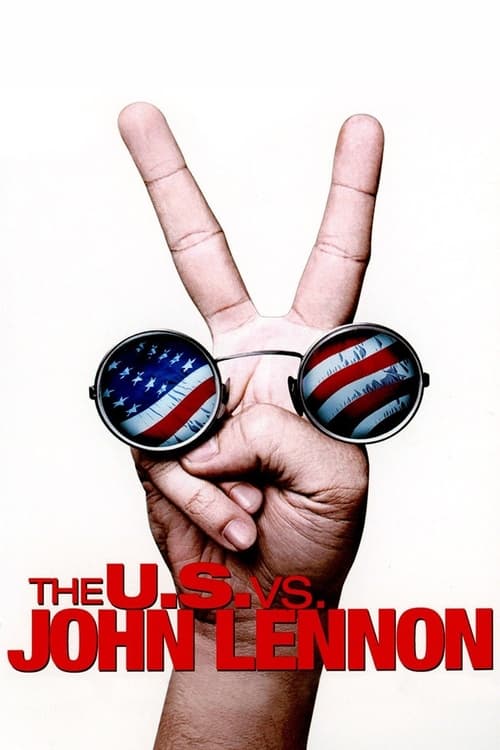
A documentary on the life of John Lennon, with a focus on the time in his life when he transformed from a musician into an antiwar activist.
The U.S. vs. John Lennon

Traces the Beats from Allen Ginsberg and Jack Kerouac's meeting in 1944 at Columbia University to the deaths of Ginsberg and William S. Burroughs in 1997. Three actors provide dramatic interpretations of the work of these three writers, and the film chronicles their friendships, their arrival into American consciousness, their travels, frequent parodies, Kerouac's death, and Ginsberg's politicization. Their movement connects with bebop, John Cage's music, abstract expressionism, and living theater. In recent interviews, Ginsberg, Burroughs, Kesey, Ferlinghetti, Mailer, Jerry Garcia, Tom Hayden, Gary Snyder, Ed Sanders, and others measure the Beats' meaning and impact.
The Source

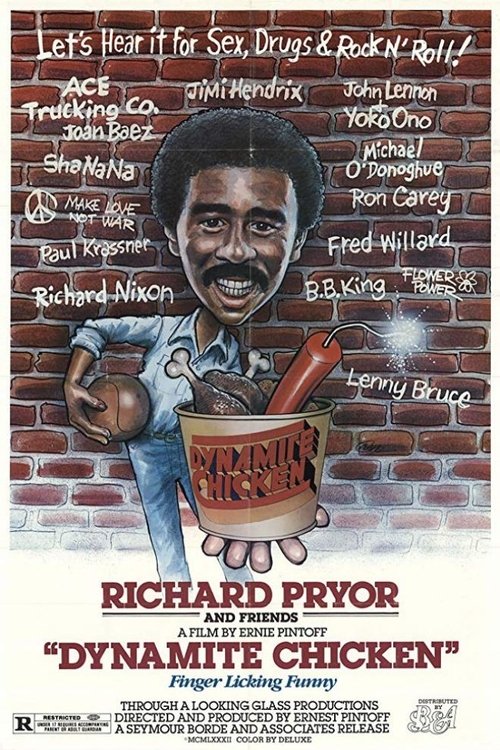
A collection of subversive comedy sketches and routines relating to the peace movement.
Dynamite Chicken

'Revolution: The Legacy of the Sixties' is an exploration of the 1960s Western cultural revolution as it ushers in our contemporary society. 'Revolution' explores, partly through interviews with many of its key instigators, the ground breaking cultural and social transformation of the 1960s as we get to the root of what changed during that period, and why. To what extent is our society and culture today a product of those changes? What does the 60s generation feel remains to be done today to complete the revolution, 50 years on?
Revolution: The Legacy of the Sixties

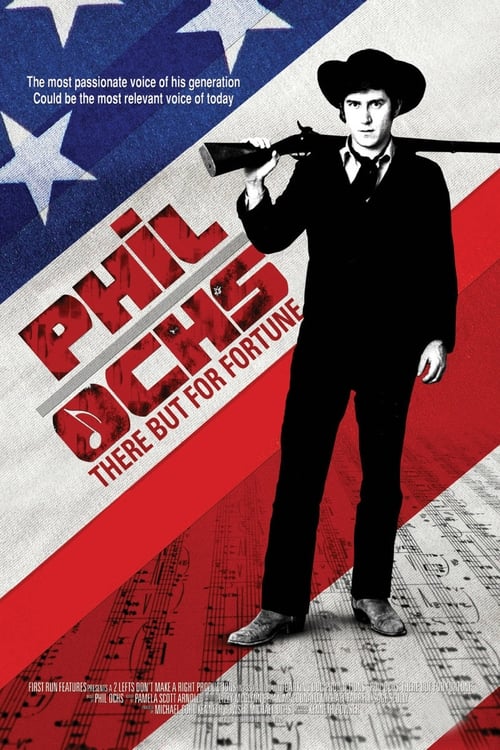
From civil rights to the anti-war movement to the struggles of workers, folksinger Phil Ochs wrote topical songs that engaged his audiences in the issues of the 1960s and 70s. In this biographical documentary, veteran director Kenneth Bowser shows how Phil's music and his fascinating life story and eventual decline into depression and suicide were intertwined with the history-making events that defined a generation. Even as his contemporaries moved into folk-rock and pop music, Phil followed his own vision, challenging himself and his listeners. Not one to pull punches, Ochs never achieved the commercial success he desperately desired. But his music remains relevant, reaching new audiences in a generation that finds his themes all too familiar.
Phil Ochs: There But for Fortune

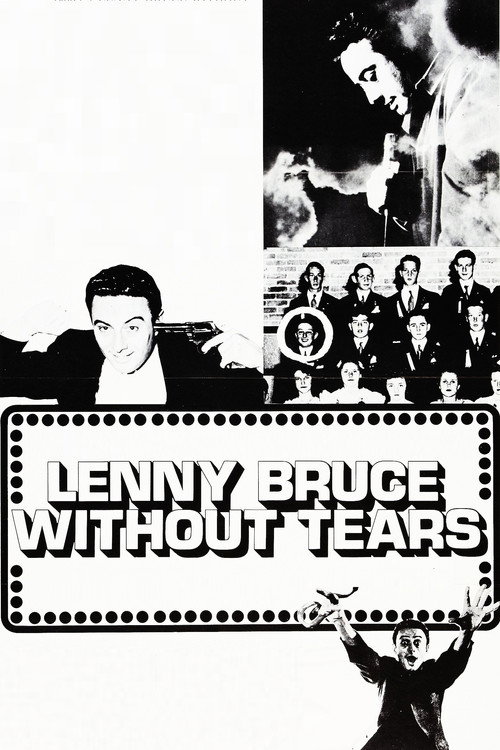
The outrageous, groundbreaking comic Lenny Bruce, whose iconoclastic material in a conservative era got him into tragic trouble, is profiled by a close friend, Fred Baker, who prefers to remember the laughs Lenny Bruce's memory evokes instead of the tears. By presenting Bruce's landmark skits on the Steve Allen Show, his failed TV pilot episode and a candid interview with Nat Hentoff, Bruce's genius and anguish show through the dramatic and tragic trajectory of his career from aspiring artist to hunted "lawbreaker".
Lenny Bruce: Without Tears
A documentary film essay about sociological forces at play surrounding the 1968 Democratic National Convention in Chicago.
Conventions: The Land Around Us

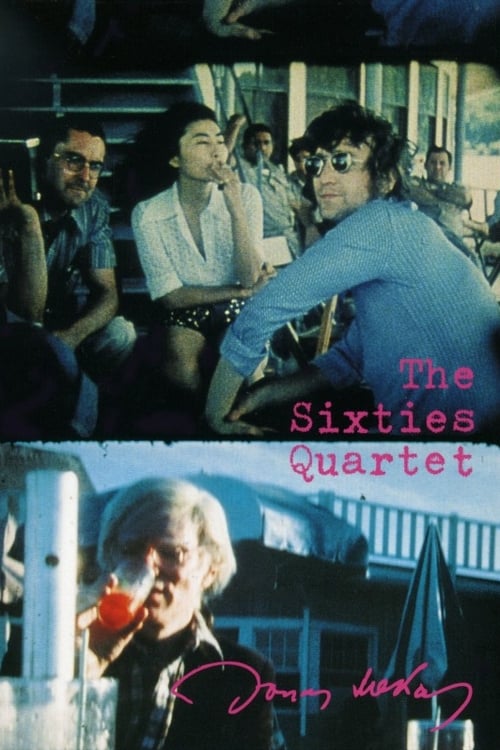
On October 9, 1972, the Everson Museum of Art in Syracuse hosted an exhibition of John Lennon and Yoko Ono’s work, designed by Fluxus artist George Maciunas. That same day, friends including Ringo Starr, Allen Ginsberg, and Paul Krassner gathered to celebrate Lennon’s birthday. Jonas Mekas’s film records the event in both image and sound, capturing the spirit of the moment and the community around Lennon and Ono.
Happy Birthday to John
A musical journey through the brief life and times of the celebrated composer who pioneered the crossover of jazz and pop music -- from his celebrated scores for the Peanuts animations, to his mega-hit Cast Your Fate To The Wind, his nights in San Francisco's North Beach at the hungry i, and his ground breaking Jazz Mass at Grace Cathedral. Including recently discovered and restored footage of Guaraldi's appearances and recording sessions (captured by noted jazz writer and Rolling Stone co-founder Ralph J. Gleason), the film features new performances and insights from Dave Brubeck, Dick Gregory, George Winston, Jon Hendricks, Paul Krassner, Paul Mazursky and many more.
The Anatomy of Vince Guaraldi

Back Issues is the definitive documentary of porn magazine Hustler, from its nightclub inception as it adapts to pornography in the 21st century. Director Michael Lee Nirenberg's father was was one of the original art directors in the 1970s and 80s. Back Issues is a complete look at the personalities and features that made this the most offensive magazine of all time. The story is told by its publisher as well as the editors, cartoonists, models, attorneys, art directors and cultural figures for the first time ever.
Back Issues: The Hustler Magazine Story

A critical yet sympathetic examination of the anti-war movement in New York City, shot in 1968, one year after the Summer of Love. The film traces the development group of activists on the Lower East Side. We see their growth from isolated, alienated individuals to a politically empowered community. Filmed between the protests at the Pentagon and the demonstrations at the Democratic Convention in Chicago, it includes portraits of Abbie Hoffman, editor Paul Krassner, folksinger Phil Ochs and anarchist Tom "Osha" Neumann.
Last Summer Won't Happen

Guerrilla ontologist. Psychedelic magickian. Outer head of the Illuminati. Quantum psychologist. Sit-down comic/philosopher. Discordian Pope. Whatever the label and rank, Robert Anton Wilson is undeniably one of the foundations of 21th Century Western counterculture.Maybe Logic follows a reality labyrinth which leads through the hollows of human perception to the vast star fields of Sirius where we find one man alone, joyfully accepting his status as Damned Old Crank and Cosmic Schmuck. Beaming with insight, frustration, compassion, and unshakable optimism, the ever-open eye of Robert Anton Wilson penetrates human illusions exposing the mathematical probabilities and spooky synchronicities of the 8 dimensions of his Universe.
Maybe Logic: The Lives and Ideas of Robert Anton Wilson
People in the entertainment industry recognize Darryl Henriques as an immensely talented comedian: one who creates a unique and biting commentary on modern life. Yet, up until now he's been unable to break through and make a living as a performer. This is mostly because Darryl is driven to speak the truth, as he sees it, even when it conflicts with his ambitions. All his life, Darryl has been caught between his desire for success and his need to challenge authority - both on and off stage. At times, Darryl deliberately alienates his audience with his improvised routines and then tries to win them back. Such theatrics give pause to the people who could help Darryl to become more of a commercial success. This film is a portrait of an artist struggling to come to terms with his eccentricities as he attempts to gain access to a larger audience without compromising his spontaneity or the integrity of his humor.
Darryl Henriques Is in Show Business
In the wake of the demonstrations during the 1968 Democratic Convention in Chicago, the city produced a white wash entitled "What Trees Did They Plant?" TV Stations that broadcast the film had to offer equal time to those speaking in opposition. One group was the Youth International Party or Yippies who produced this film. Paul Krassner wrote the script. Some classic film footage was re-mixed with footage shot during the demonstrations.