Acting
A colorful and provocative survey of anarchism in America, the film attempts to dispel popular misconceptions and trace the historical development of the movement. The film explores the movement both as a native American philosophy stemming from 19th century American traditions of individualism, and as a foreign ideology brought to America by immigrants. The film features rare archival footage and interviews with significant personalities in anarchist history including Murray Boochkin and Karl Hess, and also live performance footage of the Dead Kennedys.
Founded by a collective of radical media makers in 1981, Paper Tiger Television pioneered edutainment. Broadcast on public access television, the collective took a grassroots, DIY approach to media production that showcased how television was made through television, while critiquing corporate media and attempting to build a more equitable form of moving image. As one of the founders put it: “It is one thing to critique the mass media and rail against their abuses. It is quite another to create viable alternatives.” Punk and experimental, Paper Tiger Television was such an alternative. The series, Reading the Media, featured all manner of intellectuals, artists, and activists analyzing, and satirizing newspapers, magazines, and even cigarette ads to decipher their hidden codes, messages, and ideologies.
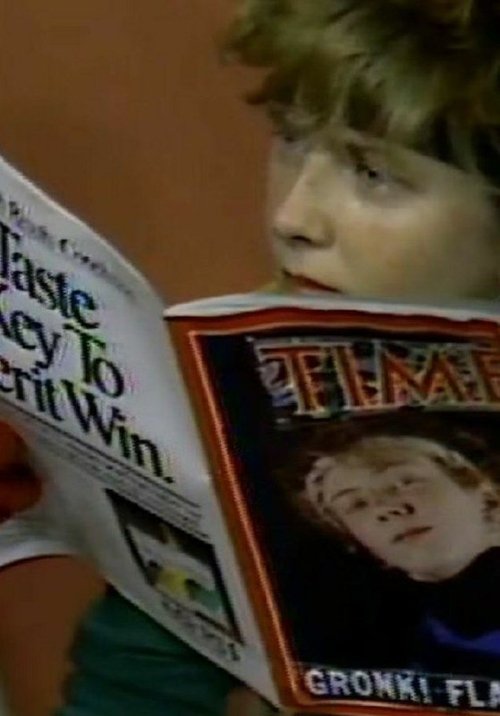
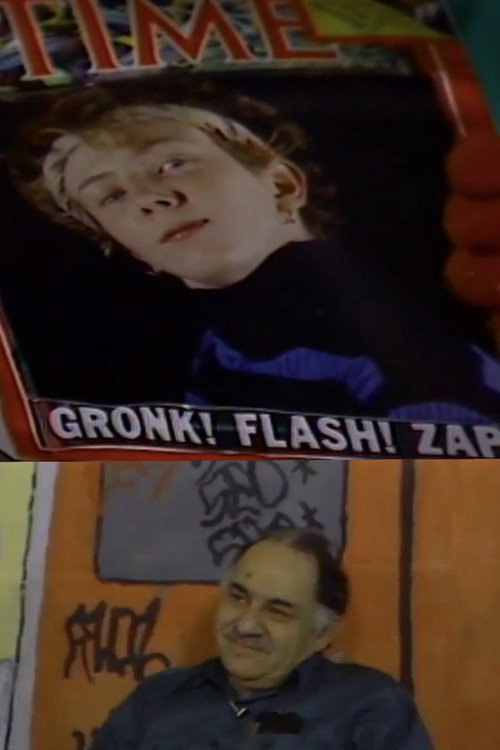
Historian, political philosopher, environmentalist, and anarchist Murray Bookchin demonstrates how Time magazine obliterates time in this 1982 episode of Paper Tiger Television. Time is soothing. The events in Time look nothing like the events experienced by those at them. The news in Time happens elsewhere, happens to others. Time is reliable. It comes each week, and with it, past, present, and future merge to the point of disappearance. Like television, Time lulls readers into complacency because the news is given an even, consistent tone. All issues are treated the same, with the same bland distance. Time makes a reality so unreal, so colorless. The news in Time comes written and photographed in a comforting tone that treats events as inconsequential and thus encourages a notion of not just a false sense of security, but a sense that our actions are without consequence.