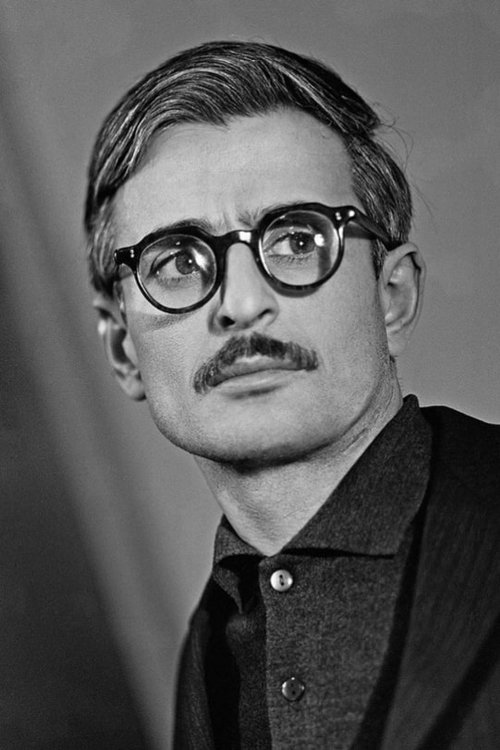
Marlen Khutsiyev
Directing
Biography
Marlen Martynovich Khutsiev (Russian: Марле́н Марты́нович Хуци́ев; 4 October 1925 – 19 March 2019) was a Georgian-born Soviet and Russian filmmaker best known for his cult films from the 1960s, which include I Am Twenty and July Rain. He was named a People's Artist of the USSR in 1986. Khutsiev studied film in the directing department at the Gerasimov Institute of Cinematography (VGIK), graduating in 1952. He worked as a director at the Odessa film studio from 1952 to 1958, and worked full-time as a director at Mosfilm from 1965 onward. Khutsiev's first feature film, Spring on Zarechnaya Street (1956), encapsulated the mood of the Khrushchev Thaw and went on to become one of the top box-office draws of the 1950s. Three years later, Khutsiev launched Vasily Shukshin "as a new kind of popular hero" by starring him in Two Fyodors. His two masterpieces of the 1960s, however, were panned by the authorities, forcing Khutsiev into something of an artistic silence. In 1978, Khutsiev began teaching film directing master classes at the VGIK.) His 1991 film Infinitas won the Alfred Bauer Prize at the 42nd Berlin International Film Festival.
Known For

No description available.
To Remember

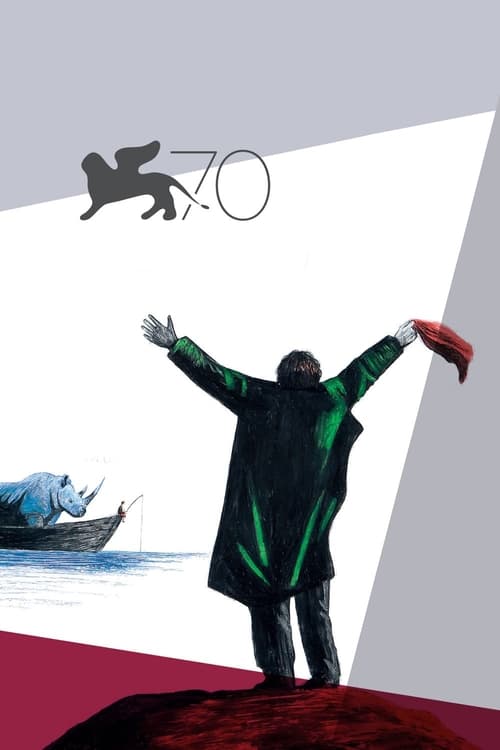
Made for the Venice Film Festival's 70th anniversary, seventy filmmakers made a short film between 60 and 90 seconds long on their interpretation of the future of cinema.
Venice 70: Future Reloaded

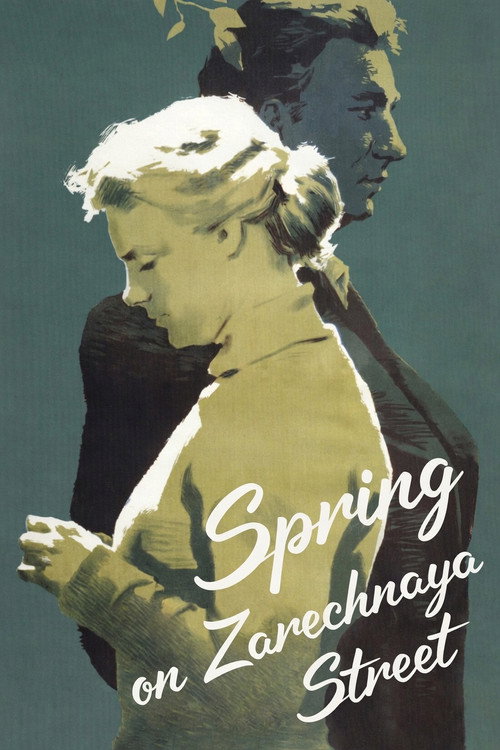
The story unfolds in an industrial town where a young and charming literature teacher arrives, assigned to teach at an evening school. One of the boys from the metallurgical plant falls in love with the educated girl, but communication between the two young people turns out to be quite challenging.
Spring on Zarechnaya Street

People's Artist of Russia Alexander Belyavsky has played in more than a hundred films, but the first thing that viewers remember is his role as Fox in Stanislav Govorukhin's legendary film "The Meeting Place Cannot Be Changed." Despite the success of the film, the actor himself had always dreamed of a major comedic role. While waiting for offers from comedic directors, Alexander Belyavsky came up with the idea of a television humorous program called "Kabachok 13 Stulev" and hosted it for several years...
Alexander Belyavsky. Fox's Personal File

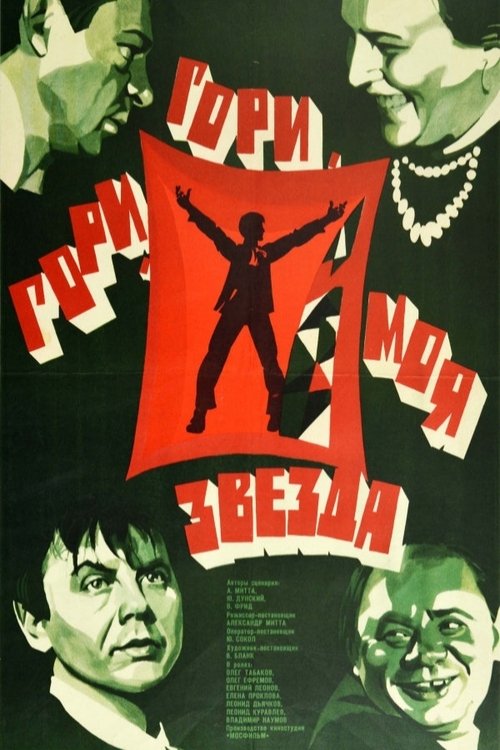
In 1920, just 3 years after the October revolution, the peoples had to decide between conforming to Bolshevism or national self-determination. In that torn-apart-time, one man, the comedian Volodya, tries to mediate, not between different ideologies, but social life and art. While others just want to wash away their gloom, he reflects on the everyday sorrows and the role of art in that time of changes.
Shine, Shine, My Star

The story of VGIK teachers and students about the acting profession.
VGIK: Teachers and Students Talk About the Profession

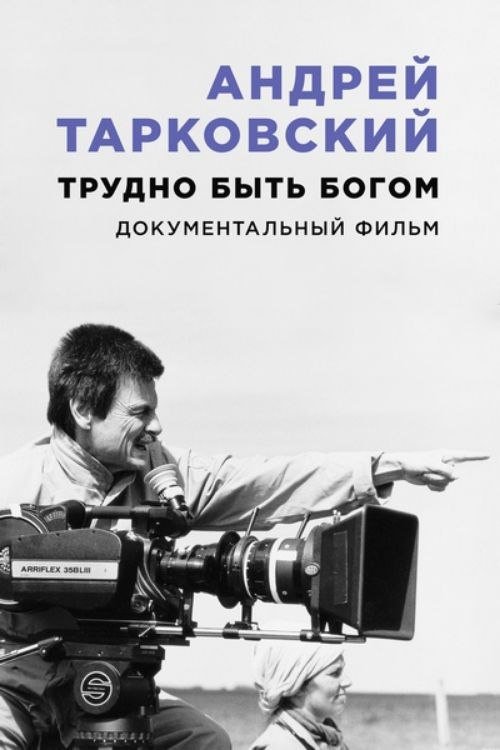
Andrei Tarkovsky is the most famous Russian director, often called a genius during his lifetime. He made relatively few films, but each has become a classic of world cinema, including "Andrei Rublev," "Solaris," "Mirror," and "Stalker." His films seem to be crafted from air, water, fire, deep emotions, and even his own dreams. This art is profoundly sincere and confessional, but what about the creator behind it? What was this god-like figure like, living a mortal life filled with weaknesses, fears, and doubts?
Andrei Tarkovsky: Hard to Be a God

The true story of the Soviet intelligence officer Nikolai Kuznetsov, who, behind enemy lines in Ukraine, infiltrated Hitler's headquarters, kidnapped the commander of the punitive troops and executed the imperial adviser.
Strong with Spirit

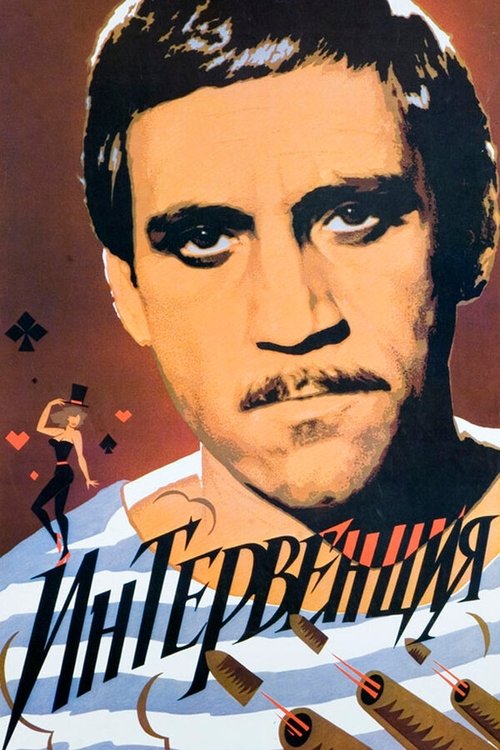
The movie is set during the last days of a foreign intervention against Soviet Russia. Police are searching everywhere for a Bolshevik named Brodsky but cannot find him. Meanwhile, a man named Michel Voronov serves as a teacher to a rich woman's son, Zhen'ka.
Intervention

Fifty-year-old Vladimir Ivanovich Prokhorov, relieved of his worldly possessions, takes a journey back in time. Accompanied by a traveling companion barely half his age, he revisits the people and places of his youth and witnesses the dark forces that shaped the 20th century.
Infinity

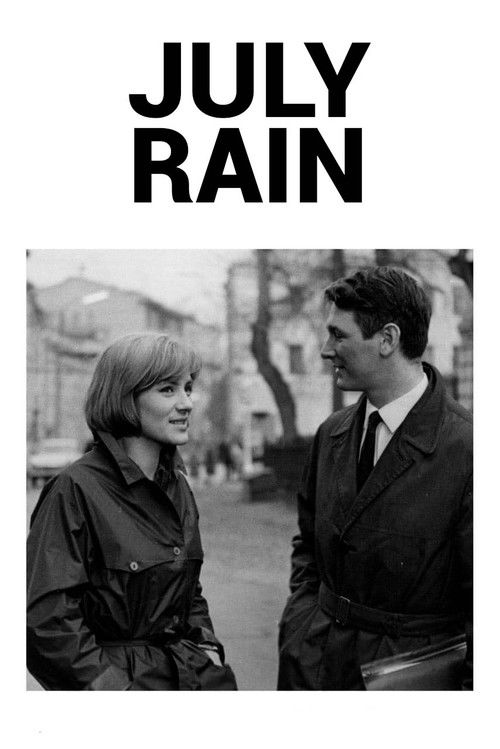
Lena, a woman in her late twenties, loves her boyfriend, but in time comes to see that their relationship serves no useful function. What's more, she sees that her friends are for the most part empty-headed lackeys, causing her to wonder just what is the point of her life.
July Rain

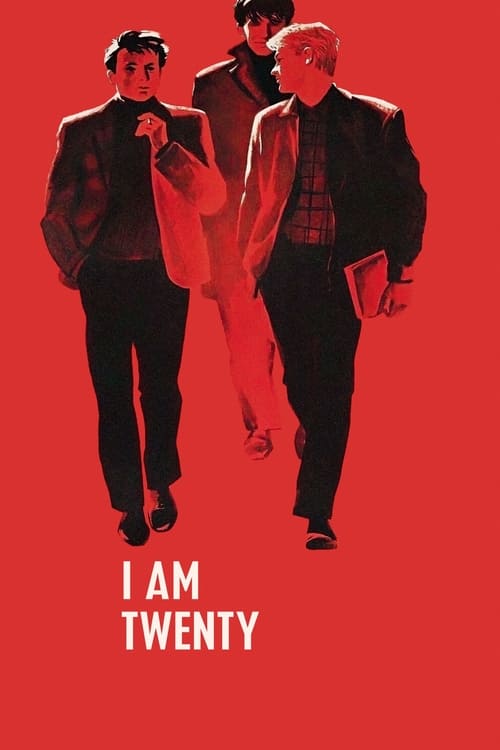
Having returned from the army, 20-year-old Sergei settles down at the thermal power station and merges into ordinary life. Every day he meets and spends time with childhood friends — the young family man Slava and the merry fellow Nikolai, and once at first sight he falls in love with a stranger on the bus. A lyrical story about a generation of young people entering adulthood, a reappraisal of values, life principles, traditions in culture and art.
I Am Twenty

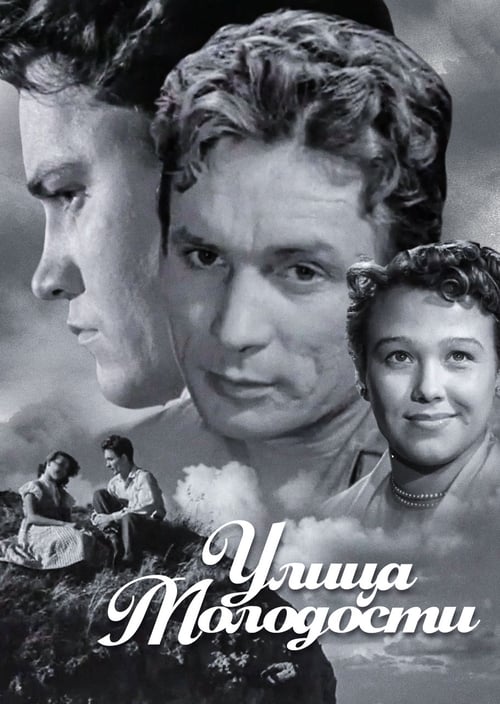
The second half of the 1950s. A new microdistrict is being built on the outskirts of the city. A group of guys - graduates of a craft school - is sent to the construction site. Also on the construction site arrives a group of girls from the village. The youth collective is fused, sympathy and love are born...
Youth Street

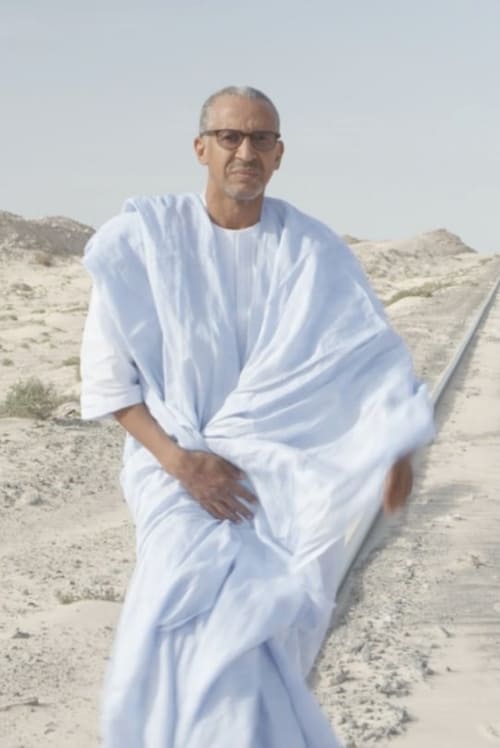
To be somewhere precise yet stand nowhere at all, to embody one’s convictions, yet never miss the essential, to rise up and be present at the critical moment, to bear witness to a world waiting to tell itself and be retold, to come and go, both at once, abandoning reckless speed, but rather gently touching the human soul with images, with whispered words, the cracks in the wall of life: this is the choreography masterfully created in the film Beyond Territories, Valerie Osouf’s portrait of the world acclaimed filmmaker Abderrahmane Sissako.
Abderrahmane Sissako: Beyond Territories

A few days after the unconditional surrender of German troops, a group of Soviet soldiers is billeted at a farmyard which the war somehow never seems to have reached. This apparently peaceful picture is eerily undermined when the Red Army soldiers are confronted with the full extent of Nazi terror.
It Was In May

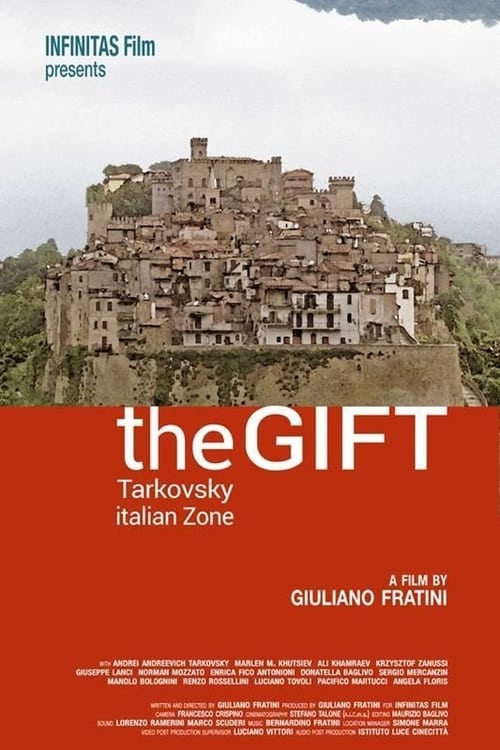
After the release of "Nostalgia", Andrei Tarkovsky runs out his Soviet authorities permission to work abroad: he has to go back home. But he understands from the messages of some friends and colleagues that his life in Russia would be even tougher than before. So he then decides to break with Soviet authorities and, a year before the Milan Conference of 1984 during which he will announce publicly his decision, he leaves his friends that are hosting him in Rome and takes refuge in a secret location.
The Gift

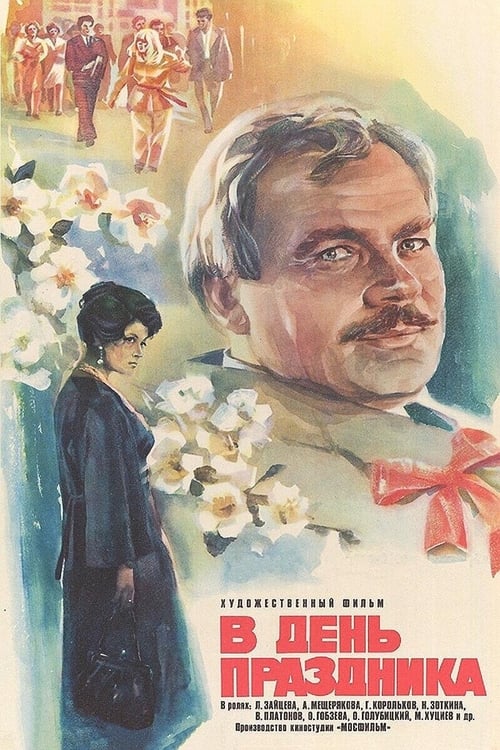
About one day of a large mining family. In the center of the picture is a veteran, a former miner, and now a pensioner Panteleimon Dmitriyevich Grinin, who on Victory Day decided to introduce children to his “lady of the heart” hairdresser Zinaida. The action lasts only a day, but a lot happens during this time with the sons, daughters-in-law, daughter and Zinaida...
On the Day of the Holiday

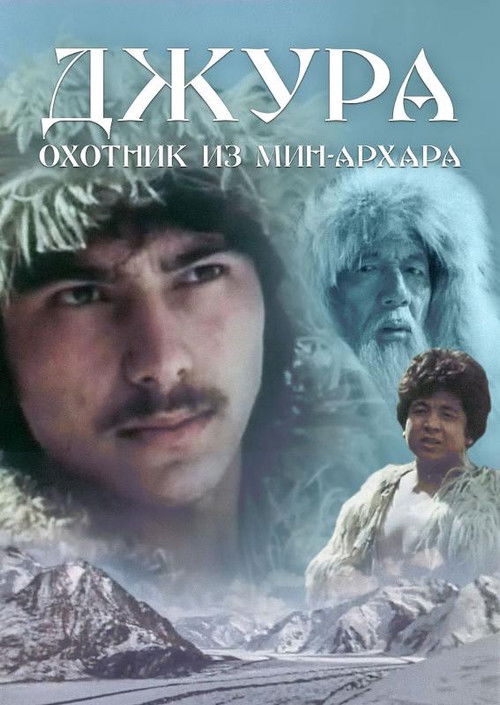
No description available.
Dzhura - Hunter from Min-Arkhar

A young man is forced to spend a few days with his father in law.
Postscript

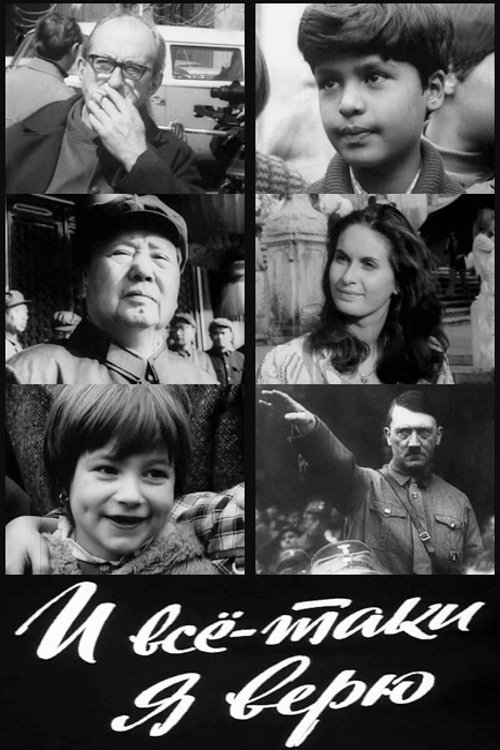
Originally called World '68, later retitled The World of Today Romm’s film was conceived as an impassioned, large-scale essay on the origins of the 20th century and the subsequent reality the disappointed director felt slipping away from him. The film itself slipped away from him and was left unfinished at the time of his death. His younger colleagues, Marlen Khutsiev, Elem Klimov and German Lavrov, completed the film from the elements he left behind in addition to segments from Ordinary Fascism, closing the film with Romm’s ultimately optimistic outlook: "And still I believe that man is sensible..."