Acting
No description available.
French silent film pioneer Abel Gance directs this 1935 classic about Lucrezia Borgia, her brother, Cesare. and her father, Pope Alexander VI -- one of history's most ruthless and ambitious crime families.
The film follows the life of Napoleon from his early life in Corsica to his death at Saint Helena. The film is notable for its use of location shooting for numerous scenes, especially at the French estates of Malmaison and Fontainebleau, the Palace of Versailles, and sites of Napoleonic battles including Austerlitz and Waterloo.
This murder mystery is set in a Parisian cafe and examines the mysterious murder of a famed journalist and extortionist who is killed at his table in the cafe. Though the prime suspects are gathered together( including his wife and her lover, the gun-runner, the creditor, and a playboy) and all of them have motives, none of them did it. So whodunit?
The story of the Swiss soldier, Henri Dunant, who was responsible for the founding of the Red Cross, and who was offered the first Nobel Peace Prize.
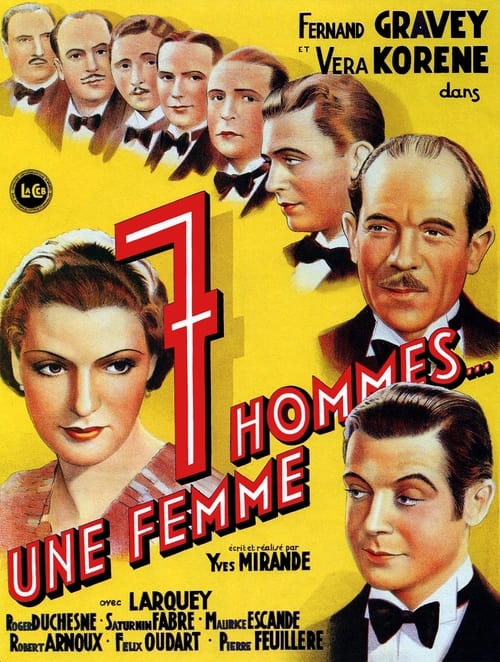
At the urging of her childhood friend Brémontier, Lucie de Kéradec, a wealthy widowed countess who wishes to remarry, invites all of her seven suitors to her mansion. Her untold intention is to test them by claiming to be ruined. The experience is a success in that each of the potential husbands reveals his inner nature but a failure when it comes to finding a new life partner. None of the guests passes the test except - the eighth man, namely Brémontier who loved Lucie in secret but, being penniless, had not dared declare his flame to her.
A beautiful widow gambles away her fortune at baccarat and is forced her to sell her jewels and ask Victor for hospitality. Victor tries to seduce her but she loves the shy Gaston.
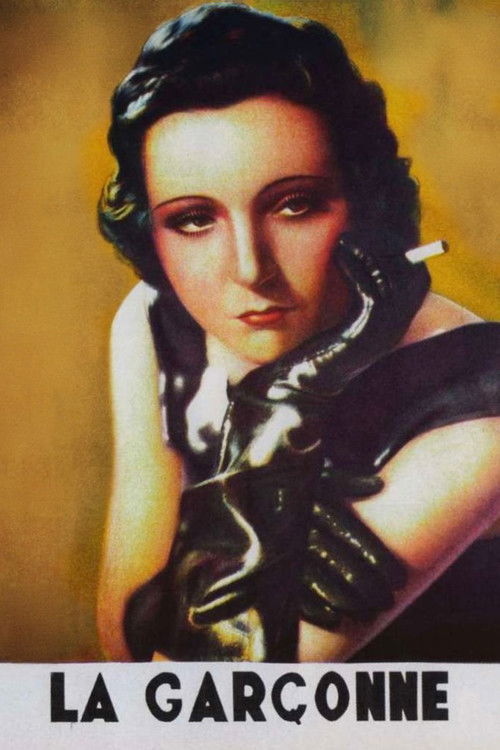
The eponymous garçonne or flapper is Monique Lerbier, an emancipated French woman who leaves home to escape a marriage of convenience to a man she does not love which her parents have forced on her. She then falls into all sorts of carnal temptations and artificial pleasures previously unknown to her. These include her being seduced into a lesbian love affair by a chanteuse.
Simone has been brought up by her widowed father and Hermance, the old governess. She loves her father and worships her dead mother. But nobody has ever told her about the strange circumstances in which her mother lost her life. In fact, fifteen years earlier, following a hunting party, Mme de Sergeac had been found in her bedroom, killed by gunshot. Beside her, her husband, wounded and unconscious. Now Simone is fifteen. She is in love with Michel Mignier, but she still does not know the truth. It is Hermance, the governess, who will the reveal the whole thing ...
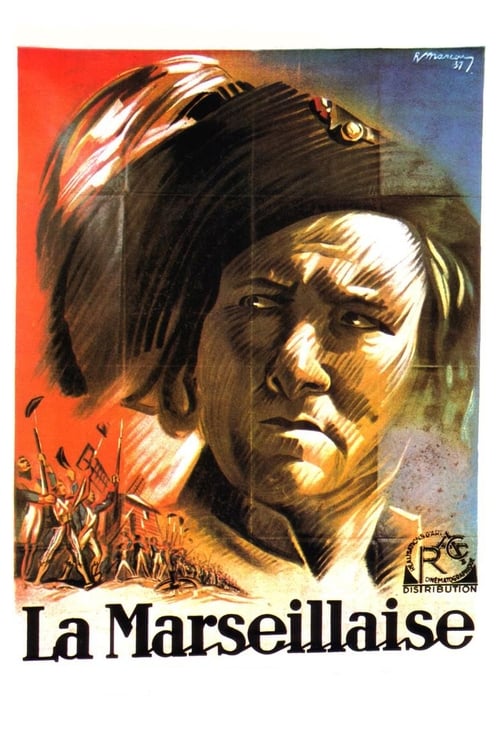
The early days of the French Revolution, as seen through the eyes of the ordinary citizens in Marseille and the royal court, including King Louis XVI and Marie Antoinette.
Fictionalized biography of the sculptor Bartholdi.
Claude is a young man whose girlfriend has just broken up with him. Feeling unable to overcome the pain, Claude has no other idea than to end his life. Back home, he finds five middle-aged or elderly men sitting at the dinner table but he refuses to join the guests and goes upstairs to his bedroom. The worst is prevented thanks to a servant who has caught sight of Claude's revolver. Claude 's uncle joins his nephew and manages to persuade him not to take action. He takes him downstairs to the dining room where each in turn, the five guests start telling their own story. For it happens that they too once had their heart broken and that they too once wanted to die for love.
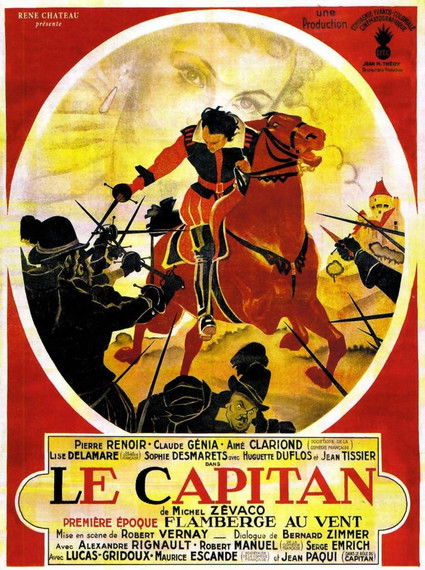
France under Louis XIII. 1615. The Duke of Angoulême is at the head of a group of gentlemen who are conspiring to drive the Florentines out of court, of whom Concini is the all-powerful leader. A cadet from Gascony, Adhémar de Capestang, who was later to become the Capitan, left his native province to come and try his luck in Paris. Along the way, he saves a young girl, Gisèle d'Angoulême, from a masked individual who wanted to kidnap her.
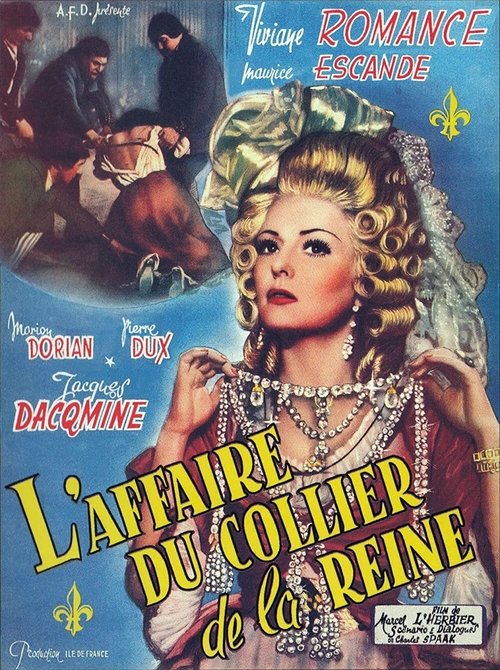
The adventurer Jeanne de Valois-Saint-Rémy, descendant (by the left hand) of the king of France Henri II, and who claims to be "Countess de la Motte", imagines a tortuous plan to steal a magnificent diamond necklace that the queen Marie-Antoinette refused to buy from the jewelers Boehmer and Bassange.
Dora Nelson, a famous actress, leaves both her husband Philippe de Moreuil and the role she was playing in a movie directed by Nivert, to follow her lover Santini in Italy. But she soon realizes that Santini deceives her with a girl named Elsa. In vexation she decides to return to her husband and to her career. Unfortunately for her, Suzanne Verdier, a little working girl, has in the meantime replaced her not only in the film she had left unfinished but in her husband's heart as well. Dora eventually understands she must step aside.
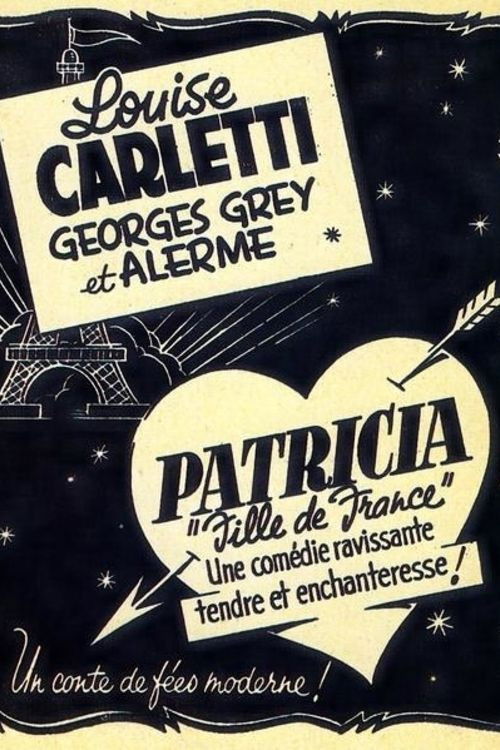
Mademoiselle Bressac is a bossy spinster who manages "Le Clos", her estate, with an iron hand. But is she really a bad person? Her manners are abrupt but they only hide a heart of gold. Doesn't she bring up four orphans, Dominique, Fabien, Chantal and Jean? And as if it were not enough, she has accepted to educate another child, her niece Patricia, entrusted to her care by her irresponsible father. Thanks to her, the five young people have grown up in harmony and now they are about to find their place in society. Two of them, Jean and Patricia, who love each other, live only for the estate.
Although Pierre is married, he is in love with his sister in law Marianne, while he is loved by his cousin Agnés, a spinster. Marianne loves him but she prefers to marry Rémy, and ultimately Agnés leaves Pierre to his wife and kids.
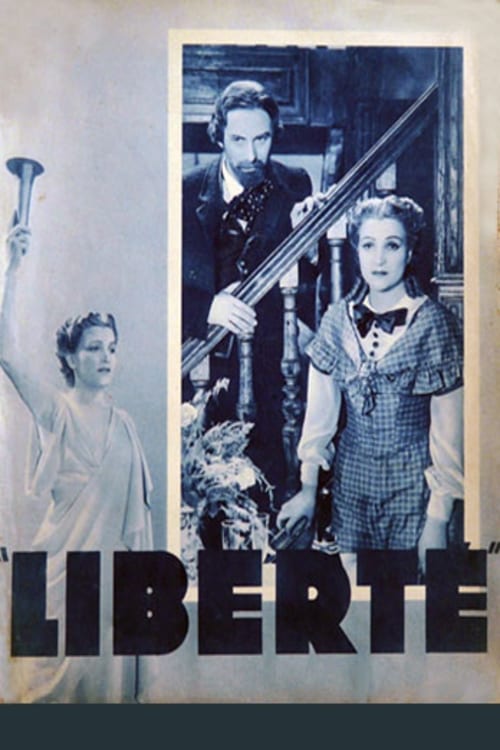
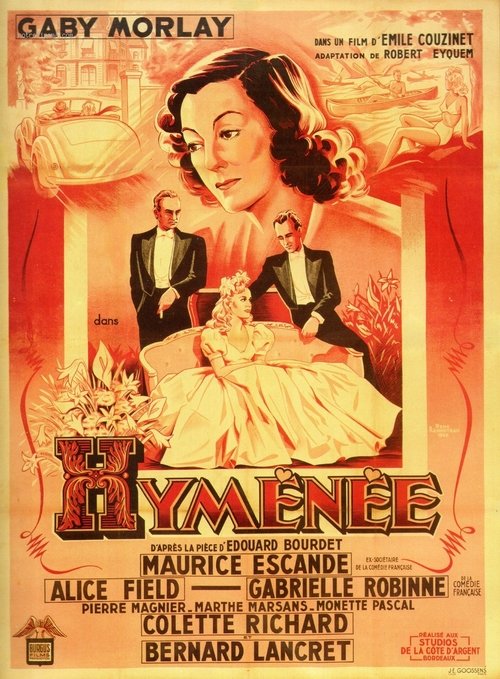
A wealthy man's wife dies in a car crash; she is survived by him and their daughter. The father learns that he's not her biological father.