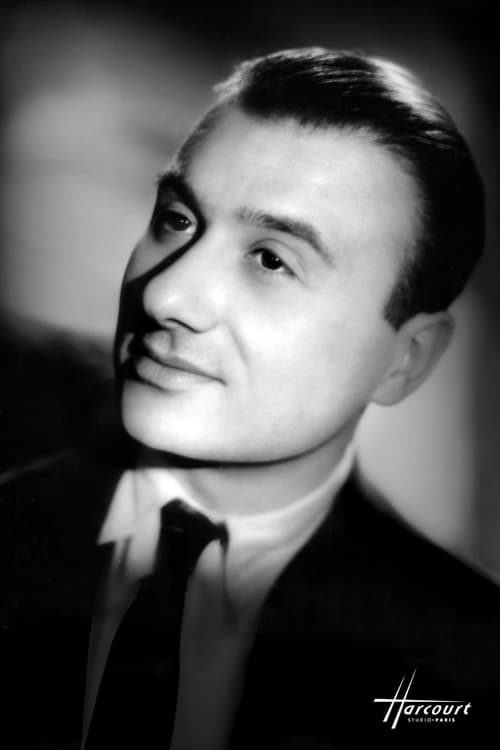
Louis Daquin
Directing
Biography
Louis Daquin is a French director and screenwriter, born May 30, 19081 in Calais and died October 2, 1980 in Paris, in a family of small traders. Law graduate and graduate of HEC, after having been a journalist, advertising editor at the Renault factories, and having tried his hand at theatrical writing, Louis Daquin, Louis Léon Auguste Daquin of his full name, became assistant director in 1932, he worked notably with Fedor Ozep, Pierre Chenal, Julien Duvivier, Abel Gance and especially Jean Grémillon. He produced his first film in 1938 with the French version of Gerhard Lamprecht's film Le Joueur. He made several feature films during the Occupation, while he was engaged in the Resistance with the French Communist Party, on whose behalf he shot a short film after the Liberation. He also wrote in 1941 a detective novel, The Enigma of Pelham, under the pseudonym of Lewis MacDakin. He held several positions during his career: secretary general of the Committee for the Liberation of Cinema in 1944, co-founder of the General Cooperative of French Cinema, secretary general of the CGT Film Production Technicians Syndicate from 1945 to 1962, and president of the Société des Réalisateurs de Films (SRF) from 1977 to 1978. The General Confederation of Labor (CGT) commissioned a documentary from him on the great miners' strike of 1948, in full strike, with commentary by Roger Vailland. Louis Daquin also offers his first major film role to Michel Piccoli, in "Le Point Du Jour", a chronicle again devoted to the life of miners in the North. Despite some noticed films, he encountered difficulties from the 1950s to finance his projects. His political commitments are indeed worth to him to be progressively marginalized. An adaptation of "Bel-Ami" was thus cut to pieces by censorship in the second half of the 1950s. He left to shoot in Romania "Les Chardons Du Baragan" in 1957, based on the novel by Panaït Istrati, East Berlin, an adaptation of "La Rabouilleuse", by Balzac. In 1962, he was content to be production manager on "Paris Brûle-T-Il?" by Rene Clement. He made his last film in 1963, "La Foire Aux Dunces". He began another career, in 1970, as director of studies at the Institut des Hautes Études Cographiques, until his retirement in 1977. Louis Daquin was married to actress Clara Gansard with whom he had two children, Jean-Michel and Marc Daquin. He was the natural father of the militant Trotskyist Michel Recanati. He disappeared on October 2, 1980 in Paris. The municipal cinema of Blanc-Mesnil (Seine-Saint-Denis) will bear his name. The municipal theater of La Ricamarie (Loire) is called Salle Louis-Daquin. In Oissel (Seine-Maritime), a street bears the name of Louis-Daquin.

Known For

A married tugboat captain falls for a woman he rescues from a sinking ship.
Stormy Waters

Lyrical biography of the classical composer, depicted as a romantic hero, an accursed artist.
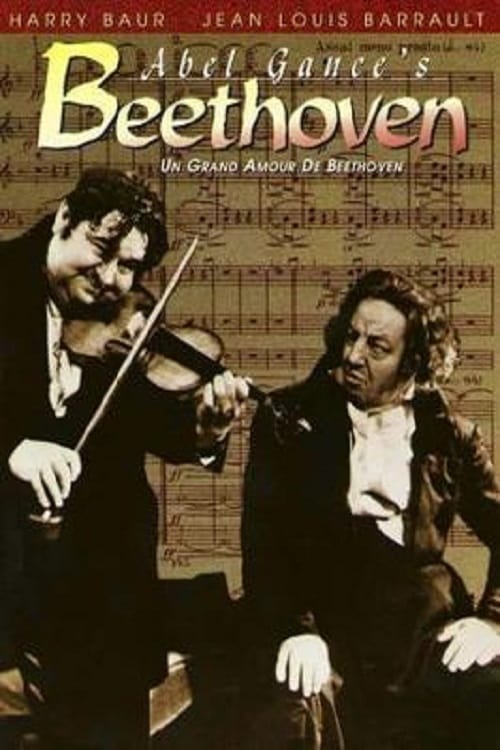
The Life and Loves of Beethoven

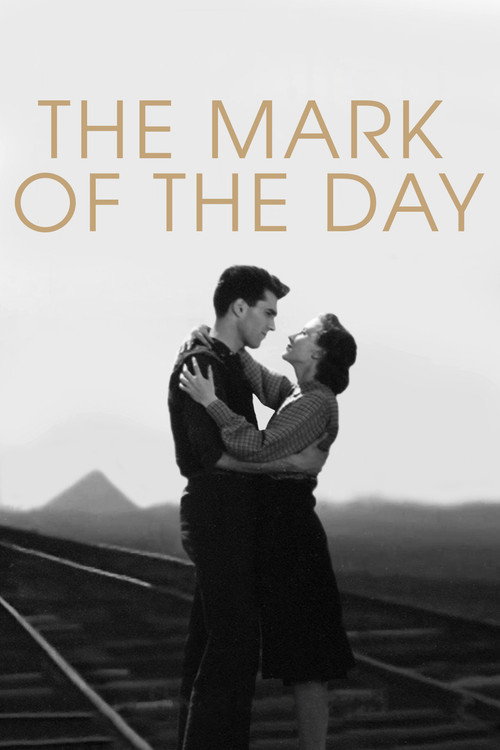
In a settlement in the northern mining country. The Marles, Bréhard and Gohelle families wake up and prepare for a new day at work. The young engineer Larzac, newly appointed to the mine, will soon oppose the authoritarian and conservative methods of his superior Dubard. Georges Gohelle would like to marry Marie Bréhard, but housing difficulties thwart their plans. Brezza, a Polish immigrant, who must return to his country, would like to hate his marriage to Louise Gohelle. Roger, Marie's little brother, has just turned 14. He does not want to go down to the mine as his elders have always done. He will however have to resign himself to it. Marles evokes for him the social struggles of 1906. Roger is injured during a landslide. In front of his family and his friend Marles, who had come to the hospital, he announced his decision to continue his profession. Larzac, invited to the Marles, reveals that he refused a quiet position at the Charbonnages de Paris. He too stays.
The Mark of the Day

Mathilde Stangerson just married her fiance, when she heard that Larsan, her cruel former husband, whom she believed to be dead, is actually very much alive. Taking refuge to her castle, she appealed to the journalist Rouletabille to protect her.
The Perfume of the Lady in Black

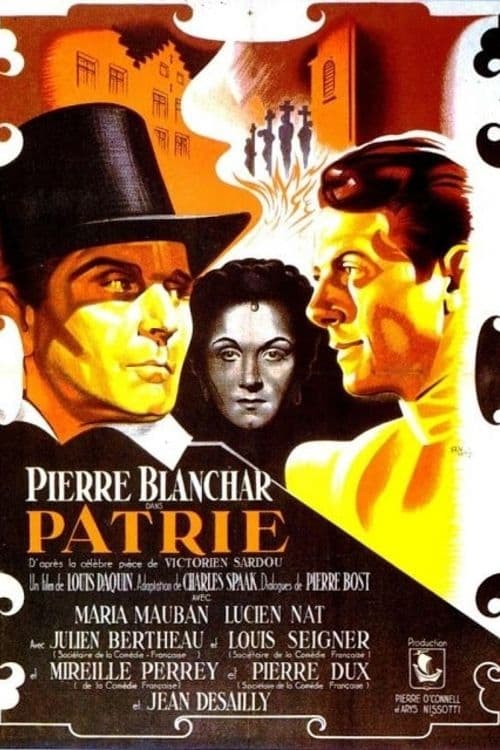
Brussels in the year 1568, as the Flemish people are fighting against the tyranny of the Spanish occupiers. Led by Count de Rysoor, the revolt against the ruthless Duke of Alba, is meant to help Prince William of Orange to get into the city and come to power. Now, the count's lieutenant, has an affair with Elisabeth, Rysoor's wife. For the time being, the count, who thinks of his homeland first, turns a blind eye. But such a relationship might well undermine the whole rebellion movement.
Homeland

No description available.
Le Parti du cinéma

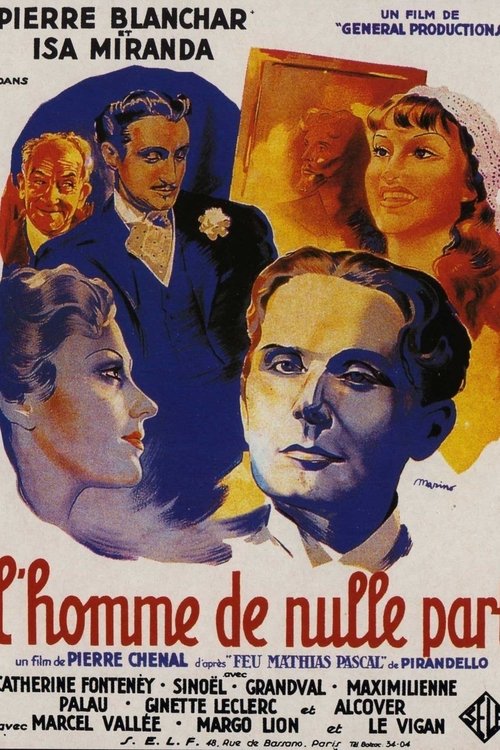
Mathias Pascal, saddled with a stupid wife and a nagging mother-in-law, leaves home and is extremely lucky at several gambling resorts. He returns home and discovers that a drowned man, fished out of the river, bears an uncanny likeness to him and is being buried by his family as him. This, to him, is a pleasant turn of events and he goes to Rome, where he falls in love with Louise Paleari. Count Papiano, a jealous suitor of Louise's, threatens him with arrest unless he produces credentials to prove his identity.
The Man from Nowhere

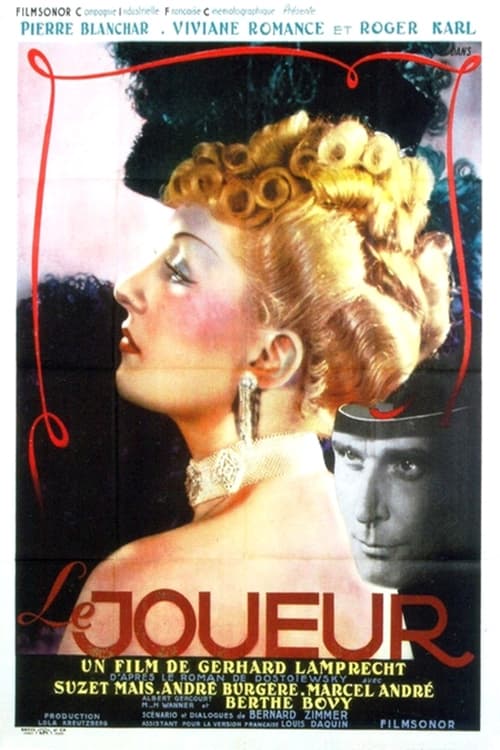
Drama in a small German water town where various characters clash against a backdrop of money, gambling and love.
Le Joueur

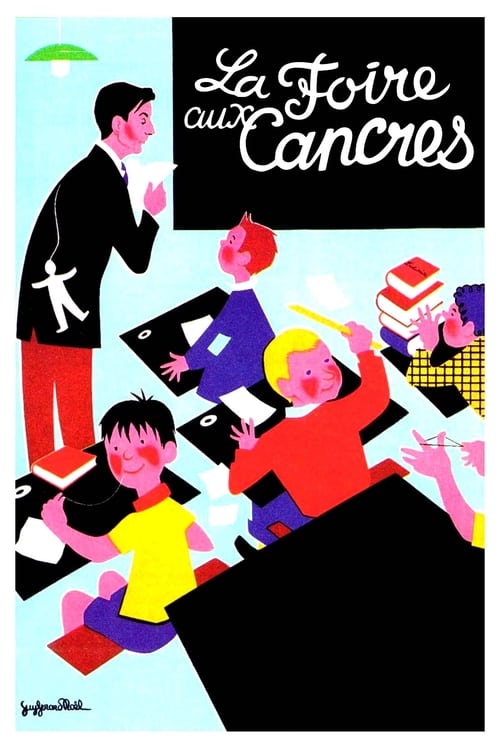
On prize-giving day, a few dunces recall various incidents that marked their school year.
The Blockhead Fair

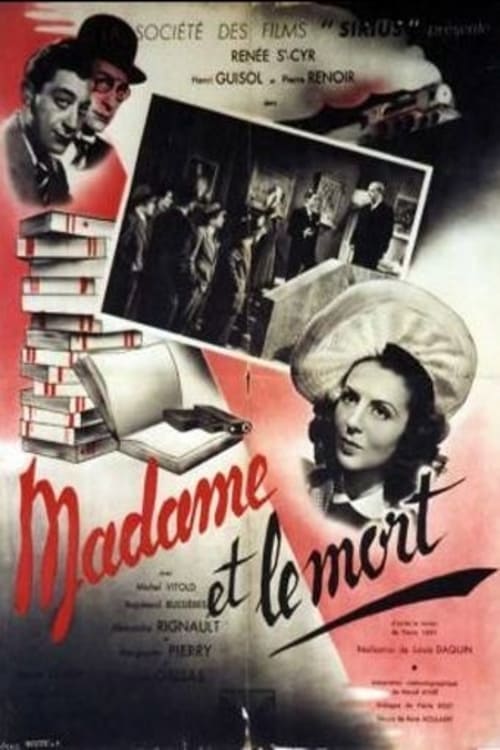
A person who had usurped the identity of a famous writer of detective stories was killed in the train. Why and by whom?
Madame et le mort

The title translates as Fools of Bărăgan, in reference to a band of beleaguered feudal Rumanian peasants. But these are no fools: instead, they are fearless freedom fighters, organizing a brave (though foredoomed) revolt against the tyranny of the landowners. The parallels drawn between the people of Bărăgan and Russia's revolutionary leaders are all but impossible to miss. It would have been nice, however, if the story had not been told in such a heavy-handed, spell-it-all-out fashion.
The Thistles of The Bărăgan

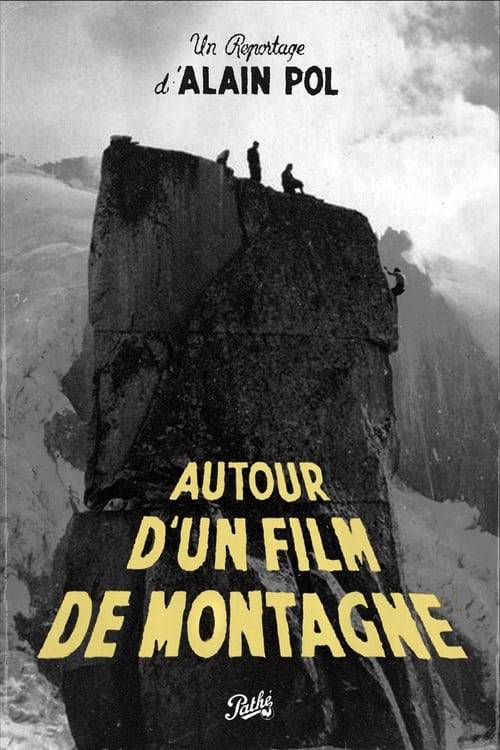
Making of the cinematographic shooting of "Premier de Cordée" directed by Louis Daquin in the Mont-Blanc massif. In 1943. Alain Pol films the risky adventure of filming in the high mountains with a team of seventy people. The images of the making-of reveal the technical constraints encountered by the actors and technicians: falling rocks, crossing glaciers and long approach walks at altitude to the filming locations. Six actors and technicians will also be injured and the main role - that of Pierre - will be reassigned to André Le Gall following a bad fall by Roger Pigaut.
Autour d'un Film de Montagne

A young man comes back to his hometown to be confronted with a bourgeois obnoxious family who has always despised his -now dead - parents because they were music hall artists, "entertainers". But because he's the sole legatee of an uncle's fortune, his relatives become friendly with him.. at least for a while.
Le Voyageur de la Toussaint

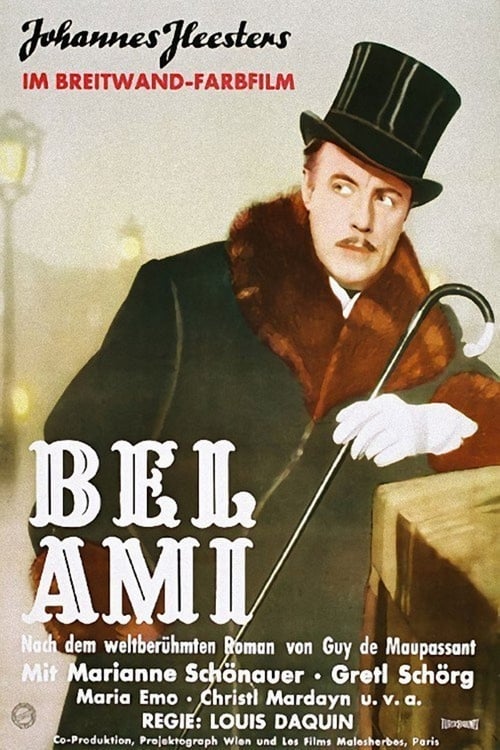
In the 1880s, Georges Duroy, back from the Colonies, arrives in Paris with the firm intention of conquering the capital through his power of seduction, his selfishness and cynicism. Entering into journalism through the back door he will soon rise to the top with the support of several women: Madeleine Forestier, the wife of his journalist friend Charles; Clothilde de Marelle, his first mistress; Virginie Walter, the wife of a newspaper owner; Suzanne Walter, her daughter who eventually marries Duroy.
Bel Ami

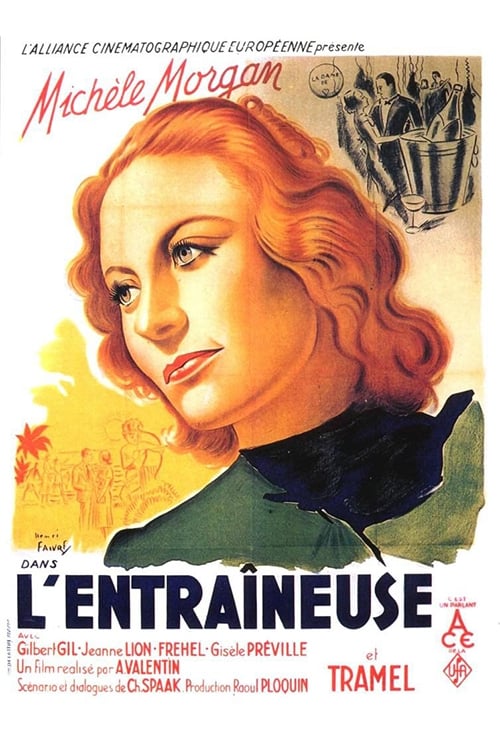
The young Suzy is a nightclub hostess in a cabaret in which Frehel is the star. Because one night she gets propositions from a rich widower who would like to have her as his girlfriend, Suzy wishes to leave this place, where she has no future, for a better one. Abandoned by her protector, a young hoodlum named Robert, she gets the occasion to get away from it. She decides to go on vacation on the Riviera and stay at the Chateau des Cedres, the former residence of a noble family that has been transformed into a bourgeois guest house by the baroness Saint-Leu. Shy and elegant, in her modest suit, Suzy stays there under the name of Suzanne Michelet and soon makes new friends among the young people of very wealthy families.
Nightclub Hostess
It starts with the discovery of a woman's corpse, then gradually reveals the past of this woman as well as the police investigation which follows the discovery.
Léa in Winter

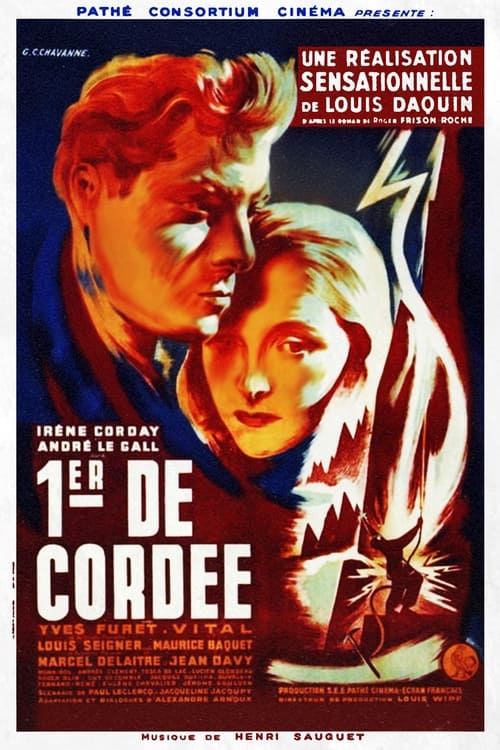
A screen adaptation of the well-known novel by Roger Frison-Roche about the harsh lives of mountain guides and their families in the French Alps, near Chamonix and the French/Swiss/Italian borders... Like his father, Zian Servettaz is a dedicated mountain man. His Italian-born wife Bianca does not adjust well to his mountain village in France, and to the ever life-threatening dangers presented by his mountain guiding and climbing. She briefly returns to Italy and to her family. However, after Zian's insistence and trip to Italy, she returns to mountain life in the French Alps. Once back there, events will unfold, changing their lives as well as those of other mountain people forever.
First in Line

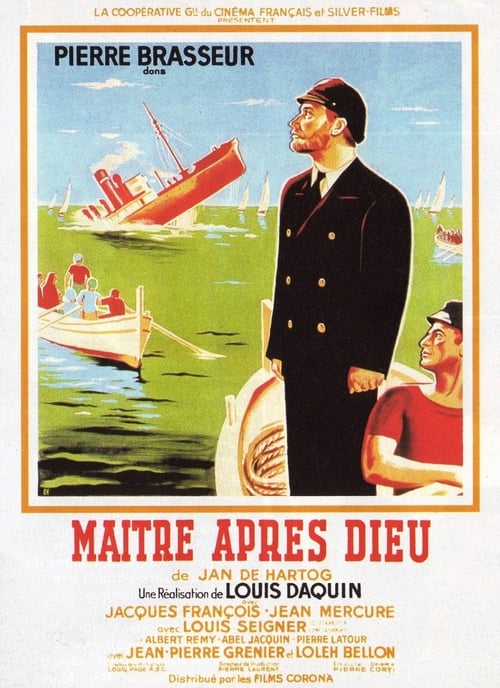
Captain Joris Kniper believes so strongly that he is "skipper next to God" that he is used to playing God on his ship. Tough and bossy, he gives orders which are not to be discussed. But, some day, he is driven to accept on board several German Jews fleeing the nazis and who are refused asylum everywhere. He gradually realizes that skipper he is, but next to God only.The Bible will help him to find the way to self-questioning, awareness and charity.
Skipper Next to God

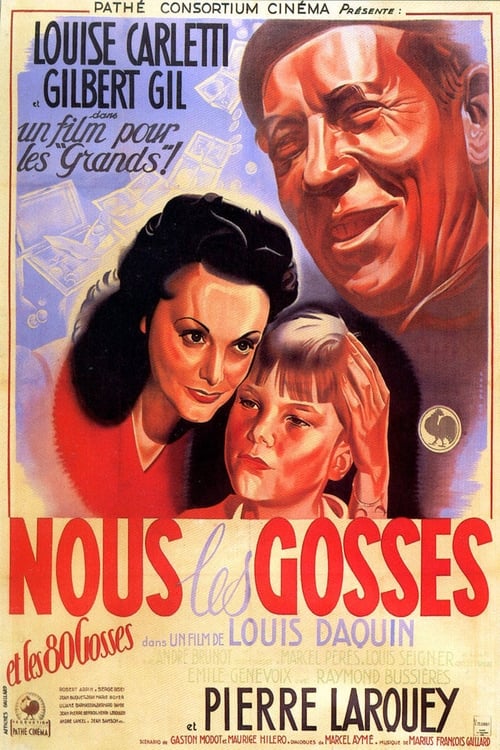
A student from an elementary school accidentally breaks the glass roof of his school. His comrades decide to support it by working during the summer holidays in order to pay for reconstruction.
Portrait of Innocence

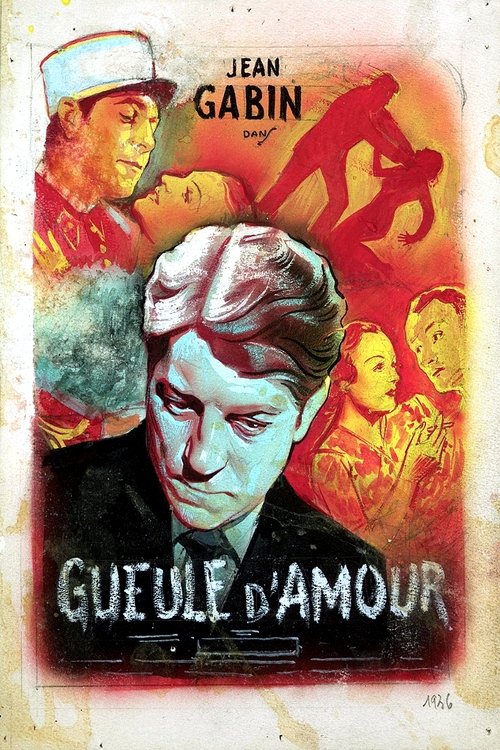
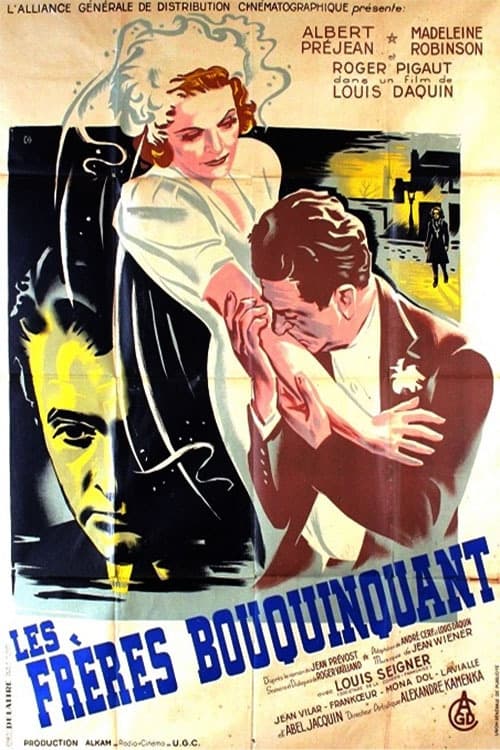
Lucien Bourrache, a good looking non-commissioned officer at the Spahis, is used to charm many women. He met Madeleine Courtois at Cannes. She is beautiful and lives in luxury. He lends her a large amount of money, which she loses gambling. Then she drops him. But Lucien is now in love, and once demobilized, he goes to Paris to find her again. But he's not so sexy without his uniform, and Madeleine and him do not belong to the same milieu.