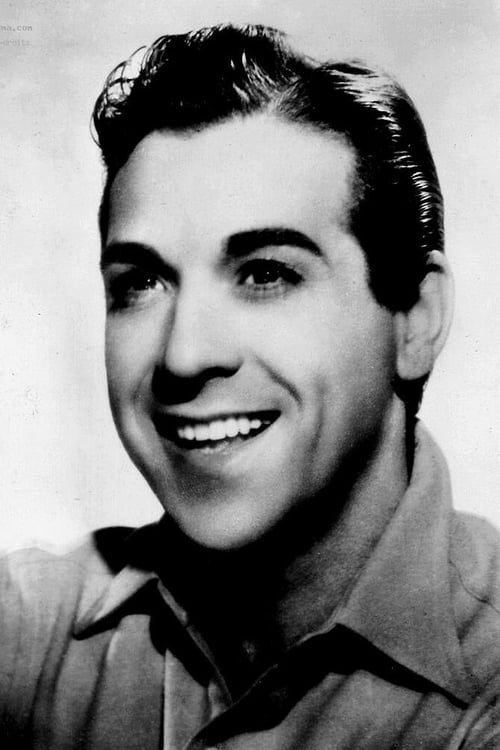
Luis Mariano
Acting
Biography
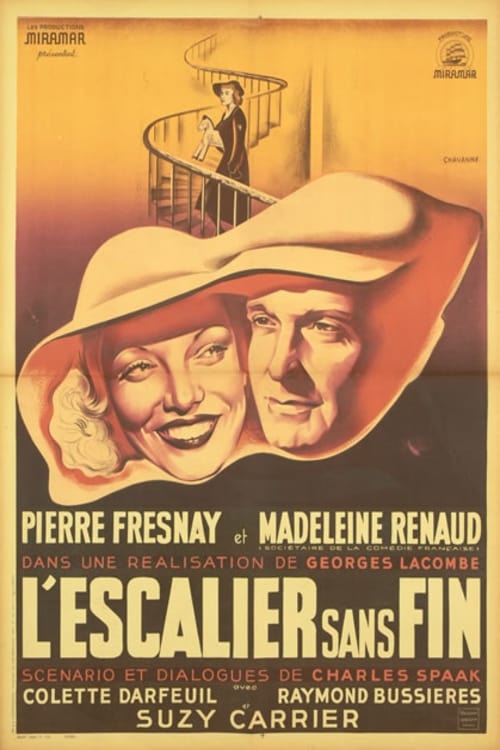
Luis Mariano Eusebio González García (13 August 1914 – 14 July 1970), also known as Luis Mariano, was a popular tenor of Spanish origin who achieved celebrity in 1946 with "La belle de Cadix" ("The Beautiful Lady of Cadix") an operetta by Francis Lopez. He appeared in the 1954 film Adventures of the Barber of Seville and Le Chanteur de Mexico (1957) and became popular in France as well as his native Spain. Luis Mariano was born in Irun, Spain on 13 August 1914, the son of a garagiste and taxi-driver and showed interest in singing as a child. His family moved to France at the start of the Spanish Civil War and settled in Bordeaux where he studied at the Conservatoire, and also sang in cabarets. Jeanne Lagiscarde, who was in charge of the classical department of a record store in Bordeaux, took Mariano under her wing, and gave up her job to nurture his talent in Paris. To earn a living, he sang in stage shows and appeared in films, starting with 'L'escalier sans fin' in 1943. That year he auditioned for the role of Ernesto in Don Pasquale, and sang in the opera at the Palais de Chaillot and later at the Théâtre des Variétés, with Vina Bovy, recording excerpts from the opera. He also left many recordings of popular song and operetta. He continued to appear in other films from 1946, including a singing role in Napoléon and a film adaptation of Lehar's Der Zarewitsch. In his encyclopedia Gänzl describes Mariano as a "svelte singing idol of French operetta of the post-war stage and screen". Mariano died in Paris in 1970. His music is featured prominently in the 1996 Belgian film Le huitième jour in which he is played by Laszlo Harmati during scenes employing magical realism. In 2014, French baritone David Serero recorded an album with Mariano classics performed in a Jazz version for the 100th anniversary of his birth: David Serero chante Luis Mariano – jazz version. Source: Article "Luis Mariano" from Wikipedia in English, licensed under CC-BY-SA 3.0.

Known For

No description available.
Champs-Elysées

The Ed Sullivan Show is an American TV variety show that originally ran on CBS from Sunday June 20, 1948 to Sunday June 6, 1971, and was hosted by New York entertainment columnist Ed Sullivan. It was replaced in September 1971 by the CBS Sunday Night Movie, which ran only one season and was eventually replaced by other shows. In 2002, The Ed Sullivan Show was ranked #15 on TV Guide's 50 Greatest TV Shows of All Time.
The Ed Sullivan Show

A talk show presented by Michel Drucker
Les Rendez-vous du dimanche

No description available.
Discorama
No description available.
Système 2

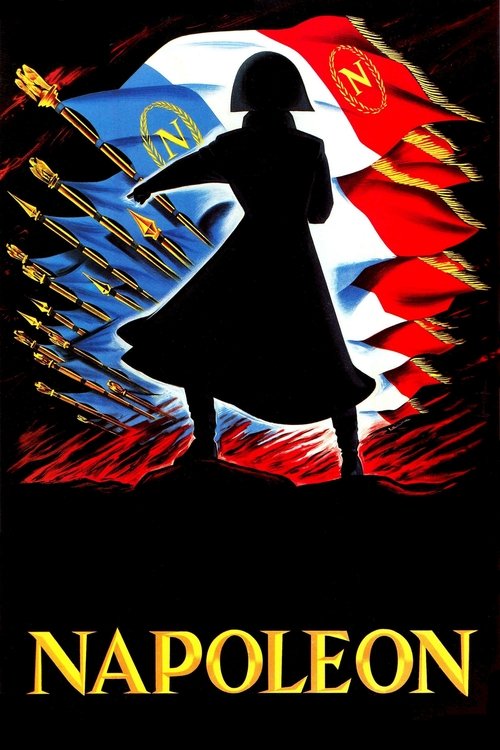
The film follows the life of Napoleon from his early life in Corsica to his death at Saint Helena. The film is notable for its use of location shooting for numerous scenes, especially at the French estates of Malmaison and Fontainebleau, the Palace of Versailles, and sites of Napoleonic battles including Austerlitz and Waterloo.
Napoleon

Having fallen out with his girlfriend Dolorès, Juanito leaves for Mexico, where he becomes a famous matador.There he meets a Viennese singer, Fanny Miller, who falls for him so much so that she intercepts the letters Dolorès keeps on sending him. In desperation, Dolorès devotes all her time and efforts to dance and she becomes the celebrated dancer Estrellita. After a series of misunderstandings and ups and downs, the sun of Andalusia will finally reunite the two lovebirds.
Andalusia

Vincent Etchebar is spotted by the impresario Cartoni who gives him the opportunity to break into Paris. But nothing will go as planned.
The Singer from Mexico

Charming and innocent, Candide is vigorously chased away by the Baron, for his close encounters with the pretty Cunégonde. World War II breaks out, and when he is drafted and taken prisoner, he is forced to take German nationality and ends up guarding the camp where he was imprisoned. He crossed into Switzerland, but as he had no bank account, he was incarcerated for eight days for trespassing. Hunted by the Gestapo, he kills two men to free Cunégonde, who has finally been found. They both flee to Argentina, and their world tour begins. In Paris, Moscow, New York, Borneo and Alexandria. They try to follow Dr. Pangloss' optimistic rule of life. Tossed about, separated, they find themselves grown old and wiser, thinking only of cultivating their garden on the shores of the Mediterranean.
Candide or The Optimism in the 20th Century

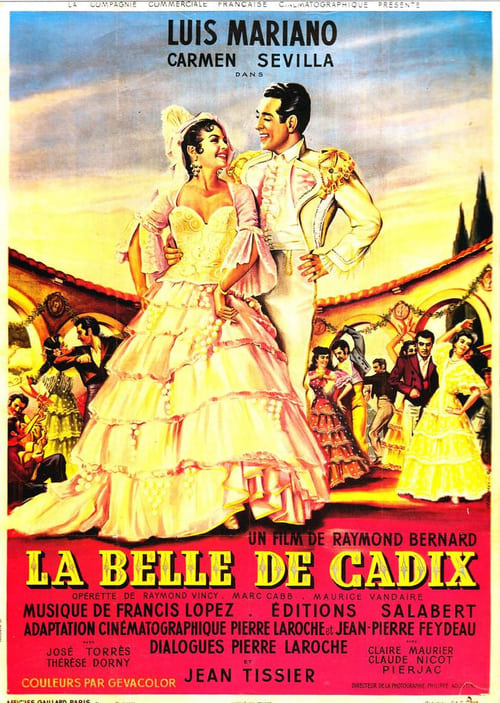
A group of French filmmakers travel to Andalucia for film a movie titled" Beauty of Cadiz". It stars are Carlos, a famous heartthrob, and an unknown gypsy named Maria-Luisa.
La belle de Cadix

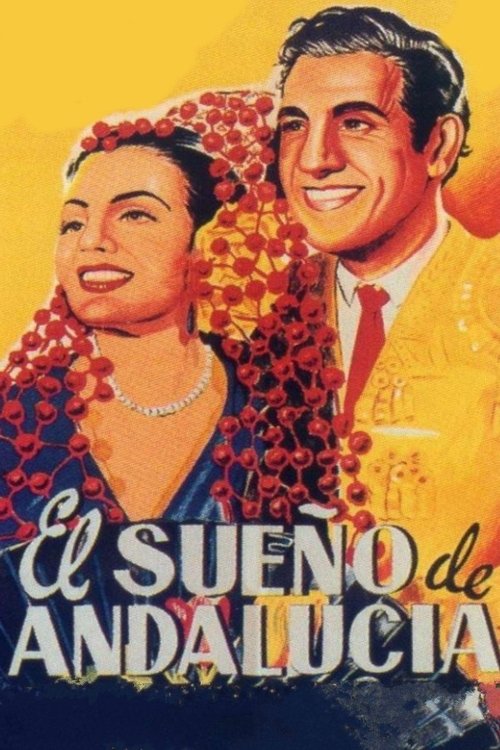
Juanillo is in love with Dolores, the daughter of the owner of an inn. He likes to sing, she likes dancing. After the village festivals, where Juanillo has acted as a bullfighter and Dolores has performed, he has been hired as bullfighter for a tour in America. They exchange vows, but their letters will be intercepted.
El sueño de Andalucía

The announcement of the future marriage of Franck Reno, the star singer, causes considerable excitement around the world.
Not Any Weekend for Our Love

Music seller and singer on occasion, Jacques Gardel learns from master Jérôme Quilleboeuf that he inherits oil fields located in Big Bend in Texas.
Serenade of Texas

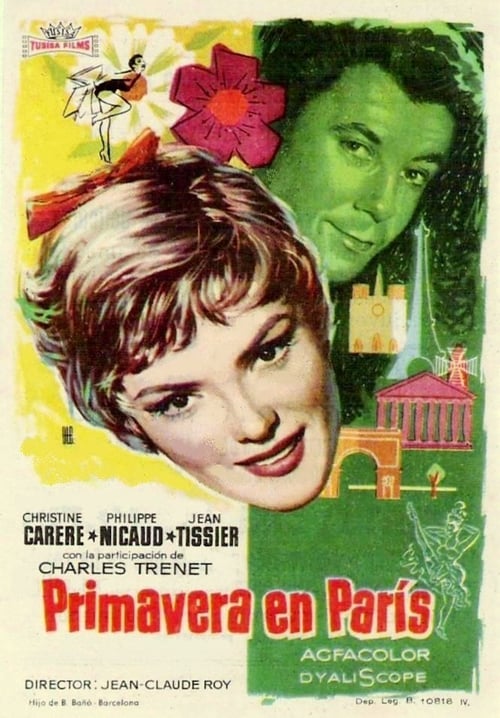
On her way to Paris, Gisèle meets a young motorist who offers to be her guide. Gisèle, suspicious, refuses and disappears. But Pierre finds her and takes her to dinner at Saint-Germain-des-Prés. On the other hand, Gisèle, out of jealousy, goes off on her own to visit "Paris by Night", showing us some of the attractions of the "Moulin Rouge", "Naturistes", "Rock and Roll", etc., etc., etc. Pierre pursues her and eventually discovers her hotel. The next day, he takes her for a walk around Paris. They dine at an inn where a supposed car breakdown forces them to spend the night. There was only one room, but the virtuous Gisèle locked Pierre in the bathroom. All ends in the most honest engagement in the world.
Springtime in Paris

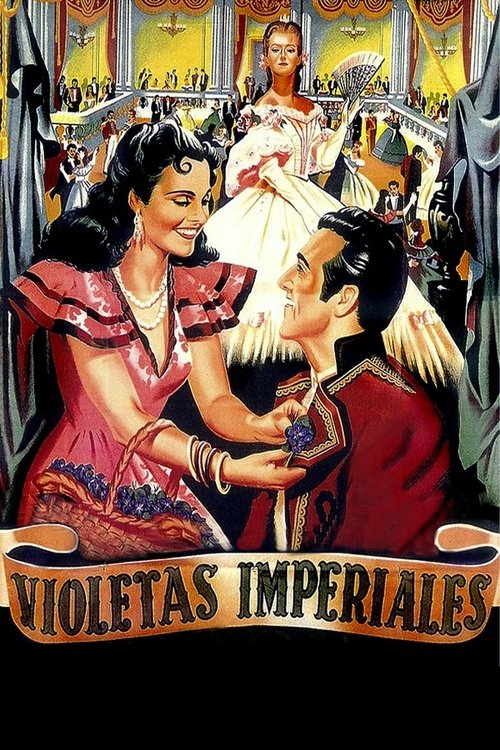
Violeta, an Andalusian gypsy, foretells a lady she will become empress. The lady is Eugenia de Montijo, and when she marries emperor Luis Napoleón of France she takes the young girl with her. The empress'cousin readily makes her his focus of attention, then she discovers a criminal attempt against the empress.
Imperial Violets

Bandits kidnap Figaro, the famous barber of Seville, and use his wonderful voice to attract travelers and rob stagecoaches. Because of this, the police chases him as an accomplice of the bandits. Then Figaro decides to join the army as a volunteer to fight in Puerto Rico. He returns covered with glory and his faults are condoned. However, the adventures of Figaro continue in Seville in the false scene of the aristocracy
The Adventurer of Seville

In a Central American state, the owner of a dance hall and his sponsor engage in drug trafficking. Are involved in various intrigues, a gypsy orchestra, its singer, the sister of the conductor, some policemen. Imprisonment and death are at the end of the adventures.
Secret Cargo

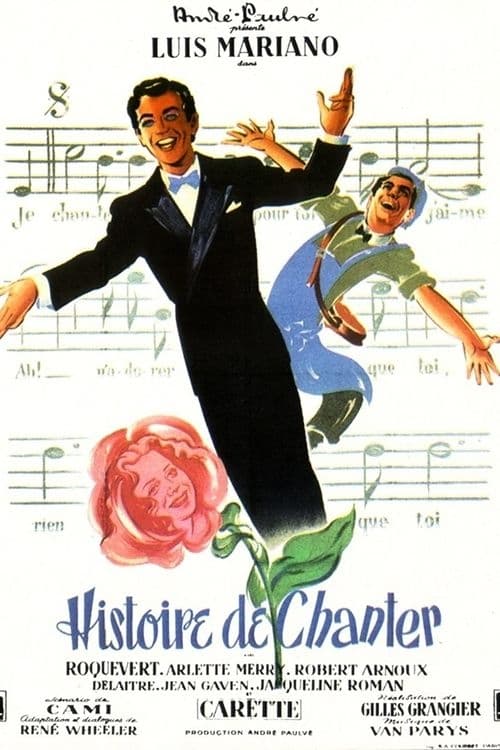
Gino Fabretti is a famous Italian tenor. During a tour in Nice, he begins a relationship with the wife of a renowned doctor. The doctor traps and drugs him and replaces his vocal cords with those of Robert, a delivery boy in a grocery store. Robert wakes up with the voice of Gino and Gino with that of Robert (including accents and mannerisms!). The unfaithful wife despises the tenor without his voice and becomes more interested in the grocer.
History of Singing

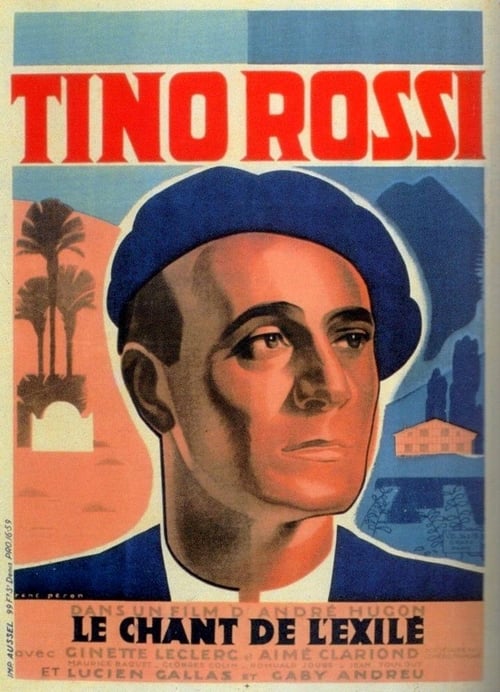
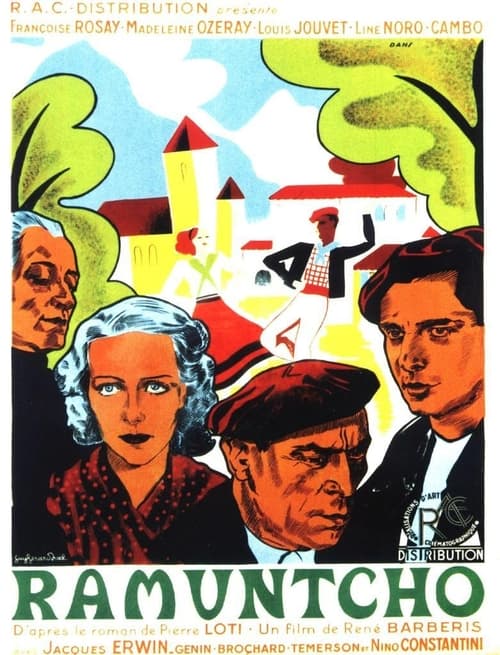
In the French Basque Country, Ramon, the son of a farmer and fruit and vegetable merchant with a beautiful voice, has the good life. He is engaged to his charming cousin Maria. But his daily life is called into question when, during a fight, he believes he has killed a bad boy. He flees to Algeria where, with a friend, he joins the Saharan Pioneers.
Le Chant de l'exilé

Ronaldo, a singer with the growing reputation dedicating himself body and soul to his art, sacrificing his marriage.