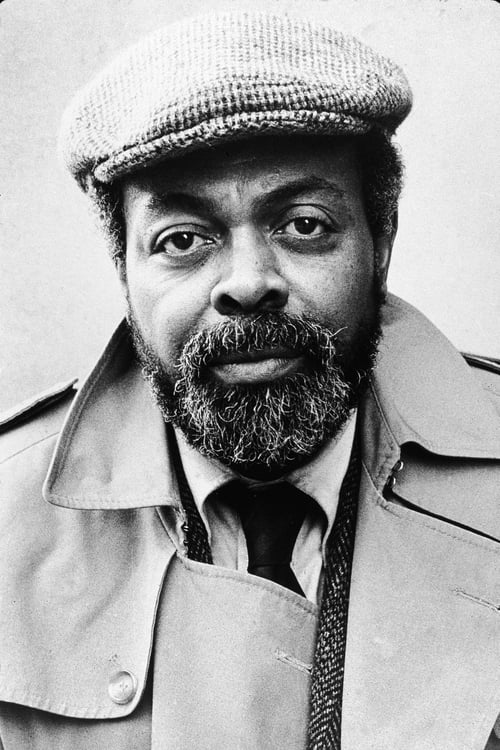
Amiri Baraka
Writing
Biography
Amiri Baraka (born Everett LeRoi Jones October 7, 1934), formerly known as LeRoi Jones and Imamu Amear Baraka, is an African-American writer of poetry, drama, fiction, essays, and music criticism. He is the author of numerous books of poetry and has taught at a number of universities, including the State University of New York at Buffalo and the State University of New York at Stony Brook. He received the PEN Open Book Award, formerly known as the Beyond Margins Award, in 2008 for Tales of the Out and the Gone.
Known For

ER explores the inner workings of an urban teaching hospital and the critical issues faced by the dedicated physicians and staff of its overburdened emergency room.
ER

The best in the performing arts from across America and around the world including a diverse programming portfolio of classical music, opera, popular song, musical theater, dance, drama, and performance documentaries.
Great Performances

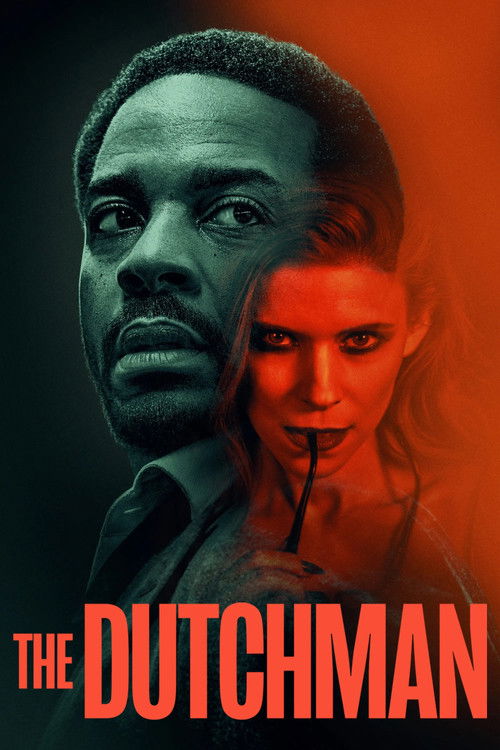
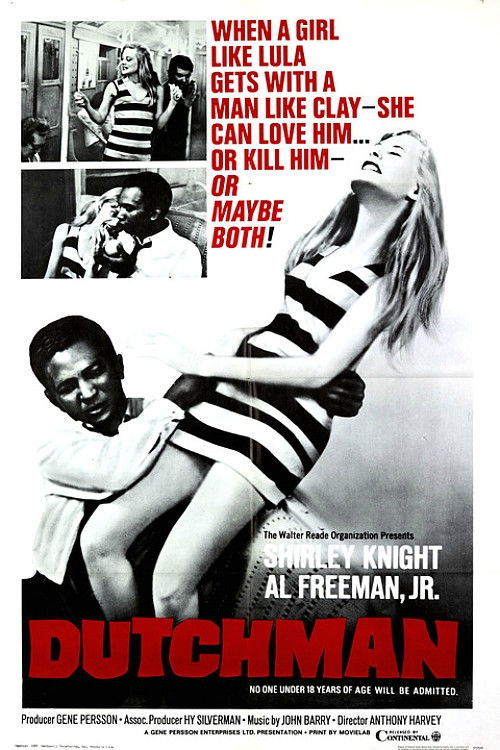
A successful black businessman, haunted by his crumbling marriage and identity crisis, is drawn into a psychological game of cat and mouse with a mysterious white woman he encounters on a New York subway.
The Dutchman

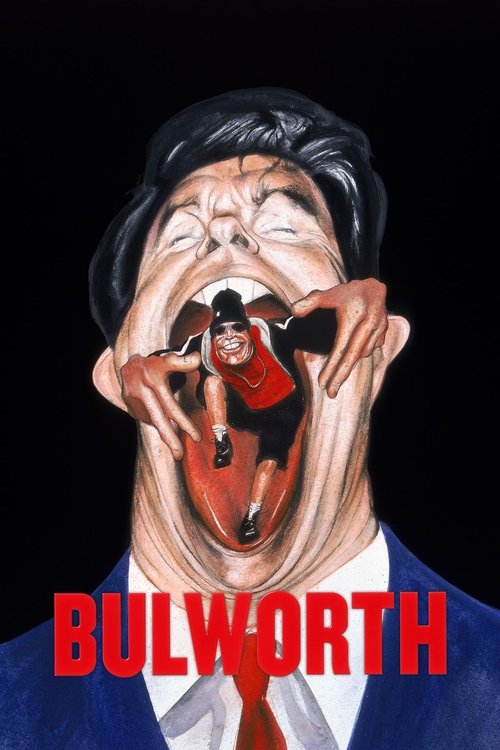
A suicidally disillusioned liberal politician puts a contract out on himself and takes the opportunity to be bluntly honest with his voters by affecting the rhythms and speech of hip-hop music and culture.
Bulworth

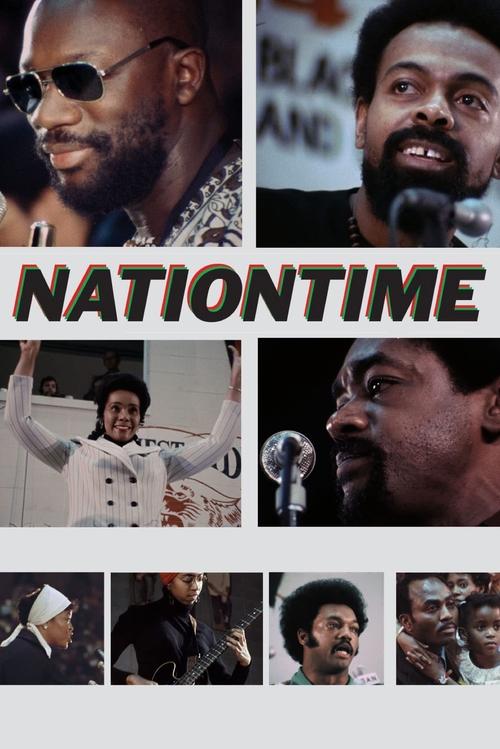
A report on the National Black Political Convention held in Gary, Indiana, in 1972, a historic event that gathered Black voices from across the political spectrum, among them Jesse Jackson, Dick Gregory, Coretta Scott King, Richard Hatcher, Amiri Baraka, Charles Diggs, and H. Carl McCall.
Nationtime

A young conservative black man, minding his own business, rides a nearly empty subway car. The only other passenger, a blonde vixen looking for trouble, sizes him up. Sexual tension, racial bigotry and righteous fury collide in a razor's edge confrontation between this unlikely pair.
Dutchman

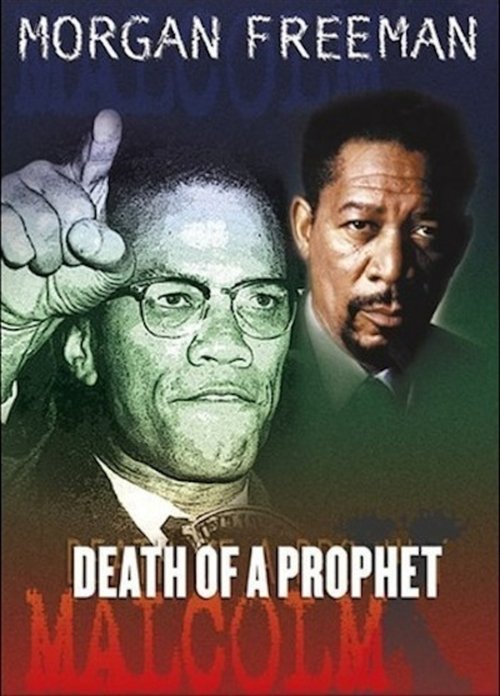
After breaking ties with the Nation of Islam, Malcolm X became a man marked for death...and it was just a matter of time before his enemies closed in. Despite death threats and intimidation, Malcolm marched on - continuing to spread the word of equality and brotherhood right up until the moment of his brutal and untimely assassination. Highlighted by newsreel footage and interviews, this is the story of the last twenty-four hours of Malcolm X. Featuring the music of jazz percussionist Max Roach.
Death of a Prophet

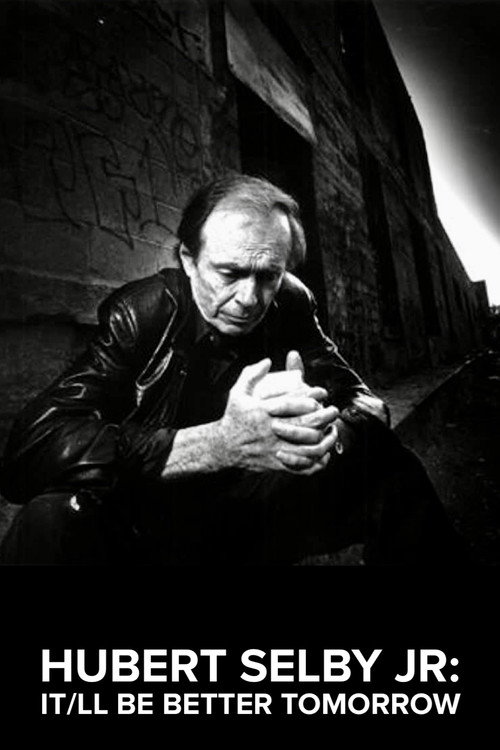
An exploration into the life and art of the renowned author of "Last Exit To Brooklyn" and "Requiem For A Dream." Hubert Selby Jr., a self-described "scream looking for a mouth," against all odds, reached international acclaim with his controversial novels. His is a classic story of the great American novelist, overcoming tuberculosis, drug addiction and financial ruin, Selby eventually triumphed in his life and penned seven of the most remarkable and distinctly American books ever written.
Hubert Selby Jr: It/ll Be Better Tomorrow
After World War II a group of young writers, outsiders and friends who were disillusioned by the pursuit of the American dream met in New York City. Associated through mutual friendships, these cultural dissidents looked for new ways and means to express themselves. Soon their writings found an audience and the American media took notice, dubbing them the Beat Generation. Members of this group included writers Jack Kerouac, William Burroughs, Allen Ginsberg. a trinity that would ultimately influence the works of others during that era, including the "hippie" movement of the '60s. In this 55-minute video narrated by Allen Ginsberg, members of the Beat Generation (including the aforementioned Burroughs, Anne Waldman, Peter Orlovsky, Amiri Baraka, Diane Di Prima, and Timothy Leary) are reunited at Naropa University in Boulder, CO during the late 1970's to share their works and influence a new generation of young American bohemians.
Fried Shoes Cooked Diamonds

The poet and painter, Lawrence Ferlinghetti, is among the world's living monuments to arts and letters. For well over a half century, Ferlinghetti helped shape the currents of poetry and literature with his forceful engagement with society and an ideological position that often found him at odds with the political currents of his day. Ferlinghetti's quiet, behind the scenes demeanor and disarming mien may have assuaged, or even fooled, certain opponents, while in reality he was a literary mercenary, a rebel at the forefront of our own cultural revolution.
Ferlinghetti: A Rebirth of Wonder

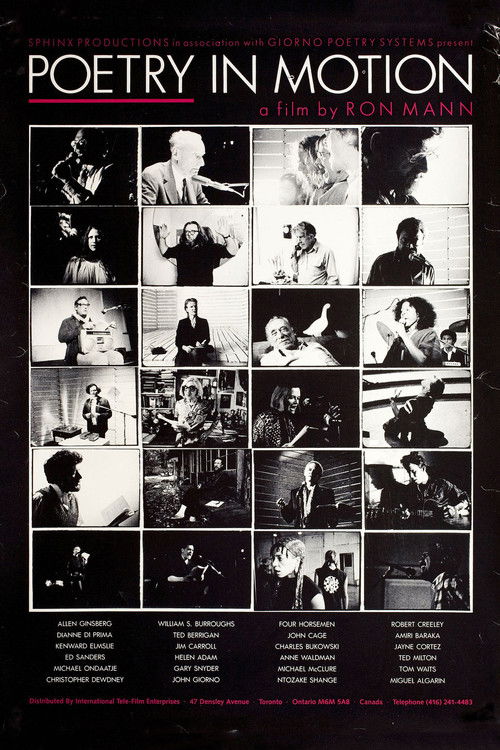
More than 20 contemporary North American poets recite, sing, and perform their work. Early in the film, Charles Bukowski talks about the energy of poets and of a poem. These poets are the children of Walt Whitman and of Charles Olson, incantatory and oratorical, radical, sometimes incorporating contemporary political imagery. Black Mountain poets, the Beats, minimalists like John Cage, the wordless Four Horsemen, Tom Waits, and others capture aspects of poets as troubadours.
Poetry in Motion

James Baldwin was at once a major 20th century American author, a Civil Rights activist and, for two crucial decades, a prophetic voice calling Americans, black and white, to confront their shared racial tragedy.
James Baldwin: The Price of the Ticket

This is a video record of the Buddhist Wake ceremony at Allen Ginsberg's apartment. You see Allen, now asleep forever, in his bed; some of his close friends; and the wrapping up and removal of Allen's body from the apartment. You hear Jonas' description of his last conversation with Allen, three days earlier. You see the final farewell at the Buddhist temple, 118 West 22nd Street, New York City, and some of his close friends: Patti Smith, Gregory Corso, LeRoy Jones-Baraka, Hiro Yamagata, Anne Waldman, and many others.
Scenes from Allen's Last Three Days on Earth as a Spirit

A black radical's ex-wife and children establish a new family unit with a Caucasian man, but he eventually returns to violently besiege them inside their home.
A Fable

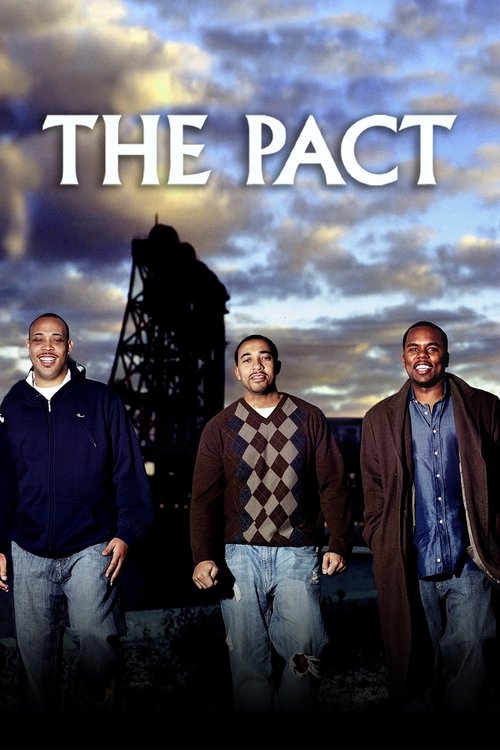
A gritty, provocative true-life story of three friends from the 'hood, Rameck Hunt, Sampson Davis, and George Jenkins, who made a pact in high school to find a way to go to college and then medical school. They not only accomplished this, but they're now spreading the word to inspire other inner-city kids to stay off of drugs, out of gangs and to take the educational route to a better life. THE PACT captures the pathos of the men's individual journeys, the integrity of their voices and the power of their rare friendship. Their stories affirm the values that ultimately sustained and drove them: courage, tenacity, and faith. And they give tribute to the life of the mind and its power to turn dreams into reality.
The Pact
Documentary about Charles Olson, exploring his life and the significance of Gloucester, Massachusetts.
Polis Is This: Charles Olson and the Persistence of Place

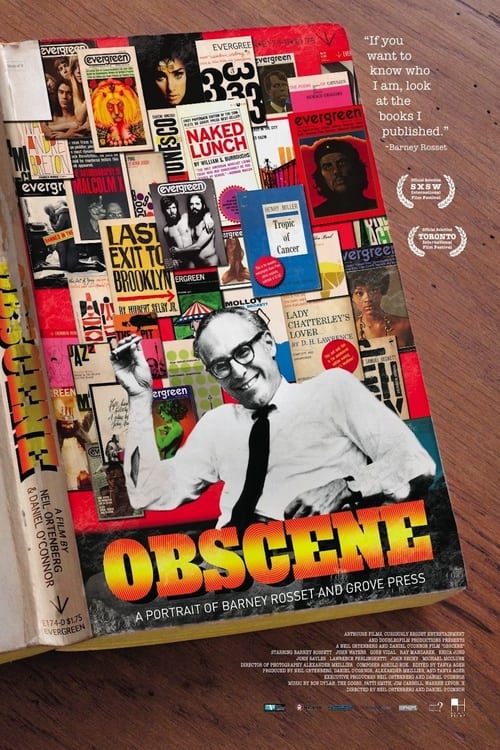
A look at the life and work of American publisher Barney Rosset, who struggled to bring controversial works like "Tropic of Cancer" and "Naked Lunch" to publication.
Obscene: A Portrait of Barney Rosset and Grove Press
This video portrait, filmed in the days leading up to Amiri Baraka’s appeal of his 90-day sentence for resisting arrest following an argument in his car outside the 8th Street Playhouse movie theater, documents Baraka at his radio show, at home with his wife and children, and performing at readings. It is a delicate vision of a revolutionary who has grown quieter—though never at rest, and as sage as ever.
In Motion: Amiri Baraka

Ben Caldwell’s Medea, a collage piece made on an animation stand and edited entirely in the camera, combines live action and rapidly edited still images of Africans and African Americans which function like flashes of history that the unborn child will inherit. Caldwell invokes Amiri Baraka’s poem “Part of the Doctrine” in this experimental meditation on art history, Black imagery, identity and heritage.
Medea

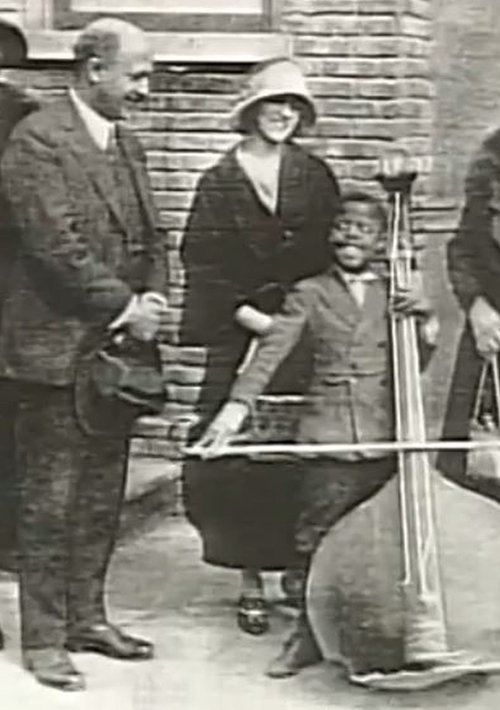
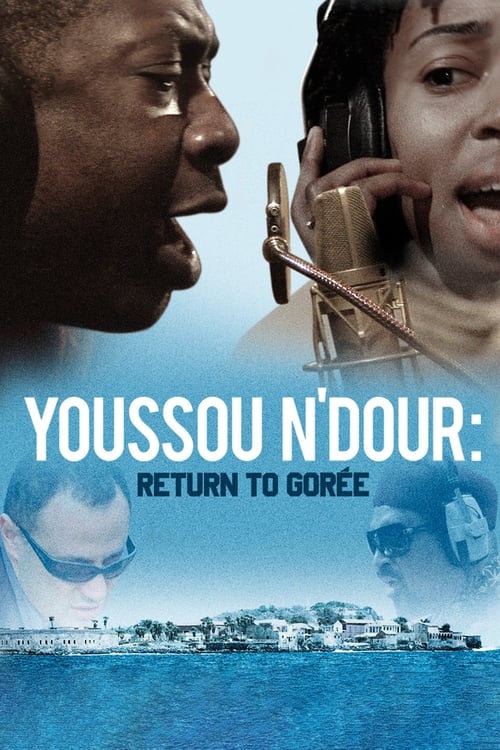
One in a series of 13 documentaries on renowned American poets produced by the New York Center for Visual History. Described by director St. Clair Bourne as “a narrative performance documentary,” this category-defiant film on the life of poet and writer Hughes and the times in which he lived and worked moves from America to Senegal to Paris, from the 1920s Harlem Renaissance to the Black Pride awakening of the 1960s.