Directing
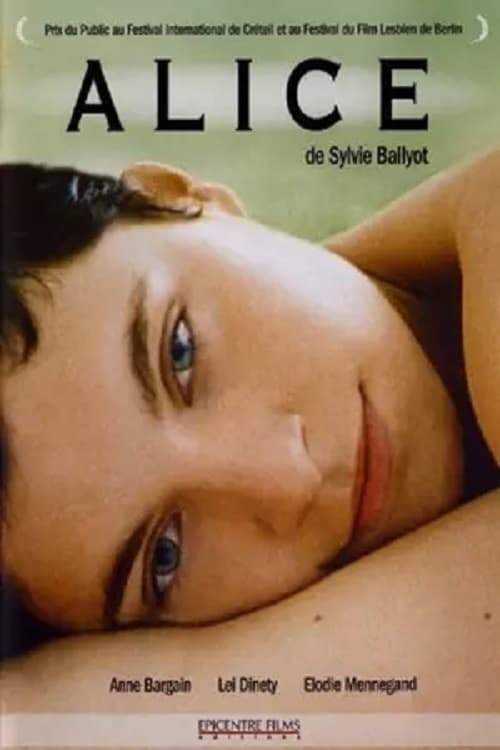
Alice has deeply buried feelings and memories for her sister Manon who is about to be married. During their childhood the two sisters were extremely close not only emotionally, but also sexually. With news of the wedding the pain of the past resurfaces and Alice's relationship with her girlfriend Elsa start to fall apart. As the wedding approaches Alice reminisces about her childhood, and has trouble letting go of her incestuous relationship with her sister Manon.
The film opens on a tale with animated figurines in miniature settings reconstructing Fida’s childhood during the war. It then shifts to a documentary style with a series of real confrontations between Fida and ex-militiamen manipulating the small figurines. The miniature material becomes a bridge between different subjective stories, infusing the collective history with individual details. The experience of this confrontational space turns out to be cathartic. The narrative moves around between realities and temporalities.
An eccentric British woman picks up a young apprentice hairdresser on a wild night in Paris.
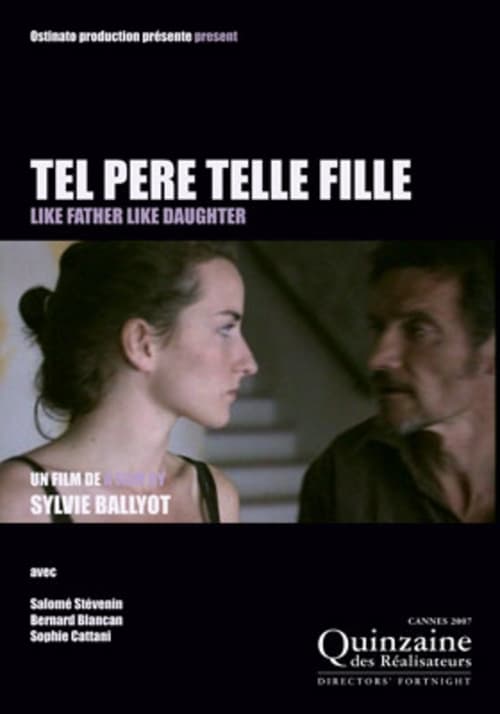
Julie pays a visit to her father in the south of France. He has been amputated and lives alone in a seaside house. Father and daughter don't know how to talk to one another, they approach each other, try to explore, dare come closer, and sometimes acknowledge each other. They share the same desire for women, an ambiguous mutual understanding which is tolerated if kept silent.
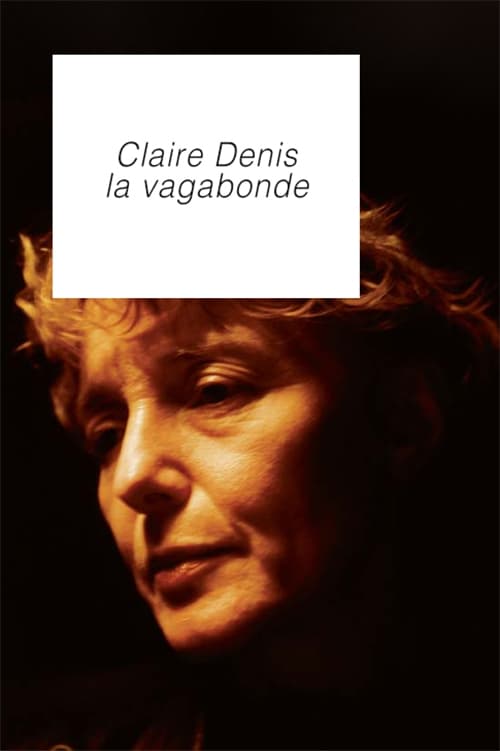
In an arrestingly filmed interview (with the questions omitted), Denis offers a spirited and insightful discussion of her films and career. She talks about her films, her career, the directors she admires - such as Renoir and Ozu - the writing of Frantz Fanon, and her convictions in regard to light, sound, montage, tracking shots, and the role of dialogue, which is subordinate to image in her films.
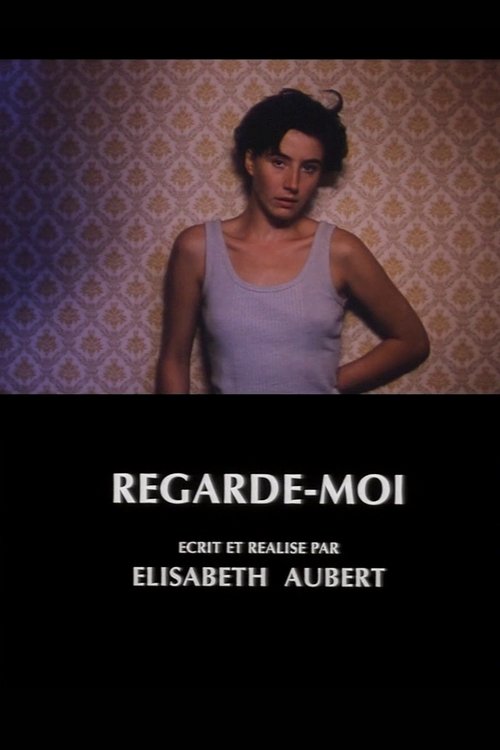
This atmospheric mini-seduction drama follows two beautiful French women who meet at a sidewalk café. What are they going to do together in that cheap Parisian hotel room?
Unwittingly (and politically), this film ends up being self-reflective. The French filmmaker Sylvie Ballyot was shooting a feminist documentary in Yemen when her tapes were requisitioned by the authorities. Adrift in unknown territory with the only help of a translator, Ballyot carried on, shooting images of herself in public spaces –the only woman in a crowd of men. Her reactions in a culture she is not familiar with get combined with interviews with students who talk about love, family, and sexuality.