FEEL IT.STREAM
Fernand Melgar

Fernand Melgar

Directing

Biography

Né en 1961 dans une famille de syndicalistes espagnols exilés à Tanger au Maroc. Il accompagne clandestinement ses parents qui émigrent en Suisse en 1963 comme travailleurs saisonniers. Il participe à la fondation au début des années 80 le haut lieu de la culture underground de Suisse romande, Le Cabaret Orwell. Après y avoir programmé de la vidéo de création, il devient, en autodidacte, réalisateur et producteur indépendant. À partir de 1983, il bricole des films expérimentaux et des reportages iconoclastes pour la télévision. En 1985, il rejoint l’association Climage et y réalise une dizaine de documentaires, aujourd’hui films de référence sur les questions d’immigration et d’identité. Son documentaire précédent Exit – le droit de mourir a reçu plusieurs distinctions internationales dont le prestigieux Golden Link UER Award de la meilleure coproduction européenne et le Prix du Cinéma Suisse 2006. Lauréat du concours de scénario lancé par la Télévision Suisse Romande, il prépare actuellement sa première fiction, Loin derrière la montagne. Il vit et travaille à Lausanne.​

Known For

Kulturplatz
6.0

No description available.

Kulturplatz

2004
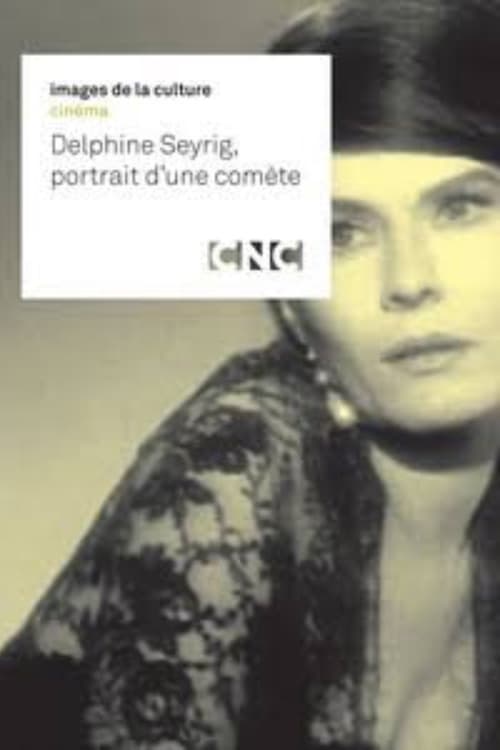
Delphine Seyrig, portrait d'une comète
7.5

Delphine Seyrig, an extraordinary woman and actress, died on October 15, 1990. From "Last Year at Marienbad" by Alain Resnais to "India Song" by Marguerite Duras, she played in 34 films for cinema, 13 films for television and 33 plays. Jacqueline Veuve, filmmaker and friend of Delphine Seyrig, wanted to break the silence that has fallen on her memory by making a documentary that traces with emotion and subjectivity the life of the mythical actress, the fierce feminist but also the simple friend.

Delphine Seyrig, portrait d'une comète

2000
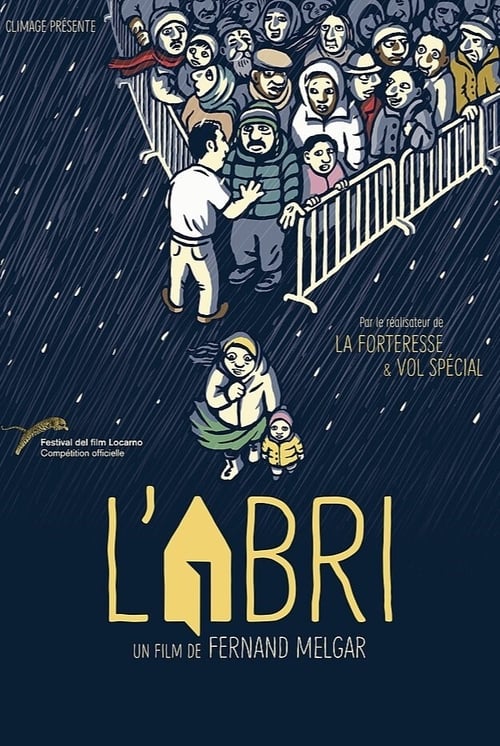
The Shelter
6.2

It is winter at an emergency shelter for the homeless in Lausanne. Every night at the door of this little-known basement facility the same entry ritual takes place, resulting in confrontations which can sometimes turn violent. Those on duty at the shelter have the difficult task of “triaging the poor”: the women and children first, then the men. Although the total capacity at the shelter is 100, only 50 “chosen ones” will be admitted inside and granted a warm meal and a bed. The others know it will be a long night.

The Shelter

2014
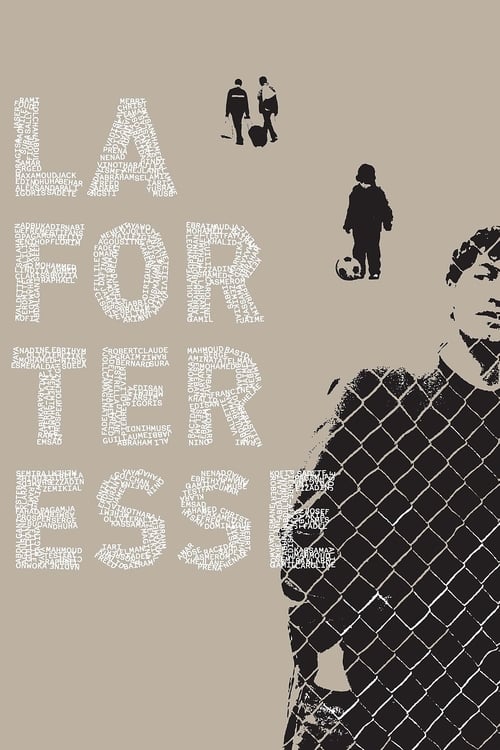
The Fortress
6.7

The personal stories of the people from all around the world waiting for a decision in an asylum-seekers centre in one of most restrictive countries in the world, Switzerland.

The Fortress

2008
Special Flight
6.2

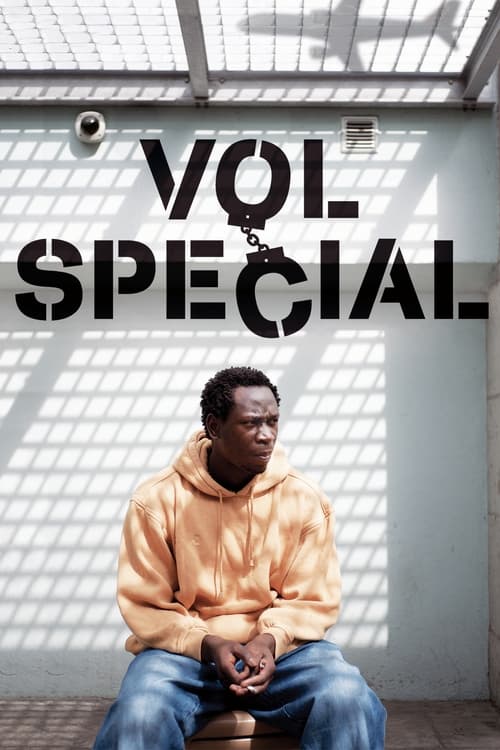
Switzerland still carries out special flights, where passengers, dressed in diapers and helmets, are chained to their seats for 40 hours at worst. They are accompanied by police officers and immigration officials. The passengers are flown to their native countries, where they haven't set foot in in up to twenty years, and where their lives might be in danger. Children, wives and work are left behind in Switzerland. Near Geneva, in Frambois prison, live 25 illegal immigrants waiting for deportation. They are offered an opportunity to say goodbye to their families and return to their native countries on a regular flight, escorted by plain-clothes police officers. If they refuse this offer, the special flight is arranged fast and unexpectedly. The stories behind the locked cells are truly heartbreaking.

Special Flight

2011
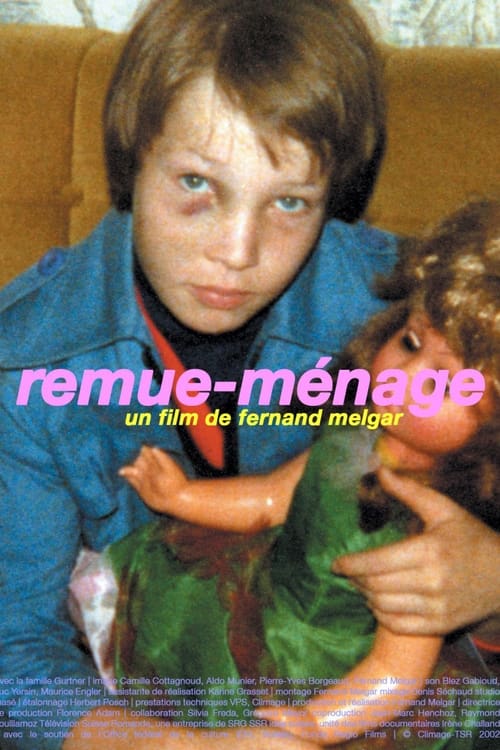
Remue-ménage
N/A

No description available.

Remue-ménage

2002
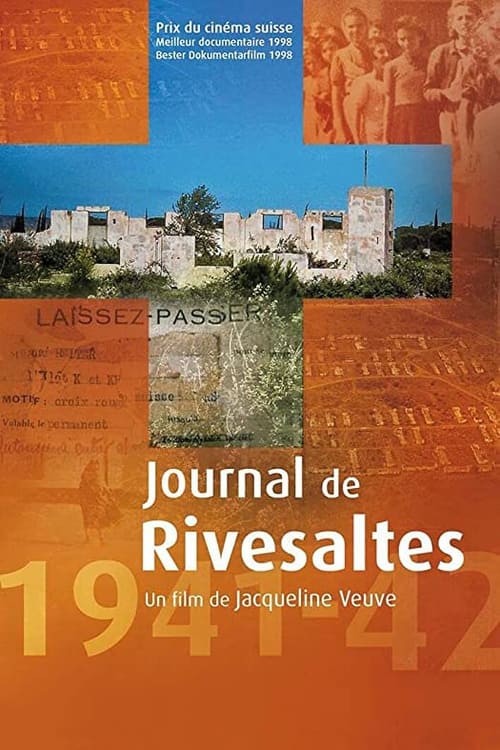
Journal de Rivesaltes 1941-42
8.0

From August to October 1942, over 2250 Jews were deported from the internment camp of Rivesaltes to Auschwitz by way of Drancy. Among them were 110 children. Friedel Bohny-Reiter, a nurse with the Swiss Aid to Children, worked in this camp in the South of France. Like many others in the formerly unoccupied zone, it was run by the French. Once a military camp, it had been converted in 1941 into a transit camp regrouping Jewish, Gypsy and Spanish people living in the area or who had fled to the free zone as refugees. Thanks to the young nurse from Basel, many children were probably saved from certain death. The film follows the nurse on a visit to that still intact site as well as through the pages of the journal she wrote in those dark days, published by Editions Zoë, Geneva in 1993.

Journal de Rivesaltes 1941-42

1997
Exit: The Right to Die
6.3

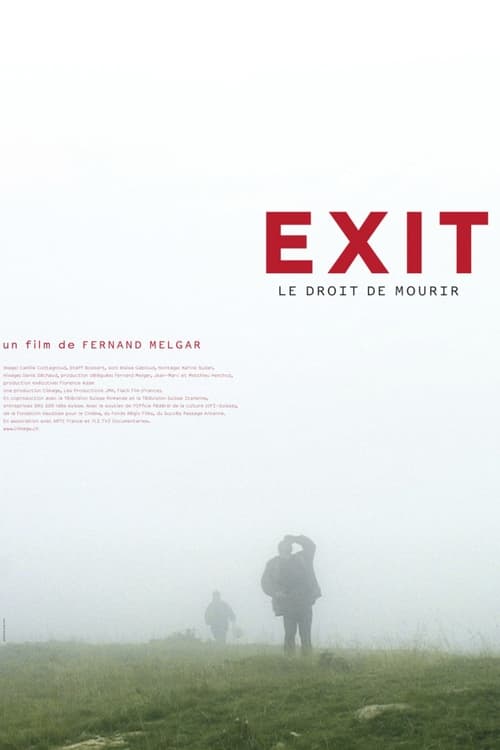
Switzerland is presently the only country in the world where suicide assistance is legal. Exit: The Right to Die profiles that nation's EXIT organization, which for over twenty years has provided volunteers who counsel and accompany the terminally-ill and severely handicapped towards a death of their choice.

Exit: The Right to Die

2006
Prud'Hommes
N/A

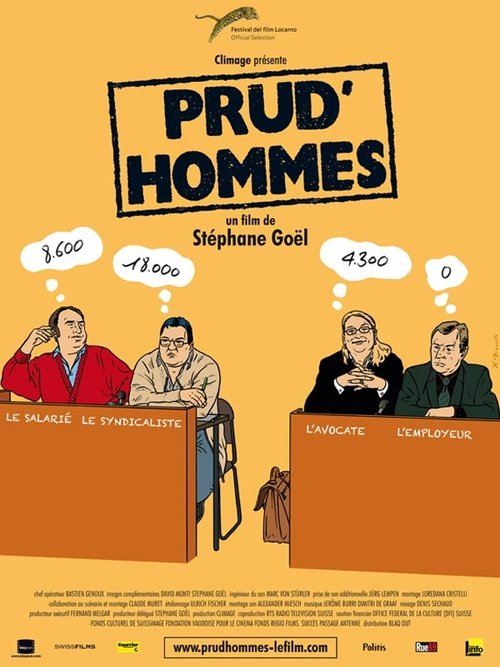
"Prud’hommes" is an immersion into the heart of a judicial court that handles disputes between employers and employees. This specific jurisdiction is a place of confrontation where the tensions, suffering and revolts that span the world of employment are exposed. In search of justice or recognition, employees speak out and face their employer face to face. This unique theatre plunges us into a real human drama and forces us to reflect upon today's society.

Prud'Hommes

2010
Chronique vigneronne
8.0

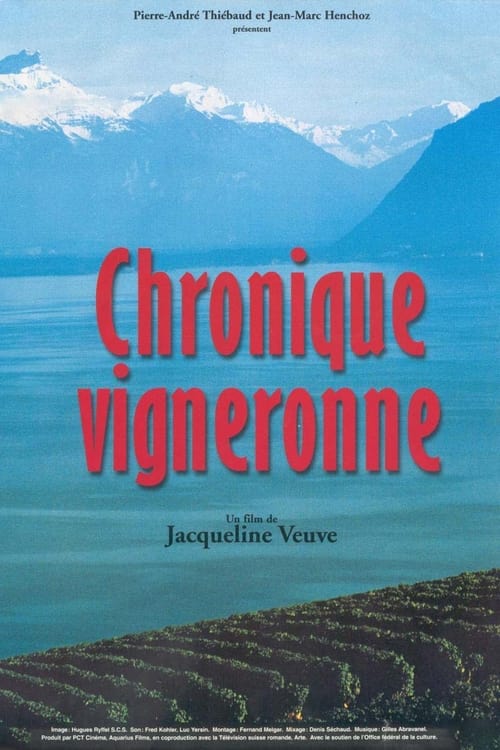
This documentary show the work, the worries and the joys of a family dedicated to viticulture, the Potterat, living in Lavaux. Three generations live together, keeping the old traditions

Chronique vigneronne

1999
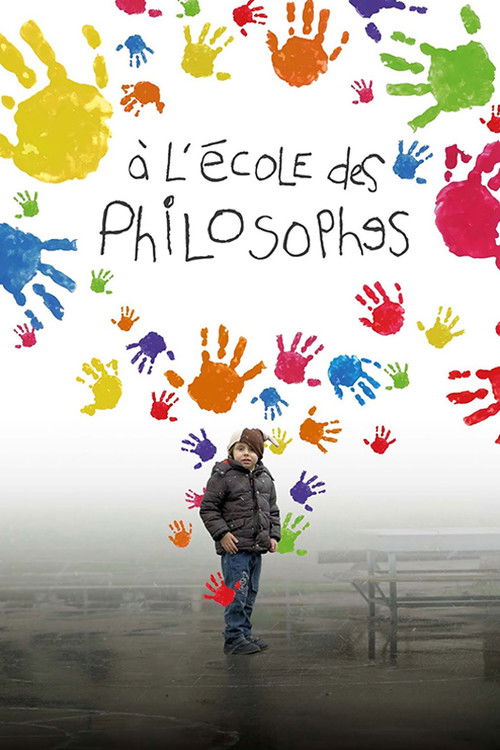
At the Philosophers’ School
6.9

The first experiences for five mentally handicapped children entering school, who will have to learn how to get along with the others: an almost impossible task, as they seem to be closed to the outside world. But gradually, the class takes shape before our eyes as the students move towards and against everything, much to the amazement and delight of their parents.

At the Philosophers’ School

2018
Album de famille
N/A

No description available.

Album de famille

1994
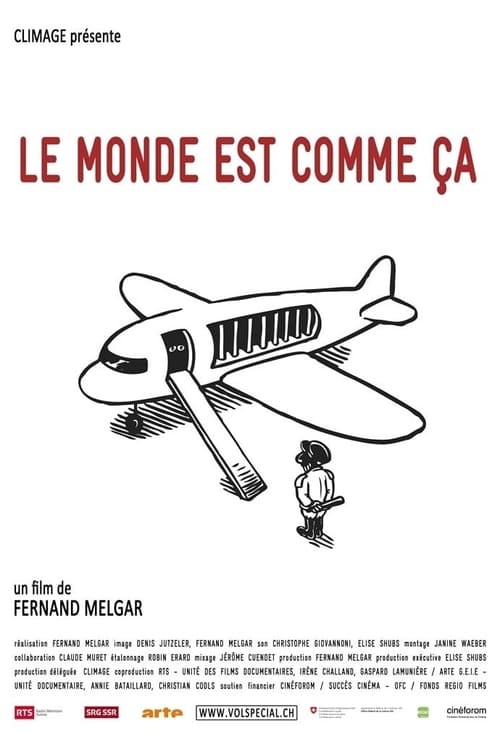
Le monde est comme ça
6.0

The film recounts the fates of five of the protagonists of the film “Special Flight” following their expulsion from Switzerland. Having been wrenched away from the country in which they had lived and from their children because they had no papers, they are found again in Senegal or Kosovo, in Gambia or Cameroun, destitute and cut off from their families, sometimes even having been tortured upon arrival. This film broaches the private lives of these broken men and testifies to the brutality of a migration policy that is common in Switzerland and in Europe.

Le monde est comme ça

2013
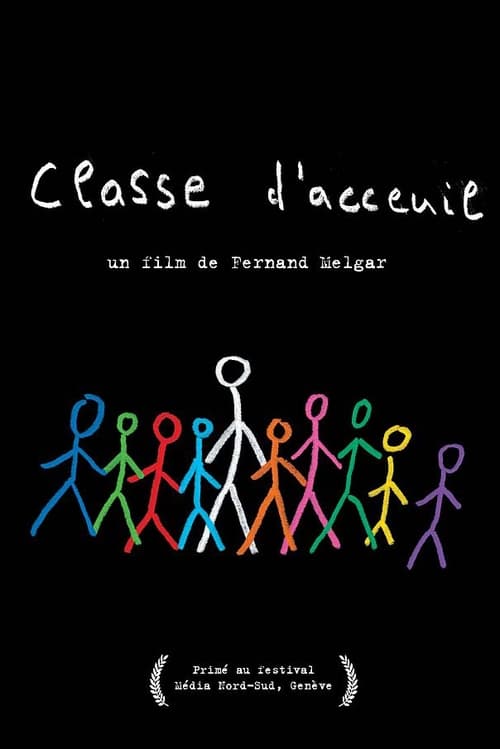
Classe d'accueil
N/A

No description available.

Classe d'accueil

1998