Pierre Klossowski
Acting
Known For

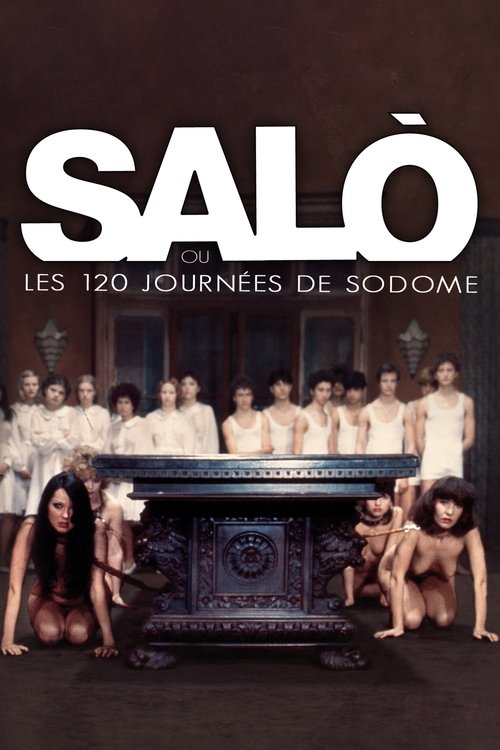
Four corrupted fascist libertines round up 9 teenage boys and girls and subject them to 120 days of sadistic physical, mental and sexual torture.
Salò, or the 120 Days of Sodom

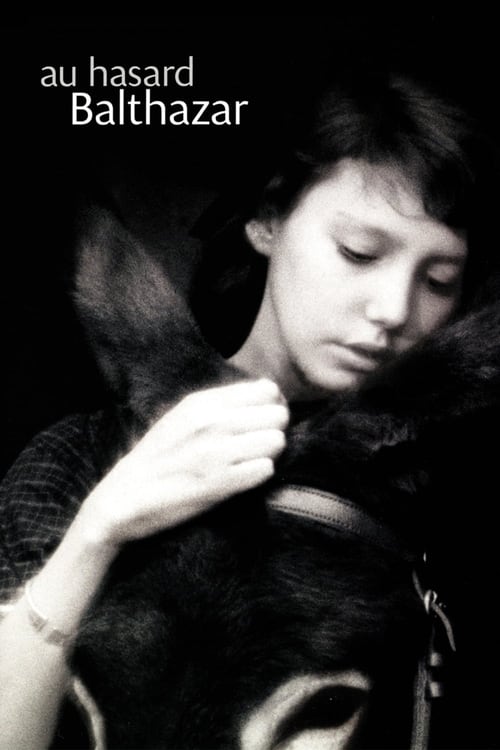
The story of a donkey Balthazar as he is passed from owner to owner, some kind and some cruel but all with motivations beyond his understanding. Balthazar, whose life parallels that of his first keeper, Marie, is truly a beast of burden, suffering the sins of humankind. But despite his powerlessness, he accepts his fate nobly.
Au Hasard Balthazar

Two narrators, one seen and one unseen, discuss possible connections between a series of paintings. The on-screen narrator walks through three-dimensional reproductions of each painting, featuring real people, sometimes moving, in an effort to explain the series' significance.
The Hypothesis of the Stolen Painting

A documentary, originally produced in 1966 for the French TV series "Pour le plaisir," about Robert Bresson's film "Au Hasard Balthazar," featuring interviews and discussions with Bresson, Jean-Luc Godard, Louis Malle, Marguerite Duras and others.
Un metteur en ordre: Robert Bresson

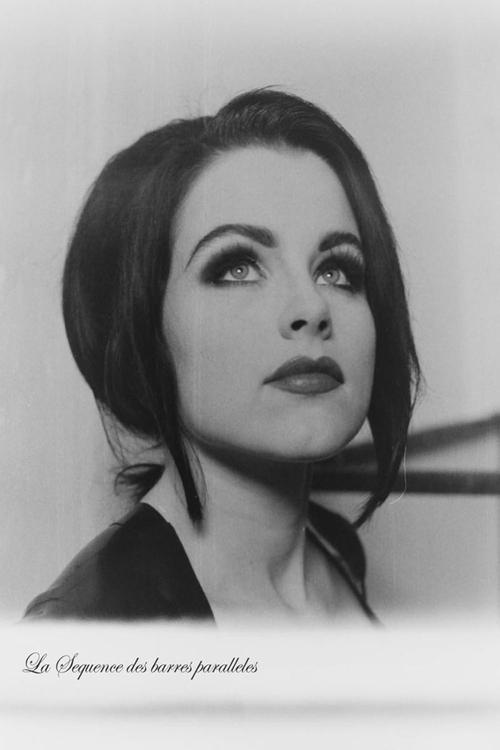
The film opens with a rubber-clad woman stepping sensuously out of a limousine. The camera lovingly closes-up on her stilletoed foot... She enters a dark desolate warehouse, and meets two men, who proceed to chain her up and worship her body. Originally projected on three screens simultaneously. Music by legendary noise musician Merzbow.
The Sequence of Parallel Bars

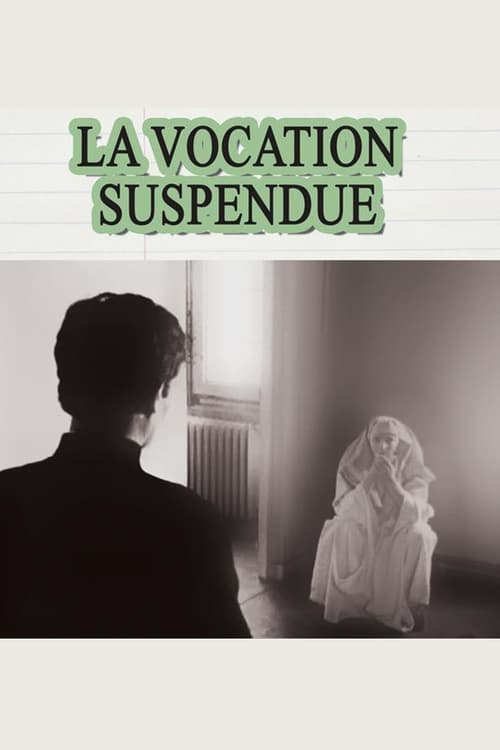
The film centers on a Dominican monk named Jérôme (played by one actor in colour and another actor in black-and-white) and his interactions with various higher-ups within the French Catholic Church. Ruiz's intention was to reflect the ideological arguments that plagued Latin American left-wing political parties.
The Suspended Vocation

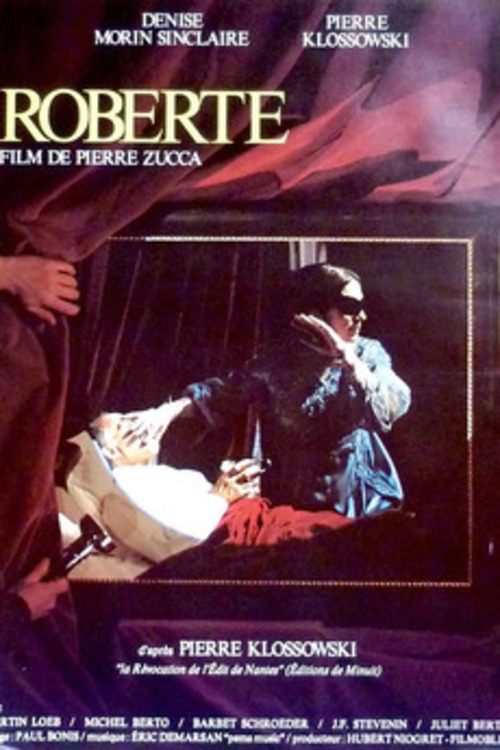
Roberte, 40, resistant during the war, Calvinist and anticlerical, is deputy to the chamber and inspector of Censorship. She married Octave, an old Catholic aesthete, professor of canon law, whom she saves from impeachment for collaboration during the war. He submits his wife to a perverse custom: the laws of hospitality or prostitution of the wife by the husband.
Roberte

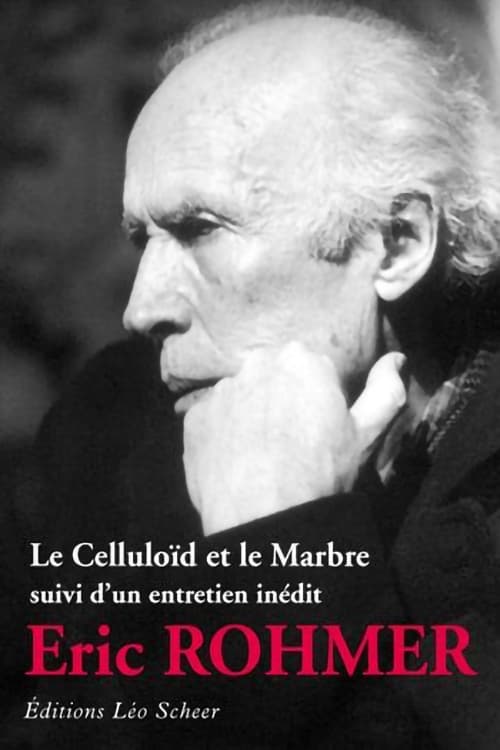
Celluloid and Marble is based on Rohmer's own articles published in "Cahiers du cinéma", discussing film in relation to the other arts, maintaining that, in an age of cultural self-consciousness, cinema was “the last refuge of poetry” - the only contemporary art form from which metaphor could still spring naturally and spontaneously.
Celluloid and Marble

A documentary that pretends to be a fictional film. About the work and the life of a man, a man called Pierre Henry at the beginning of the film and who ends up calling himself "someone".
Un film sur quelqu'un

A traveller investigates the life and work of Georges Bataille. Through a staging of the writer's obsessive motives, the film succeeds in grasping the elusive: the sensitive nucleus of radical thought. The film contains the interviews with Pierre Klossowski and Jacques Pimpanneau.
Georges Bataille - À perte de vue
"A partire dal Dolce brings together "portraits-interventions" of a dozen or so thinkers, artists, friends of Gianfranco Baruchello (including extremely rare footage of Jean-François Lyotard), who comment on the concept of the "dolce" (gentle/soft/sweet)" Claudine Eizykman, Les Rendez-vous du Cinéma Expérimental, February 2000
A partire dal dolce

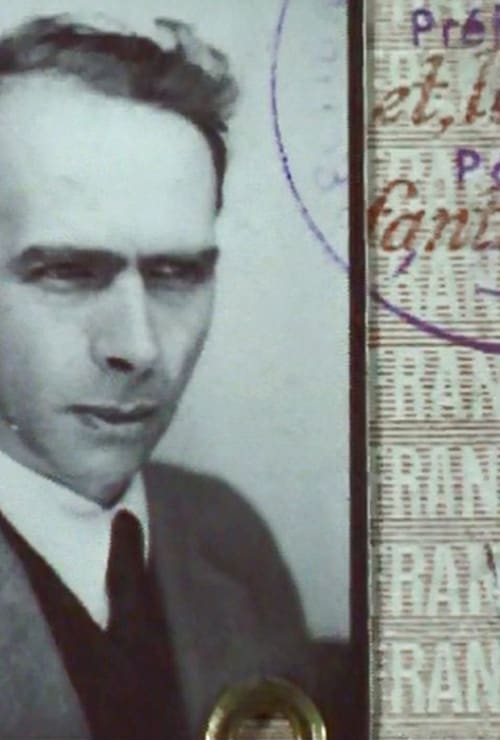
Portrait of french author and painter Pierre Klossowski