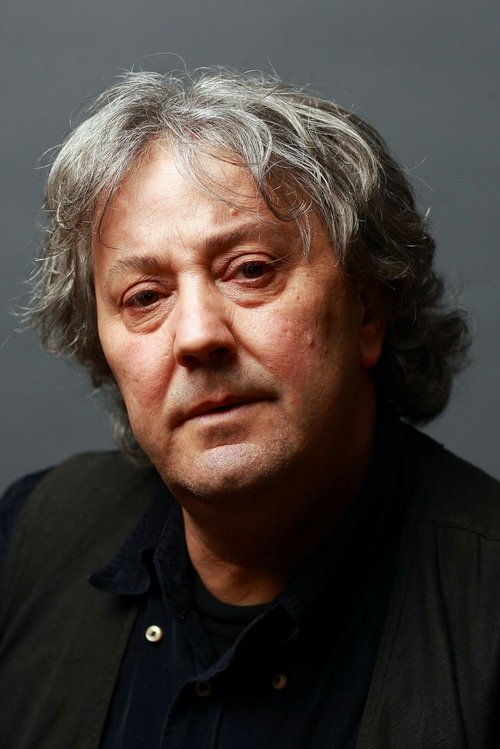
Michel Khleifi
Directing
Biography
Michel Khleifi (Arabic: ميشيل خليفي}, born in 1950 in Nazareth, is a Palestinian film writer, director and producer, presently based in Belgium. Khleifi emigrated to Belgium in 1970, where he studied television and theatre directing at the Institut National Supérieur des Arts du Spectacle (INSAS). After graduating from INSAS, he worked in Belgium television before turning to making his own films. He has directed and produced several documentary and feature films. He has received several awards, including the International Critics’ Prize at the Cannes Film Festival, the Golden Shell at San Sebastián International Film Festival and the André Cavens Award in 1987 for his film Wedding in Galilee. Khleifi currently teaches at INSAS

Known For

Focusing on key Arab films produced in the last 20 years. Férid Boughedir traces the development of the film-makers' concern to produce more socially aware cinema. Themes include the issue of Palestinian homeland rights and the nature of Arab identity. The film-makers also share a desire to develop a strong poetic tradition.
Arab Camera

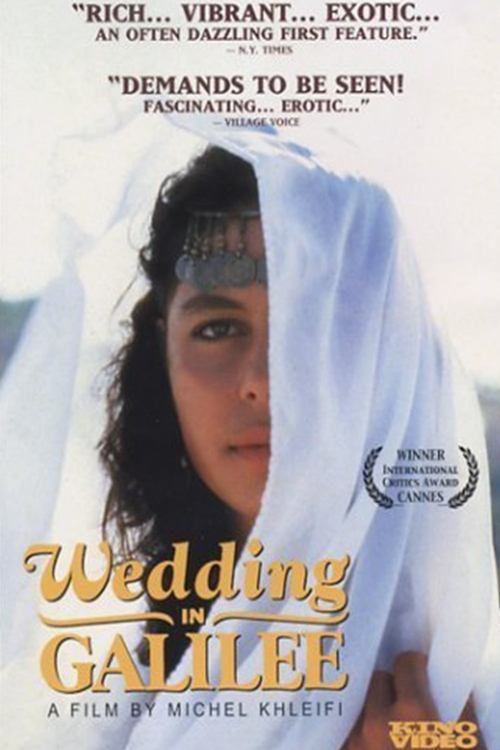
A Palestinian seeks Israeli permission to waive curfew to give his son a fine wedding. The military governor's condition is that he and his officers attend. The groom berates his father for agreeing. Women ritually prepare the bride; men prepare the groom. Guests gather. The Arab youths plot violence. One Israeli officer swoons in the heat and Arab women take her into the cool house. A thoroughbred gets loose and runs to a mined field; soldiers and Arabs must cooperate to rescue it. As darkness falls, tensions between army and villagers rise, and the groom's wedding-night anger and impotence threaten family dignity and honor. Can cool heads prevail?
Wedding in Galilee

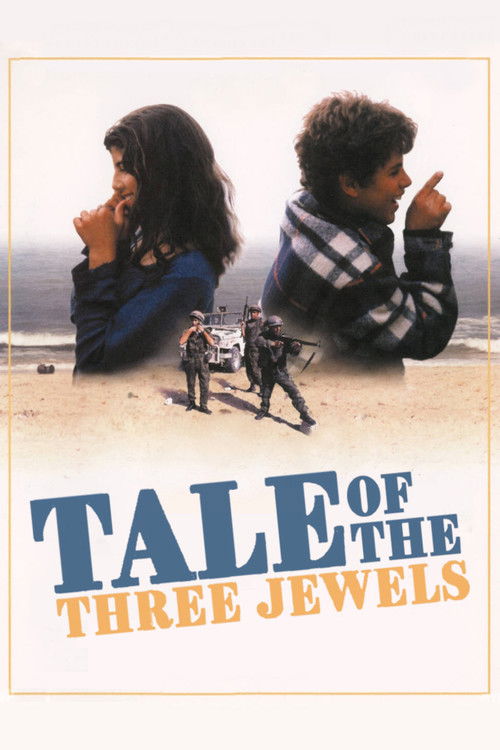
A Palestinian boy becomes entranced with a beautiful Romani girl and a fairy tale world she weaves amidst conflict in Gaza. The children explore nature, mysticism and what their future holds, while learning to live with the surrounding brutality c. 1990. Yusef's family scrapes by in a seaside camp while his father's in prison and his heavily-armed brother's on the run, parrying with Israeli troops. Salah, Yusef's schoolmate from a well-off Arab family strives faithfully to assist them, while Yusef helps an elderly, blind neighbor escape from his lonely abandonment into the North American dreamworld he's waited so long for.
Tale of the Three Jewels

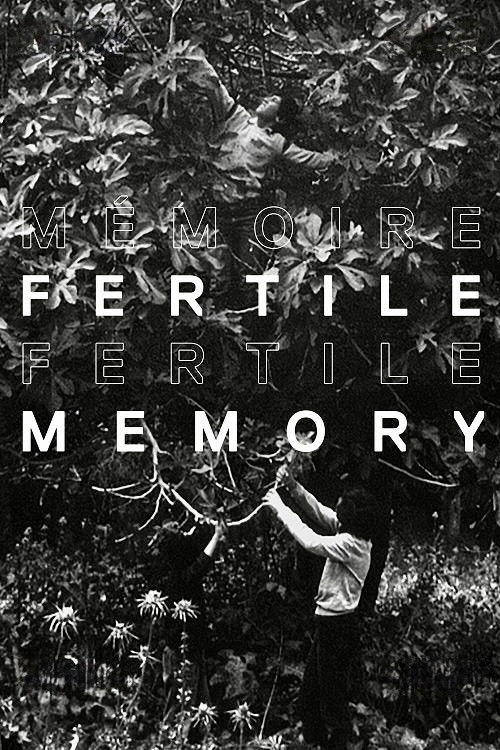
A portrait of two Palestinian women whose individual struggles both define and transcend the politics that have torn apart their homes and their lives. Farah Hatoum, a widow living with her children and grandchildren, and Sahar Khalifeh, a novelist from the West Bank.
Fertile Memory

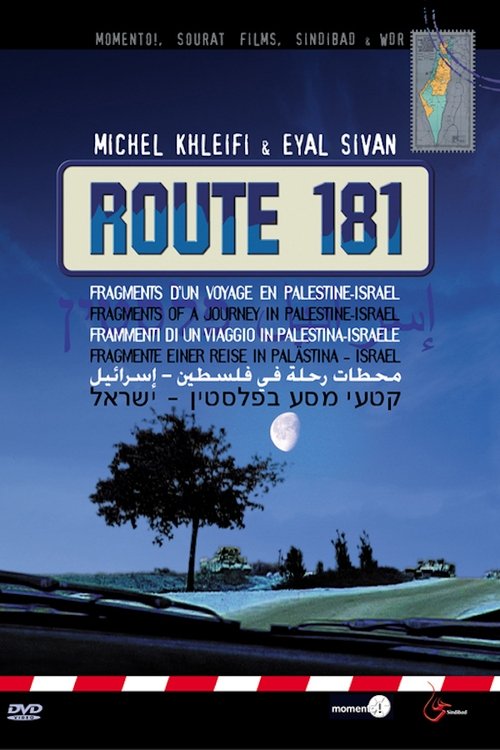
Route 181 is the epic record of a road trip undertaken in the summer of 2002 by two filmmakers, one Palestinian and one Israeli, along sections of what had been designated as the border between Israel and Palestine by U.N. Resolution 181 in 1947.
Route 181: Fragments of a Journey in Palestine-Israel

Trio is a cinematic series of filmed portraits that shows, in a single large, fixed and silent shot of 3 minutes and 20 seconds, three people free to do what they want.
Trio

Portrait of Belgian historian, reporter and documentarian André Dartevelle.
Une vie contre l'oubli

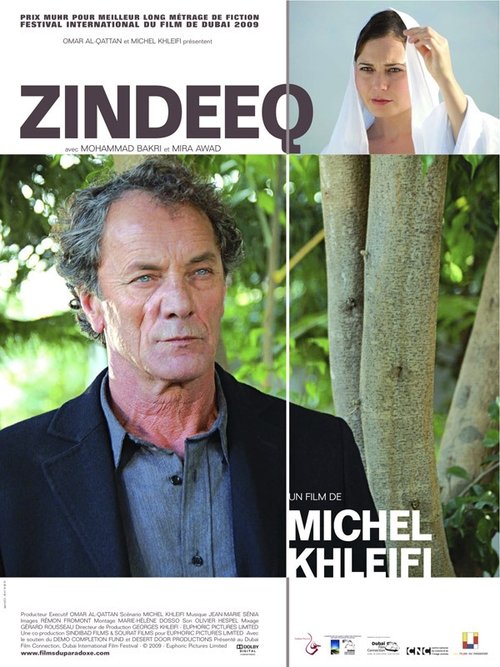
Acclaimed director Michel Khleifi's story of a Palestinian film-maker 'M' living in Europe, who returns home to Ramallah to film witness accounts of the 1948 Nakba - not only explores the events of that tumultuous era, but places them in context with the uncertainty and tension of present-day Palestine. Over the course of a single day and night, M's solipsistic existence is shaken when his nephew kills a man in Nazareth, placing the entire family at risk of reprisals. This masterful feature - a quietly witty, complex and occasionally surreal depiction of an exile's relationship with Palestine - marks a new direction in Khleifi's work.
Zindeeq

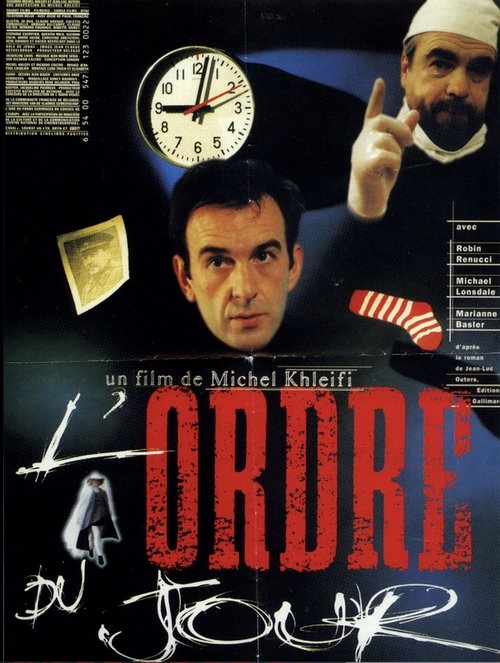
Martin raises alone his son Jonas. Road works Ministry, which employs him, is upset by fighting for power between the Director and Gosselin his assistant.
L'ordre du jour

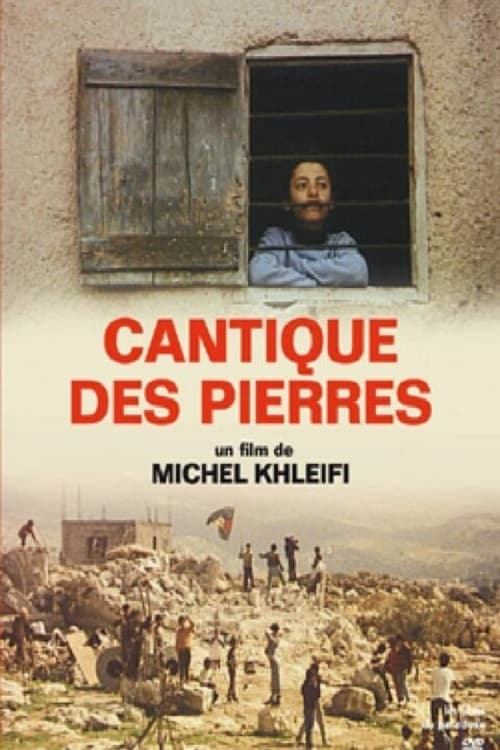
Two Palestinian lovers, parted during the 60s when he is imprisoned for resisting the Israeli occupation and she sorrowfully emigrates to the US, come together again in Jerusalem some 18 years later. He works for an agricultural aid organization, she is a scholar researching the meaning of sacrifice in Palestinian society. Around them rages the turmoil of the first Intifada.
Canticle of Stones

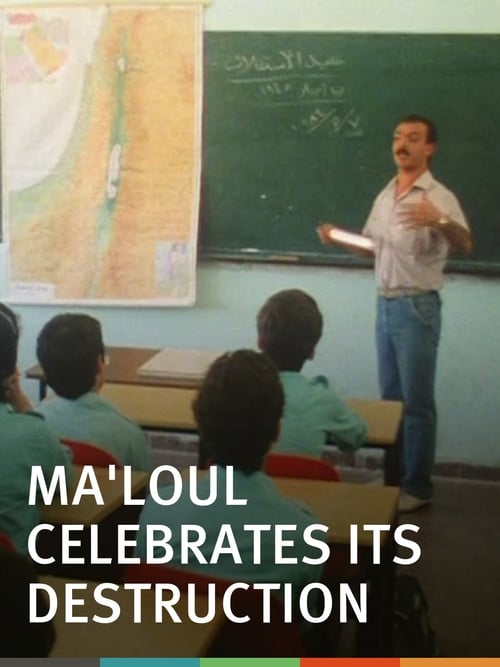
After the destruction of the Palestinian village of Ma’loul in 1948 and the forced displacement of its inhabitants, the site remains uninhabited. Each year, former residents are allowed to return for a single day, gathering among the ruins to share memories, recount the village’s past, and introduce younger generations to a place they cannot permanently inhabit, sustaining collective history through ritual return and testimony.
Ma'loul Celebrates Its Destruction

Michel Khleifi interviews several interfaith and interracial couples in "Israel," asking each where they met, how they have addressed religious or cultural differences, how their families have responded to the relationship, and how they chose where to live. Most share similar stories of ostracisation. cenes from a rendition of Romeo and Juliet appear throughout the documentary.