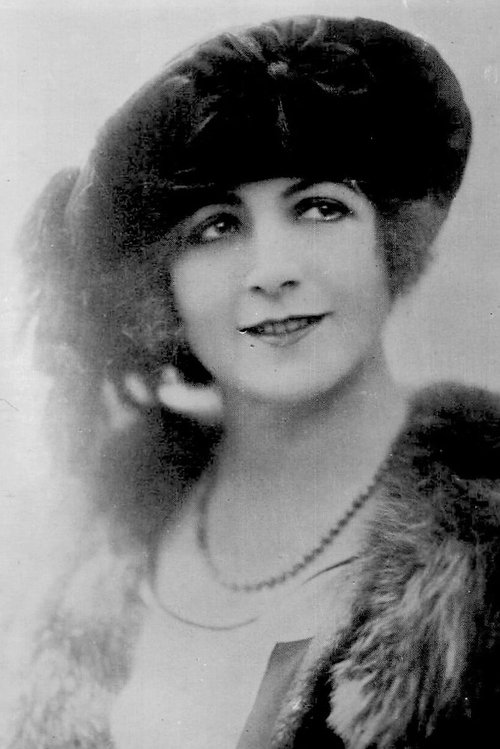
Suzanne Bianchetti
Acting
Known For
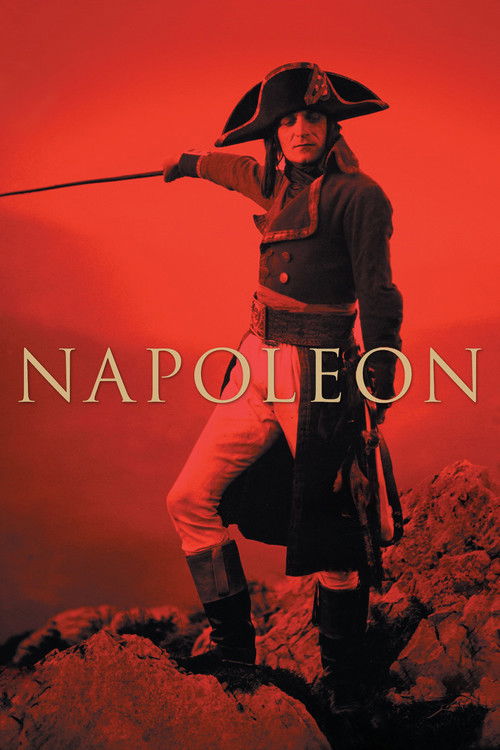
A biopic of Napoleon Bonaparte, tracing the Corsican's career from his schooldays (where a snowball fight is staged like a military campaign) to his flight from Corsica, through the French Revolution (where a real storm is intercut with a political storm) and the Terror, culminating in his triumphant invasion of Italy in 1797.
Napoleon

Paris, France, 1784. After living many tribulations, Joseph Balsamo, known as Count Cagliostro, an infamous adventurer, enigmatic magician and necromancer, experienced physician and ruthless swordsman, triumphs among the members of the decadent French aristocracy. But a bold foretelling about a very prominent noblewoman causes his fall in disgrace… (Partially lost film.)
Cagliostro
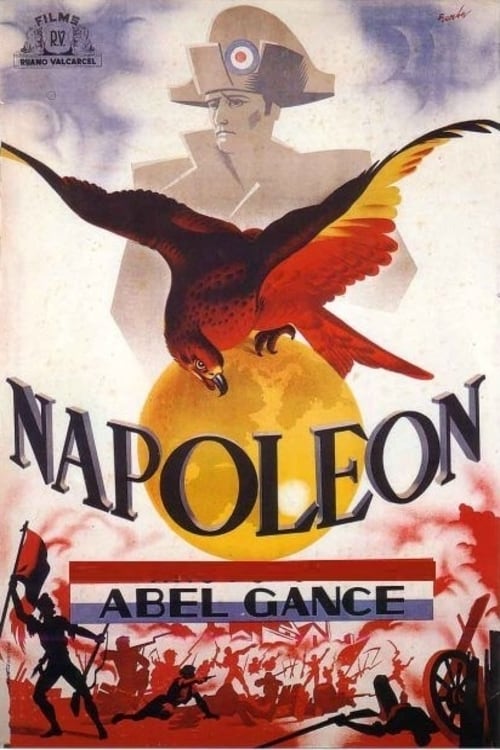
A second version of Gance's Napoléon, with sound.
Napoléon Bonaparte
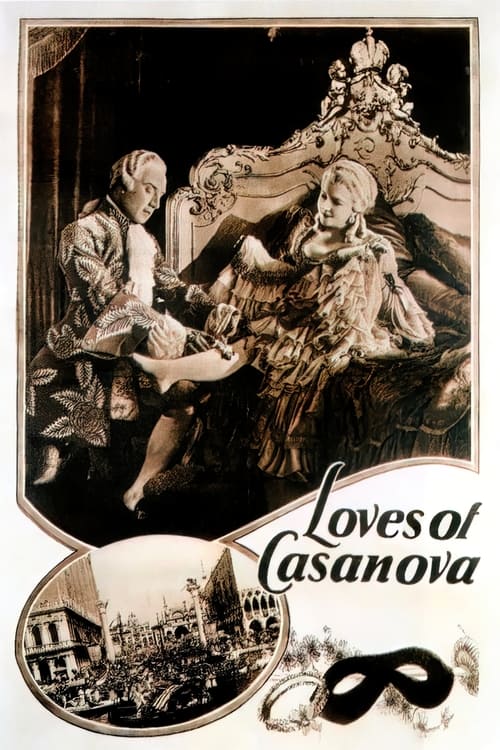
Republic of Venice, 1760. Pursued by a vengeful husband, the intrepid womanizer Casanova, who symbolizes the decline of the city and its fall into debauchery, manages to escape and, by a circuitous route, arrives in Saint Petersburg, where he will be involved in the many plots that threaten the throne of Czar Peter III…
Loves of Casanova
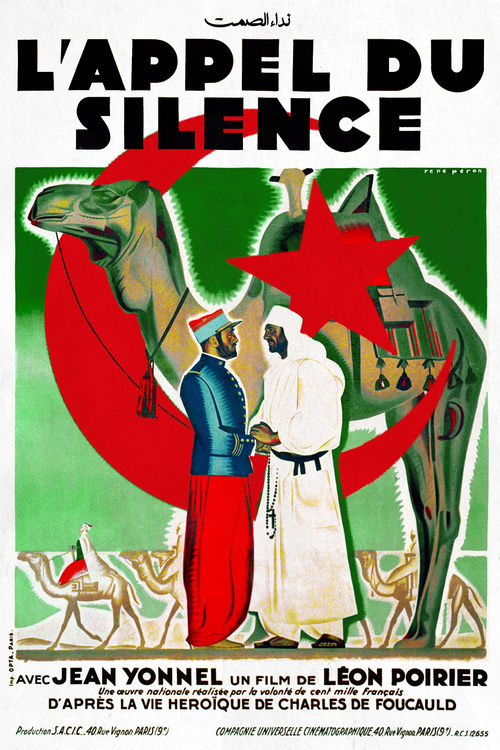
The story of Charles de Foucauld, born September 15, 1858 in Strasbourg (France) and died December 1, 1916 in Tamanrasset in Algeria during the French colonial period, was a cavalry officer of the French army who became an explorer and geographer, then Catholic religious, priest, linguist and hermit in the Hoggar desert in Algeria.
The Call
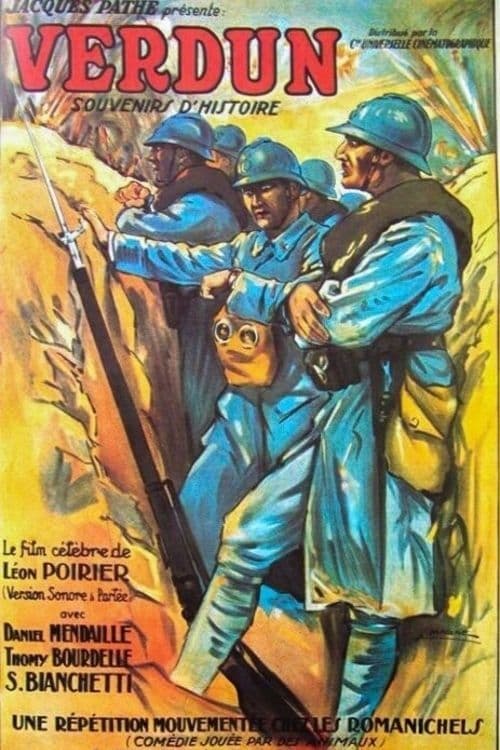
A visitor from the western front tells young children, in a sober commentary, about the battle of Verdun.
Verdun, memories of history
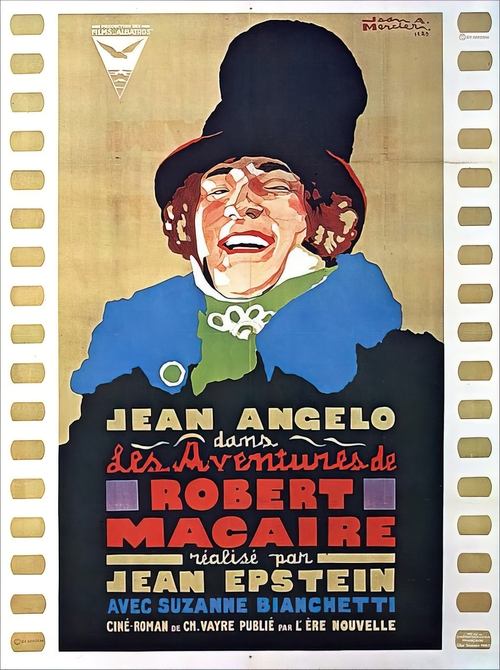
Following a 19th-century play penned by Benjamin Antier, the figure of Robert Macaire, bandit and rogue, enjoyed popularity in several contexts. One of the most detailed treatments may be found in Epstein’s LES AVENTURES DE ROBERT MACAIRE, which he executed in five interrelated episodes.
The Adventures of Robert Macaire
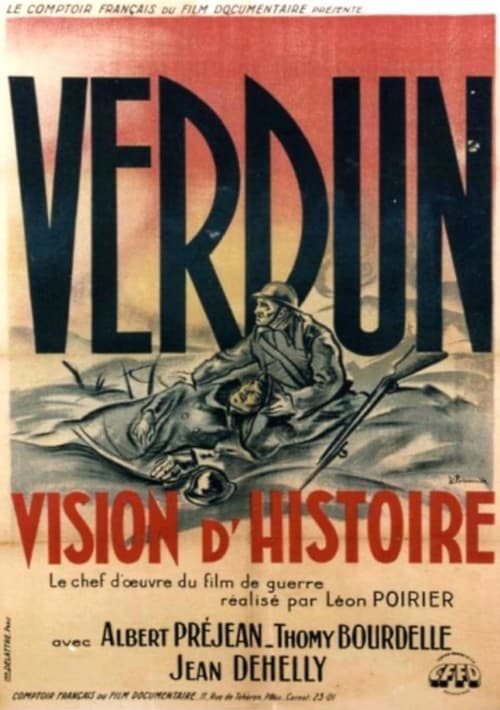
A dramatized re-enactment and documentary of the Battle of Verdun as seen by both French and German soldiers, shot on site of the actual battle.
Verdun: Visions of History

No description available.
L'Enfant des Halles
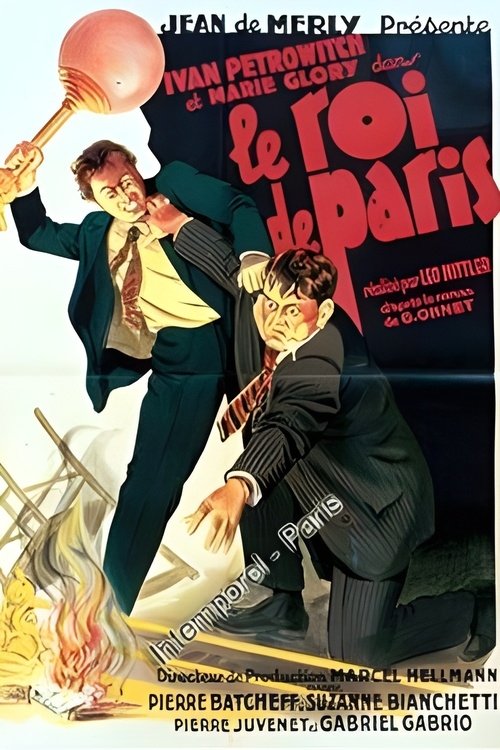
No description available.
The King of Paris
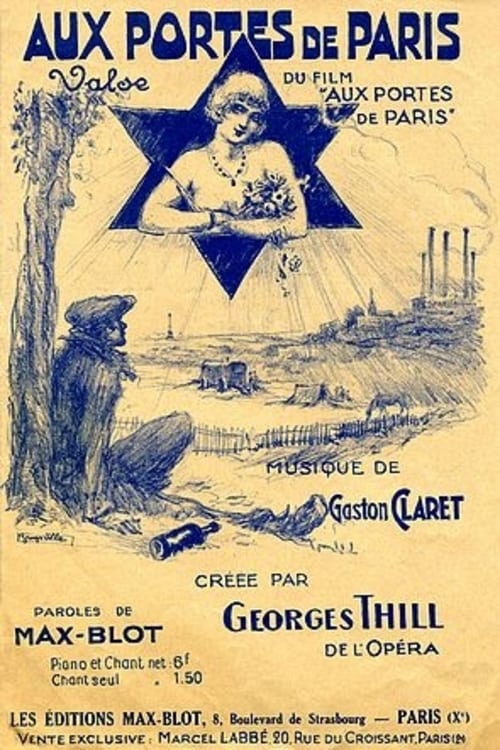
A local man raised two boys. One is his son and the other is that of a rich industrialist, to get the bonus to the unhappy father, he gives his own son a lazy scoundrel, to the tearful father and decides to keep the other boy, but the truth does not soon to burst.
Aux portes de Paris
No description available.
La Ronde de Nuit
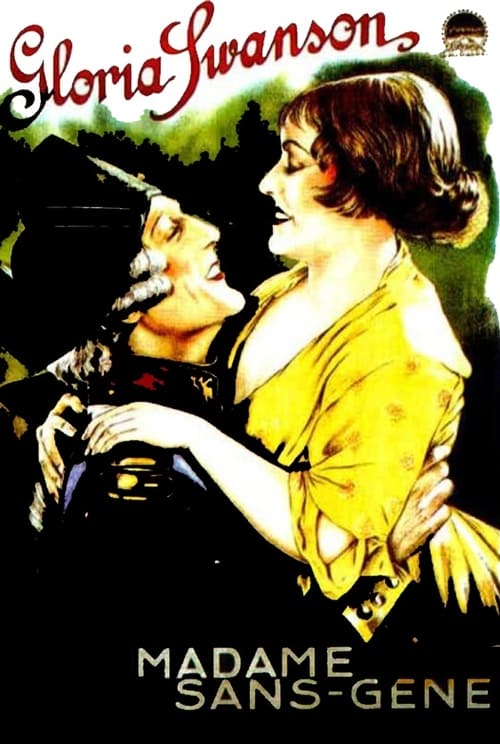
A French washerwoman becomes a duchess and a friend of Napoleon.
Madame Sans-Gêne
No description available.
L'Idée de Françoise
This historical melodrama (later remade by Henry Roussel himself in 1932 and Richard Pottier in 1952) set during the reign of Napoleon III of France. Here, Raquel Meller plays a Spanish flower girl who saves the life of the French empress Eugenie de Montijo (played by Suzanne Blanchetti), by taking her place in her carriage. When the carriage is overthrown by the anarchist's bomb, the girl survives because of the masses of violets in the imperial carriage, the empress' favorite flowers.
Violettes impériales
No description available.
Der Mann, der nicht liebt
No description available.
Le nègre blanc
No description available.
Flipotte
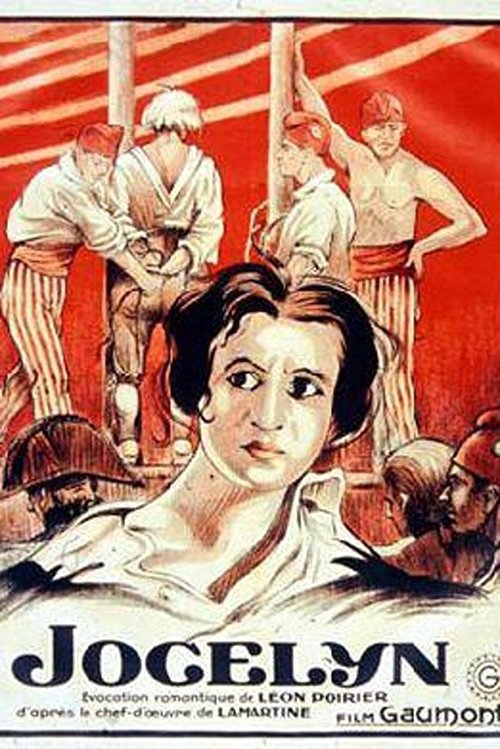
Adaptation of a romantic Lamartine poem. A youth leaves a monastery where he has stayed, after the anti-religious terror of the Revolution. He befriends a youth who turns out to be a girl. But his former bishop calls Jocelyn back to duty.
Jocelyn
"Sa gosse" features a realist singer played by Elmire Vautier, whose memories of the unwanted child she left in the country are invoked by the lyrics of a realist song brought Voices from the past.